Miss Kitty’s Beauty Hive and Be-of-Good-Cheer Embalming Emporium

bug photocollage

I am abuzz with curiosity about this title you have given yourself . . .

There was once a place near where my parents lived, a privately owned beauty parlor housed in a quaintly kitschy pink pseudo-Mediterranean house wildly out of place in its north coast lumber mill town, named The Beauty Hive. Everything was so potentially wrong, anachronistic, tacky and off-kilter about the place that I had to assume that, rather than producing a continuous line of beehive-sporting, overdressed, elderly women clad in shabby 1962 Dior knockoffs, it was a knowingly winking hip place. I never saw anyone actually emerge re-coiffed from its portal, but hoped in my heart that its name and oddball character were conscious tweaks of the nose of snobbery from a smart marketer.

All of this, perhaps, because I am a horrible snob and hung up on old-fashioned ideas I probably should have long ago given up myself.

One of the many things about which I have rather peculiar and specific ideas (tastes, to be sure, but I tend to treat them almost as law) is the subject of names. I have very strong likes and dislikes among names–fewer, thankfully, of the latter than the former–a great curiosity about the whys and wherefores of someone or something having a particular name, and a fairly rigid belief that one should call a person by the name he or she wishes you to use, whether it “feels” right or not.

By that I mean that there are people who, the instant you meet them, introduce themselves and then say, “but call me [such and such]–everybody does”. Then ‘such and such’ it is. Some are very dependent upon their honorifics for a clear sense of identity (or to shore up an insecure ego), and if one introduces or signs himself as The Very High Reverend Mister Doctor Esophagus, Esquire, then I will jolly well address him by that extravagant title when calling him “by name” (if not just Sir or Your Holiness) until he explicitly permits me to do otherwise–even if I can’t help chortling in private over such pretentious foolishness from a guy greeting me in a grocery queue. I notice that there are plenty of people using their titles in places where their titles have no real meaning, like the academics parading around as Professor Phlegmatic or Doctor Stricture while at their own doctor’s office for a mole removal or the local natatorium for a brisk dip; what has their research and lecturing work to do with their current activity?

I’m equally prickly, though, about people giving titles–spontaneously or otherwise–where they are not requested or even not welcome. When I was a university lecturer, I never applied for the status of tenure-track, and having worked my way through from a starting point of one-class-at-a-time adjunct to full-time teacher over my first couple of years, my official status as a pedagogue remained Lecturer throughout my decades of teaching. I found it a mildly annoying misnomer, then, to be addressed as Professor, not being even an Assistant or Associate Professor let alone “full” (and it seemed extra-ridiculous to be called Lecturer Sparks), so with my classes I made it clear at the outset that I preferred to be on a first-name basis with all of the other serious-minded scholars in the room. If an individual student, personally or culturally, was uncomfortable with first-name familiarity, they were welcome to have me call them Mr. or Mrs. or Dr. and could certainly call me Mrs. or Ms. Sparks, something I actually was whether in the classroom or not. My other official title during my academic years (Curator of Visual Resources, my nom-de-guerre as gallery director at the university) would have been even more asinine used in that setting, because to me it represented the slippery but obvious granting of a mock-shiny and slightly suspect tiara in lieu of a raise. I did have one student that insisted very pointedly on calling me Professor Sparks long after repeated polite requests that he do otherwise, and it came as no surprise that when he was later called to task for clearly choosing to omit a specific stated requirement in an assignment, his response was to threaten me with physical violence in front of the whole class. Really, just how maladjusted does one have to be to need so desperately to mess with another person’s name?

The most truly over-sensitive point with me is that of nicknames. I think I can understand the desire to fit in that drives most nickname use: it implies casual and relaxed attitudes (great in a sports setting or a club, for instance) and an intimacy between people that many find less distancing and formal and fussy than their whole or given names. In some cases, it’s clearly a welcome rescue from being saddled with a name they’re not too fond of in the first place. Sometimes it’s from having a family name that’s too hard to separate. My husband shares his first name with his father, a good name indeed, and yet is not a Junior because their middle names differ. But despite his parents’ initial assumption that they would differentiate between the two by simply calling their son by his middle name, other family members and friends immediately gave him a nickname, diminutive of the first name, and it stuck instead. The result was mainly that if anyone did call my spouse by his full first name, it was assumed the reference was to his dad (or that the son was in Big Trouble). Pity, really, because both men are wonderful, quite distinct from each other, and both in my view well fitted with that great first name they share.

My spouse and I reached a point in life and in his career where he just wanted to enjoy using his real, full first name and be done with the imposed nickname. He had long been known by his full name in Europe and Canada and only gone by the old ‘shorthand’ version back at home for some time now. So he politely let people know, and over time the general response, even among those who have known him since he was a little squirt, has been a gradual re-habituation and our getting to have my partner be known to others by the name we know as his.

I underwent the same process but made the switch a bit longer ago. Growing up, I was a Kathy. I don’t know who first called me that. But by the time I joined six other Kathys and Cathys and Cathies and so forth in one classroom I was beginning to reassess the beauty of my given name of Kathryn. I’ve always liked it, but found like most kids (including the aforementioned boy) that if someone else pastes a nickname on you and you don’t rebel against it for any reason, you’re stuck. I had nothing against being a Kathy–but didn’t enjoy disappearing among a multitude of them. And since I was really fond of the name my parents gave me, why not use it? It’s remarkable how firmly we get it fixed in our heads what a person should be called. My husband found it tricky to ease longtime friends and relatives into calling him what they thought of as his father’s name. I have a similar circle so ingrained with the habit of calling me by my diminutive that there are still random moments of “Kathy” popping up in my presence.

Thing is, I haven’t thought of myself as Kathy since I first decided to revert to what I think of as my real name. When people address me by the nickname in print, it’s a safe bet they’re complete strangers assuming unwanted familiarity with me. When they do so in person, I often fail to respond, simply because I don’t “hear” that name as mine at all anymore–you must be talking to someone else!

There have been a rare few that christened me successfully with other nicknames (some of them even repeatable in public!). I can think of maybe two people who have ever called me Kate, both of whom knew me well enough that I considered it an honorific title specific to them. One aunt affectionately named her über-pasty niece Caspar after the friendly cartoon ghost character. My immediate family and some good friends call me Kat or Kath, which is comfortably casual without being the potentially demeaning diminutive of my (officially) immature years. A few who share or are pleased by my Norwegian ancestry even call me by my middle name of Ingrid. Also pleasing, not least of all because I got that name in honor of my dear aunt.

Then there are the ones, not quite like that borderline-torturer former student but still wanting to be pesky, that choose names for me or anyone else without permission and based on their desire to irritate and irk. Siblings are, of course, very fond of pulling that stunt. Mine chose the nickname for Kathryn that I openly disdained, if not hated, most. Kitty. Any time they really wanted to get under my skin, especially in public, they might slip in that name. Don’t get me wrong, while it’s more of a diminutive than I would ever call a favorite tag per se, it’s not a name I hate in general, just the one that I thought most ill-suited for me.

Finally I got smarter than to react with the sort of crabbiness that so pleased my sisters when they called me Kitty. I usurped the name. I was graduating from college and taking out a business license to sell my artworks on commission, and it occurred to me that if I stole the name Kitty it wouldn’t have half the cachet for my sisters to torment me with anymore. It just needed to be a really obvious bit of silliness that could take the edge off any serious-seeming warfare. That was when I remembered the similarly obvious bit of silliness at that weird beauty parlor near Mom and Dad’s. So I took out a license under the business name of Miss Kitty’s Beauty Hive, a title that remained (though eventually discreetly and more conveniently shortened to MKBH) for a good twenty years. Can’t make fun of me by calling me something I call myself!

So maybe I have to relent and let people call me Kathy again. Even though I so deeply don’t feel like a Kathy anymore–that’s someone I was thirty years ago and no longer know. More likely, I’ll try to keep gently introducing myself as Kathryn, the name my parents loved enough to lay on me at birth, and just smile sweetly when any other title comes my way. It’s all about the tone, the intent.

As for the Embalming Emporium of today’s post title, that just goes with my general sense that if I want to stand out from the crowd–whether of multitudinous iterations of Kathy and Catherine or of bloggers or of artists or of ordinary human beings–I may as well crown myself with the laurels of some seriously distinctive and humorously provocative title. Plus, if I get enough response to it, I can always look into taking up business under yet another name that has little to do with my actual business and everything to do with deciding myself what I want to be called.

Beware the One-th of the Month

skull drawing and Hitchcock portrait

Even when you expect the worst, something worser may lie ahead . . .

Alfred Hitchcock was known to tell a certain little story that subsequently stuck (ouch!) in my mind. This is my recollected version of it:

Wilfred’s wife Muriel had been missing for some time and the incessant rain had abated when the search party finally found what might be a sign of her in a ditch beside the winding and desolate country road. At first, it did look like Muriel’s shoe, and Wilfred was distraught. He clutched at the shoe–which, it turned out, had a foot still in it.

“Oh, I hope nothing terrible has happened!” he cried, “Muriel never takes her favorite shoes off when she’s out of the house!”

A little farther along the lane there was a torn macintosh sleeve that, when he rushed to pick it up, had an arm in it showing Wilfred a hand with familiar jewelry. He was beside himself with worry.

“Gracious! Muriel hates to be late for anything, but she would at least pause to take off her mac when the rain stopped–it’s much too warm to wear in this fusty weather. Surely she would take a moment to get more comfortable.”

The search party progressed slowly, finding bits and pieces of what had surely once comprised most of Wilfred’s missing wife. Wilfred grew more and more frightened at what might have happened to his dear Muriel, but he dared not let himself think the worst. Finally they came to a weir where, caught in its grate, there was a familiar looking head. Wilfred leaned forward to address it:

“MU-riel! Are you all right?”

*********************************

Funny, isn’t it, how we tend to assume the worst and still somehow be so surprised that things turn out to be as bleak as they are. The first of the month (any month) looms large as the archetype of a Bad Day for many people. It’s the day when most of the bills are due, accounting must be made at work for one’s actions–or inaction–during the previous thirty days, filters must be replaced in the machinery, timers reset, and all manner of drudgery and doom are assumed to lie in wait. “I can’t believe it’s already September! Where did August go?” The month begins with a day of dread.

But I’ve found too that there’s a palpable truth to the old idea that while pessimism feeds on its own energy and dark expectations tend to be fulfilled with dark results, optimism and positive expectations can be equally self-fulfilling. Of course it makes sense to be prepared for and know how to survive and rise above disaster. But doesn’t it make great sense to get beyond that and, if necessary, work and will good things into existence instead? If I’m going to spend energy on thinking about the future, I hope it will be with the belief and intent that the future should be filled with good stuff of every kind.

Alfred Hitchcock, it seems, may have been a slightly shady character himself; perhaps it fed his genius for black humor and suspenseful psychodrama, but the tension between his deep-dyed wit and the truly grim storyline with which he would present us was necessary both to leaven the tale and to remind audiences of a better possible outcome. Without the contrast of an occasional flash of light, darkness becomes meaningless and incomprehensible.

Never mind the Fear of the First. Begone, nagging soothsayers of the End Times. I’m not afraid of the cursed Ides of March. Superstition and despondency, get thee behind me.

I prefer to keep my moments of fright to those contained in good scary fiction, and dwell, myself, in a much sunnier place where I expect pleasure and prettiness and plush pillows and poached pears and perfection. At least when I curl up with the likes of Edgar Allan Poe or Stephen King in that place I can be assured that they’re only tall tales I’m reading and the bogeys will all go away again when I turn on the lights and tell them to go. Then the terror is finite and fictional and even fun, but finally, it’s also conquered.

  • Edgar Allan Poe portraitRepeat after me: It’s only a story, it’s only a story . . .

My Moon is Always in Retrograde. I Mean, It is *I* that am Retrograde. Whatever.

I’m not stuck in the past. I just revisit it in my heart with great constancy. I’m not a hopeless romantic. (I’m remarkably hopeful, in fact.) But yeah, I’m as squishy on the inside as they come. The upshot of living with this particular combo of symptoms is that I revert with incredible regularity to making very old-school, gooey, straight-up-rhyming poems on beyond-perennial–millennial?–themes. I fall back on making Pretty pictures and comfort-laden images. I’m very girly like that, very old-lady.

Just another bit of my naturally silly bent, don’t you know.

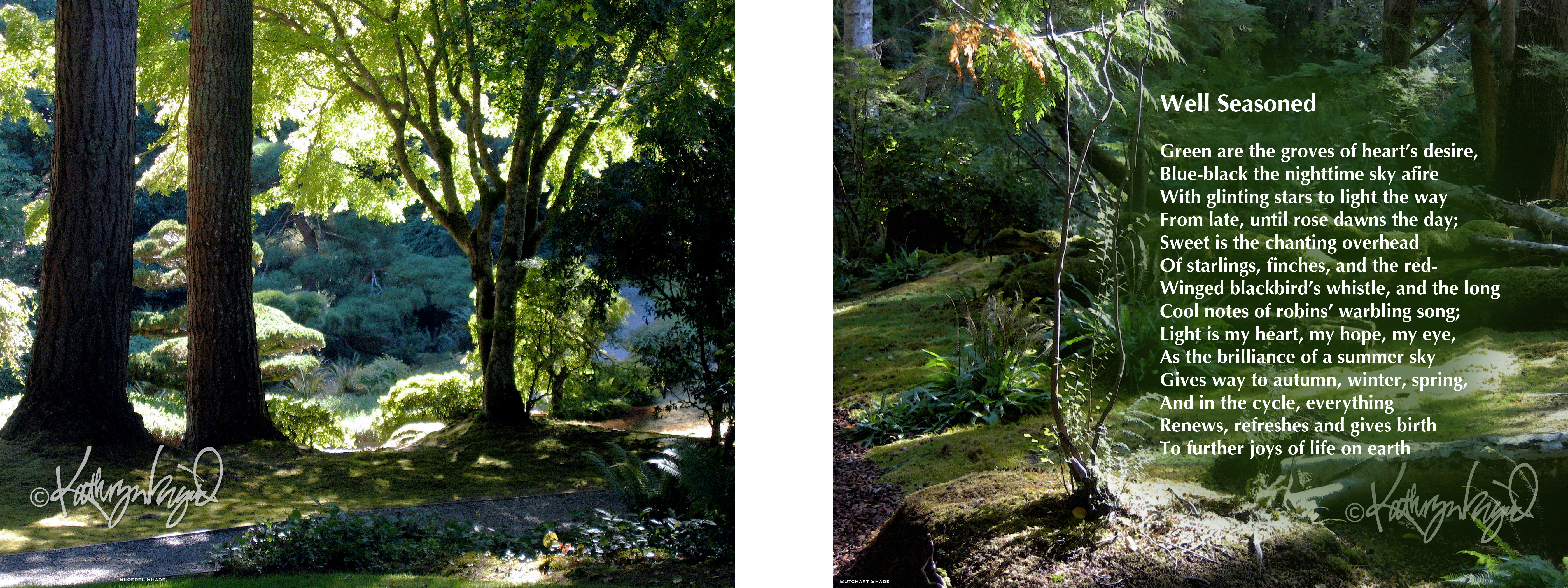
leafy shade photos + text

. . . so I let the treacle trickle . . .

Truth is, I don’t think niceness and sugariness are inherently awful. I know that there are a large contingent of folk, especially arty persons, that get one whiff of this kind of stuff and, well, immediately start to have a reverse-peristaltic episode. The very idea of brushing against the edge of soft-and-cuddly fills many hearts with repulsion. It certainly skates dangerously close to spitting in the face of serious art criticism. Ask John Singer Sargent and Norman Rockwell and, you know, anybody else whose technical prowess and ability to connect both with their clients (yikes! The dreaded commercial success!) and audiences (ewww, what’s with these guys making conventionally attractive artworks and the general populace falling all over themselves liking the stuff??).

And I have to confess to being an outspoken critic of some practitioners famed for precisely the kind of glutinous old-fashioned stuff that I happily turn around and perpetrate myself. The bottom line is not “I don’t know anything about art, but I know what I like”–it’s just “I know what I like”, period. Because one fan’s treasure is another fan’s trash. When I’m producing creative work of any kind, if it isn’t for a specific commission–in which case, it is my desire as well as my contractual duty to produce something that pleases and meets the needs of the client as agreed upon for the occasion–then I’m doing what I feel like doing and can’t be much bothered with whether anybody else will be attracted to it. When I’m making gushy and flowery things, accolades and smooches from the art establishment is far, far from my otherwise cheerily occupied mind.

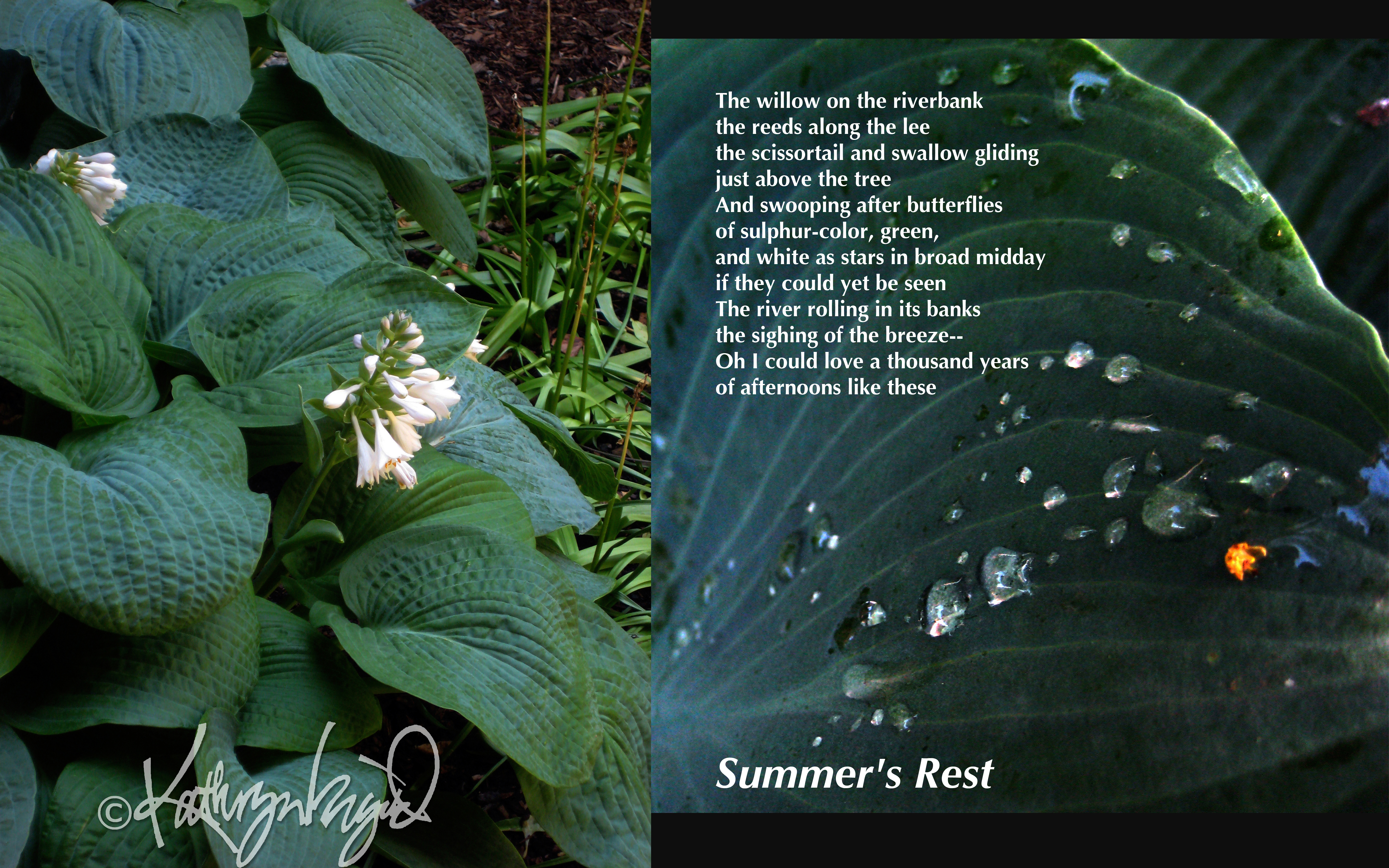
hosta photos + text

. . . so I just lie back in my cozy little hammock and indulge all of my candy-coated urges . . .

You may have noticed I have virtually no self-restraint; I’m so very not interested in being appropriate and meeting the Exacting Standards of those in the inner circle of the aforementioned establishment. Who, by the way, seem to me to feel a deep compulsion to Not Like stuff on principle if it emits the teensiest odeur of safeness and comfy likeability. Yeah, I’m that backward. There’s a healthy dose of the upstart pipsqueak in me. Nothing I like better than living my life in the shadow of the really important artists out there, secure in the knowledge that my obscurity gives me license to just do what I jolly well please and make photos and poems and stories and drawings and paintings that just give me personal entertainment and amusement and a very traditional sense of happiness. And then I pop up out of the shady tall grass and make a silly squirrelly smirk at the more elegant and impressive real world.

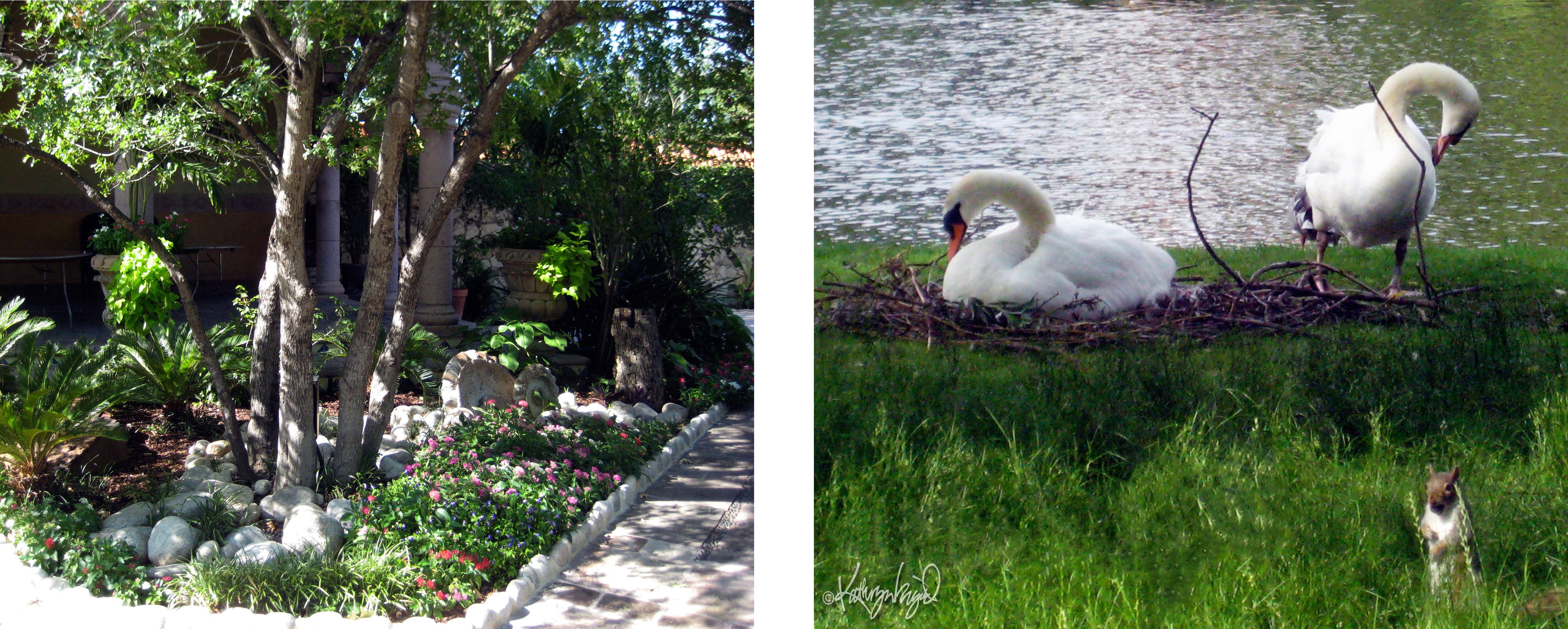
garden, swans and squirrel

Here's laughing at you, kids . . .

The Kids are So Much Better than “Alright”

blue-themed animals digital collage

Surrounded by magical beings . . .

I’m just going to come out of the nerd closet and say, before anybody pounces on me, that I put “alright” in [actual, not the dreaded air-] quotes because, while I may like taking advantage of the musical and/or filmic references of today’s post title, I still live in the camp that says “alright” is not a real word. I am happy to muck about in very sloppy and neologistic nattering when it suits me, but “alright” gives me the same creeps as hearing otherwise very intelligent people say “noo-kyoo-lurr” and “litticher”. I am perfectly capable of making typos and thinking sloppy and inaccurate thoughts, yes I most decidedly am, but I really prefer to make my linguistic slips and slithers purposefully, or at least with an entertainingly Freudian twist.

But jeepers! That isn’t even my topic today, so correct my English if you wish but meanwhile follow me hither to the intended point of this post, if you please.

What I lay thinking about before and after last night’s sleep was how wildly improbable it is for a willingly childless person to live surrounded by fabulous children that, in turn, evolve into astonishingly great human beings and adults and even parents of their own fabulous children. Improbable, but true, and incredibly satisfying. And without the high quotidian costs inherent in direct parenting!

I’ve gotten to participate, and in my tiny way, to assist with the survival through youth that a few favorite students of mine aced during my couple of decades in the trenches of higher education. I’ve been a joyful beneficiary of sharing in the lives of some stellar kids parented by our many dear friends. Best of all, I get to haul out the brag book and coo over a single-and-singular niece and nine amazing nephews, all ten of them people I’m proud to have even met, never mind my being able to claim any affiliation with them. This is not to say that I am an exemplary teacher or mega-cool friend-of-Mom-and-Dad’s, and certainly not that I am remotely  like a Super Auntie. That honorific remains firmly lettered on the diadems of my own aunts and of my three sisters, who have much more polished skills and talents when it comes to that. And clearly, having chosen to keep my child nurturing to the second remove, I will never claim to be a mother, a form of sainthood and heroism I will always admire in its best iterations (i.e., my own mother and child-raising sisters and their rarefied company) but without wishing to emulate. I bow to them all in genuine homage and gratitude.

Me, I just got seriously lucky. And I’m aware of it, so sincerest Thanks all ’round!

What I get out of this uneven bargain is a starry firmament of uniquely beautiful human beings over whom I can marvel constantly and in whose shade I am pleased to rest. Our niece and nephews are, to a person, charming and wise and clever and kind and, oh, outlandishly good-looking, too. Handy that not only our brother and sisters but the terrific partners they chose are all such good genetic and parental material, eh? Among the next generation are scholars and athletes, policy wonks and writers, chefs, nurses, technology experts and outdoorsmen, teachers, artists, musicians, gardeners, and not surprisingly I suppose, wonderful parents, aunts and uncles as well. Yes, being as ancient as I am, I now have three fabulous great-nieces and one stupendous great-nephew (apparently the skew is changing). So the undeserved flow of familial greatness continues to sail me along on my merry way.

The great reassurance in all of this is that no matter how messy and inexplicable and dark the world in general may look at times, there are these bright lights shining through it all, bringing the frustrations and complications into a calmer and more graceful perspective, and moving it forward sweetly into the next generation. And the next after that. With art and expertise and muscle and good medicine, with hope and hilarity in magnificently large doses. Youth may be ephemeral in and of itself, but the gifts of youth are potent, persuasive and pervasive. That’s a mighty fine thing, and I for one am immensely grateful to see this at work in those near and very dear to me.

For Overgrown Children Everywhere

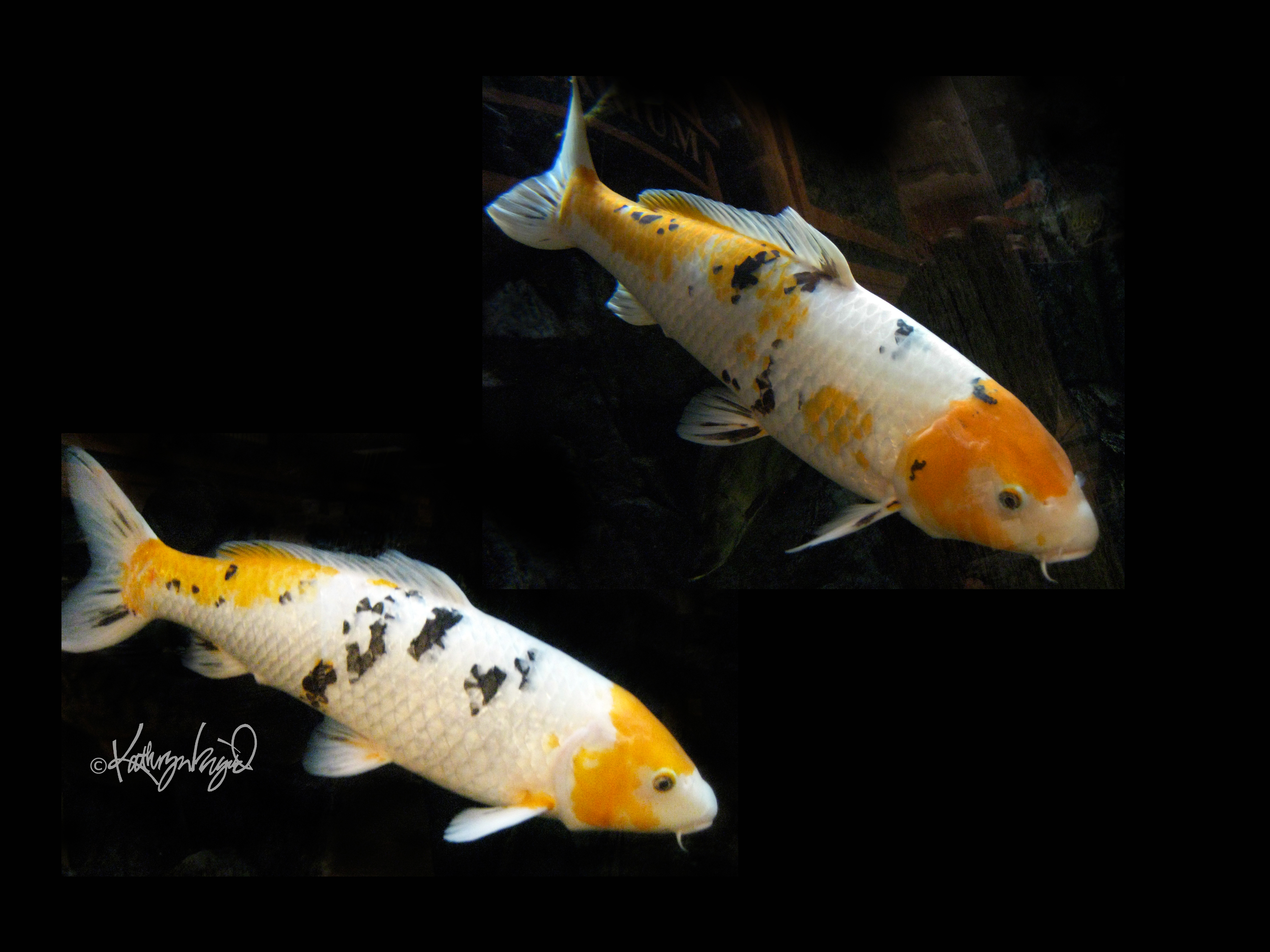
fish photo

Not to be two koi about it . . .

As there’s a remote possibility you have been otherwise occupied with counting the holes in the ceiling tiles while I was previously presenting you with irrefutable mountains of evidence (not that I have ANY knowledge of such off-topic pursuits myself), I will just state plainly and without prejudice and for the record that I am a little kid in semi-adult clothing. If you have a problem with that, I certainly don’t know what you’re doing here, of all places. But I suspect that the majority of us over-twenties simply come to terms with a similar internal détente at some point after realizing that (a) being grown up is highly overrated and (2) as long as we can at least put on the guise of behaving in an appropriately adult manner when absolutely necessary, it is in fact quite pleasant, if not desirable, to indulge the inner infant as much as we’re able.

That’s why so much of my art and writing are full of lowbrow hijinks and saturated in silliness. So today, I give you a brief picture-book with a storyline that can pander to those too deeply entrenched in their maturity to admit to liking such things (but only, perhaps, having a reasonably stretchy imagination that can drag this tale into meta-meaning-infested waters) but is really designed simply to attract with pictures of fun creatures and a caption-fed miniature narrative. I leave it to you to fill in the blanks with enough buttercream icing and expanding lightweight spackle to suit your particular tastes or needs. Without being too coy about it, I hope.

crappie photo

. . . but I've had a crappie day . . .

insect photo

. . . so don't bug me about it, okay?

bug exoskeleton photos

Death and disintegration will come to all of us eventually . . .

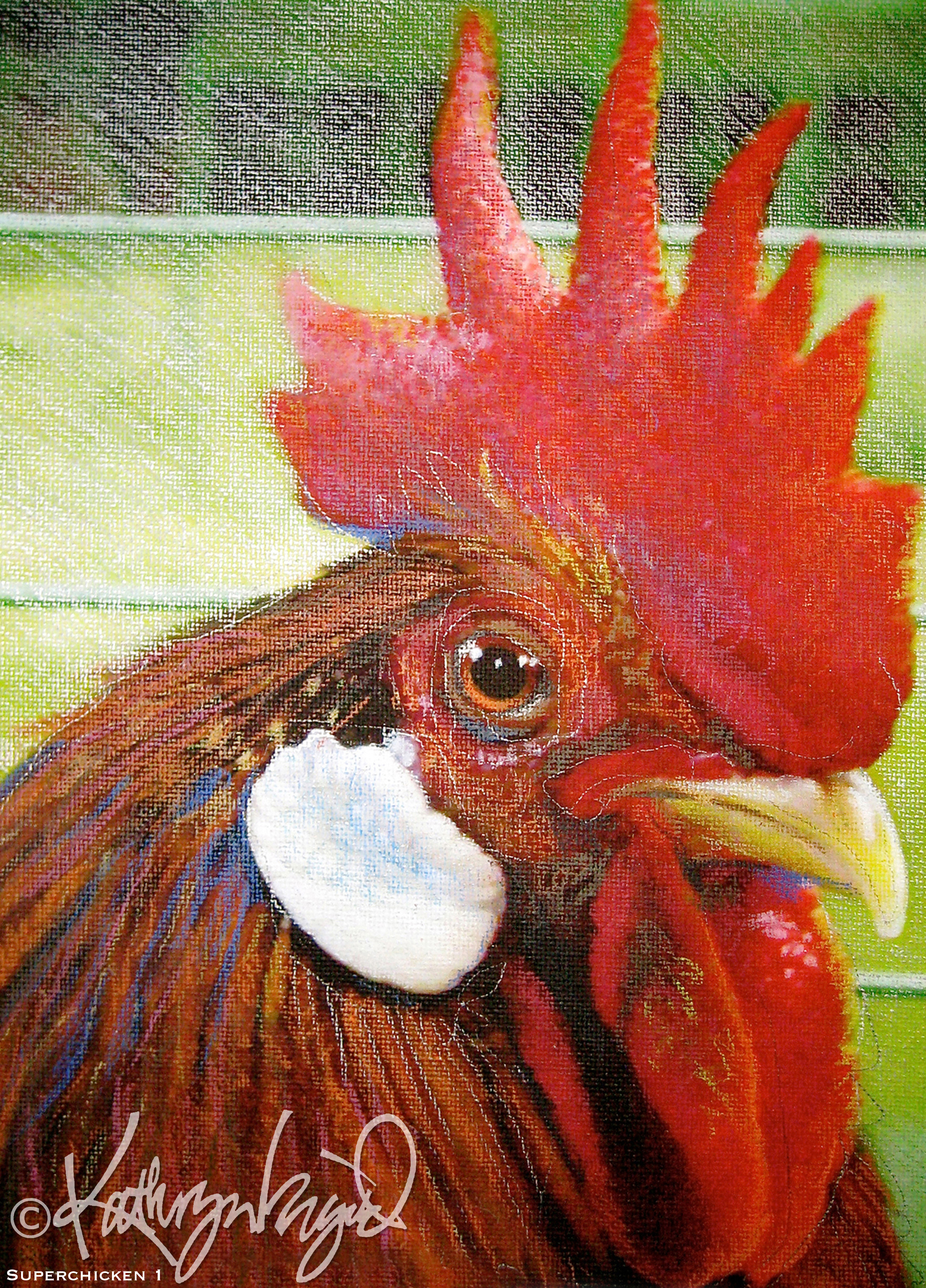
chicken photo + mixed media. . . so I guess there’s no point in being a big chicken about it.

lambs photo

Yes! Cheer up, my lambs, and quit your woolgathering . . .

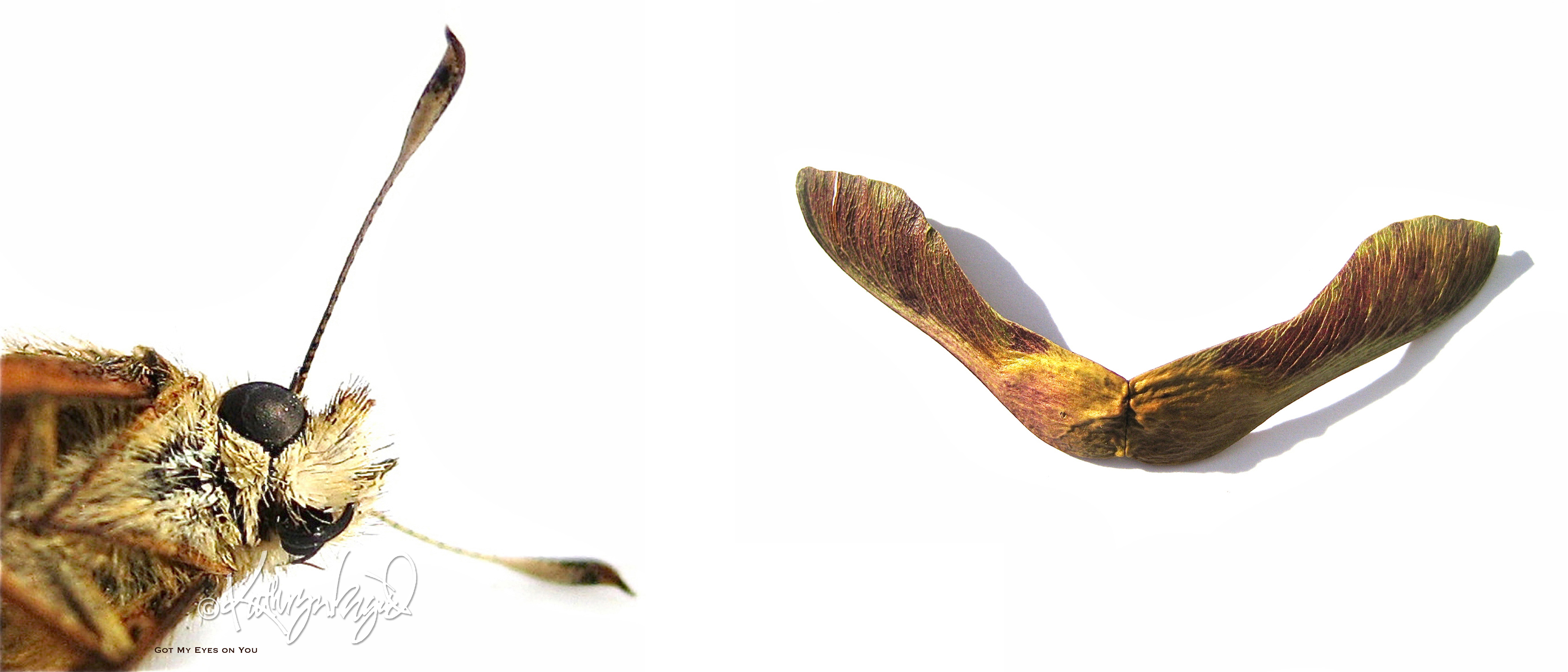
moth and maple seed photos

. . . something new and exciting will come along soon enough!

Memory Palaces

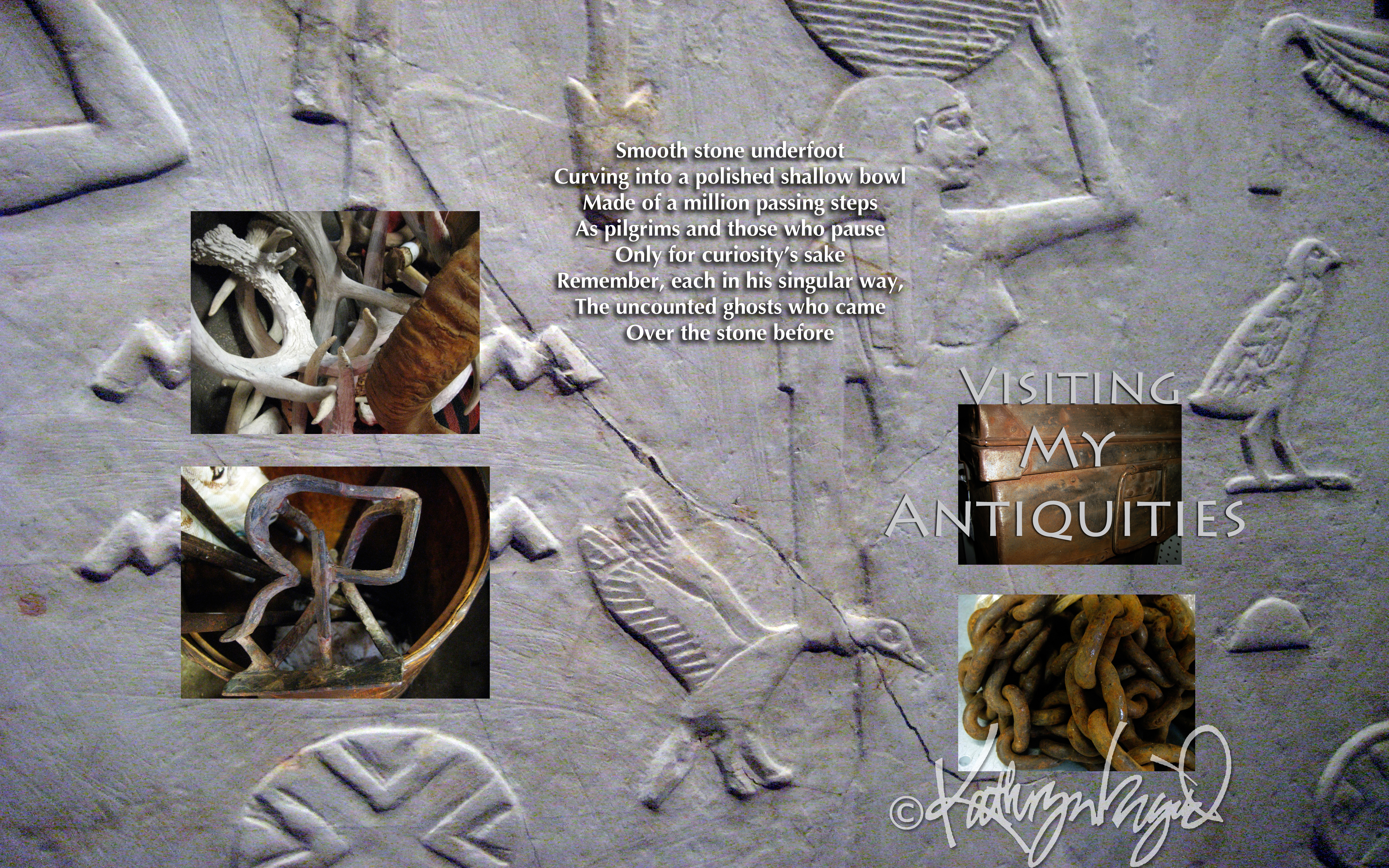
Egyptian carvings + antiques + text

In these quiet moments, in these ancient places . . .

The mind is a miraculous thing. The playground of invention and the laboratory of creativity, the throne of wisdom–if one’s fortunate enough–and yes, the mind houses most of what comprises our whole sense of self, of identity. It is also the storehouse for that matchless tool and gift: memory. There’s the deeply buried sort of memory that is expressed mainly as those autonomic controls and intuitive responses that keep our complex biological machinery running as well as possible at all times, waking and sleeping. There’s that incredibly purposeful (but often tiresome to develop) form of memory that we’re required to hone by the hard work and repetition of study and learning. Indeed, those labors that make most of us crotchety about going to school despite our greatest yearning for the reward of that new-fixed memory and our deepest hopes that it will last.

There’s the sort of memory that transcends individuality and lingers in those places where it came to be. I love to visit others’ memories not just vicariously as they tell tales or teach me of the past but, most especially, when I can take them in through membranes of the spirit, thus: touching an antique piece of furniture and feeling in its burnished grain the passage of every hand that came before my hand; standing in the stained-glass filtered sunlight pouring through a venerable space and feeling the ghosts of history sifting down on me like glittering atomic dust. Most deeply, when I can stand in the places of the ancients knowing in my bones that I connect this way to every one that’s passed before.

And there’s the beautiful, elusive and elastic sort of memory that has the most affinity with creativity and invention and play. It’s the place where the method of loci, or the building of memory palaces, enables those mental competitors that enter memory championships, to erect storage for their knowledge in structures that to ordinary persons might seem astounding and nearly unimaginable in their detail and delicacy and, at the same time, strength. It’s the wonderful seat of those marvelous incidental and accidental memory palaces that despite our lack of practice and training we non-competitors manage to build where our fearful or fondly held sentiments and reminiscences and remembrance of things past can hallow our haunt our dreams, with or without requiring tea-soaked madeleines.

These are the palaces whose halls I wander when in search of things I fear I’ve lost, timidly though I may tread. They are the temples where I look for long-ago learned wisdom, past moments of renewal and respite, and lessons learned that lead me hopefully into the days to come. Most of all, my stately edifice is built to offer shelter to those most treasured of my memories, the parts of the past I want to revisit not from need or for desperation at things I’ve thought destroyed, but for the purest joy and pleasure of basking in their wonders not just on the day when they and I first met, but over and over and over again. That, for me, is the sweetest of those royal gifts bestowed on me whenever I am fortunate to enter in the palaces of memory.

A Word from My Sponsors: Mes mots, ils n’ont sont pas si bon, mais…

graphite drawing

I am so often, despite my appearance of nonstop yammering, at a complete loss for words. Like many, I suppose I am quite capable of being both concurrently simply by spouting whatever bits of detritus pop into my mind without regard to their needing any sense or substance. Perhaps I’m a born politician and simply haven’t responded to my vocation properly yet. And for this you may all be unspeakably thankful.

The Unspeakable brings me right back round to my theme: How I should love to be like the exquisite Dorothy Parker with her seemingly bottomless font of ingenious and witty and always-apropos bon mots. I wish I could think and speak like the inimitable icons of word history, like Martin Luther King Jr., Clarence Darrow, Mae West, Sir Winston Churchill, Sojourner Truth, and their glorious cohort. Oh to be so majestically, yea magisterially, glib and yet brilliant. I’m more often just stuck.

But then when I think about it with a tad of detachment I must suppose that behind the majority of all that ingenious wordplay was a whole lot of careful and long-studied word-smithing. In fairness to all of us ordinary mortals, it might be said that a goodly part of the skillful framing of ideas and passions into mythic, unforgettable expression in words comes from dedicated and relentless craftsmanship. It’s shaped by a process of editing and critiquing and fine-tuning, whether with others’ assistance or in scholarly solitude, laboriously penned on paper in a leather-lined study or scratched with stone on a jail cell wall or recited until gleaming with polish while staring into a mirror.

Sure, someone gets lucky with the off-the-cuff potshot once in a while, but most of those stirring word pictures that stand any test of time were painstakingly crafted to meet the need of the occasion. No long-remembered story or speech is likely to spring from the woefully un-gifted or the sparklingly talent-free breast of even the most patient and committed worker, I should think, but I suspect in addition that a majority of those poetic bursts for which even the most spectacular of natural linguaphiles are best known come from a constant internal kaleidoscopic tumble aimed at ordering their thoughts into a more perfect set of images, at opening windows more ideally designed to reveal the sense of their story when they finally do tell it.

I’ll make an exception for the astounding Sojourner, whose most famous truth, spoken in a magnificent moment of rhetoric despite a certain enforced lifelong limitation on her education, not to mention her being a Mere Woman, was apparently extemporaneous, and is appropriately known by its signature repeated phrase, “Ain’t I a Woman?“. For, after all, there’s the artful use of words, and then there’s the genuinely inspired use of words.

But for my part, I believe I’d better commit to working it out in the traditional way of practice and mistakes and–when I’m lucky–progress. And then more practice. Even my hero S. J. Perelman, from whose Promethean brow sprang a seemingly endless stream of miraculously hilarious and sparklingly snarky phrases and tales, was a tireless collector of ideas and librarian of a vast store of ridiculous names and outlandish colloquialisms just so that he would have them all at hand and well ingrained in his psyche when the right moment arose for their ultimate use. So I will happily take up the tiny corner of his mantle that I dare to touch and follow in those wacky yet hard-working footsteps of his as they meander through the wordless dark, picking up stray nouns and adverbs wherever they shine most brightly.

graphite drawing

No matter what happens, somewhere out there is a perfect word for it . . .

Sound Advice for the Voiceless

watercolor birds x 2

Singing our little hearts out . . .

I have spoken about having Spasmodic Dysphonia. That in itself, when in the aural forum and not (as in yesterday’s blog post) just the printed format of the internet, is a fine thing in my estimation. It means that having SD hasn’t rendered me either mute or unwilling to let my sometimes goofy sounding voice be heard. It could conceivably be argued that it would be good if I would actually shut up occasionally, or at least not be quite so outlandishly talkative as I can get. I consider that other people’s problem. Egotistical, I know, and I’m not really exaggerating when I say that. What you hear is what you get.

Being fortunate enough to retain the power of speech, I prefer not to stop using it. SD has meant getting over any vanity I may have had about the sound or quality of my voice. Having been flattered by many in my younger years as a strong and clear and pleasant speaker and encouraged to take singing lessons, to consider radio work, to be a lector and to speak at public events, I now have a different sense of my voice and what I do and don’t trust it to do than I did then.

So I find it less comfortable both physically and psychologically to sing, and certainly have no desire to show off my resulting lack of confidence and practice publicly. I was always a nervous Nellie when it came to singing in any group smaller than a chamber choir (Yikes! Someone might hear me!), but even singing along with a crowd is not the same fun it once was. It has in no way diminished my delight in hearing others sing, however; quite the contrary, it transformed my understanding of what it means to be able to sing, and to do so with skill and fluidity and grace. Working on proper vocal technique will help me continue being able to speak, but my own sense of music has been shifted rather firmly into listening to and appreciating and being moved by others’ mastery of their instruments. My own musical endeavor now sits much more comfortably in the realm of written and spoken language and of trying to capture the marvels of rhythm and pattern and color and sound in the confined refinements of print and speech. The potential is perhaps equally profound and potent, but simply takes an entirely different route through the senses in some significant ways.

Just to be crystal clear on this, I say this without any sense of loss or privation. I’m not suffering! Indeed, I consider myself incredibly fortunate. I’m neither summarized by nor limited to a description of my anomalies any more than I am defined by the ways in which I conform to any norms. SD is something I have or experience, not who I am or what I’m capable of doing. I could go through the list of potentially problematic quirks that help to shape my daily experience and my present self and sound like either a professional victim or a hypochondriac, or I can find–as I most decidedly do–that while each of those oddities has enough effect on my health and capabilities to be worthy of treatment or accommodation of some sort, each brings awareness of deeper gifts and the drive to overcome not only the irksome ills themselves but anything else I might be letting hold me back.

Yes, I am a lily-livered scaredy-pants of the first order as well as a lollygagging and procrastinating and self-sabotaging ignoramus, able to match pretty much any other arguably normal person around in those foolish and unhealthy arts. But at the same time I am so gifted as to understand that my true limitations are all self-imposed and even self-created, and that not only do people with far greater difficulties and far fewer resources live far more impressive and productive lives than I, I can grow up and into a better version of myself by taking notes on how they do it. Being a somewhat lazy and under-motivated student, I have to actively counter the urge to hide behind the couch until all inspirations and moments of willing effort pass, but on certain miraculous occasions I find that, well, I actually get up and do something.

When I do manage to pull myself up by my nearly invisible bootstraps, I find that despite having familial tremor (mainly in my hands) since who-knows-when, I can draw a straight line or a pretty fine freehand circle when I’m focused enough to make art. When I’m not, I have learned to hold my drinking glass with both hands if need be, or to keep kettle and bowl nearly overlapping when ladling soup. When all else fails, spill cloths and laundry detergent are mighty handy things. I may chill easily, thanks to my slightly off-kilter thyroid, but I’ve got layered-clothing styles down to a -40 Edmontonian nine-layer art form that I can still pack in my carry-on baggage. Wanna learn how to do nearly any basic survival task without an inner compass? I have virtually every dyslexic and perceptually dysfunctional talent I’ve ever heard tell of, from the ever popular reading-related visual chaos to spatial, directional, numerical and probably even temporal displacement. So without even knowing or trying to do it, I learned most of the affected skills upside down, backwards and sideways, doing everything with my own inevitably inimitable flair. Once I started treatment for them, my clinical depression and anxiety stopped holding me back and instead informed more of my interaction with other people as well as with my art. My lack of physical stamina and athleticism may have prevented my becoming a famous basketball player or dancer or a three-meter platform diving star, but I figured out early that leverage and a little logical logistical ingenuity could make up for a largish quantity of strength and skill in things physically challenging. Blazing alternative trails isn’t glamorous work but it’s done useful things in my life, and gives me an appreciative slant on those whose achievements outshine mine.

And when it comes right down to it, my ‘substitute’ versions of reality have served me quite nicely. I don’t sing in the way of the magnificent-voiced soloists and choral artists whose offerings have so richly embellished my existence, but there’s nothing stopping me from using the alternate voice I have in words and images to sing in my own way, and mainly for sheer happiness.

spring green flora + text

There are so many ways — and so many reasons — to sing . . .

The Sound that Defeats Death

It is audition season. Living surrounded by musicians of all the possible performing and conducting and recording and just-because-I-can’t-help-it permutations, I am aware of the slight change in barometric pressure that in turn sets hearts and metronomes aflutter at this time of year. It’s connected to the academic calendar, to the symphonic season, and undoubtedly at this point in history, to the fiscal cycles that wax ever more weakly with every palpitation of the stock market and downgrade of company pension plans. The undercurrent of electric excitement and the frissons of impending artistic adventure so intertwined with the notion that one is about to embark on a new, or renewed, relationship–or is about to gird oneself in black bombazine and the hair-shirt vestments of the rejected–is giddying and tooth-chatteringly awful all at once.

How apropos that I find myself interviewing for new employment at this very time. I feel every bit the whispery, under-powered and imperfectly skilled performer when singled out for that one-on-one moment with the deities of HR. I want to open my mouth and hear sparkling coloratura, but am glad and relieved enough at being able to merely cough out a modestly coherent thought without accidentally spitting on the interviewer, falling off of my chair, or (the most likely misadventure in my repertoire) having my voice seize up on me and stop dead mid-word. I have Spasmodic Dysphonia. The term sounds both ominous and ridiculous, and in my life, the experience is both. Many people with SD have a far worse time than I do; I’m one of the lucky ones. SD is a subset of Focal Dystonia, as I understand it, and both names group together sets of symptoms and physical oddities that present differently in each patient, depending upon the collective group of expressions that person has combined in his or her experience. I use the word patient advisedly, knowing as I do that what is most needed in dealing with the condition, either as one’s own or as it affects another person, is patience. Not really something I was born with an abundance of, but there you have it.

To oversimplify, possibly at the risk of misstating, Focal Dystonia is a broad generic term for when a localized group of nerves stops talking to the muscles for which they’re responsible, or sends them incomplete or inappropriate messages, and the muscles respond by failing to do what the brain was signaling the nerves to tell the muscles to do. Playground chaos ensues. The fingers that used to so nimbly traverse the keyboard curl up into an angry stump and refuse to admit to ever having met this Mr Shostakovich person. [Know the amazing story of Leon Fleisher? Visit http://en.wikipedia.org/wiki/Leon_Fleisher.%5D The arm that flexed in a perfect imitation of Diana-the-Huntress’s draw goes from sinewy and smoothly controlled elegance to a clenched and twisted limb that would rather drop the bow and go for a nice bit of hydrotherapy, thank you.

Spasmodic Dysphonia, as you’d guess from its title, is the version of neuro-recalcitrance in which the vocal cords or folds don’t get their nerve-transmitted memos correctly and so go off on their own merry tangents, usually by vibrating excessively. The outcome is an uncontrolled voice, a weakened voice, or, literally, no outcome. While many with SD have no apparent causative markers in the neurological system, obvious lesions on the brain, tell-tale medical historical events, or the like, most, like me, do find that certain elements can exacerbate ‘attacks’. My good luck is that my case is fairly mild and I can go for rather long stretches between my times of being worst affected. But like most of the other SD patients I know, any situation that puts stress on my voice increases both the likelihood and the severity of episodes; the longer the stresses last, the more effect they have. So being in a loud reception where I have to raise my voice to be heard for a couple of hours is a pretty good trigger; being in a loud classroom (whether it’s caused by the HVAC blowers or being near a busy airport or just having over-exuberant students) five days a week is definitely a tougher influence to resist.

Being depressed, being ill, going through any of the textbook-irritant life changes you can name: those are all potential villains in effecting recurrence or regression or whatever you like to call it. Since I’m generally a very happy and healthy person and most of the life stressors extant are surmountable with a little help from my circle of superhuman supporters, I’m more susceptible to common noise-environmental twinges than to emotional ones these days.

But sitting in an unfamiliar office in the Interviewee chair is a quick reminder that I have to activate my “manual controls” and not just talk on autopilot when the tension stakes are raised a little bit. If and when SD gets particularly persnickety I will lope back over to my kindly specialist and have Botox injected into my vocal cords. It sounds hideous, doesn’t it. It’s not exactly something I’d do for sheer fun, but it’s not the most gruesome or painful treatment imaginable and it beats the daylights out of having my voice stop unceremoniously on me three times in a single sentence. People that don’t know me very likely notice nothing wrong at all and just assume that I, like William Shatner, have developed my own distinctive style of delivery for artistic or dramatic purposes, but since the frustration of literally not being able to ‘spit it out’ until I regroup, retune and/or start over entirely is accompanied by a feeling of being gripped around the throat by a mugger, I’ll get in there and sit up and beg for the shots like a good little patient until some nice mad scientist discovers an actual cure for SD.

In the meantime, I am all the more cognizant of the plight of all those voice-dependent folk putting their hearts on the line as they stand up to the test these days. Dysphonics, wherever you are and whatever you do, I wrap you in my arms in an embrace of solidarity and hope. Teachers, returning to the classroom after a luxurious (if short and jam-packed with non-academic duties) respite from lecturing and verbally leading daily sessions: I salute you. Preachers faced with a re-filled nave after the relative quiet of the summer season: I will light a candle for you. Public speakers back on the circuit for the height of the season after the relatively fallow holidays of vacation time: I applaud you. And singers, you who transport us to different worlds with every flexion and inflection, to you most of all do I genuinely genuflect. It is the sonic wave of music on which I am borne to higher and deeper planes, transported to places of joy and despair, moved by otherwise indescribable anguish and awe and beauty. I may not sing along, but I am listening.

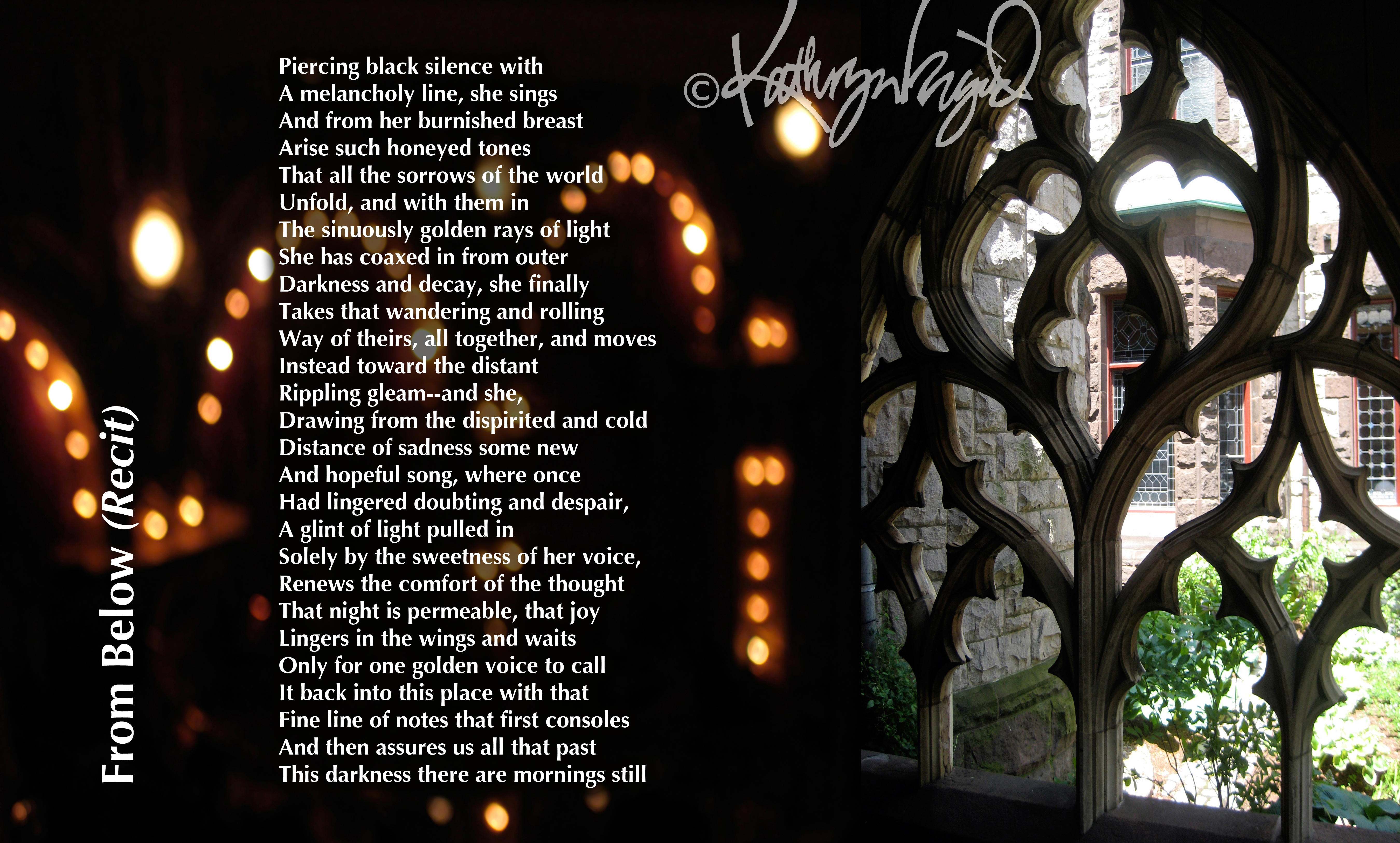
theatre lights and leaded glass and text

. . . and the echoes fade without ever ceasing . . .

Dragons Aplenty

Just because we are so sophisticated, so soigné, so exceedingly modern and advanced, we regularly assure ourselves that we have nothing left to fear and know everything that we need to know. This, of course, is sheerest hubris and hypocrisy, not to mention a steaming heap of pre-composted compost.

With every supposed advance comes a whole phalanx of new demons and monsters of every stripe, tailor-made to frustrate our every effort to be cool, calm, collected and couth. And every chink one of those new dragons makes in our homemade armor is perfectly designed to let in a healthy herd of all those beasts and daunting trials we so hoped we had slain or at least left behind. Such is our nature; such is the nature of purported progress. I suppose scary monsters will never be extinct.

graphite drawing

I'm Wilfred, and I'll be your monster for today . . .

Three Little Words

Three words strike fear into the heart

And with a sense of doom impart

Their horrors in the modern breast—

On hearing them, we grow distressed

And fear for love and life and limb

And see our happiness grow dim—

There is no palliative retort

When we are told: Call Tech Support.