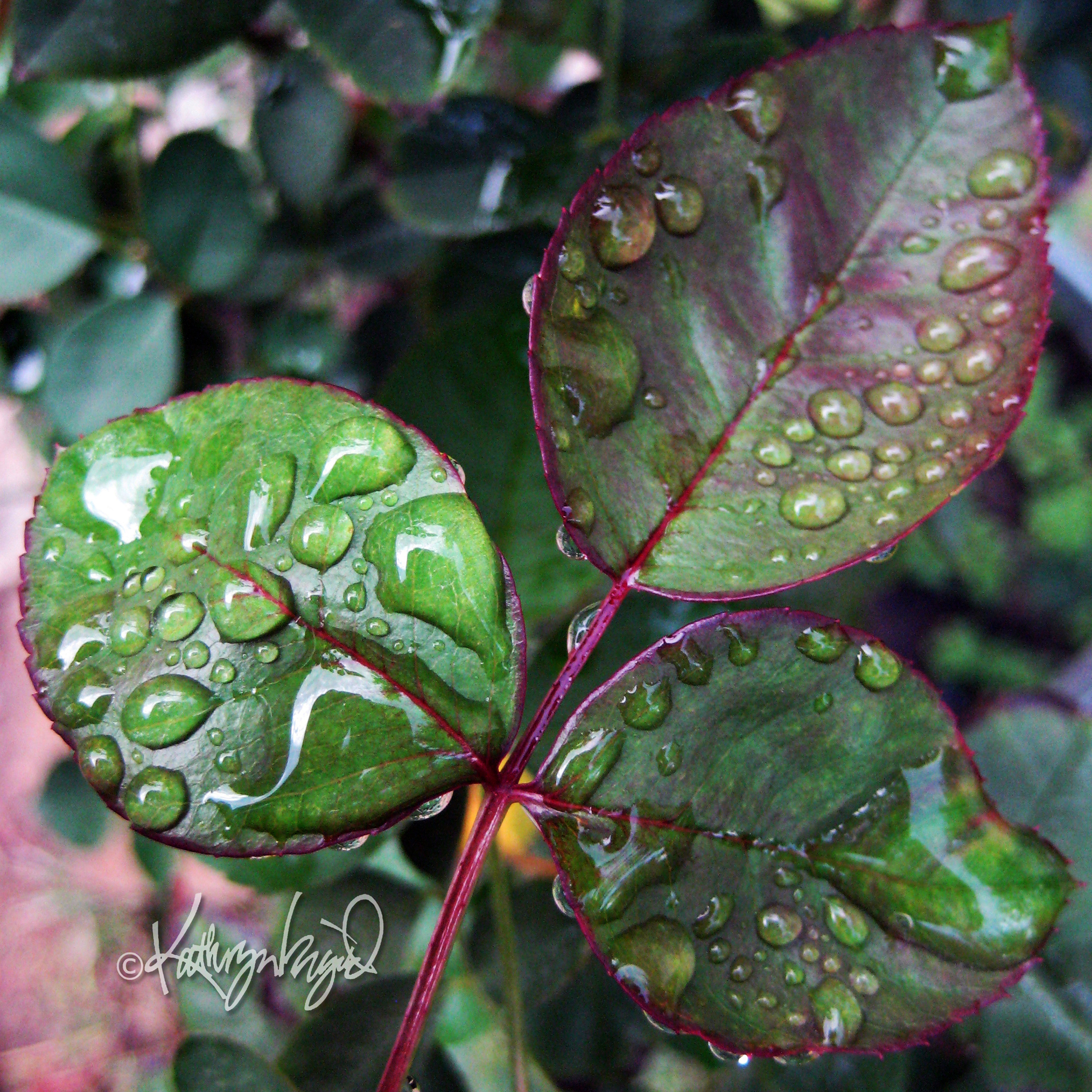
Foodie Tuesday: Keeping the Tank Full Makes Me Thankful

Let’s just say I’m not the most compliant or enthusiastic when it comes to trying to eat what I think I ought to eat. It’s not that I don’t love eating practically everything–it’s that I do–limiting my choices to what’s right at the moment seems amazingly hard to manage when I’d rather just eat what I feel like eating, in the largest possible quantities and whenever I’m so moved. Sadly, this is what gradually moves me toward the zaftig and less ‘peep show’ sexy than that of a Marshmallow Peep. While its High Season of springtime is ever nearer on the calendar, I don’t really fancy being the latter shape no matter how popular the treat is with other people as sweet-toothed as I am. In fact, I’d have nightmares about being chased around by lust crazed Sugar Zombies in a yellow snowstorm. The very thought!

So I’m going to see if I can’t reduce my carbohydrate footprint, so to speak, and eat things that stay with me in a more kindly manner, that is, in the form of longer-lasting energy and higher nutritive value and deeper savory satisfaction. Frankly, I’m not as worried about fats as I am about the quantity and quality of sugars I’m capable of packing away and have no real need of, nutritionally. So pardon me while I butter myself up, as long as I can learn to more nearly kick the carb habit.

Today I went for an easy start: steak and eggs, Tex-Mex style. I put a couple of cuts of steak in the Sous Vide cooker last night just before bedtime, and when we got going (at our respective times) today, each of us had a piece of medium-rare beef to sear off in the skillet when we were ready to eat. I browned mine in butter and while it rested momentarily on the plate, deglazed the skillet with some of the bone broth from the last batch, handily waiting for the summons from the fridge, and while the broth cooked down to a thin gravy I poached an egg in it. I topped it with a little gussied up salsa: I often buy a jar of Pace Picante Chunky salsa–a pretty mild type–and stick-blend part of it with a (yes, one) chipotle en Adobo, mixing all together for a slightly smoky kick. Then a spoonful of sour cream (didn’t have real crema on hand) and a spiff each of smoked paprika and some lovely crunchy Maldon sea salt flakes, and immediately stuck my fork in and got to work.

photo

I'm just a Steak and Egg sort of cowgirl, I guess . . .

Thankfully, such a hearty brunch (I won’t lie to you about when I got up) holds up well when it comes to that Work thing, so I’m contentedly looking toward a 7 pm supper with nary a twitch. Well, okay, there is that completely hunger-unrelated humming in my candy molars . . .

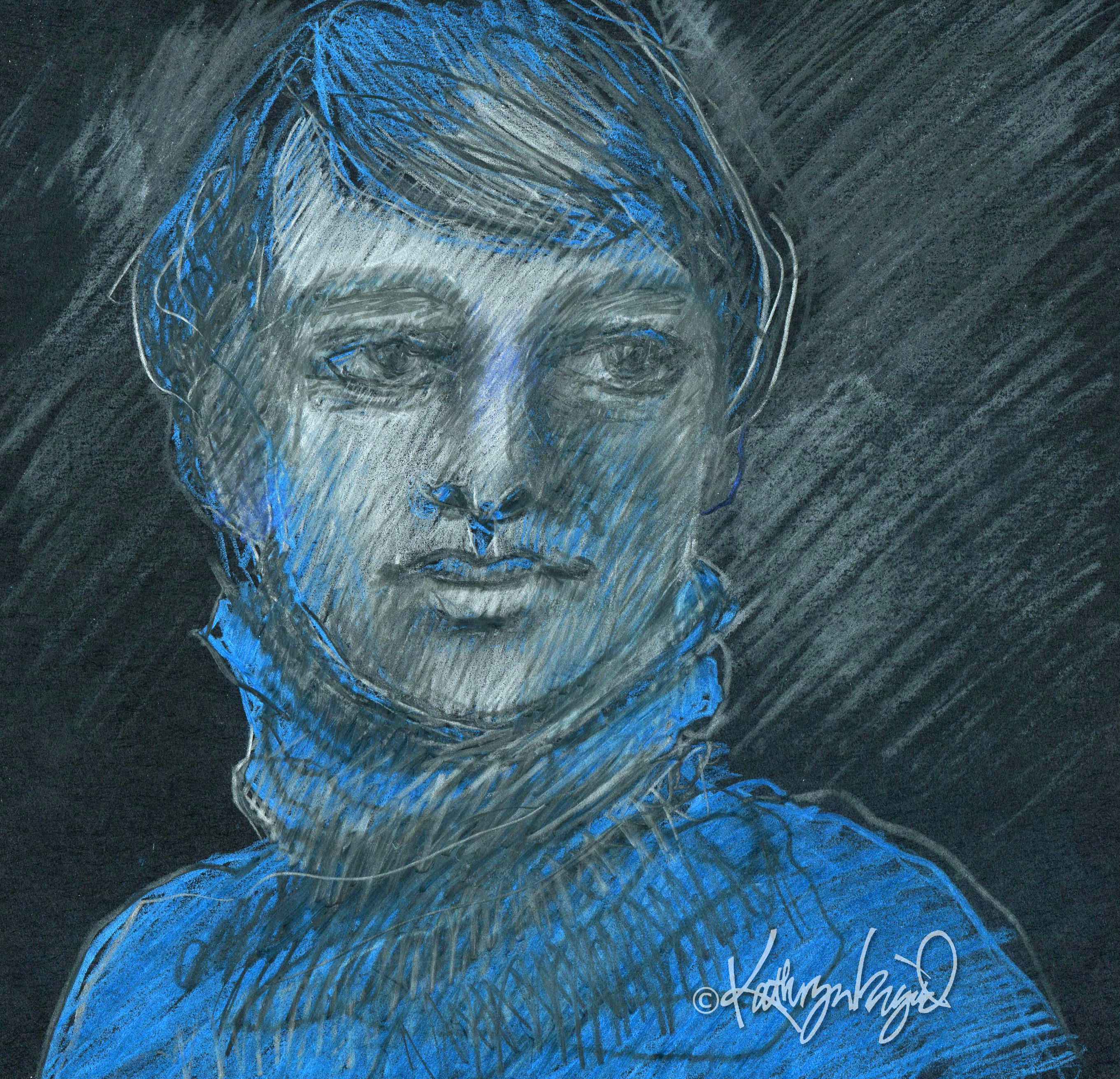
We are Feline Fine, Thank You

graphite drawingTransubstantiation

Fish-eyes ogles us, just to say

in that slippery longing way of his,

that sidelong gaping staring way,

‘I envy the cat that milady is.’

We ponder his liquid love, his fins,

and the way each turn makes him squirm and sink

in the tank (predicament for his sins?),

and we sit and groom ourself and think . . .

Can’t help but pity and love the poor

fish-eyes in turn; think biology,

its cycles, return of what’s been before,

carbon reclamation, and all that we,

with wizard knowledge, learned to admire

and along the way, to recognize

as an opportunity to acquire

matter remade thus if one only tries . . .

what we think is this: that a little fish

could become a cat, graceful, sleek and slim,

by means of becoming a dinner dish–

and on thinking that, we devour him.

Tools and Techniques, Ingredients and Inspirations

ink drawingSometimes the best way to get started with something new is to jump into something old and rethink it. Writing letters–really, reeeeeeally long and extravagantly detailed letters–to my friends and loved ones was a favored pastime for me in my youth, and only transmuted (rather than muted) over time. It’s not necessarily that I had so much to say, nor that it was terribly original, it was simply a pleasant way to keep my sense of the connection between us open and flowing freely. It was Relationship Anticoagulant for me, in its way. Most particularly because I happened to have friends and loved ones who indulged me by writing letters back in my direction.

Yes, the telephone had already been invented when I was young. (I heard that!) My letters weren’t even delivered by Pony Express, let alone chiseled on stone tablets, though those would’ve made nice doorstops, once read. But as I have never liked telephone chitchat overmuch and have always had a slight tendency toward commentary that could perhaps stand a little more editorial restraint, and most of all because I am so defined by my visual experiences, a written, tangible and yes, correctable medium like a letter suited my personality more.

I think it was at least partly that that led to my downhill slide into essays, poems, short stories and the various other Dark Magicks of creative writing. Maybe I thought that developing my fictional skills would make my long letters more entertaining and excuse their verbosity. But of course, when the mystical world of the internet appeared before me, it was inevitable that I should embrace its friendliness towards the mass production of verbiage and the speedy transport thereof unto all and sundry. “All” being my actual known connexions and “sundry” being anybody else who was incidentally caught in the overspray. The latter being people who, if they foolishly responded to my wildly flung words, were likely to get sucked right into the vast vacuum of joining my poor captive audience if I could manage it at all.

ink drawingWhen I figured out how to put visual images along with all of the wordy wonders, then Boy Howdy, I was off on a new tangent. And you’ve all seen just how tangential I can become. Why, just the other day . . . oh, see, there I go again. The additional enhancement of putting pictures with stories need not be examined here. You and I know that the telling of a tale not only frequently requires images for completeness and clarity but sometimes is enhanced and enriched by the presence of visual cues that lead the reader to start thinking about the stories tangentially as well.

I was of course drawn* in immediately by artists’, photographers’, designers’ and other visually rich websites and blogs (*this pun’s for you, yearstricken). Then I felt the magnetic, hypnotic pull of foodie blogs, with their perniciously gorgeous food photography. Glorious gardens and magnificent architectural edifices reached out of the ether to grasp at my ankles as I passed. Tripping, I dropped into the well of travelogues and vehicle- and furniture-restoration sites and aaaaaaaaaaaaaaahhhhhhh! It was the beginning of the end for this visually obsessed fool. Pretty soon I was swapping recipes and anecdotes, recitations and antidotes with all of my new Old Friends. I almost made a Freudian typo there and wrote Fiends, because of course I have been enchanted and enslaved by you all and am now helplessly in thrall, thirsting after the goodies you dangle in front of me on your every post until I succumb and retaliate with posts of my own.

ink drawing

So here we all are, the relatively new digital tools in hand, cooking up marvelous messes of every sort and, far from being penitent, diving ever deeper into the strange and cheerfully dangerous tangles of what we are collectively wreaking upon the unsuspecting of the world. What began as relatively innocent missives to sisters and schoolmates, great aunts and great mentors has evolved into a different sort of Post that explodes with the weird and whimsical, the frightening or florid or sometimes just plain fishy, and whether factual or fictional, wanders the globe and the magnificent bubble of nonsense surrounding it, and the old urge to write a letter is made new again.

Now, I’ll readily admit that it’s every bit as possible to create fodder for the dustbin as it was all those centuries ago when I began writing my small-world tall tales and detailing them with quaint and creaky little scratches of “art”, and I’m quite certain that there’s no more sense and treasure sneaking in the hidden corners of my productions than there ever was. But I do find that the wider range of correspondents who really do have something to say in return, and the pleasures of the process of learning and using new and different tools for the conversation, immensely entertaining, energizing and inspiring. And I’d say that’s a paint pot of a different color.

ink drawing

Mrs. Sparkly’s Ten Commandments, I Mean Ten Questions. And More.

photoI am “It”. No, really, that’s not just my Godzilla-sized ego talking: I’ve been tagged, and I didn’t even know there was a game going on. So very like me to be caught unawares. Least I was wearing more than just my “underwears”!

Among the activities in which the denizens of Bloggervania indulge are those through which we unmask various bits and bobs of our selves for mutual edification or at least amusement. This can be dangerous or great fun, depending upon whom you ask what, but then that’s the way it always goes, isn’t it. The promise of a nice sunny afternoon swapping gossip over a cuppa suddenly turns into a sword-fighting bloodbath. Oh, no, that was the murder mystery I was reading last night. Never mind!photo

Here’s what I got asked, followed by my to-the-best-of-my-knowledge-true answers.

1.  Describe yourself in seven words.

I can do it in 1: Rich. Okay, here are six others, but they’re all extrapolations of the first: loved, happy, curious, privileged, encouraged, playful.

2.  What keeps you up at night?

Brain-spin. I’m a very good sleeper generally speaking, but if I don’t quiet my mind by bedtime and shut down the wacky-factory, there’s no telling how long it’ll keep me too busy to sleep.

3.  Whom would you like to be?

The best version of me I can manage. Too much work to figure out how to be anyone else!

4.  What are you wearing now?

Jeans and a comfy shirt suitable for doing chores between bouts of typing.

5.  What scares you?

Other people’s drama.

6.  What are the best and worst things about blogging?

In my circle, we all seem to experience the same basic risks and rewards: the risk of losing ourselves completely in the effort and time of dedicated blogging, and the reward of working amid and coming to respect and love such stellar folk as populate the blogging community. Come to think of it, that pretty much encapsulates what I think is good or bad about any activity for which one has a passion.

7.  What was the last website you looked at?

Retire Early Lifestyle, a travel, food, culture and off-the-beaten-path-living journal produced by the only friends I’ve acquired through online conversation before I began blogging, and a site that is simply a joy to visit.

8.  If you could change one thing about yourself what would it be?

Let go of fear.

9.  Slankets, yes or no?

I have three perfectly excellent reasons to Just Say No to Slankets: 1-The skill a perpetually freezing person develops for dressing in layers more numerous and impressive than those boasted by the best millefoglie, 2-A really cuddly husband, and 3-What, I need to make a bonfire out of my money because I don’t know how to wrap up in a plain blanket to get warm?

10. Tell us something about the person who tagged you.

John comes from good stock. By that I mean that he has great familial roots, and that they are such natural foodies that he learned early to appreciate and make excellent soups, among many other classic Italian dream-foods. He documents all of this, and much more, on the wonderfully warm, witty, artful and delicious pages of From the Bartolini Kitchens, all while being himself ever the debonair gentleman-about-town and as sweet as fragole.

Whom are you going to tag to join the quiz?

I hope I’ve not “double-tagged” anyone. I’ll just go alphabetically here, for fun:

  1. Antoinette at cooking-spree
  2. Bella at winsomebella
  3. Cyndi at cfbookchick
  4. Dennis at thebardonthehill
  5. Eden at litrato-ngayon

photoMy blogging friend Antoinette, she of the wonderful aforementioned site where you can learn from her expertise how to put “Love on the Table” but more importantly, the myriad ways she expands that love into a multitude of life’s little nooks and crannies, all with a measure of mindfulness and gentle good humor–this lady asked me yesterday the perfectly innocent question “how . . . do you do this?” Since the bellissima Bella (also tagged above) soon thereafter made a comment that begged the same question, and I have fielded a few inquiries in a similar vein over the last six months of blogging, I am going to take the self-indulgent opportunity to spout off a bit on the topic today.

Many folk simply wonder how it’s possible for me to post a new and (mostly) different essay, poem, story or combination of them, illustrated with my own art and photography, every single day. They politely edge up to the corollary question of whether I don’t have a big closet full of old stuff that I’m just pinning up in public as I go. If it’s any consolation, yes, I have been producing things like this for a rather long time. Yesterday’s post (https://kiwsparks.wordpress.com/2012/01/11/what-were-you-born-in-a-barn/) is a perfect example: the cow sketch is from some doodling in a notebook nearly 30 years ago (and digitally doctored yesterday); the rooster and hens scratched their way into my sketchbook last year; the birds were among many sketched multi-panel proposals for a set of organ pipeshade carvings around 7 or 8 years ago; and the pastel of the Cheviot ewe and the Highland cow is from about two years ago.

Some of the illustrations I use (photographic or drawn/painted) are completely, hot-off-the-pencil new, a few are practically archeological finds from my vast trove, and some are oldies that have been digitally “remastered” (dolled up or changed) to fit the occasion. Almost every visual image requires some tweaking or re-formatting for the blog medium or to better reflect and expand upon the text in some way. Regular readers will have noticed that I am not averse to using the images’ captions to try to intensify the relationship and relevance, ‘specially if the connection was a little tenuous or artificially-imposed at the start.

In addition, I do have a (digital) reserve of hundreds and hundreds of picture + text images like the ones I used on Tuesday (https://kiwsparks.wordpress.com/2012/01/11/its-foodie-tuesday-and-i-havent-eaten-yet/), set up like book pages, where I guess without knowing it I was practicing a variant of the sort of combined word and image that I’m now putting in this blog. I try not to dip into that storage much, if nothing else to prevent my getting lazy or stale or not producing anything strictly new. There is a remote possibility that they will someday in fact be used to produce actual books, but realistically, publishers are inundated with stuff they find much more relevant and exciting, and like most artist-types I hate the drudgery of trying to sort out the whole business end of book production. Hence my standing on this soapbox handing out free samples daily. And I thank you all for coming by Speakers’ Corner (though since I live in Texas I suppose I should pretend it’s in Rawhide Park) here for visits so I don’t die of neglect and boredom.

digital compositionThe prose of my posts is never older than a few days (and that, only if I happen to have gotten a day or two ahead in writing), but nearly always written on the same day the posts go online. The poems are a mix of old and new. I started wading in poetic and essayist waters as a mere stripling, and as long as twenty years ago spent a twelvemonth writing five poems a day for discipline. Yes, mostly short forms! A couple of years ago, I did a one-drawing-a-day year, and I’m gearing up to get back to somewhat more regular drawing and art-making, so hopefully I’ll be posting more ‘fresh produce’ soon, but having unused images in storage takes an nth of the pressure off of the blog production. As it is, the process takes me several hours of the day to get through both creating the post itself and the related correspondence.

graphite drawing + textAnd it does take time. I wouldn’t be able to do this other than extremely sporadically if I had a “real” job, that’s for sure. Working from home, I can keep up with laundry and cooking and housekeeping and that sort of thing without losing the flexible hours it takes to do this. That’s the big issue for me: I have a husband who values my art and writing enough to have supported my leaving my previous employment and kept us in financial safety with his own work, and that is a rare and fabulous gift indeed. Or a cruelty to you, if you happen to think I should have kept it to myself. But then, I like to think you’re all smart enough to not show up here if I weary you with my nattering.

Having noted that, I suppose it’s time to address the Why of it all. But that’s embedded in the whole Who-What-When-Where-How of it all, isn’t it. I do this because it gives me joy to play with words and pictures, and because I’m not necessarily cut out to do something else, and most especially because by sharing stories I find new marvelous and inspiring friendships and loves, and renew the best of those I already have, all of which serve to infinitely reinforce my knowledge that I am Rich.

mixed media collage

Gold, Mine (detail from a mixed media collage)
It’s Foodie Tuesday and I Haven’t Eaten Yet

When I was an undergraduate, our university operated on a semester basis, and required all lower-classmen to take a course during the Interim month of January. As the courses offered during that period were designed in part as a testing ground for future standard semester courses (‘experimental’), in part as cram-courses for catching up a missed class in compressed time or as courses that otherwise didn’t fit into the typical academic demands of a semester or involved travel, they tended to be highly desirable classes anyway, and I opted to continue my Interim studies during all four years of my undergrad education. It came in very handy in my senior year after I’d taken a whole semester of the previous year to travel in Europe (non-academically, but spending my school funds all the same) and really needed to finish school in 3-1/2 years rather than the full four to compensate.

But the real benefit of the system was that I got to take a delightful course somewhat off the beaten path of my degree each January. One year, it was ‘Chinese Conversation, Culture and Cuisine‘–a supremely entertaining class team-taught by two brilliant New York Jews and their Chinese grad student (the team in itself a refreshment in the midst of a perfectly fine ‘white-bread’ west coast Lutheran uni education). Two days a week, one or the other of our professors would lecture on Chinese history and culture, slipping in lots of anecdotal hijinks from their respective times studying in China; one day was a practicum devoted to classic Chinese cookery, and was needless to say the day of perpetual perfect attendance for and by all in that class, given how hungry undergraduates always are for good food; and one day was spent focusing on the development of Chinese written and spoken languages, with some rudimentary training in making Mandarin-like sounds and practicing the beautiful strokes of character calligraphy to accompany what the sounds should, at least, have meant, though I’ve no doubt that what we actually said translated as something much more in the comical-infant-to-international-crisis-causing range. One of the few things that’s stuck with me for all of the intervening years was learning that the proper greeting was not Howdy or Hey, Baby, but Have you eaten rice today? And of course, that is heart and soul of compassion and hospitality in any culture or language. Would that we all might operate more fully on the basis of that concern.photo + text graphicAll of this wisdom aside, I guess it’s hardly rare for anyone as food-obsessed as I am to generally forget to eat once in a while. Here it is already 18.00 hours and I haven’t eaten more than a handful of pistachios. And those, not recently. Tasty though they were, I imagine I might not be just dreaming that I could enjoy a slightly more substantial repast before long. But sometimes I think a little semi-fasting is not a bad thing, because it may, for example, begin to ameliorate any damage done to my innards, and any, erm, expansive qualities reflecting that internal damage in my out-ards, over certain recent holidays by a slightly over-enthusiastic or exaggerated sense of my capacious personage’s actual dietary needs. Also because, being frank here (though I generally prefer the name Frances/is, should anyone ask), a short period of partial abstemiousness only serves to enhance the pleasures of the simplest foods.

And that’s what I’ll have today: the simplest. A little fridge-cleaning bite while paused from a somewhat overweening stack-up of household chores left too long undone, messes unattended. But I can’t say that I’ve any objections at all to a little truly simple food goodness, so I shall indulge in that momentarily. I’ll leave you with some verses to chew upon until my return on the morrow. Bon appetit! Or as we say in my family, Vær så god. That’s far more appetizing, I’m sure, than what I would have said in Chinese, no matter how good my intentions.photo + text graphicphoto + text graphicphoto + text graphic

Foodie Tuesday: The Element of Surprise

One of the particularly attractive things about learning of a new cuisine or recipe is the way that it can introduce unexpected ingredients to mind and palate. Things that seemed commonplace or familiar are suddenly tinged with mystery, filled with puzzles and questions never before imagined. So much recombinant mischief can be made when a new ingredient–or a new use for one I thought I’d known–comes into play.

photo

Tomatillos

I’ve long known the delights of tomatillos. Salsa verde is a pleasurable variant of that endlessly flexible family of Mexican sauces best known in their tomato form, hot or cold. Usually made with chopped or pureed tomatillos in combination with onion, jalapeños, chiles, cilantro and whatever additional spices or lime juice the maker uses for her trademark blend, salsa verde brings a slightly lemony brightness of flavor and a zing of lively green to the plating of whatever magnificent assemblage of Mexican cuisine is in hand. As I love putting fruits of various kinds into my salsa cruda (or pico de gallo, the rough-cut raw and chunky form of salsa) for the bright, colorful, juicy and distinctive twists they can introduce to the party. Fruits are such glorious foils for spicy and savory foods that their addition has been popular for far too long for even a venerable geezer like me to credibly claim credit for pretty much any such combination. This is certainly a great reason to love tomatillos in spicy salsas.

The big surprise, for me (again, blame it on my innocence; blame it on my lack of smarts; blame it on the bossa nova) is that it turns out green is not the only color in which tomatillos ripen. So I bought these seeds for purple tomatillos, too, in high hopes of having an eventual opportunity for making some groovy purple salsa cruda. So cool! Unfortunately, the weather fairies of Texas had a little different slant, this summer, on the whole project and the poor little tomatillo plants, purple and green, couldn’t quite make it to full ripeness while being simultaneously strangled by drought. Pity. But one day I will make it happen. Then you can look for me to side my grilled salmon with a nice salsa cruda compounded of purple tomatillo, fresh peach, jalapeño, cilantro, lime juice and jots of salt, pepper, cumin, cinnamon. Fingers crossed!

photo

How nutty is it that I didn't know people could make and use acorn flour!

There are so many other magical goodies around in the meantime, things not so seasonally sensitive perhaps, that there’s no worry about going hungry while waiting. Flours, for one. Asian, Native American and other foodies have already known for eons that acorns can be a source of jellies, cooking and baking, not to mention much-needed nutrition in times of scarcity. Me, I had no idea that acorn flour is useful for so much in the non-squirrel kitchen. But now I’ve acquired a small stash of the stuff so I can remedy my ignorance soon. Yes, acquired–bought–I have no intention of being so marvelously industrious as is required for the long and involved process of soaking out the tannins and preparing the acorns for consumption when I don’t even know how successfully I’ll use the flour, let alone how compellingly palatable the results will be. Time and experimentation will tell. Promise I’ll keep you posted!

On the heels of that particular discovery, of course, I went off on an alternative-flour tangent and hunted for others of interest. I’ve done a bit of baking with almond flour before (almonds ground up, but not so far as to be turning into almond butter, a whole other sort of ingredient altogether and tasty and useful in its own right) and coconut flour as well, and both are godsend finds for one who’s wanting to reduce or eliminate grain-based flours for any reason in cooking and baking. I certainly like that they’re both mild enough in flavor to work for innumerable purposes and are able to be adapted to a large number of functions in different recipes. The next surprise flour that popped up on my radar was mesquite. Say, what??? Making flour from the leguminous seeds of the nearly unkillable weed tree that drives ranchers ’round the bend with its tire-puncturing spines and water-hogging monster tap-root? Well, proponents say mesquite meal has a nutty, “sweet, earthy taste with notes of cinnamon, molasses, and caramel”hard to argue with the allure of that. Needless to say, I look forward to seeing what can come of such a distinctive sounding ingredient.

photo

A rose is a rose is a remarkable herb . . .

Consider the rose: what has long been one of the most favored flowers, universally admired for its varied beauty, perfume, and rather astonishing adaptability to climate and environs is being celebrated as the herb of the year this very year. Rose water, candied rose petals, rose hip tea, rose petal preserves, classic Turkish Delight–the list of rose-based foods has been building over centuries and only adds to the popularity of this queen of flowers. But most of that sort of thing was far outside the ken of a girl growing up in modest middle-class America, and didn’t really attract my attention until I was well into adulthood. Even then, I learned that as delicious as the rose is, a little can go a long way. So as I was contemplating my angle for this post and thinking about how fascinating it could be to yet discover previously unimagined ways to invite the rose to the dining table and began to contemplate what numinous form that idea might take. What did I do? Like any culinary detective-wannabe of the modern age, I Googled, of course. I typed in “rose as herb” and there before my very eyes appeared a handy page trumpeting the rose as Herb of the Year 2012. You call it lazy detective work, I call it kismet. Po-tay-to, po-tah-to. –Say, wouldn’t sweet potatoes be interesting prepared with a faint infusion of rosewater, some white pepper and a bit of fresh goat cheese whipped in? Or is that all old hat and I’m just showing off my ignorant bumpkin-osity once again? Never mind, I’m going to get me some of that Herb of the Year and have some fun. Ladies and gentlemen, spoons up . . .

Foodie Tuesday: Lefse as History

digital imageMama’s Justifiably Famous Potato Lefse

[This is a recipe she developed in collusion with a group of faithful Old Norskies in Puyallup, Washington, one of whom added the strict instruction that the lefse must be rolled “so thin you can read a faded love letter through it”. I’ve spelled out the procedure here in my own words, so Mom can’t be blamed for that part of the recipe!]

8 c. cooked and finely mashed potatoes

1/4 lb. butter

1/2 T salt

1/4 c. potato cooking water plus 1/4 c. evaporated milk

2-3 c. flour + more for rolling the lefse

Take a gallon bowl filled with 8 cups of riced cooked Russet potatoes, still hot, and press 1/4-pound piece of butter into the middle of it. Put a generous 1/2 tablespoon of salt on top. Pour a mixture of 1/4 cup of the potatoes’ cooking water plus 1/4 cup of evaporated milk over the top of the salt. Mash everything together thoroughly and mix it with 2-3 cups of flour. This makes enough dough for 20 lefse. [Yes, Mom was likely to make a triple recipe or more for many occasions. Eat one piece and you’ll know why.]

The flour amount should start out as small as possible and only get the potatoes into a very light dough-like, rather spongy consistency, and not stick to your hands as you mix. The more flour added, the tougher and drier the finished lefse will be. Mom almost always did the potatoes the day before their appointed baking day, rolled the tender dough into logs about 3″ in diameter and wrapped them in cling film, storing them in a cool place. The fridge is forever too crowded at the time when you’re lefse-baking for festivities of any kind, so if the weather was cool enough, the potatoes usually waited overnight on the workbench in the garage in that state for their final apotheosis.

Baking day is invariably messy and laborious, particularly on the days of multiple batch preparation. One does best to have the correct tools for the occasion, and they are many and specialized. First, you really ought to have a lefse griddle, which is a flat, circular electric griddle about 18″ in diameter and capable of reaching around 500º F in temperature. You’ll also want some nice old flour-sack dish towels or linen tea-towels to stack freshly baked lefse between on the counter as you take them off the griddle. You’ll find it helpful to have a pastry rolling cloth on your work surface, because not only will it keep the lefse from sticking as easily to the countertop, it’ll also help hold the lovely texture of the lefse’s surface that is so ideal for carrying oodles of melted butter and other fillings.

Make sure to have not just a rolling pin but an actual lefse rolling pin, a wooden pin whose roller surface is scored to create the optimum texture: some are simply grooved with parallel lines around the circumference of the roller and others, like Mom’s, textured with a full crosshatch of about 1/16th-inch grooves). Most people using the lefse rolling pins also like to use a soft cloth sleeve over the roller, because (and you can guess how I know this), a very soft, tender and potentially super-sticky dough will create a remarkably gunky agglomeration in the grooves of the pin, and lemme tell you, it’s a serious undertaking to get that concrete out ever again. Think about how many of those little grooves are on a whole rolling pin. Think fondly of an early death. Nahhh, just cover the pin.

Last and not least, it’s good to have a really fine lefse turner. Yes, the person who will flip the lefse when it is appropriately birthmarked on one side with light brown speckling to give the other side its chance for equally pretty freckling, that person will be an important part of your equipment. But even more important is the modest sword-like object known in our household as a lefse turner. It’s a flat stick around a yard/metre long. Yes, it would probably be entirely possible to use an actual sword for the purpose, but if you did, what would you use to fend off the ravening lefse-starved Viking invaders whilst baking? You could probably use a yardstick. Then you might well benefit from the ability to measure your lefse’s circumference in the very midst of moving them from griddle to stack. My mother has two lefse turners of both great practical beauty and artful grace. Gramps handcrafted them from fine-grained wood, making a 3/16″ thick x 2-1/2″ wide handle end pierced with a hanging hole and tapering them down to a soft ovoid tip less than 1/16th” thick, each turner sanded down to perfectly smooth softness so that it feels as sweet in the hand as that aforementioned sword ought to do in a master swordsman’s, and able to slip its narrowest point easily under a magically tender hot lefse to lift it from the griddle to the cooling stack.

photo

Mama's lefse turners, handcrafted by her father, hang on her kitchen wall.

With your mise en place, off you go. Slice the log of soft potato dough into evenly measured pieces that, when you pat them gently into shape, are about the size and shape of a slightly smaller diameter, slightly thicker than typical hamburger patty (twenty pieces from a whole batch, if you remember). Keep them rather cool, so that they don’t become more difficult to roll–they’re sensitive enough as it is. Gently flour the outside of a piece of dough, pop it in the middle of a small handful of flour in the center of the pastry cloth and roll the lefse out into a circle of delicate, ethereal, dainty, lightly textured sheerness as big as you can fit on the lefse griddle–even a tiny bit too big, because it’ll retract a tad and shrink to fit the griddle as soon as it hits the 450-500º heat; test to see how quickly your griddle bakes the flatbreads without either scorching or drying them out.

You don’t want the baked lefse’s spots too dark brown–lift an edge and check occasionally as they cook. You don’t want too much flour flying around–always use the smallest amount you can get away with using. You don’t want the lefse too dry–they’ll dry a bit as it is, when they’re awaiting use. As you can imagine, during the baking day one works hard, gets hungry, and smells buttery mashed potato dough cooking, so some of the lefse will not live long enough to worry your pretty little head about any real drying-out problems with them. Some will have to be rescued from their intended wait immediately for slathering with beautiful melting butter and eaten instantly. After all, there are always some lefse that resist the most valiant efforts to make them into a perfect circle and choose instead to replicate maps of various continents, and once you get too far away from Australia-looking they’re just not going to fold into even quarters for the standard packaging and serving format and it’s best to destroy the evidence. It’s sort of like James Mason’s delightfully dry remark in ‘11 Harrowhouse‘ when he’s found apparently in the midst of removing the contents of a diamond safe: “I’ve eaten the inventory.”

What else is there to say? Roll. Bake. Lay a freshly-minted lefse flat on a clean towel and cover it with another towel. Roll. Bake. Lay the next lefse on top of the first and cover it with that top towel. Repeat until all of that carefully crafted dough is baked into giant, tissue thin circles of lightly moist flatbread. When the whole batch is done, either eat it all for supper or let it cool under its towel, carefully fold each piece into quarters and then package small stacks of the finished lefse in zipper bags for the counter, refrigerator or freezer, depending on how long until they will be eaten.

And what is all of this enormous effort for? Some, including members of my own family, would say as Grandma W said regarding lefse’s cousin kumpe (Norwegian potato dumplings) that it was “a lot of work to spoil potatoes”. Others revere them as the Norsk version of the Mexican tortilla, Middle Eastern pita, South/Central Asian naan, or any other culture’s soft flatbread. Making lefse is of course potentially a fine way both to preserve the Norwegian culture in both country and family, as well as a social event. You know me, though: Lazy Girl helped only when I had to other than in the devouring of the finished product. It was usually other relatives and friends that pitched in with Mom in the manufacturing of lefse. And it’s so fragile, both as a tensile object and in its moisture content, that it doesn’t taste good for very long.

So in my opinion, what this labor of love is about is, well, love. Secondarily, it’s about a great potato flatbread best hot off the griddle and smeared with fresh butter only, as it always was preferred in my family. Others like it best with sugar and perhaps some cinnamon sprinkled on it before it’s folded up and jammed into their mouths, and we would sometimes, if the day had grown extra long and laborious over multiple batches of lefse, make a heartier meal of it by making a sort of quesadilla out of a hot lefse with some cheddar or Jarlsberg cheese and thin slices of good ham folded and warmed inside, not a bad “sandwich” at all.

In any case, I can tell you that there are many who will vouch for Mama’s inimitable lefse as the archetype of all potato lefse. But then, you already knew that Mom is pretty much the archetype of moms, so what would you expect! As for Grandma W, she may be forgiven for thinking potato dumplings, and possibly lefse as well, too labor-intensive for their meager culinary payoff since she grew up in her immigrant father’s grocery store and might have considered it better to enjoy prepared foods in that Modern, American way.photoThat’s Grandma, by the way, the little barefoot girl in white, Christmas-tree-tipping Auntie Ingeborg behind her, with their parents and little brother and an employee (haloed in window light) in Great-Grandpa’s grocery store. Lefse or no, they apparently did have some fine food on hand! May all of you dear readers eat well–whatever you’re eating!

Hurray, Hurray, It’s Boxing Day!

photoChristmas was a genuinely Big Deal in my family’s household when I was a mere stripling. Not only were there the churchly obligations and celebrations inherent in a pastor’s (that would be Dad’s) profession but there was being in a Norwegian-American extended family quite fond of eating, partying and jamming into one or another of the aunts’-and-uncles’ homes, all thirty or forty of us, to mark the occasion with the annual family gathering of the season. There was the feasting, of course, with mountainous platters of lovingly baked Hardanger and potato lefse*, meatballs, and all of that tasty stuff, not to mention all of the traditional cookies–rosettes, fattigman, sandbakelser, krumkaker and the like–enough to get kids and adults alike surfeited with sugar for the rest of the week. There were the much-anticipated visits from Julenissen, who in a stunning development was a dead ringer for Gramps at his jolliest and arrived bearing a big burlap sack full of surprises stuffed into other surprises, and all secreted in a multitude of newspaper-mummified little packets that had to be carefully unrolled, unwrapped, unfolded and unwrinkled from the mass in the sack, one by one, to reveal anything from a single nut in its shell to a dime-store toy to a larger gift earmarked, one for each specific kid among Granny and Gramps’s–ahem, I mean Julenissen’s–much-loved passel of holiday-hyper children.

At home, Christmas Eve was the biggest day of the season, thanks to the Norsk roots on both sides of the family, and always included the midnight candlelight service but also usually had its own bit of household festivities, not least of them the opening of the gifts; only the Santa stockings were reserved for that “lesser” festival of Christmas Day morning. Perhaps the most distinctive Christmas Days were in the years when we would have some of the family, often from Dad’s side, at our house since they weren’t always at the big gathering of Mom’s much more extensive family. Then, if Dad’s relatives were with us on Christmas Day we might well do another post-Norway-inspired deed, moving the Christmas tree into the middle of the living room and circling it slowly, hands joined, while singing a couple of old Norwegian Christmas carols. Lest you get the wrong idea here, we were so far from the von Trapp family as to mostly stumble around in our circle, forgetting half of the songs that we only half understood anyway (the pantomime bits that went with the songs were the best part, for all that), and on two occasions our beloved great-Auntie Ingeborg tipped the tree right over. But of course it was entirely worth it to get through that ritual to reach the package-unwrapping mania that followed, so we dutifully did our attempted tree ‘song and dance’ without too much impatient grumbling. After all, the tree might get tipsy yet again if Auntie was with us, one hoped.

Christmas Day, if it risked being anticlimactic after the big splashes of family visiting and diet-busting and gift-giving on and before Christmas Eve, wasn’t without its own attractions. First and foremost, it was a day when we were allowed to recover somewhat quietly from all of the foregoing extravagances, always rather oversized and glamorous in our eyes because of the time spent with our crowd of cousins and the general extremity of differentness from the rest of the year. Not that we slept in, I imagine, because despite the family focus on Christmas Eve we young twerps certainly didn’t object to getting a morning surprise from the depths of those stockings we’d hung up by the fireplace, along with the expected in-shell nuts, coins and orange, the latter best enjoyed by rolling the fruit against a hard surface to release its juices, cutting a small square opening in the side of the orb and stuffing a sugar cube in the hole through which to suck sweetened orange juice. After the hurried discovery of the stocking-stuffers we could concentrate on Christmas breakfast; the best and most traditional of the offerings on that morning would be a big pot of Julegrøt, a sweet milky risotto-like rice dish best enjoyed with plenty of melted butter and cinnamon and sugar, with a blanched whole almond buried somewhere in the pot to provide the lucky recipient with a particularly excellent year to come.

All of this tells you that I came from family traditions with no special recognition of the Feast of Stephen, let alone a clue to the existence of the great traditions of Boxing Day. When I first heard that name I might be forgiven for having thought it was a reference to the fisticuffs that followed less congenial families’ stressful Christmas Eve and Day events, and later for thinking it a reference to the pugnacious behavior of those returning and exchanging imperfect or disappointing Christmas gifts to a thousand thousand overworked retailers. It was both a pleasant surprise and a relief to discover that while both of those aspects were undoubtedly real in some unfortunate lives, Boxing Day was happily celebrated in many more households than those where it was feared.

This year’s Boxing Day at our house will be spent in rejoicing at the chance for a peaceful recovery from the unusually busy return this fall to a combined university-plus-church choral season of ‘all choirs all the time’ for my conductor husband, as we’ve been happily immersed in that good craziness now since September. So I think it’s time to introduce yet another optional definition for the day’s name, perhaps, something along the lines of a ‘Day for willingly Boxing ourselves into the house incommunicado and attempting to reverse the effects of all the wild busyness and cheerful excess that has gone before’. With that, I bid you all Peace!

digital image

See the Blazing Yule Before Us! Or just past, or a year away . . . or, well, see the coziness and great pleasure of holidays well spent!

* Tomorrow: a recipe for Mama’s Justifiably Famous Potato Lefse

There is Not Enough Chocolate in the World

photo collage

This is the anniversary of one of the truly important days in world history. No, I’m not as confused as you think. (Not in that way, anyhow.) I’m not referring to Christmas and getting the date all wrong (nor Hanukkah or Ramadan or Eid or the Chinese New Year or Samhain and getting the date that much wrong-er). December the twenty-second is, in fact, the anniversary of the birth of my Number One Sister. And that is a very big deal.

Believe me when I tell you that there are not enough superlatives in the world to describe how fortunate I feel to have followed in her footsteps, even if I make up really cool sounding words for the occasion.

My big sister paved the way for me. She test-drove our parents through child-rearing for nearly a full two years before entrusting little me to their care–and hers. She trained them in the ways of infants and toddlers admirably, and continued to lead the way right through our developmental (emphasis on the last two syllables) years, both for the parental party and for her pesky little sister. Why, in fact, she didn’t “accidentally” lose me, sell me to a traveling circus or bump me off on certain occasions remains a complete mystery.

Instead, she was a great playmate and co-conspirator. She was both a good enough student to set up positive expectations of the family lineage when I followed her into her former teachers’ lairs and also enough of a strong-minded individualist that they dared not assume we should be compared–thank goodness, as not only were we always distinct in our personalities and tastes but she was easily a more natural scholar than I was and I’d have drowned in those expectations. And she was Firstborn enough to assert her right to test all boundaries and, occasionally, the parental patience, just enough to make my follow-up look that one necessary shade paler by comparison. That’s us in succinct terms, one might say: I’m pretty good at life’s tasks in general–learning, adventuring, inventing, enjoying–and she’s always a notch more substantively and colorfully so. The great thing from my perspective is that I never felt this as a shortcoming on my part but rather that I’ve lived in the presence of a fine example of levels to which I can aspire. I am working on it.

Meanwhile, back in the land of sisterhood, I have this amazing friend who was waiting for me the day I showed up for my first public appearance and has embraced, cajoled, guided, teased, taught, humored, chastised and entertained me ever since. The exemplar of Big-Sisterhood. One I can say anything to and ask anything of, and she still loves me. Even when I’ve been utterly unlikable (I know, it’s hard to believe I’ve ever been a stinker, isn’t it!), she’s stuck by my side. Or at least waited somewhere backstage to reclaim me when I finished my big scene.

Now, I won’t immerse you in treacly lies and say that I think anyone is perfect, not even my sisters, as fabulous as they all are, but I wouldn’t dream of changing a thing. When I showed up on the scene I was immediately gifted with a built-in mentor and companion, and that has never altered. So when I say Happy Birthday to my big sister, it’s always doubled by my sense of having received her as my own first birthday present too.

From that point forward, she has been coaching me in all of those skills and arts most meaningful in living a full life: curiosity, assertion of self, living by one’s convictions, passion for those people and things that matter, playfulness, generosity and a good appreciation of the ridiculous. She taught me, more than anybody else, how to laugh until my face aches and my lungs are bursting and tears are shooting out of my eyes as though I’d had a squirt-gun transplant. And she taught me the proper respectful adulation of all-things-chocolate.

How’s that for a long way of saying there aren’t enough words! But you know what I mean, especially if you have been lucky enough to have a sibling (let alone three) so worthy of hyperbolic paeans. Yes, I think it’s grand that all of those other marvelous and perhaps more widely recognized holidays and celebrations are right ahead, but I have every reason to celebrate this date with elation and a great deal of gratitude, so if you feel like raising a toast or hugging your sister or setting off some nice fireworks or sending my sister a chocolate cake (with chocolate filling and chocolate frosting and hot chocolate on the side) or anything, feel free to join right in and consider this a very worthy day for such things. Happy Twenty-second of December!digitally enhanced photo

Foodie Tuesday: It Makes Me Hungry Just Reading about It: Food for Thought

Julia Child. Jeffrey Steingarten. Ruth Reichl. Anthony Bourdain. Jane & Michael Stern. Calvin Trillin. MFK Fisher.colored pencil on black paper

Whether you have a Pavlovian reaction of immediate salivation when you hear any of those names (or get an instant craving for a perfectly prepared Pavlova), or you are filled with horror at the mere mention of them, you probably recognize that these are all persons associated with food, and specifically, with writing about food. For good or ill, they have collectively made a deeper impression on the palate of every would-be foodie in the Western world than any of us can even guess–even those of us that know little of the specifics of these individuals’ writings and gustatory opinions. Because the modern world does hold art criticism with a certain sort of reverence not usually associated with the arts themselves (obviously, those who determine the ostensible value of art must be much smarter and more reliable than those who merely make the stuff), and chases after those things that the most influential critics tell the world it should desire, or reviles that which they tell us we should fear or disdain. And where our tastes go, there go our wallets also. Soon to be followed by every shopkeeper and purveyor of ingredients and/or ideas related to said tastes. It’s the way we’re wired.

What attracts me to any of these, or other food writers, is that when at their best, each of them speaks not only with a truly distinctive and individual voice–but also writes as much about the context of the food as to give me a deeper and more delicious sense of its place within its cultural surrounds, in history, in each writer’s personal history, in the sciences of cookery that led to its development. Every bite we eat is potentially not only a small barrier between us and starvation but also is fraught with danger (want to talk about all of the discoverers of what wasn’t safe for human consumption?), full of potential for making memories that outlive and outlast every scholarly hour any of us ever spent on Serious Pursuits, and able to make or break meaningful relationships. We find, and lose, ourselves in what we eat and when and how and why we eat it, and these writers all carry that weight with such authority and finesse at times that there’s as much heartbreak in the description of a tender stalk of asparagus, as much ethereal joy in the coddling of one little egg, as though one were reading the great philosophers, the kings and queens among novelists. Oh, wait: all of those have also waxed wildly poetic on food from time to time; it’s how they connect with the rest of us too.

That this relationship between the ordinary and extraordinary can so blur at its own boundaries is precisely because food has such life-and-death power over us all and because we seek it, when we can, for its own allure.

So I am thankful, not only on a Foodie Tuesday but whenever I pause for such thought, that there have long been people who loved food enough to prepare and eat it–and to talk about it, study it, and yes, write about it well. Sometimes reading good food writing is almost like the actual eating of it; more often, it makes me desirous of both eating and knowing more of it. My parents and relatives and friends have trained me up in certain ways of cooking and eating, and the larger world offered numerous expansions on the ideals of both. And the great and good among food writers and critics and historians have pushed my horizons further in every direction. When I set out to put food on the table (or just directly into my mouth), it is most often done with a current of those thoughts they have inspired in me running through every move I make and every ingredient I take in hand.

I think, as a result, of how I first knew of various simple elements of cookery: ingredients, techniques, recipes and menus. Then I think of how I might wish to recombine them in the present moment. Who should be present. What is best suited to the occasion. How I wish to assemble it all. And off I go.

Spare ribs were an infrequent but welcome treat when I was growing up–infrequent because Mom’s method was of the boil-then-broil variety, a slow simmering on the cooktop in water or broth followed by oven roasting to finish with a bit of higher heat for caramelizing the glaze. I doubt that I ever requested her recipe for the ribs because I was too daunted by the amounts of time and labor required to want to fuss with any such thing. Ever so much later, here I am making them too, but with enough of a boost from kitchen rocket science to simplify them to a point where even Miss Lazybones is willing to make the (much more modest) effort, knowing that the ribs will turn out tender and juicy no matter what else I do with them.

My process, then, is simpler than the description of it will sound, and the ingredient list is flexible and easy to decide as well. I have (I believe I mentioned before) that dream-machine of lazy cooks, my home sous vide appliance [not a compensated endorsement but yes, I really do like it!]. It’s about the size of a very small microwave oven and even lives on our kitchen counter between uses because I have the luxury of a great expanse of countertop workspace. Sous vide cooking is the method of putting vacuum-sealed packets of food (plus, if desired, seasonings of various kinds) in a temperature-controlled water bath and letting the bath do pretty much all of the work except for final browning or caramelizing. I have a kitchen vacuum sealer, also a fairly pricy but mighty handy appliance as it allows for good freezer-proof packaging of meats and vegetables so they don’t spoil as quickly, and with the food-safe wrappings means that I can even put pre-seasoned packets directly from the freezer into the sous vide machine if I allow enough time for the frozen food to come fully to the correct internal temperature and stay there for the right amount of time.

The water bath cooking method is as old as the hills, really, though in olden times it required much more elaborate and ingenious ways of wrapping the immersible foods and a constant vigilance over the cooking temperature of the water bath that yours truly would never dream of undertaking. Sous vide mechanisms with automated water circulation and temp control can even be home-built by the mad-scientist sort of kitchen enthusiast. Me, I was gifted with a ready-made beauty by my kindly spouse. It cost quite a chunk of change, as you’d imagine, but the payoff for him is worthwhile, I think, when I actually endeavor to make such previously tiresome things as a rack of perfectly fall-off-the-bone baby back ribs.photo

Baby, Come Back to Me Ribs

[Special equipment: a food vacuum-packing machine and a home sous vide setup]

1 Full rack of well-marbled pork ribs

Spice rub

Butter

Barbecue sauce

I slash the rack of ribs in half and vacuum-pack the halves separately so that I can nestle the two together, thus making a small-shoebox-sized batch of meat that can fit comfortably into my sous vide and still be surrounded by water. For prep, I put each spice-rubbed* half-rack into an open vacuum bag with a pat of butter, then seal the packets closed, fit the two together snugly, and keep them in the fridge until start-up time. The evening before Rib Eating Day, I’ll immerse the conjoined twin packs in the sous vide. I use the machine’s handy printed cooking guide to choose and set the temp for a mere hair-above-minimum ‘ideal’ for ribs, and let them slowly melt into juicy morsels overnight. About a half hour before mealtime, I take the now soupy-looking packets out of the water bath, open the bags carefully over a sauce pot and drain all of the extra juices into it for boiling down into a nice quick base for the barbecue sauce, and while that’s heating up, very delicately (as they’re now falling apart) dress the rib racks with some of the prepared barbecue sauce** and put them, in a 9×13″ or larger baking pan, under the broiler to brown them nicely for serving. Watch out for burning! When they look and smell enough like candy that you can’t wait any longer, grab them out of the oven and rush them to the table. Hopefully, everything–and everyone–else has been gathered on or at the table beforehand, so it’s all ready to go. Eat ribs with your hands, and become outlandishly messy. Wear your worst old clothes, because if you’re not all painted elbows-to-eyebrows in barbecue sauce by the end of the meal, you’ve definitely done something wrong. This is barbecue, after all. [If you eat these in summertime y’all can go out and run through the sprinkler afterward to wash up.]

Ribs go down wonderfully with a wide range of goodies. I like a Kansas City or Memphis-style rub and sauce (slightly spicy, sticky and sweet), so mine tend to be as follows:

* Spice rub: salt and black pepper; brown sugar; ground cloves, cinnamon, allspice, ginger, garlic powder and cayenne.

** Barbecue sauce: we love Corky’s (from Memphis, no surprise) regular sauce, so if I have some on hand I may well use it straight out of the bottle, just adding the concentrated meat juices I’ve cooked down. If I’m making my own BBQ sauce, I concoct something in a similar vein, using dark molasses, ketchup, tomato puree, the same spices as in the rub sans sugar, and usually some citrus juice (orange is great) and a splash of whiskey to coat the ribs for browning, and to blend with the meat juices for serving.

Side dishes: at our place, it’s likely you’ll see coleslaw and corn (creamed, on the cob, or cooked kernels of super-sweet corn are all pretty hard to beat); buttery mashed potatoes, fresh peaches and watermelon . . . of course, any good Southern side dishes are pretty perfect with ribs: a mess o’ greens (would that I had the late great Raydell’s delectably classic recipe!), biscuits or soft rolls with butter, grits, beans cooked down almost to disappearance with salt meat. Big ol’ pitchers of sweet tea. Some sweet potato pie or lemon cake to finish. Ohhh, my stomach is growling now. I’d better read me some good foodie scripture right away before I lose my soul. Help me, blessed Calvin Trillin! Save me, saint Mary Frances Kennedy Fisher!colored pencil drawing + text