


 R.E.M.
Under a slab
Of cement I sleep,
Wilderness heavy,
Sorrow deep;
Sorrow deep,
Archaeology old,
Running through
Corridors untold—
Racing the hallways
Of my dreams,
Ankles shackled,
With muffled screams;
With throttled throat,
I strive to wake,
Covered in cobwebs
I cannot shake;
Cobweb-bound,
Imprisoned in doom,
Under concrete,
In the dreamer’s tomb.
When the night is long and the day after it dawns dark and grim, sing. When winter is colder than the inmost heart of death and is finally supplanted by the least promising spring, empty of graces and starved for new, green life, sing again and sing out loudly as you can.
When age and infirmity and dangers of every kind are buffeting all the lovely youth and strength they can find in this sad world into terrible dust-devils of desiccated sorrow, sing with all your heart and soul and make the most tuneful, joyful, glorious prettiness that you can float into the air, and know that your song, no matter how wholly alone it may float up, is powerful enough to rise above it all. This is the only way that any of us will rise above it all. And that we will, so long as we sing.
 Much of the repertoire categorized as Early Music by us modern folk was, whether religious or secular in nature, directly connected with the ideas of Heaven and Hell. Not surprisingly, a great many of these songs used love–doomed or newly married, joyful or unrequited, chaste or wildly earthy, or whatever brand was of interest in the moment–as the vehicle for exploring the concepts of Heaven and Hell. We are only able to conceive of and interpret any grand philosophy or construct through the lens of the familiar, and best so, through what excites our attention and preoccupies our waking hours. Love, in all of its myriad aspects, is a logical choice indeed for such explorations.
The programs sung and played thus far this week at Berkeley have been unsurprisingly full of love, lust, longing and loneliness and all of their cousinly affections, then. I had to laugh when a humorous piece contrasting Heaven and Hell included text and visual references in the performance that made Hell seem remarkably likely to be just another name for Texas, but that’s merely a reflection of this same recognition factor that makes songs of love such a universal language, so globally appealing.The whole festival this week is in itself a fine microcosm and affirmation of this communal language, created by not only the sharing of these great and even the not-so-great pieces of music, but also richly by the sharing of our common interest in music and the arts and the newly fledged acquaintances and enriched relationships that come from our all crossing paths in this event, by coming together as it were to sing the same song and revisit our sense of love and its wonders.
Now, let the players and singers strike up another chord!
It’s easy to love the grand gesture. I’ll never say No to heartfelt generosity–at least as long as I don’t think the giver will be harmed by my acceptance–knowing how much it pleases me to know that others enjoy my gifts. But more than anything, it’s the smaller, maybe more intimate, maybe just more spontaneous, things that truly move me.
Sometimes amid the siege of an endless conference or workshop, a silently knowing meeting of eyes across the room is all it takes to get me through the whole rest of the event. Or it might be that one light pat on the shoulder as two of us pass each other hurriedly in the hall. The warm smile from the lady I met only last week that says she already names me Friend.

A letter from a grateful stranger. Who could know that just sitting and holding his hand for a moment could mean so much to both of us?
It’s certainly the one person who gently asks after the status of my current concern, whether it’s an upcoming test or finishing an important project or, especially, the health and happiness of my loved ones. That moment of being willing to ask, and of quietly listening to my reply, speaks volumes of kindness that wrap my heart and spirits in petitions and repetitions of comfort. And when words fail or have no place, there is the silent embrace of a gracious and caring friend.
To all of you who practice these beautiful arts, I say, Thank You. It means the world that you do, even–maybe, particularly–when we who are on the receiving end of the exchange have no words or gestures of our own with which to respond and express our gratitude properly. The best that we can hope is that, borne up and our way made brighter by their light, we’ll be made strong and peaceful enough ourselves to pass along the gift to someone else who may not even know he was in need. Someday we, too, will be the one who asks.

The smallest kindness can bestow a deeply needed ray of light.
Moving at Speed
Everyone’s obsessed with speed
As though it were a grail,
But give the people what they need—
Not what they want—and they’ll
Discover much to their surprise
Alternative delights
That come in the more subtle guise
Of leisured days and nights
And find at last that racing lacks
The lure of lying low,
Avoiding rampant heart attacks—
Instead, loving the slow,
The thoughtful, easeful lassitude
Of living at snail’s pace,
And savoring those motes of joy
Bypassed by those who race
 Nearly Endless Cycles
We pedal around at a furious rate
Just as though we’d outrun finitude, death and fate
But the truth of the matter, however we flee,
Is we’ll all still die off—that guy there, you, and me.
Windows and doors
Are metaphors—
But also real
Gateways.
So: are Yours?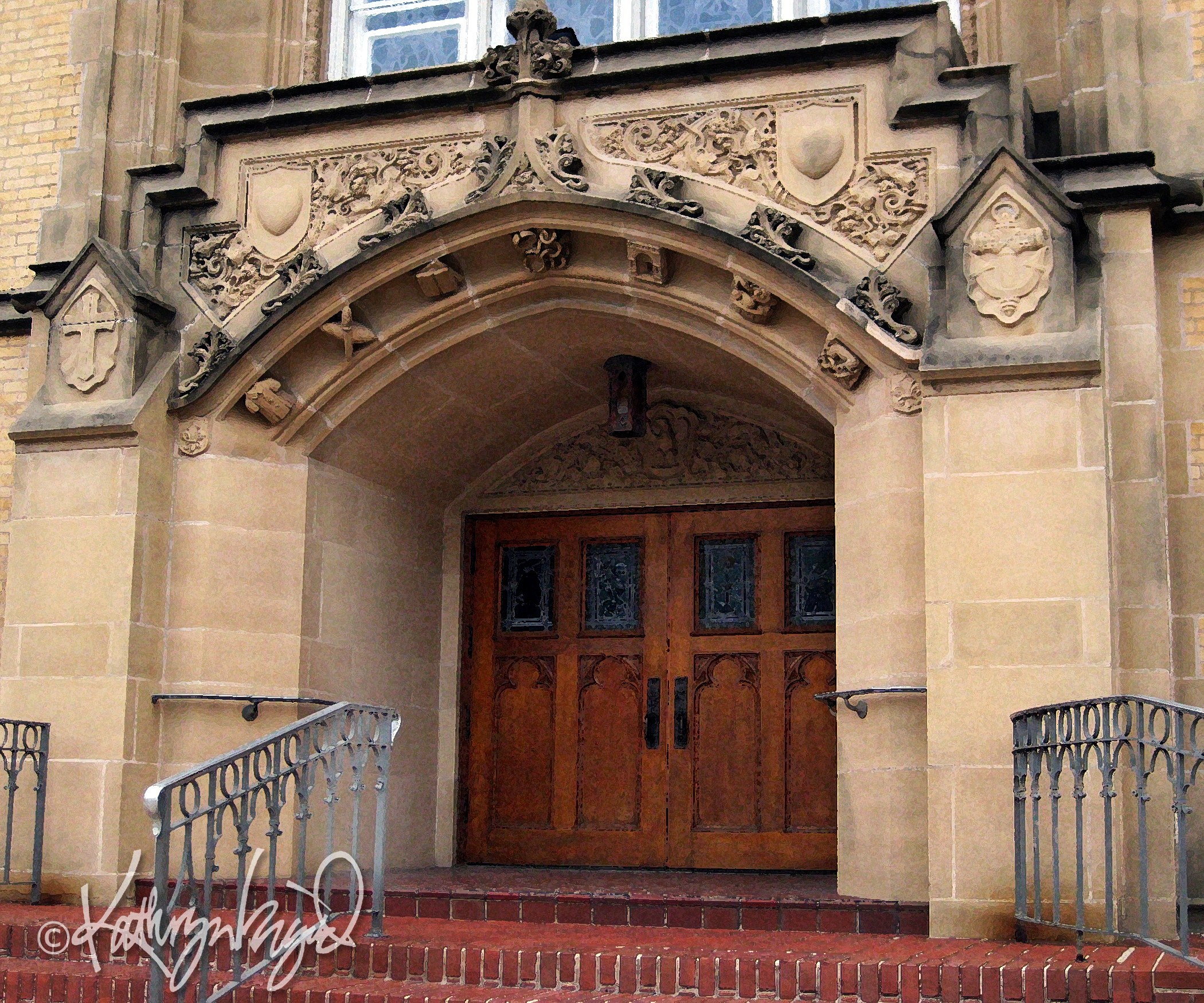 How open to change?
How closed in fear?
Do you throw them wide
When a friend
Comes near?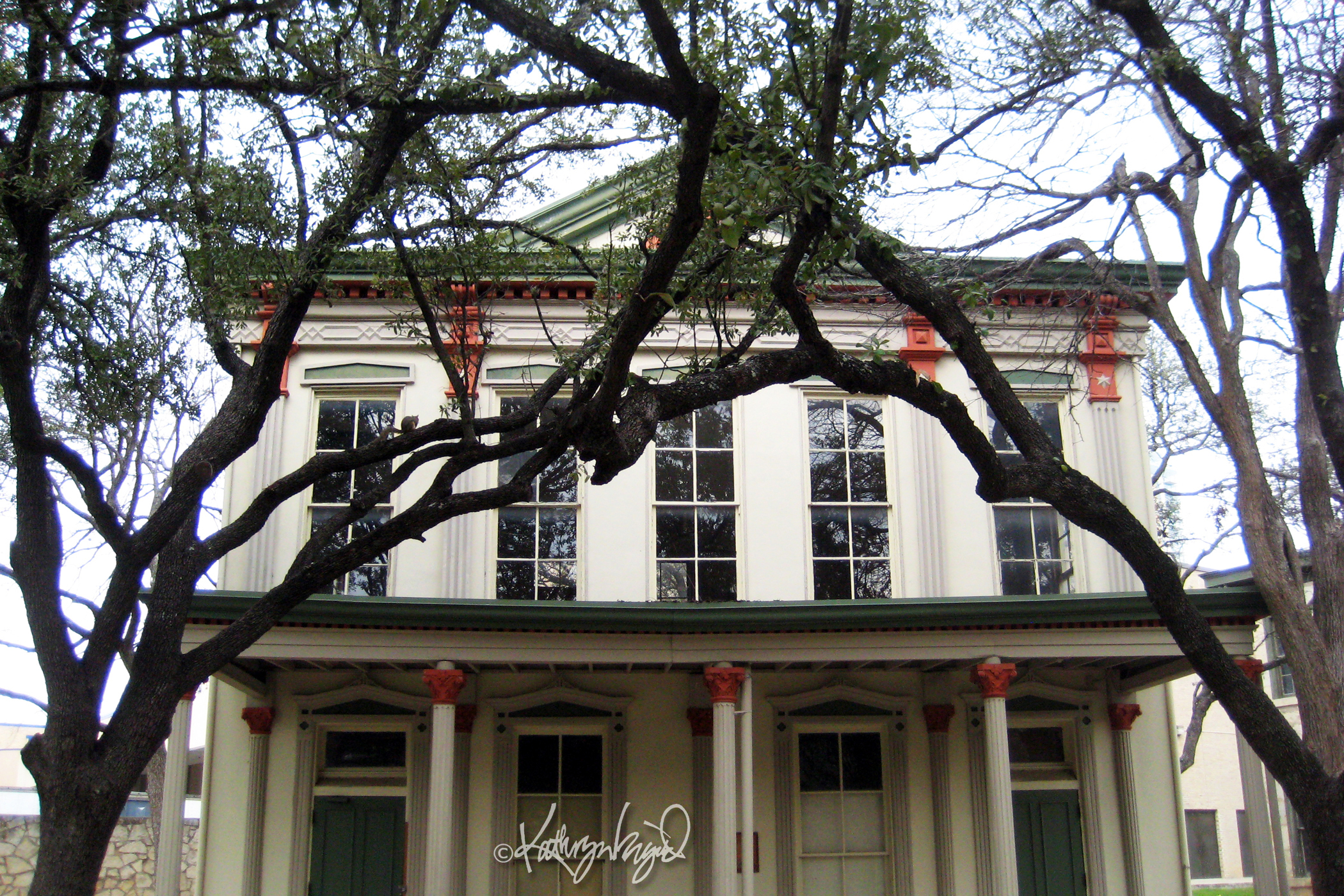 You can bar the way
And lock out
All storms—
But have you
Barred Chance in all
Its forms?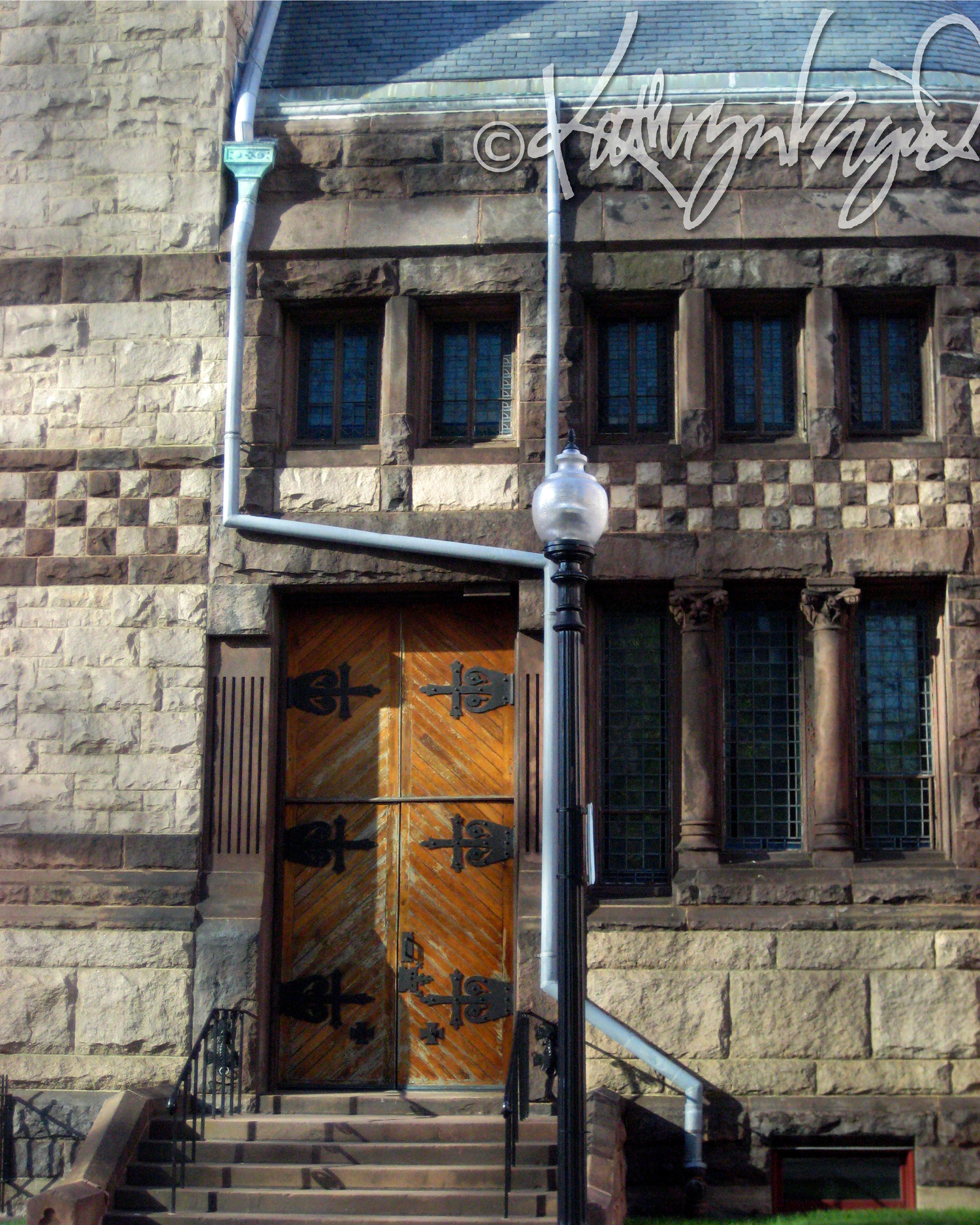 Are your windows sealed
To stop the rain
So tightly that
No light can gain Entry anymore?
Is your door of steel
Holding off
New joys
For fear you’d feel?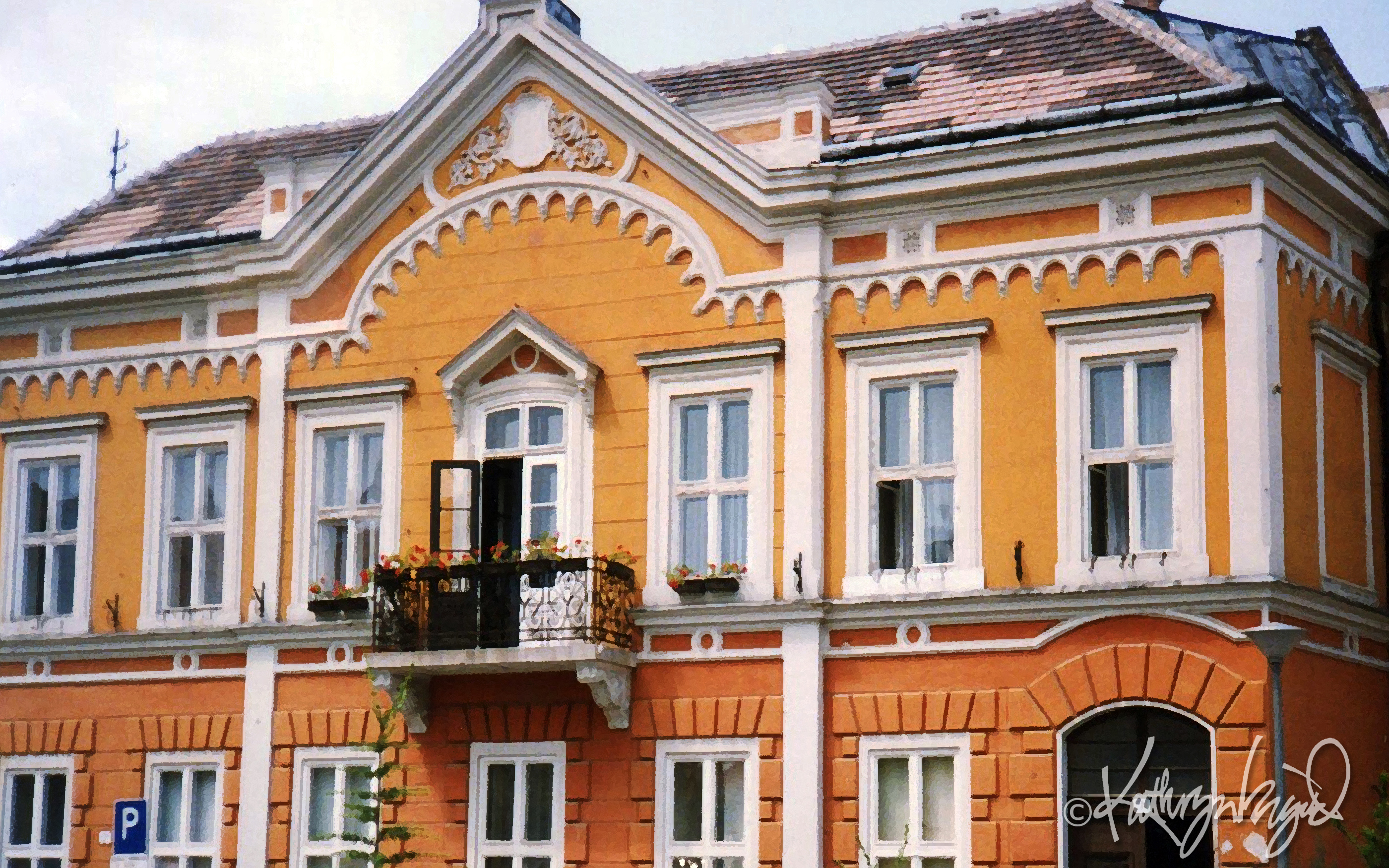 Throw open the sash!
Swing wide the door!
Adventure is what
This life is for.
 The road is long; the way grows faint,
But with a song and no complaint,
I’ll walk it more at peace and ease
If you will shore me up, and please:
Your love for me is deep, I know,
Yet sing me to sleep and let me go— A path unclear as nighttime draws
Me ever near its end, because
I’ve had full count of wealth and known
Such joys a fountain might be thrown
Beyond its rim in rushing streams,
So if grown dim, the way holds dreams
Enough to lead me happy hence,
And I’ll not plead in self-defense:
Though ever deep your love, I know,
Sing me to sleep and let me go— Into the night that never ends,
Where dark is light, and waiting friends
And quiet rest and graceful peace
Draw every guest to sweet release
How-e’er the strain of verses went,
With this refrain as Testament
And Will: Deep is your love, I know;
Sing me to sleep and
Let me go—
 Naturally
Following the steps of Nature, in my time I’ll go to sleep
and slough off my human stature, an appointment I must keep
whether soon or late or sudden, whether willingly or no,
taking nothing, I am bidden, as to dust–beyond–I go,
to a deep cellular cellar, shut from day and gone from night,
simple mote or something stellar, eternally both dark and bright;
I’ve no grief at this my bedding down to death as time requires,
but will go with no regretting to new lands and distant fires–
or to deep chasms’ silent spaces, nothing moving, nothing moved,
nothing touched by ills or graces or by sweetness I once loved,
for my thoughts will too lie resting, speechless, dreamless, all release;
all exemption now from testing, seamlessly wrapped up in peace–
So I’ll leave you, soft, in quiet
naturally inclined to sigh
with something of
relief, a sigh yet
not of sorrow,
when
I die Reawakening
Winter now is past, forgotten swiftly as the melting snow,
as the things that children know slip away in quilted cotton
while they sleep: tomorrow, calling, beckons them to newer days
and to pleasures yet a haze on the edge of nighttime’s falling–
sorrow dissipates, as ices rimming rivers melt apace
in spring’s warm return to grace the Earth with all her sweet devices
Love, awake! The gentle keening of the season’s herald bird
is from barren branches heard, calling them to leafy greening,
calling from the snows of death all who have lain sleeping, dormant,
seasoned with dark winter’s torment,
to return to life
and breath


 Art-Colored Glasses