Foodie Tuesday: Lefse as History

digital imageMama’s Justifiably Famous Potato Lefse

[This is a recipe she developed in collusion with a group of faithful Old Norskies in Puyallup, Washington, one of whom added the strict instruction that the lefse must be rolled “so thin you can read a faded love letter through it”. I’ve spelled out the procedure here in my own words, so Mom can’t be blamed for that part of the recipe!]

8 c. cooked and finely mashed potatoes

1/4 lb. butter

1/2 T salt

1/4 c. potato cooking water plus 1/4 c. evaporated milk

2-3 c. flour + more for rolling the lefse

Take a gallon bowl filled with 8 cups of riced cooked Russet potatoes, still hot, and press 1/4-pound piece of butter into the middle of it. Put a generous 1/2 tablespoon of salt on top. Pour a mixture of 1/4 cup of the potatoes’ cooking water plus 1/4 cup of evaporated milk over the top of the salt. Mash everything together thoroughly and mix it with 2-3 cups of flour. This makes enough dough for 20 lefse. [Yes, Mom was likely to make a triple recipe or more for many occasions. Eat one piece and you’ll know why.]

The flour amount should start out as small as possible and only get the potatoes into a very light dough-like, rather spongy consistency, and not stick to your hands as you mix. The more flour added, the tougher and drier the finished lefse will be. Mom almost always did the potatoes the day before their appointed baking day, rolled the tender dough into logs about 3″ in diameter and wrapped them in cling film, storing them in a cool place. The fridge is forever too crowded at the time when you’re lefse-baking for festivities of any kind, so if the weather was cool enough, the potatoes usually waited overnight on the workbench in the garage in that state for their final apotheosis.

Baking day is invariably messy and laborious, particularly on the days of multiple batch preparation. One does best to have the correct tools for the occasion, and they are many and specialized. First, you really ought to have a lefse griddle, which is a flat, circular electric griddle about 18″ in diameter and capable of reaching around 500º F in temperature. You’ll also want some nice old flour-sack dish towels or linen tea-towels to stack freshly baked lefse between on the counter as you take them off the griddle. You’ll find it helpful to have a pastry rolling cloth on your work surface, because not only will it keep the lefse from sticking as easily to the countertop, it’ll also help hold the lovely texture of the lefse’s surface that is so ideal for carrying oodles of melted butter and other fillings.

Make sure to have not just a rolling pin but an actual lefse rolling pin, a wooden pin whose roller surface is scored to create the optimum texture: some are simply grooved with parallel lines around the circumference of the roller and others, like Mom’s, textured with a full crosshatch of about 1/16th-inch grooves). Most people using the lefse rolling pins also like to use a soft cloth sleeve over the roller, because (and you can guess how I know this), a very soft, tender and potentially super-sticky dough will create a remarkably gunky agglomeration in the grooves of the pin, and lemme tell you, it’s a serious undertaking to get that concrete out ever again. Think about how many of those little grooves are on a whole rolling pin. Think fondly of an early death. Nahhh, just cover the pin.

Last and not least, it’s good to have a really fine lefse turner. Yes, the person who will flip the lefse when it is appropriately birthmarked on one side with light brown speckling to give the other side its chance for equally pretty freckling, that person will be an important part of your equipment. But even more important is the modest sword-like object known in our household as a lefse turner. It’s a flat stick around a yard/metre long. Yes, it would probably be entirely possible to use an actual sword for the purpose, but if you did, what would you use to fend off the ravening lefse-starved Viking invaders whilst baking? You could probably use a yardstick. Then you might well benefit from the ability to measure your lefse’s circumference in the very midst of moving them from griddle to stack. My mother has two lefse turners of both great practical beauty and artful grace. Gramps handcrafted them from fine-grained wood, making a 3/16″ thick x 2-1/2″ wide handle end pierced with a hanging hole and tapering them down to a soft ovoid tip less than 1/16th” thick, each turner sanded down to perfectly smooth softness so that it feels as sweet in the hand as that aforementioned sword ought to do in a master swordsman’s, and able to slip its narrowest point easily under a magically tender hot lefse to lift it from the griddle to the cooling stack.

photo

Mama's lefse turners, handcrafted by her father, hang on her kitchen wall.

With your mise en place, off you go. Slice the log of soft potato dough into evenly measured pieces that, when you pat them gently into shape, are about the size and shape of a slightly smaller diameter, slightly thicker than typical hamburger patty (twenty pieces from a whole batch, if you remember). Keep them rather cool, so that they don’t become more difficult to roll–they’re sensitive enough as it is. Gently flour the outside of a piece of dough, pop it in the middle of a small handful of flour in the center of the pastry cloth and roll the lefse out into a circle of delicate, ethereal, dainty, lightly textured sheerness as big as you can fit on the lefse griddle–even a tiny bit too big, because it’ll retract a tad and shrink to fit the griddle as soon as it hits the 450-500º heat; test to see how quickly your griddle bakes the flatbreads without either scorching or drying them out.

You don’t want the baked lefse’s spots too dark brown–lift an edge and check occasionally as they cook. You don’t want too much flour flying around–always use the smallest amount you can get away with using. You don’t want the lefse too dry–they’ll dry a bit as it is, when they’re awaiting use. As you can imagine, during the baking day one works hard, gets hungry, and smells buttery mashed potato dough cooking, so some of the lefse will not live long enough to worry your pretty little head about any real drying-out problems with them. Some will have to be rescued from their intended wait immediately for slathering with beautiful melting butter and eaten instantly. After all, there are always some lefse that resist the most valiant efforts to make them into a perfect circle and choose instead to replicate maps of various continents, and once you get too far away from Australia-looking they’re just not going to fold into even quarters for the standard packaging and serving format and it’s best to destroy the evidence. It’s sort of like James Mason’s delightfully dry remark in ‘11 Harrowhouse‘ when he’s found apparently in the midst of removing the contents of a diamond safe: “I’ve eaten the inventory.”

What else is there to say? Roll. Bake. Lay a freshly-minted lefse flat on a clean towel and cover it with another towel. Roll. Bake. Lay the next lefse on top of the first and cover it with that top towel. Repeat until all of that carefully crafted dough is baked into giant, tissue thin circles of lightly moist flatbread. When the whole batch is done, either eat it all for supper or let it cool under its towel, carefully fold each piece into quarters and then package small stacks of the finished lefse in zipper bags for the counter, refrigerator or freezer, depending on how long until they will be eaten.

And what is all of this enormous effort for? Some, including members of my own family, would say as Grandma W said regarding lefse’s cousin kumpe (Norwegian potato dumplings) that it was “a lot of work to spoil potatoes”. Others revere them as the Norsk version of the Mexican tortilla, Middle Eastern pita, South/Central Asian naan, or any other culture’s soft flatbread. Making lefse is of course potentially a fine way both to preserve the Norwegian culture in both country and family, as well as a social event. You know me, though: Lazy Girl helped only when I had to other than in the devouring of the finished product. It was usually other relatives and friends that pitched in with Mom in the manufacturing of lefse. And it’s so fragile, both as a tensile object and in its moisture content, that it doesn’t taste good for very long.

So in my opinion, what this labor of love is about is, well, love. Secondarily, it’s about a great potato flatbread best hot off the griddle and smeared with fresh butter only, as it always was preferred in my family. Others like it best with sugar and perhaps some cinnamon sprinkled on it before it’s folded up and jammed into their mouths, and we would sometimes, if the day had grown extra long and laborious over multiple batches of lefse, make a heartier meal of it by making a sort of quesadilla out of a hot lefse with some cheddar or Jarlsberg cheese and thin slices of good ham folded and warmed inside, not a bad “sandwich” at all.

In any case, I can tell you that there are many who will vouch for Mama’s inimitable lefse as the archetype of all potato lefse. But then, you already knew that Mom is pretty much the archetype of moms, so what would you expect! As for Grandma W, she may be forgiven for thinking potato dumplings, and possibly lefse as well, too labor-intensive for their meager culinary payoff since she grew up in her immigrant father’s grocery store and might have considered it better to enjoy prepared foods in that Modern, American way.photoThat’s Grandma, by the way, the little barefoot girl in white, Christmas-tree-tipping Auntie Ingeborg behind her, with their parents and little brother and an employee (haloed in window light) in Great-Grandpa’s grocery store. Lefse or no, they apparently did have some fine food on hand! May all of you dear readers eat well–whatever you’re eating!

Hurray, Hurray, It’s Boxing Day!

photoChristmas was a genuinely Big Deal in my family’s household when I was a mere stripling. Not only were there the churchly obligations and celebrations inherent in a pastor’s (that would be Dad’s) profession but there was being in a Norwegian-American extended family quite fond of eating, partying and jamming into one or another of the aunts’-and-uncles’ homes, all thirty or forty of us, to mark the occasion with the annual family gathering of the season. There was the feasting, of course, with mountainous platters of lovingly baked Hardanger and potato lefse*, meatballs, and all of that tasty stuff, not to mention all of the traditional cookies–rosettes, fattigman, sandbakelser, krumkaker and the like–enough to get kids and adults alike surfeited with sugar for the rest of the week. There were the much-anticipated visits from Julenissen, who in a stunning development was a dead ringer for Gramps at his jolliest and arrived bearing a big burlap sack full of surprises stuffed into other surprises, and all secreted in a multitude of newspaper-mummified little packets that had to be carefully unrolled, unwrapped, unfolded and unwrinkled from the mass in the sack, one by one, to reveal anything from a single nut in its shell to a dime-store toy to a larger gift earmarked, one for each specific kid among Granny and Gramps’s–ahem, I mean Julenissen’s–much-loved passel of holiday-hyper children.

At home, Christmas Eve was the biggest day of the season, thanks to the Norsk roots on both sides of the family, and always included the midnight candlelight service but also usually had its own bit of household festivities, not least of them the opening of the gifts; only the Santa stockings were reserved for that “lesser” festival of Christmas Day morning. Perhaps the most distinctive Christmas Days were in the years when we would have some of the family, often from Dad’s side, at our house since they weren’t always at the big gathering of Mom’s much more extensive family. Then, if Dad’s relatives were with us on Christmas Day we might well do another post-Norway-inspired deed, moving the Christmas tree into the middle of the living room and circling it slowly, hands joined, while singing a couple of old Norwegian Christmas carols. Lest you get the wrong idea here, we were so far from the von Trapp family as to mostly stumble around in our circle, forgetting half of the songs that we only half understood anyway (the pantomime bits that went with the songs were the best part, for all that), and on two occasions our beloved great-Auntie Ingeborg tipped the tree right over. But of course it was entirely worth it to get through that ritual to reach the package-unwrapping mania that followed, so we dutifully did our attempted tree ‘song and dance’ without too much impatient grumbling. After all, the tree might get tipsy yet again if Auntie was with us, one hoped.

Christmas Day, if it risked being anticlimactic after the big splashes of family visiting and diet-busting and gift-giving on and before Christmas Eve, wasn’t without its own attractions. First and foremost, it was a day when we were allowed to recover somewhat quietly from all of the foregoing extravagances, always rather oversized and glamorous in our eyes because of the time spent with our crowd of cousins and the general extremity of differentness from the rest of the year. Not that we slept in, I imagine, because despite the family focus on Christmas Eve we young twerps certainly didn’t object to getting a morning surprise from the depths of those stockings we’d hung up by the fireplace, along with the expected in-shell nuts, coins and orange, the latter best enjoyed by rolling the fruit against a hard surface to release its juices, cutting a small square opening in the side of the orb and stuffing a sugar cube in the hole through which to suck sweetened orange juice. After the hurried discovery of the stocking-stuffers we could concentrate on Christmas breakfast; the best and most traditional of the offerings on that morning would be a big pot of Julegrøt, a sweet milky risotto-like rice dish best enjoyed with plenty of melted butter and cinnamon and sugar, with a blanched whole almond buried somewhere in the pot to provide the lucky recipient with a particularly excellent year to come.

All of this tells you that I came from family traditions with no special recognition of the Feast of Stephen, let alone a clue to the existence of the great traditions of Boxing Day. When I first heard that name I might be forgiven for having thought it was a reference to the fisticuffs that followed less congenial families’ stressful Christmas Eve and Day events, and later for thinking it a reference to the pugnacious behavior of those returning and exchanging imperfect or disappointing Christmas gifts to a thousand thousand overworked retailers. It was both a pleasant surprise and a relief to discover that while both of those aspects were undoubtedly real in some unfortunate lives, Boxing Day was happily celebrated in many more households than those where it was feared.

This year’s Boxing Day at our house will be spent in rejoicing at the chance for a peaceful recovery from the unusually busy return this fall to a combined university-plus-church choral season of ‘all choirs all the time’ for my conductor husband, as we’ve been happily immersed in that good craziness now since September. So I think it’s time to introduce yet another optional definition for the day’s name, perhaps, something along the lines of a ‘Day for willingly Boxing ourselves into the house incommunicado and attempting to reverse the effects of all the wild busyness and cheerful excess that has gone before’. With that, I bid you all Peace!

digital image

See the Blazing Yule Before Us! Or just past, or a year away . . . or, well, see the coziness and great pleasure of holidays well spent!

* Tomorrow: a recipe for Mama’s Justifiably Famous Potato Lefse

A Sort of GPS for Traveling through Life

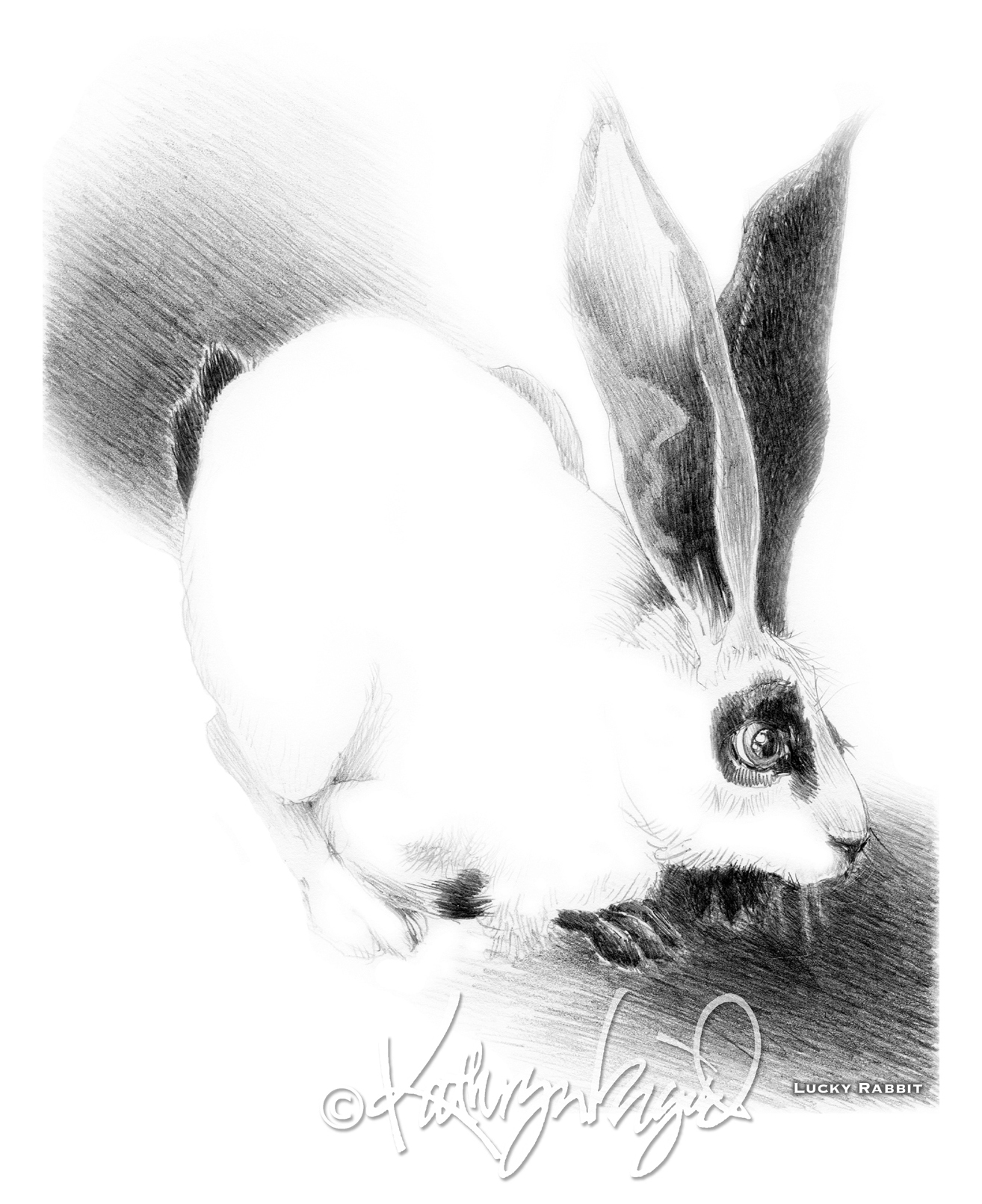
graphite drawingWhile I’m Rabbiting Around

Out in the widest open spaces, and the wildest places, too,

I have the tendency to racing ’round as rabbits tend to do;

I get a wild hair and I tear off just as often as I can,

Run all harum-scarum into Nowhere–yes, like any man,

Woman or child who senses freedom, hopping haplessly amok

With no goal or real direction, until suddenly I’m struck

With the knowledge I’m abandoned, lost, no compass-point in view,

Leaping like a rabid rabbit, with no hope, so far askew

From a purpose, from potential friends and comforts, joys and dreams

That I realize my running’s not the freedom that it seems,

That the beckoning horizon’s better when it holds a prize

I can dash toward, ears pricked upward, light a-dazzle in my eyes

And the scent of grand achievements drawing me to hare ahead;

All of this makes great the dashing and the derring-do, instead

Of tangential, random rambles, jumping pointlessly around,

And I’m glad to race and rabbit onward now, to higher ground
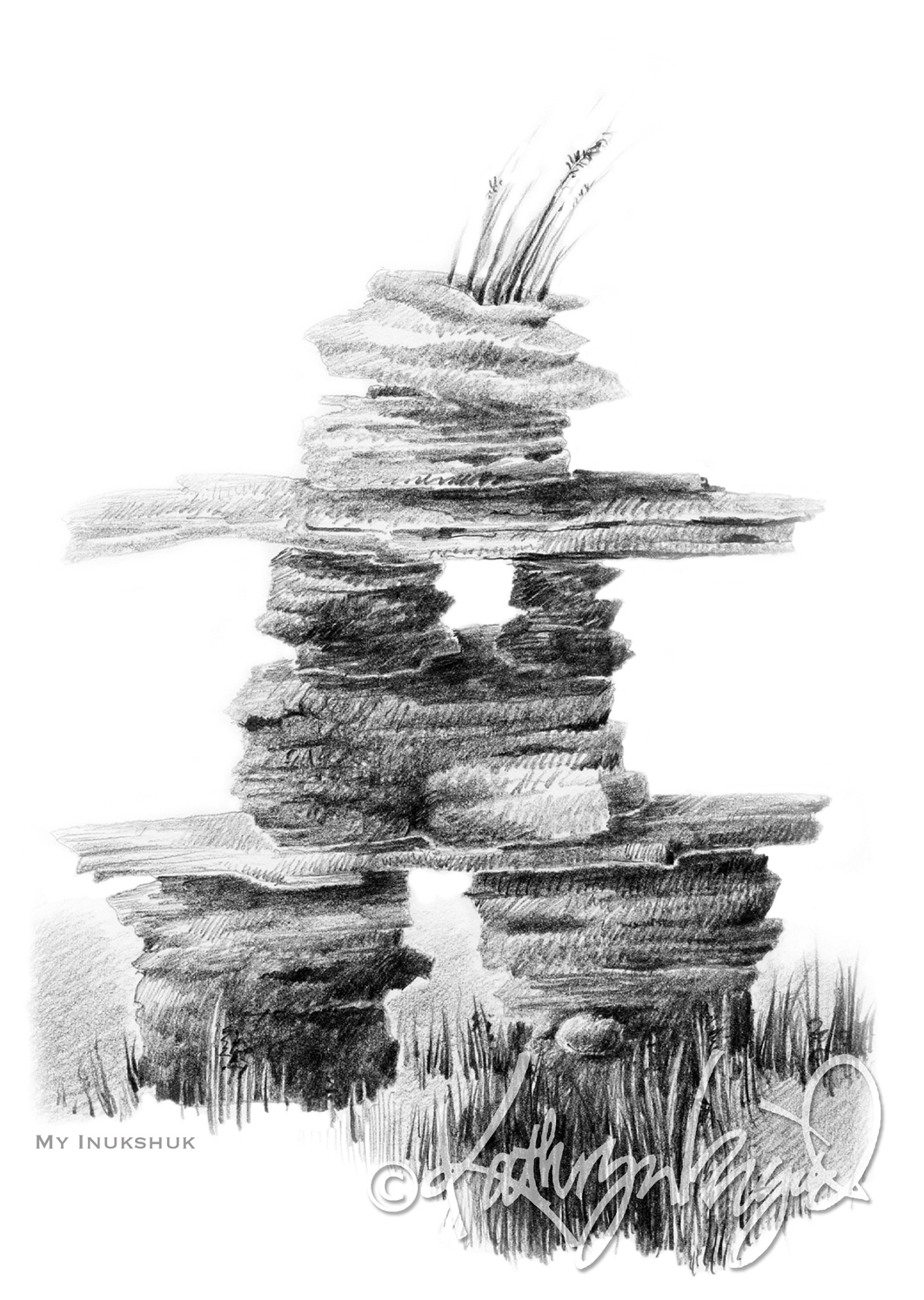
graphite drawingMy Inukshuk

Should I leave my friends a signpost

Where, I wonder, will it lead?

What will mark my place of passage;

Will it serve them in their need

For direction or for comfort?

Will it offer strength or hope?

Should I leave my friends a signpost,

Can it guide them up a slope

To a vista rich with promise,

To an exponential view

Always growing and expanding

With delight, as it should do?

Should I leave my friends a signpost,

I would like to have it guide

Them to grand and gracious places,

To that glorious countryside

Made of sweetness and of pleasures

Great as travelers can see;

Should I leave my friends a signpost,

Love is what the sign should be

Interludes

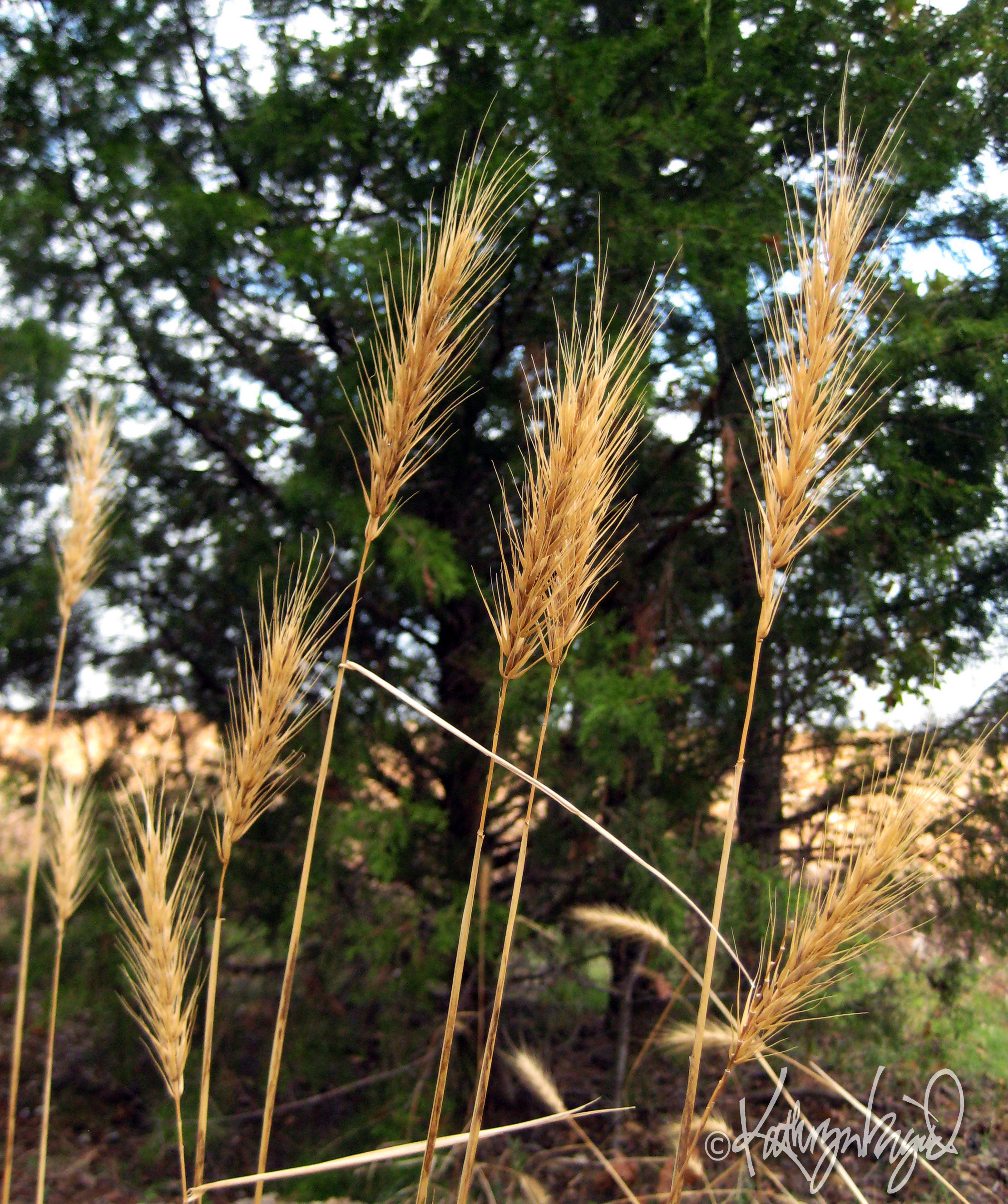
photoContinuity

Winnowing chaff from new-cut heads

Of grain, the girls toss up from trays,

Flat-woven from the grasses there,

The seeds in ancient ways

And let the antique wind blow out

The husks in clouds of gold,

Then bow back down to seek more grain

As in the days of old,

For nothing changes in the dance

Each time the story’s told.photo

Elixir

They all were young and fair who sat

Under the rustling summer trees,

The copper beeches, lindens; these

Broad green allées of hazel that

Gave shade and silver glints of sun

In rhythm with their part-songs, airs,

And with their sweet dallied affairs

While laughing brooks made haste to run

Away, as time is wont to do,

And youth, but these stayed young and fair

Forever in their summer air

Because their songs of love rang truephoto

“Mama, Where Do Baby Ideas Come From?”

graphite and colored pencil on paper

Ingvar Lidholm

Well, Honey, when a mommy artist and a daddy medium love each other very much . . . .

I can’t imagine that there is an artist or creative person alive who hasn’t been asked many and many a time where he gets his ideas or what inspired her to make this piece of artwork, write that song, take whatever photograph or choreograph any given ballet. In many cases, the answers are hard to condense into sound-bite-sized, manageable pieces for the occasion, because much creative endeavor is the tangible end result of a whole lifetime’s experience and train of thought, and we all know how often and how easily that particular train gets rerouted, redirected, diverted and derailed along the way.

But in general, most of us can point to pivotal moments that shaped our thinking, whether on an individual project or about our artistry as a whole. We can cite particular persons and their artistry that inspired and enlightened us and informed our own work as we grew. And for many of us, even we who are relatively late bloomers, a lot of the fodder for this inspiration begins early in life and creeps up on us subliminally to a certain extent.

I’ve already mentioned my long-ago irritation at being ‘bundled’ with Edvard Munch because of my Norwegian roots–and, of course, how ridiculous I realized that irritation was once I discovered that contrary to my belief, the more I got to know his work the more I actually admired it. Now, naturally, I take it as high praise (if perhaps hyperbolically so, though I’m happy to take it anyway) when my stuff is seen as meriting any such comparison.

My personal Style, if there is one, is defined more by a tendency toward slightly aggressive lines and bold coloration and faintly eccentric leanings when it comes to subject treatment than by any distinctive media, techniques or actual subjects. My affections in art are too fickle and my attentions too fleeting for me to be easily contented with any defined set of materials and topics and applications. But I find ideas and encouragement and guidance in the work of many painters, poets, draftsmen, printmakers, essayists, storytellers, architects, boat-builders, jewelers, botanists, lycanthropes . . . dear me, have I wandered again?

Part of the trick in pinning down who has been an influence on my work and where I’ve gotten my inspirations and ideas is that I’m very much a holistic, integrative and analogous operator, so in true Liberal Arts fashion I pull my many threads together from many divergent and possibly unrelated sources. The only consistent thing is that I try very hard to steal from the best.

My gifts are not musical, but I love music. So although my piano skills are fit only for personal amusement and my singing limited by spasmodic dysphonia and lack of practice to in-car singalongs and serenading my spouse with occasional outbursts of bent versions of formerly-familiar songs, I often work with music as my inspiring accompaniment. My paintings could be said to derive more from Aretha Franklin or Felix Mendelssohn, The Real Group or Tomás Luis de Victoria, than from Munch or Vincent van Gogh, though both of the latter have lent me many of my ideas about brushwork and coloration. My writing is more directly writing-derived, perhaps, but all of the favorite writers that spring to mind (Ogden Nash, Vladimir Nabokov, Dr Seuss, JRR Tolkien, S.J. Perelman, Gabriel Garcia Marquez, Tomie dePaola, Geoffrey Chaucer) are on my hit list because of the lyrical, even musical, qualities with which they treat poetry and prose. I love children’s books as much now as I did when an actual child, because the best of them of course comprise a perfect and literal confluence of verbal and visual imagery, something that becomes more deeply ingrained in me by virtue of drawing the senses together. And in that way, my writing is often led to incorporate certain textures and moods and colors or to carry a particular ambience by either pictures (real or imagined) or simply the weight of a visual experience I’m hoping to evoke with words. I’m no synesthete, but all the same I do depend on the interaction of all my senses to shape each of the creative works I’m developing.

I did once make an entire exhibition devoted to portraits of people (mostly historical figures) who had had influence of some significant sort on my art and my creative life, and perhaps the most telling thing about the gallery besides that I had deliberately filled it with nothing but portraits (a form I’d studiously avoided all along in my artistic journey until then) was that very few of them were of visual artists. Most were of composers, singers, and writers. A few were agents of social change, a couple were people I actually know, and a handful were influential in the philosophical or spiritual realms. The writers and musicians ruled the room. I doubt that would change hugely if I were to do such a survey of inspirational influences again. I do know that there would be a new character added, but I’m not certain how exactly I could represent in a portrait my network of online muses in blogdom.

acrylic and graphite on canvasboard

Igor Stravinsky

Our Hard-Earned Inurnments

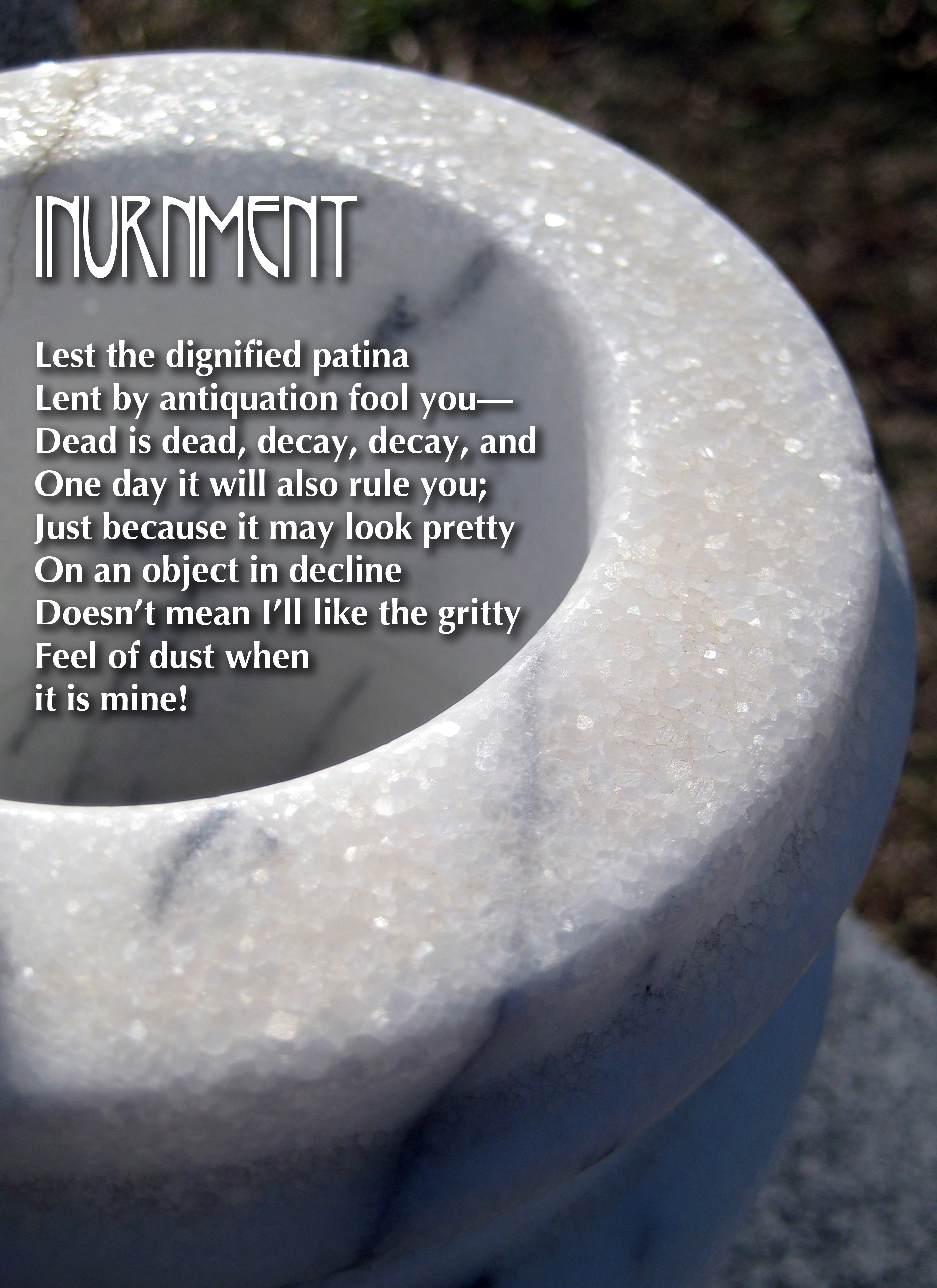
photo + textInurnment

Don’t let the dignified patina

Lent by old age fool you—

Dead is dead, decay, decay:

One day it too will rule you;

Just because it may look pretty

On an object in decline

Doesn’t mean I’ll like the gritty

Feel of dust when it is mine!

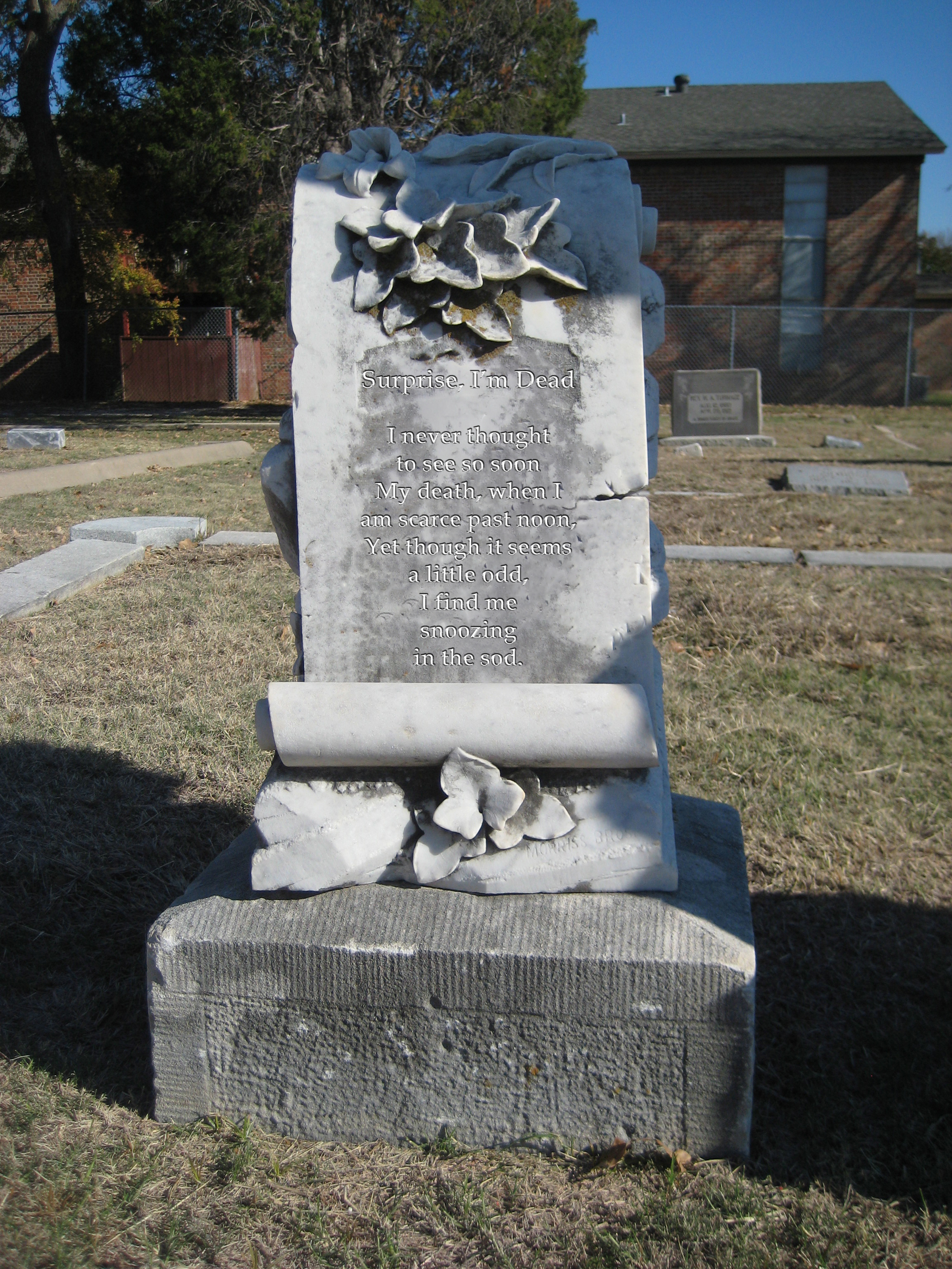
photo + textSurprise, I’m Dead

I never thought to see so soon

My death, when I am scarce past noon,

Yet though it seems a little odd,

I find me snoozing in the sod.

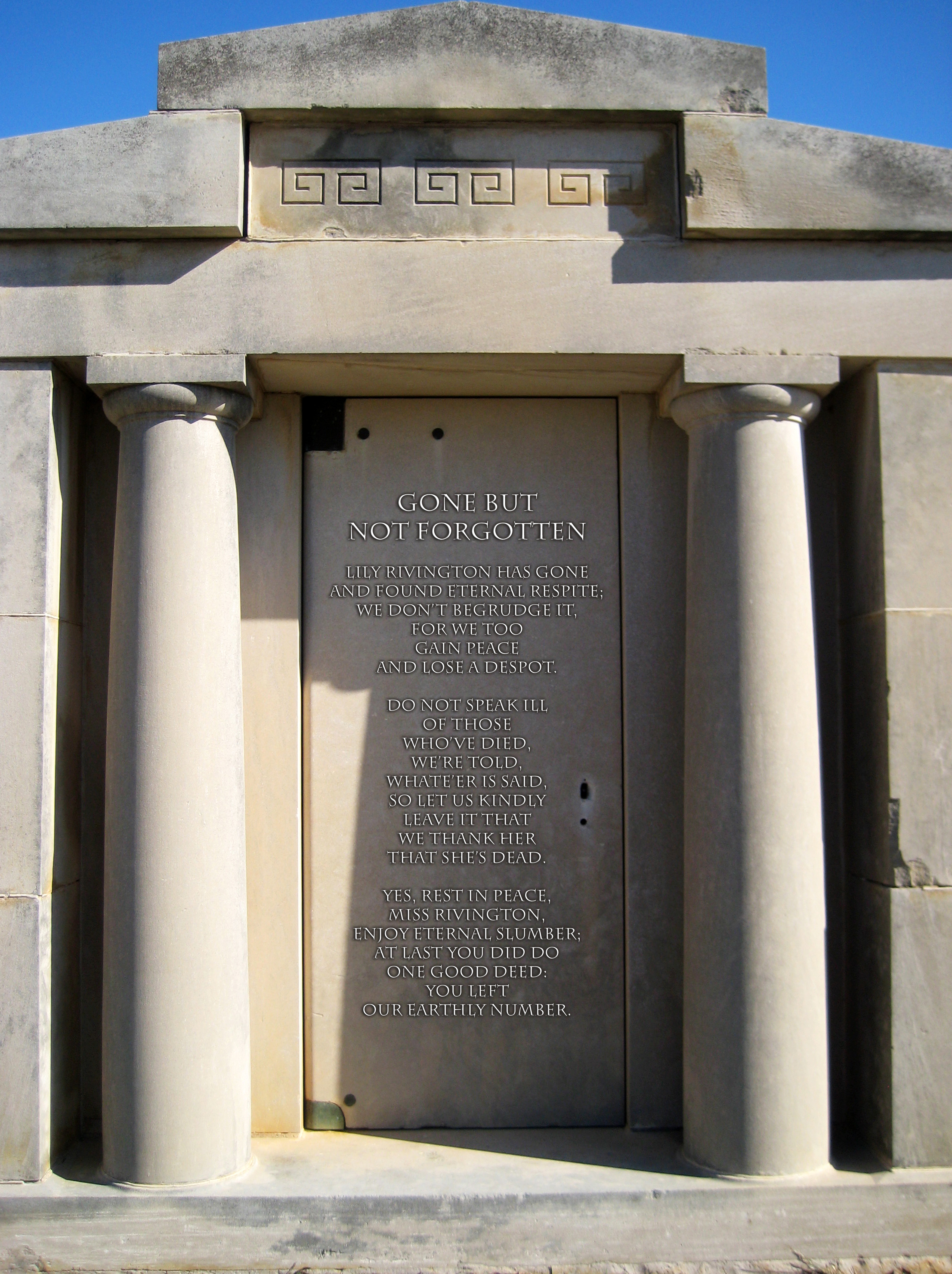
photo + textGone But Not Forgotten

Lily Rivington has gone

And found eternal respite;

We don’t begrudge it, for we too

Gain peace and lose a despot.

Do not speak ill of those who’ve died,

We’re told, whate’er is said,

So let us kindly leave it that

We thank her that she’s dead.

Yes, Rest in Peace, Miss Rivington,

Enjoy eternal slumber;

At last you did do one good deed:

You left our earthly number.

photo + textWish You were Here

I am having so much fun

It doesn’t seem quite fair

That I’m relaxing underground

And you are stuck

Up there.

In the Red-Dyed Greenery

photocollageGreen Thumb Caught Red-Handed

In the great garden of Madame Roussel

There grew, to her horror, a lingering smell

Somewhat out of keeping with feelings genteel,

Good graces and manners, and painfully real;

There came to her notice the knowledge that she

Was the harborer of a bold monstrosity

Fertilizing her flowers by means quite disgusting,

A potent decoction so grossly encrusting

Her sweet Potentilla and Rosa rugosa,

So gamey its stench went from here to Formosa;

Such a shame that the corpses kept coming unburied,

But this was the farthest that they could be carried;

Madame’s predilection for lilies and roses

Was matched by the murders done under the noses

Of neighbors and garden-fanatics and friends,

Some of whom, by the way, met their untimely ends;

In short, the career, the vocation, the loves

Of the dame with the blood-engorged gardening gloves

Could have gone on forever, and borne her much fruit,

Were it not that weight-lifting was not her long suit,

Nor was thorough disposal or digging deep ditches;

Who knew that her roses held such fertile riches?

Exposure, at last, was inevitable

When the soil in the garden grew just over-full;

Then “pushing up daisies” took on a new meaning

And oxidized bodies with fumes overweening

Began their announcements of odorous presence

In a way that Madame found to be an unpleasance;

It was nice while it lasted, a gardener’s thrill;

But for cheap fertilizer, it was overkill.mixed media drawing

Age Becomes Beauty

photos x2Ingrained

The salt and oil of his hand

are torment and life’s-blood both

to the volutes of the instrument

and to

the curving, sinuous surfaces of that

deep-burnished ancient bass—its sigh

at the mindful, guiding touch

of the hand

steady with certainty, knowing

the way from note to note,

from phrase to

singing phrase, without

reference anymore

to intent because

the thought, the meaning, the joy

and the intensity are all

as deep as heartwood in

the ancient tree that was

the bass’s former self.

Those days,

no bird

set in the boughs of the

grandfather tree

had sweeter voice

than the breezes piping softly

through its leaves, no, even than

the tiny song

humming through

the tree’s own heart, minute

and pale yet, sub-sonically, a hint

a whisper—in

the lyric capillary rise

of tree’s-elixir every spring

of the string-bass sound

far-off, unborn,

lying cradled

until called out

by generations, ‘til,

goaded with salt,

soothed with oil,

called

to speak again as its

nature insists,

under a musician’s hand.

photos x3
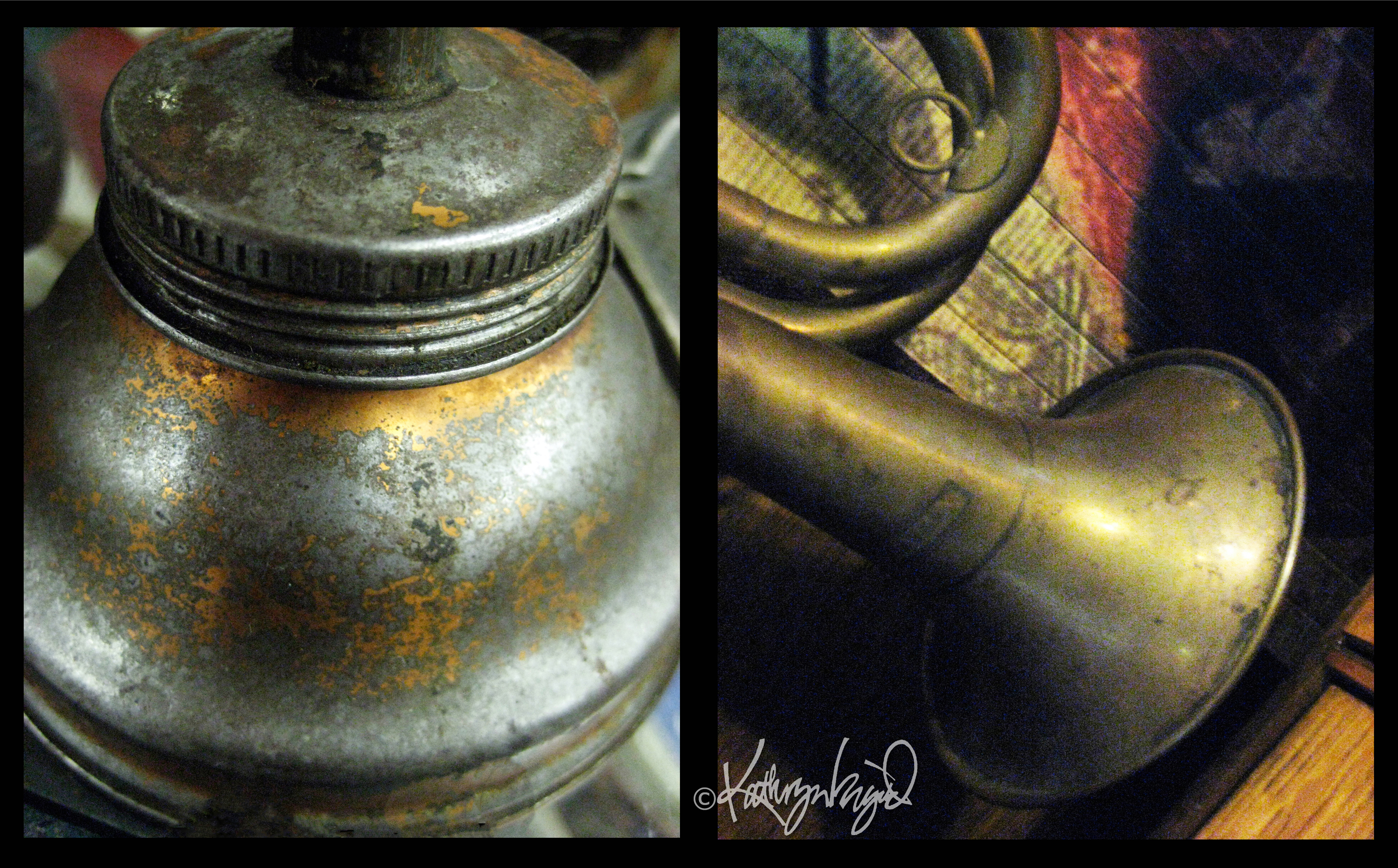
Well Worn

There is a dignity

And elegance to being worn

Beyond recognition as

The thing-that-was:

Once pretty, fully functional,

Well designed—It’s by

The fineness of this apropos

Well-suitedness for use

That things that might

Have been quite simple and

Quite plain become

The hard-used favorites

That by this aging then

As Beautiful

Become defined


Favorite Boots

Hard to imagine how much wear

It takes to soften down

The tough old boots I loved the best

And burnish their deep brown

Thick skin until it’s almost black

In places by the heel

And worn by stirrups near the shank—

But I know how they feelphotos x2
The King is Sleeping

Don’t go in—the king is sleeping;

Don’t barge in, disturb his rest—

All the bodyguards were keeping

Such good care at his behest

Up until a couple decades

Turned to several centuries

And the stalwart guardians made

A heap of dust fine as the breeze

And the palace came to crumble

And the country to decay

And the sands of time to tumble

To eternity, away—

Let the king sleep on in silence;

There’s no reason to awake

Anymore, to stir and rile and

See destruction come and take

From him all his kingdom’s treasures,

All he held and fought to own,

All his onetime loves and pleasures

Turned to silicates and stone—

Don’t go in—the king is sleeping;

History cries ‘let him sleep!’

While the passing age is creeping,

Peace is all he gets to keep

Skipping thro’ the Birchen Wood, I Thought I Spied a Whale

acrylic on canvas

Here in the forests of my imagination . . .

What wondrous light through yonder branches gleams? Would that it were the opalescent glow of glimmering brilliance coming to infiltrate my idle brain. Or perhaps, an itinerant faerie spirit heading my way, jeweled sceptre alit with inspirational powers to be bestowed on my waiting brow with only the lightest of touches. Even the wan incandescent light that flickers in welcome warmth when someone stops by and drawls, ‘Whooooa, cool poem, dude!‘ is an apparition that I welcome in these woods.

But left to my own devices, I am often content to play hide-and-seek with the absurd and ridiculous denizens with whom I myself people the copses and clearings. It’s hard to be bored when in the world of my imaginings I might just as well see a party of rhinoceri dining daintily on macarons and sipping mimosas as find the standard woodland chirpy-birds and curly-tailed possums. And of course I can find plenty of entertainment in the latter, should my rare white rhino friends fail to materialize on the occasion.

The who-what-when-where-why approach of old-time journalism is hardly limited, but so often is put to service in creating dull worlds that have no scintillation or silver-lined possibility of their own. Why should I merely recount the facts, if my friends and compatriots have the same at their own fingertips or floating in the ether encircling their own fevered brows? I feel much more compelled, drawn (and quartered) by the fantastical and unreal, and that doesn’t mean that I must limit my contact with the quotidian. In my view, the real world and everyday experience are both bursting with nonsense and bizarre occurrences that would challenge the sanity of anyone willing to look just slightly under the surface, a tiny bit off of the center of the frame. It’s this singing netherworld of oddity and mystery, of hilarity and not-yet-discovered realms of the heart and mind, that pulls me into its mystical swirl and mesmerizes me.

I am astounded when I hear tell of people admonishing artists and creative folk to give up their wastrel ways and do something Productive. Where these same critics expect inventions or discoveries of import, let alone life-enhancing pleasures and spiritual inspirations, to emerge if not from creative work and play I am unable to guess.

I’ve long since left it to others to describe what they tout as Fact and confirmed Truth. There are endless phalanxes of politicians and scientists and religious leaders, hover-parents and bosses, dictators and dullards, all of whom readily offer their convictions of reality whether I ask them to or not, so I learned that I’d much rather stick to my own version of reality and just see where it takes me.

Does this approach expose me to ridicule and censure? Of course it does. Anything anyone else tells you ought to be taken with an entire inland sea of salt, if it keeps you from swallowing nonsense wholesale. I certainly don’t believe everything I say!

But I did learn, when I bundled up my outsized cravings for outside affirmation in the dense wrappings of uneasy reality and flung them all out the casement, that any reality is somewhat overrated. That the lilac scented porpoises leaping in my own candy-colored seas were not only good company but sometimes took me along to actual places of learning and wholesome connection with genuine people willing to dive into alternate worlds too. And that I grew more deeply convinced that nobody is in such dire need of the strictly factual that their lives can’t be enriched, like mine, by the meandering, iridescent, depthless, deathless joys of curiosity and invention and hope.

acrylic on canvas

. . . and away I swam, bathing in the limpid phosphorescence of wonderment . . .

Lowbrow Criminal Activity for Fun and Profit

I confess, I would make a terrible criminal. See that? I already confessed, and I hadn’t even done anything underhanded yet. My mother is the one we kids always said would be the ideal wicked-mastermind, because she’s so incredibly good and kind and nice, nobody would ever suspect her. Of course, there’s the problem of getting anyone so genuinely nice and kind and good to actually Do Bad Deeds, so you can see that in practical terms our family is just not cut out for skillful bad-deed-doing.

So it’s conceivably a somewhat sympathetic chord being struck that makes me kind of like tales of really inept criminality. Yes, it’s also that the stories all end with comeuppance for miscreants, because if you’re really a clod among crooks, you will get caught, and I am after all a great goody two-shoes at heart. But maybe one with a hint of a mean streak, because it’s probably pure Schadenfreude that makes me truly enjoy tales of ineptitude among the nefarious.

photos + textHey, Who’s the Real Bad Guy Here?

One day I was evading the police pursuing me,

And by a mere coincidence, I bumped into a tree

That happened, oddly, by surprise, to tip onto a house

And through its roof, which crumpled down, startling a rabid mouse

That shot across the neighbors’ lawn and bit their Shih Tzu dog,

Upon which, he upended, deathlike, in aphasic fog;

The neighbor lady found him lying stiff-legged on the lawn

And started in with CPR* to save him, thereupon

Shocking the Shih Tzu back to action, sending him a-pounce,

As though he squirted from her arms, to give the mouse a trounce

That sent the rodent racing back to its familiar haunts,

And by the tree, it spotted me, quite startled for the nonce—

The both of us, indeed, taken aback for just that blink,

Until a second later it occurred to me to think

There were some coppers on my tail, and if I didn’t scram

They’d find me gaping at a mouse, and clever as I am,

I reached instead and grabbed the little critter by the tail

And strapped him in my seatbelt, so if any went to jail

It would be one that, anyhow, had terrorized a pet,

Whereas I’m just a burglar, and I ain’t bit no one yet.

[Note for my Canadian friends: not referencing the Canadian Pacific Railway here, although I suppose one could make the argument that running a train over an unconscious being might forcibly restart his heart with a powerful squashing, if it didn’t kill him outright]

photo

Rumors

Mellie’s tidy garden

Upon the gatehouse roof

Is rumored to conceal some things

Of which we have no proof.

It’s pretty for its own sake, yes,

With dainty flowering plants

But the idea it’s secretive

Is really what enchants

Roof gardens are quite magical

All of their own accord,

But we like thinking Mellie’s

Best, for hiding untoward,

Suspicious things not seen at first,

Perceived among the flowers,

But only yet imagine

In our impish idle hours.photo