They’re everywhere, I tell you, misunderstood geniuses and wolves in sheep’s clothing. The former, naturally, are a self-identifying group and the latter generally people who pose as, and more often than not, sincerely believe themselves to be, benign when they are in reality malignant. And it amazes me yet more profoundly to note how many humans manage to occupy the intersecting subset. A veritable embarrassment of riches, I say.
The Misunderstood Genius [MG] sorts I have known range from those with certifiably stratospheric IQs to folk I would deem more simply ‘certifiable‘, yet the number fitting into the truly brilliant bunch continually astonish me with their ability to be fantastically endowed with intelligence and ignorant or downright stupid in perfect simultaneity. The clear and incessantly demonstrated fact is that a high IQ has nothing to do with self-awareness, social skills, political acumen or just plain being right. While MGs are busy nursing their indignation over being ignored and repressed, made the scapegoat, under-appreciated, envied, maltreated and squelched by their personal versions of The Man, and muttering imprecations into their shiny academic loving-cups, their supposed inferiors are burnishing less impressive tools to get something real accomplished or merely live life.
Meanwhile, since the universe would so clearly be better (!) if it accepted MGs’ greatness, these people tend to see themselves as benefactors of the universe, if not its modest deities. Being misapprehended and under-admired is not proof, after all, that one isn’t fabulous. This is where the intersection of neglected magnificence and false-faced kindliness is nurtured. While there is a whole range of persons who present themselves as sweet and cuddly and kindhearted and are anything-but, right on up to full-blown sociopaths, there is this weird zone within it that is the dwelling place of those who think themselves unfairly ostracized or disliked. Whether they do so consciously or not, it seems to me that many MGs also build up quite a repertoire of acts wherein they play at sympathetic and philanthropic and other deliciously, invitingly admirable roles, all the while keeping a hand free to check on the availability of their ‘concealed carry’. It’s not only the guy in the clock tower that’s picking off passersby with his rifle but, more often, the one armed only with attitude that picks off everyone around, one chip of the communal atmosphere of support and collegiality and congeniality at a time.
Category Archives: History
That which is Seen
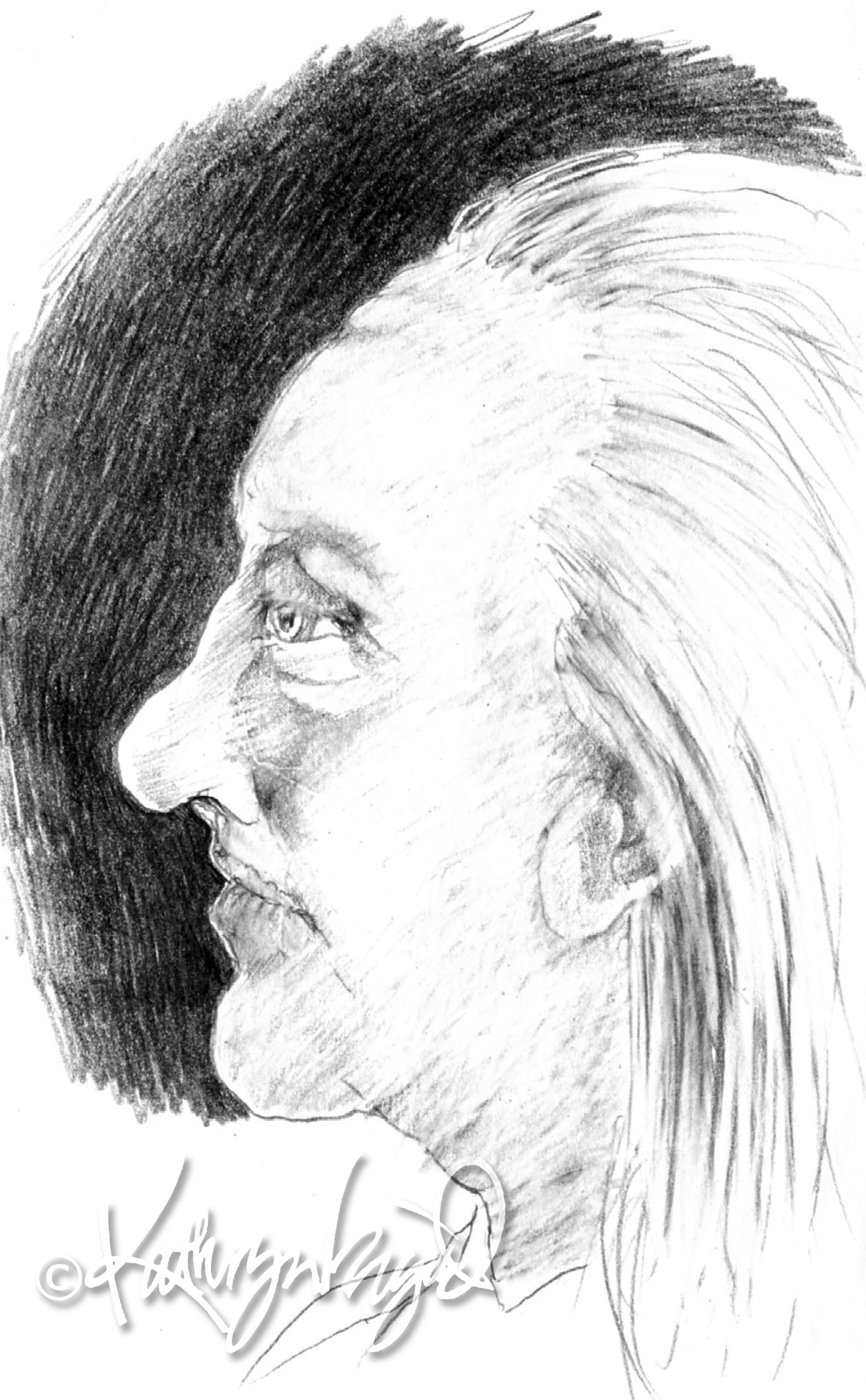
That which is seen by the untrained eye of the casual observer is an older man, an elderly man, perhaps a shell of his former self. Not someone with a lot of use and life adventure left in him. Handsome, perhaps, in his latter years, with this silver hair and these pale clear eyes, with his faintly stooping posture before a window where no single thing that’s new is seen; elegant in his quiet way, and maybe wise. But not more.
What cannot be seen is the forty-two years he spent working for the postal service, learning the business from the bottom up and eventually teaching not just the next generation that would follow him but the next after that as well. There is no way to know at merely a glance that he tended a beautiful garden on Sunday afternoons where he grew too many vegetables for his own table so he shared the rest around the neighborhood. Invisible, too, is the love he keeps alive for his long-dead wife of thirty years, except for the small bouquet of flowers he picks from that garden of his and gives to their son and his wife every Monday because they were her favorite blooms. Yes, the flowers and the kids.
In the plain little vase where those flowers live for the week, there is room for all that can’t be seen in one quick look at the profile of a man who sits and meditates beside a window. Only by taking the time to appreciate the fulness of that humble bunch of flowers and all that they have to tell can anyone really know what to see when looking toward that window’s light. It takes a certain clarity to see what’s right in front of you.
Damaged
Wars build walls
On a foundation of
Corpses–
The evil and
The innocent alike–
And what do the walls
Keep in?
Keep out?
How is it that
Battles can be declared
Won or Lost?
For both sides die,
Both parties always
Somehow
Lose land and goods
And certainly, soul;
Starve in the snow or
Roast in the heat,
All the while watching
The world they knew
Reduced to ugly
Holes and rubble and
Its storied walls replaced
By a fortress that
Is really
Only a new prison
Foodie Tuesday: Like, Totally Fried
A natural outgrowth of loving fat as I do is loving fried foods. There is a bit of truth in the claim that Texas is the heartland of all-things-deep-fried, and not only at the state fair (though that event lays a credible claim to being the epicenter of glorious fry-dom) but right on through this great and glorious state. Logically, living in this state should keep me in a state of bliss. As it happens, there are less than perfect and even somewhat horrendous fried foods (including at the State Fair of Texas, forgive me O sainted Big Tex), but there really are a whole lot of goodies that, no matter how swell they are from the beginning, get just that much better by virtue of bathing in hot fat until crispy.
My state of residence is far, far from the only place where recognition (or worship) of the marvels of frying food dwells. There is, of course, a long and respected tradition of such wonders, well documented in the great cuisines, from elegant tempura to calamari fritti (thank you, Chicago John!) and arancini, chiles rellenos and those magical Vlaamse Frieten of Belgian dreams. If it can be cooked, it has a good chance of being fry-able. Why, there are a number of foods that are treated to the process more than once, not least among them the ever-popular twice-fried tostones and Chinese green beans and leading up to such modern classics as that Southern inevitability, chicken fried bacon. Beyond that are the infinite possibilities of frying that the scientists of food never fail to pursue with great delight: long before state fairs all across the US got so seriously competitive about frying, to the point where they don’t even bother with any fatuous titular attempts to disguise the degree of culinary craziness and just come right out and call their recipes Deep Fried Butter and Deep Fried Sugar, there were pioneers of the art dunking candy bars, haggis, Twinkies [aficionados of the famed snack cake will be relieved that despite the demise of its American parent company the Canadian distributor appears to continue production] and pickled eggs into the hot oil at Scottish chip shops.
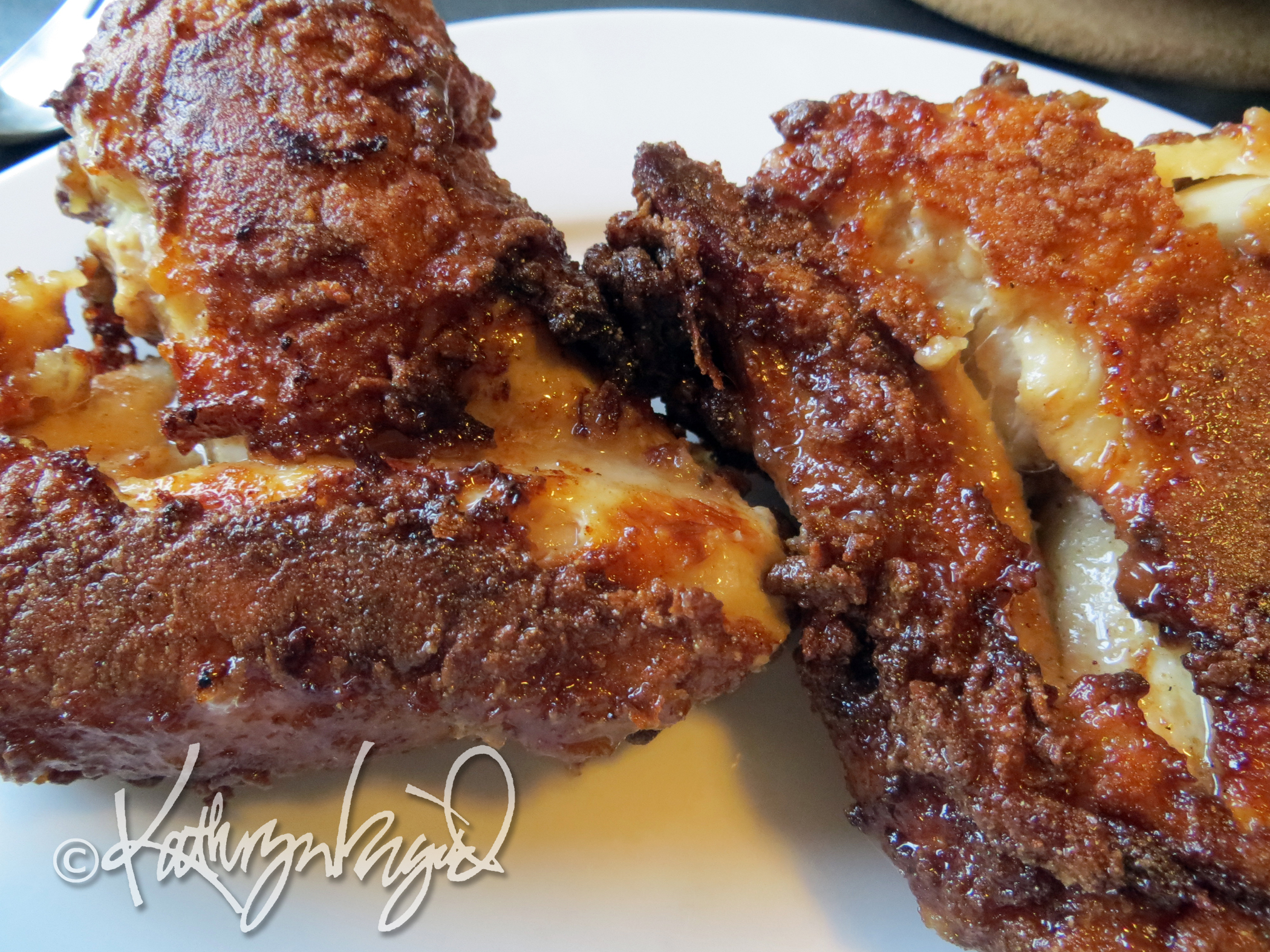
Despite all of the fantastic and phantasmagorical delights possible in the whole fried world, there are times when simple is grand enough. Think of oven fries–julienned Russet and sweet potatoes tossed with half olive oil, half melted butter and seasoned with lemon pepper and salt and chili powder (and rosemary, if nobody green-phobic is dining with you) and roasted in a medium oven until toasty and browning nicely–they go with practically anything, and are easier than easy to make. Then again, there are some of the classics that are well worth the mess and fuss. Fried chicken, for example. Coat it in buttermilk (or if you, like me, haven’t any on hand, in yogurt) seasoned with salt, pepper, cinnamon and cayenne and soaked for a couple of hours; shake off all of the excess yogurt or buttermilk and coat the pieces in a mixture of 1 part cornstarch, 2 parts fine masa, and 2 parts potato flour, seasoned with salt, pepper and chili powder. Fry until golden and finish in a medium oven–conveniently enough, the temperature used for oven fries works pretty nicely for such purposes. And coincidentally, one fried food (oven fries) tastes rather yummy when paired with, say, another one (fried chicken). Or so I’ve heard.
Crazed Weasels and Other Objects of Affection
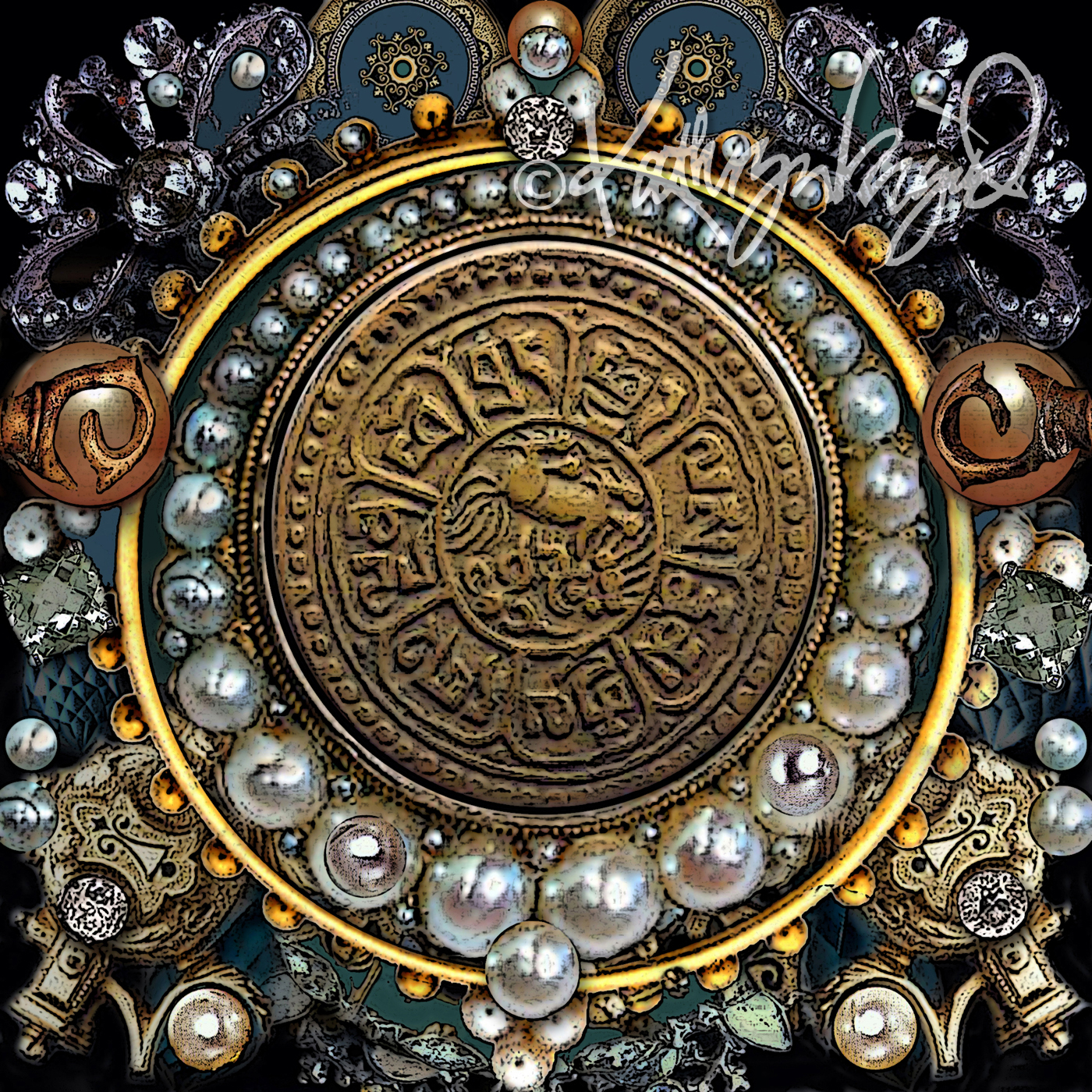
The Georgian era gave us, along with a whole raft of other creative gifts for sweethearts and mementos of important occasions, the piece of portraiture-cum-jewelry known as the Lover’s Eye. Something of an oddity, to those of us in the modern day who don’t happen to be of that individualistic bent that swallows capsules of a late wife’s ashes with daily vitamins, wears vials of a lover’s blood as a pendant or keeps the deceased boss’s body as a nice piece of taxidermy so that he continues to sit in on board meetings in perpetuity. Yes, all realities for some folk. Not so much for Average-Joan. Portraiture is generally so very much more socially acceptable.
A portrait of a lover’s eye, even if it happens to be shown without reference to and other, presumably equally adorable, parts of said person, isn’t quite so unsettling and freaky then. Of course, that assumes that one’s dearest has eyes, at least one eye, that is pretty attractive in its way. I got to thinking about this whole little question when I had the allergic attack recently that made my eyes so distinctively disgusting. However, I was reminded by that very episode that love is genuinely, in its way, blind. My darling husband didn’t cease to treat me with the usual kindness and affection and sweet intimacy, and while I know there was for both of us an underlying hope, nay, assumption that this was a temporary appearance for me, the possibility of permanence existed as well.
What did this prove? Nothing in and of itself, really. It did, though, remind me ultimately of the age-old truth that love makes us see the objects of our affections as good, desirable, as beautiful. That beauty is in the eye of the beholder. My spouse saw the Me he loved, without necessary reference to how I looked at the moment. And he does, after all, love me either despite knowing I’m a little bit weird and kooky, albeit (I hope) pleasantly so or, weirder and kookier yet, because I’m that way. Probably not especially hankering to wear around any new jewelry, my beloved. Least of all, jewelry with a little picture of my eye staring at him all of the time, as if my gawping at him in person, however admiringly, isn’t enough to send him up the wall. I’m not absolutely certain that a prettified version of my healthy eye would be markedly better than a silly and outrageous portrait of my eye in its bizarrely bloodshot wackiness, as jewelry goes. But my guy, he looks pretty fabulous no matter what he’s wearing. So there’s that. Wink, wink.
The Wearin’ o’ the Green
There is, of course, one overriding, excellent reason that Ireland should celebrate the remembrance of her patron saint with a vivid display of everything-green. Ireland is the Emerald Isle. I’m not Irish, but I suppose I can pretend to a certain level of affinity on the strength of two excellent reasons of my own, the first being that my Viking ancestors (if any of my Norse forebears were actually so intrepid and aggressive) had a pretty good chance of crossing paths somewhere along the line with their counterparts in the British Isles, Norwegians having gone on various exploratory and marauding forays in that direction. My patronymic (Wold), after all, sounds suspiciously more Anglo than Nordic to me, no matter how many in Norway do share the name.
The second and far kindlier tie I feel to Ireland is because I was born in the Emerald City (Seattle’s nickname) in the Evergreen State (Washington’s), surrounded by every known flavor of green and a few yet undiscovered, and I think it was anything but coincidental that on my one visit to Ireland thus far I felt remarkably at home even in the middle of the winter, when the chill and snow still couldn’t entirely subdue the exquisite greenness of the land. It may not have hurt this sense of connection that some of the locals on that trip asked me what part of Ireland I came from, given that my accent apparently wasn’t heard by them as being wildly different from some in the UK. In any event, as green and growing things resonate so deeply in my heart and soul, I can’t help but celebrate the beauty of Green while millions are wearing, spending, planting and drinking it, and otherwise rejoicing in the character seen as protector of the great green land of Eire on this most Irish of days.
Here in this Emerald Land
Because there is no sapling in the earth
But that springs out when water wakes its seed
And sunlight calls it up in urgent need,
I think the rain and sun of equal worth–
Yet all the riches of a blooming world
No greater shine than that most humble weed
Whose leaf invites the passing deer to feed
Because its banners, sweetly green, unfurled–
No flower can surpass, exotic bloom
Outdo green’s living beauty or exceed
Its life-affirming sweetness when we heed
The subtler potency of its perfume–
And so I bow my head, ecstatic–sing
The joys of every green and living thing.
Much as I adore sunshine, I am willing, too, to be showered with the rain, for it slakes the thirsty earth and brings forth all of its green glories.
Youth & Beauty, Beauty & Youth
We never needed to choose. Yet there’s always this foolish compulsion among us to measure attractions and, should we be so lucky, to consider ourselves superior because we successfully assure ourselves that whatever we think the best among the pretties and the old makes us seem more perfect in our own eyes. We’re our own creations in this way, our own versions of excellence, and whether we believe we fit somewhere high in the measure of greatness as beauties or as wise and wonderful elders, we spend an amazing amount of energy on fancying ourselves fantastic.
We expend a large quantity of this fanciful energy, as well, on believing that youth and beauty are irrevocably tied to one another, if not outright synonymous. If one becomes convinced of that construct, then it must follow that becoming old is some sort of process of becoming plainer or uglier or, at greater extremes, less important and worthwhile. As it happens, we are not necessarily all so stupid as I’m making us sound, really. Eventually we mortals do manage to wise up. Perhaps it’s only and logically plain self-preservation that, as we get older, we realize that either we’ve ruled ourselves out of relevance or we might need to adjust our expectations and interpretations to allow that the aged can also be wise or useful or, astonishingly, even beautiful too.
Slow as we are to credit our elders with such attractions and advantages, the eventual realization that we are becoming the elders may motivate us to rethink that equation if nothing else can. It’s not that I look in the mirror and see my proliferating wrinkles and expanding crop of grey hairs as evidence that I’ve suddenly or finally become important, improved, impressive. It’s that I see someone, finally, whose value has nothing particular to do with whether those marks of vintage are present or not. I am free to see myself simply and fully as myself, if I’m willing to look, and from this lesson I should–most meaningfully–learn to offer the same courtesy and impartiality to anyone I see, not only myself but anyone. No matter the years or the appearance or how either conforms to the current tastes, every face I see should seem to me the face of worth and dignity. Who knows but what it might be oftener proved true if we allow it to be so.
This Business of being an Artist
There’s been an interesting, if hardly new, thread of conversation taking place in one iteration via LinkedIn, where a Mr. Duane Bronson posed the eternal question thus: “Does an artist have to have a recognizable ‘STYLE’ or a cohesive body of work to be of interest to a gallery and marketable?” My short answer would be a resounding Yes, but I couldn’t resist expanding on what is for me a perpetual problem. I said:
A good, thought-provoking read here! I have experienced much of what is discussed by the various commenters who precede me and think that all have some valid points for our consideration. My own answer to Mr. Bronson’s original question is that I might state it a little differently: ‘to be of interest to a gallery as what it/they would consider marketable‘. Anything is marketable, if you put the right seller and buyer together under the right circumstances, but galleries, no matter how much they might pride themselves on being ‘in it for the love of art’, are businesses, and (logically enough) are not particularly interested in anything they don’t think is a relatively easy sell. [Commenters] Messrs. Bruland and Moore are absolutely right in recognizing that art does sell–at the confluence of the right forces. Figuring out what those are and how to orchestrate their intersection is the big magic trick that few of us can perform.
I was approached by gallery owners when I was finishing my undergraduate art degree; one of them (the more successful in business, not surprisingly) met with me mainly to encourage me to produce a larger body of the same kind of work so that he could later represent me; the other, being a fledgling in the business, was willing to take what little I had already produced at my young age and give it a go. Of course I was inexperienced and had no concrete plans or prospects, so I opted for the latter, with the predictable result that that gallerist, with such limited experience and connections, was too busy simply trying to work out the logistics of her own business to actually represent any of the artists she hoped to promote. Thankfully, I’d only agreed to half the proposed trial period as part of that ‘stable’ of artists and retrieved my entirely unsold (and as far as I could ascertain, also virtually unseen) work and go forward at the end of it. [And only a year or two before it was also the end of that particular gallery, as far as I could ascertain.]
It wasn’t until many years later, after working in construction for a few years to save up for grad school (I suspect I’m of the same vintage as Ms. Senn, having had many similar experiences 30 years ago in that field of work) and then going through the grad program and then teaching for a couple of decades, that I could afford the luxury of devoting real time to focused practice and larger productivity of my own artwork. Along the way, however, I had continued to produce smaller quantities of work. As I’m quite sure many of the artists commenting above have experienced, what pleases me most in my own practice is to do what inspires me at the moment, to experiment, and to follow the serendipitous occurrences that happen along the way, resulting in a recognizable character in the works but not a whole lot of terribly similar subjects, media, and techniques. So I, too, have been told by many a gallerist that he or she thinks my work is terrific but, no thank you, they don’t see how they can possibly ‘package’ and market me.
The upshot of all this is that I can only echo what others have already said or intimated here: keep doing and being what is right for you, but know that you’ll likely continue to labor in obscurity unless you simply find that combination of luck and resources and persistence coming into perfect confluence. I must assume that all of us are here because making art of whatever sort matters enough that we will do it endlessly, whether it profits us in any way other than inwardly or not. Hurray to being successful, financially of course if we can, but if not that, then as wildly successful in satisfying the artistic urge as we can manage to be.I will add to this that I am no more going to stop making art because I don’t come close to making a living at it than any of the millions of others who can’t ‘get by’ doing what they love best would quit their passions. You might, just possibly, have noticed that I’ve been hanging out here in the blogosphere for some time just churning out art of the visual and written kinds and handing them out daily like free candy. But like many others, I also keep the business side of art on my radar, looking around me to see if there are any connections and opportunities I have overlooked or ways to introduce my work to others who may find something in it that speaks to them as well and (miraculously!) be willing to pay me for it. I guess this is simply my love letter to any other unsung heroes reading this, saying that we’re all in this together and yes indeed, also that I have no plans to leave off pursuing my dreams any more than you have. Might see you at the bar later, though. Everybody needs an outlet, whether it’s on LinkedIn or in the studio or somewhere else entirely. Cheers!
Hot Flash Fiction 4: Man’s Better Friend than He Ever Knew
The interviewer from Wagging Wonders paused. Biscuit cocked her head thoughtfully, now reminiscing about her youth. In the old days, before the invention of the Frisbee®, dogs had to be so much more clever and agile to chase and catch those passing spaceships. Pups these days! They have no idea how easy they have it. Why, if it hadn’t been for Biscuit and Sprocket, all of Montana would’ve been overrun by those little orange beings that dodged their yipping and nipping, landing covertly in Seattle instead, in ’62.
Will the Blooms Return?
I’m thinking about flowers. [I’m not talking about my cousin’s family, though they’d be a welcome sight in this part of the world as much as any!] Perhaps it’s because, here in Texas, signs of sprouting, budding and even outright blooms are beginning to show all around us: the flowering pear trees are starting to burst like giant batches of popcorn, my infant fringeflower is sporting a deep fuchsia-colored tassel or two, and even the local redbud trees are bravely showing off glimpses of their own hot pinks and purples. It may also be that the influence of a few days spent recently on seasonal cleaning and prep in our yard brings, along with the seasonal sneezing and watering of the old eye-bulbs, the welcome scent of earth and sightings of green specks that seem to increase in size while I watch, reminds me of spring and summers past and favorite blossoms I eagerly await on their return. The recent speedy trip to San Antonio, just enough farther south from us to be a week or two ahead in the race to renew its flora, certainly enhanced my longing for the sight of flowers while it was giving me its own preview. And of course, there’s simply the persistent infatuation with all-things-growing that grips me year-round that might be one of the main instigators of this present hope.
No matter what the cause, my heart is yearning for floral happiness these days.
Too Early to be Called Springtime
Leaning back into the shade
Next to a mirror foxed with age but
Gleaming still with that low glint,
Mercurial, that holds onto its ghosts—those
Pale vapors that have passed
Through the pavilion and its garden greens,
Have dreamed while leaning in
This selfsame shade
Of fading memory and of
Incipient bloom, in this
Just-waking secret garden—
Here I will stay at rest, a shade myself
In the pale green gloaming