 Drinks. I love food and all of its crunchy, salty, sweet, chewy, tender, steaming, spicy, bold, sour, gooey goodness, but let’s face it, all of that goes down better with a good drink or two. At the moment, I need to behave better than I have for the last number of months, so I’ll be living on the memory of all of the tasty liquid loveliness while sipping lots of cold, clear water for the nonce. This isn’t forever, and I know I feel better when I give my poor beleaguered body an occasional break from the excesses of travel and lazy eating and all of those other happy tortures that tempt and taunt in ever-increasing increments until it’s time for one of these breaks. And believe me, I’ve nothing against a crisp fresh glass of water. Or twenty.
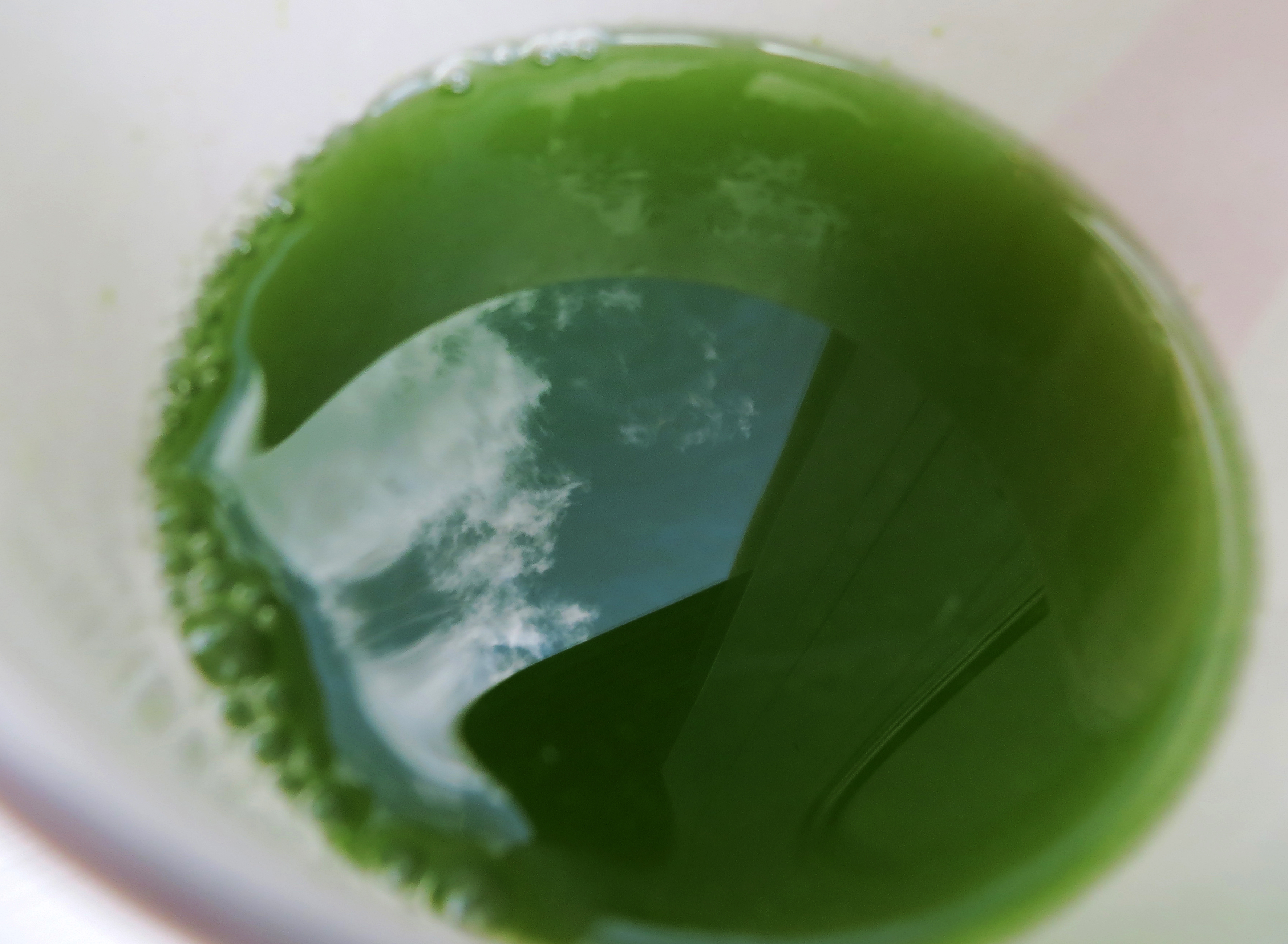 Still, I do enjoy the wide variety of ways one can slake one’s thirst beyond refueling the necessary percentage of corporeal content with good old aitch-two-oh. That glass of lemonade made glinting green with alfalfa was a quintessentially Berkeley taste that was remarkably enjoyable in its grassy clean refreshment on a warm sunny day. I’m not sure if I felt more like a retro-hippie or a happy cow while sipping it–not much matter there; the only important thing is that it tastes great.
 Mostly, it’s a grand thing when the drinks complement the context. Sipping ‘hay clippings’ in earthy, counterculture country like Berkeley just feels mighty apropos. Wetting one’s whistle with a gingered Irish whiskey based drink in a pub while nibbling at hot fish and chips works like a, well, a lucky charm. Tipping back a glass of icy white rum with lime when sharing conversation with the cosmopolitan bar owner who made them and hearing about his history as an opposition newspaper editor in Noriega’s Panama, as a banker, and as a descendant of an old family determined to help shape the new Panama by subtler means, through ecological work, by working for social change, and by teaching others both by example and in simple, heartfelt conversations over a drink–that’s a combination perfectly designed to make a moment of what could be mere small talk into a cultural, educational and personal exchange to remember.
 Because we all thirst for something to drink. It’s essential that we replenish, you know, our bodily fluids. But far more than that, when we sip we are in communion, in a way. There’s the affinity between the drink and the situation, and between the drink and the food, to be sure. But a drink with another person can easily create, regardless of its contents, a real contribution to building affinities between those who share the drinks. Those that already existed, they can grow stronger. Some meetings of people need that nice drink to invent the possibility of affinity. The raised glass is the opportunity for a new meeting of minds, and maybe of hearts.
Then again, sometimes a refreshing drink is . . . just a drink.





 Art-Colored Glasses