What We Can Learn from Dogs

So it’s Monday. All. Day. Long. One of those times when you can easily believe in the purported accursedness of the day; one unlucky, frustrating, impossible thing after another and not a coffee break in sight. We’ve all had ’em. Rotten, rotten Mondays, no matter what day of the week in reality, are the bane of humankind.

Dogs, however, rarely let a Monday take their essential doggy happiness away. It takes, in fact, quite a lot of horribleness to take the equanimity and enthusiastic canine capering down to a level recognizable as sad, and once cheered up again, dogs are remarkably good at forgiving and forgetting. Barring ill-treatment or illness, every day is the greatest day ever to your average dog.

photo

Why lie around counting the time until your human will take you walking farther, when you can back-scratch your way headfirst right down the hill?

It’s not that dogs are stupid. Far from it; some dogs I’ve known would beat some people I’ve known at any IQ test, and the average dog is a pretty clever problem solver and able to perform all sorts of magnificent deeds, accomplish numerous astounding feats. It’s more that dogs, simply, seem to have a highly developed power for living in the moment, finding the good in the small and ordinary and letting unpleasantness drift past them as quickly as the turning of the world will allow. They’re not much on sulking, self-pity, or wallowing and very rarely hold grudges–and these, as far as I’ve seen, only when pressed to it by persons or events truly deserving of their scorn.

What dogs seem to hold among their many fine and useful instincts is the one that tells one to be thrilled when a maple seed helicopters out of a tree in his path, to slurp lustily at a handy puddle of water when thirsty, and to leap into the air rather than toddling through the weeds when crossing the parking strip to get to the park for a romp. The wisdom to nuzzle the hand that pets him, to lie like a shaggy, comforting blanket on the cold feet of a human companion when he’s sad and to shoot across the house like water from a fire hose when the other human gets home from her long day at the office. All of this is noble work, and keeping as busy at it as any good dog does makes him far too busy to mope and snarl and bemoan his bad fortune. Even on a typical Monday.

photo

It’s a good day to be a dog!

In Search of Tech-Know Progress


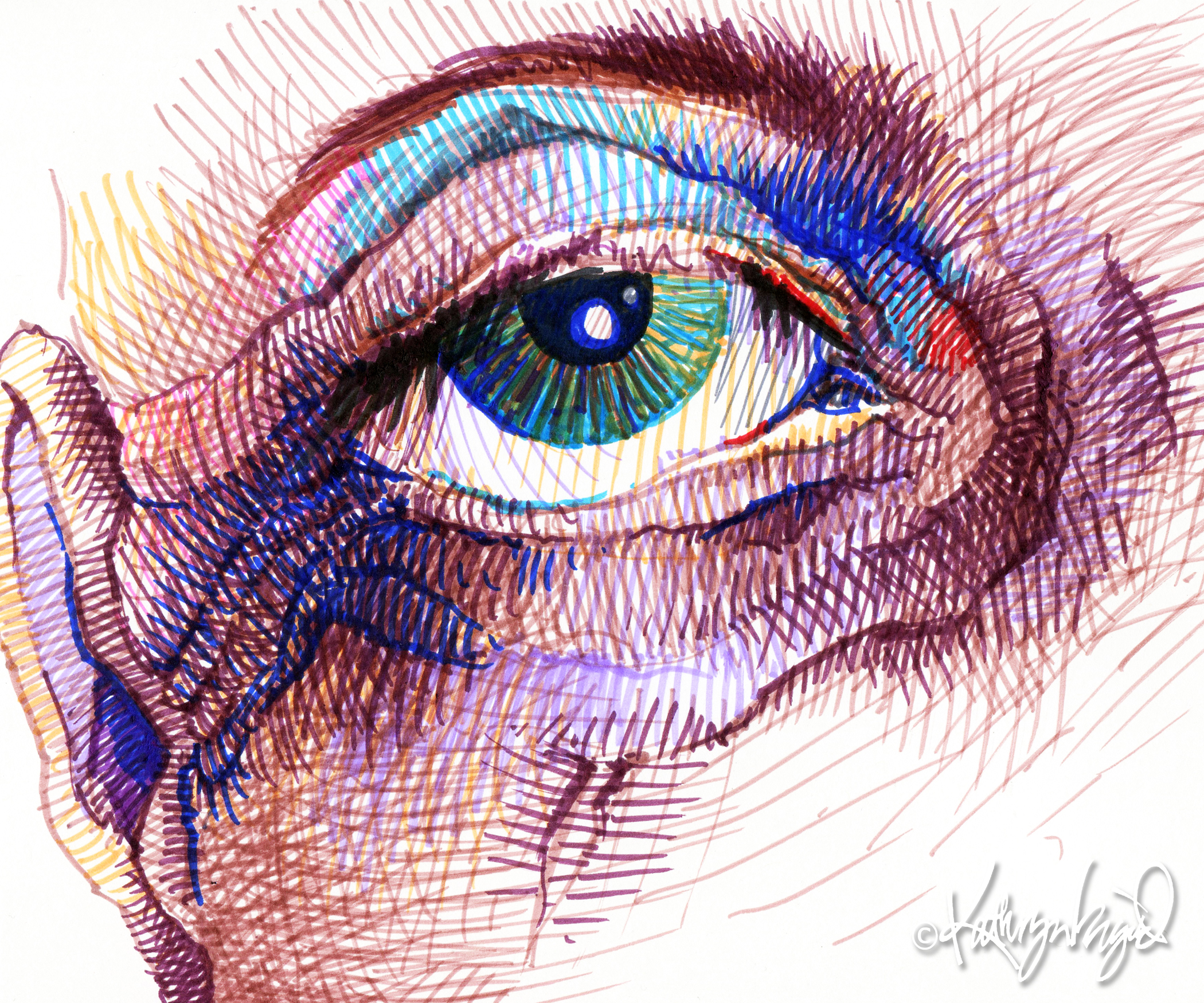
colored markers on paperWhen I post drawings, they almost always require a digital tweak or ten to be clean and sharp enough for putting up on view. Most of the time, it’s merely the need for getting rid of visible dust and scratches or evening out the tone across the piece to more accurately reflect the appearance of the original, stuff like that. Even a direct high-definition scan doesn’t eliminate all of the little oddities.

No doubt there are endless ways to do what I do to the images much more simply and cleverly and efficiently. But having as little technological skill and wisdom as I have, I must content myself with doing in a hundred steps what others can do in ten. At least until I have the time, the money and the gumption to get the necessary education, anyway.

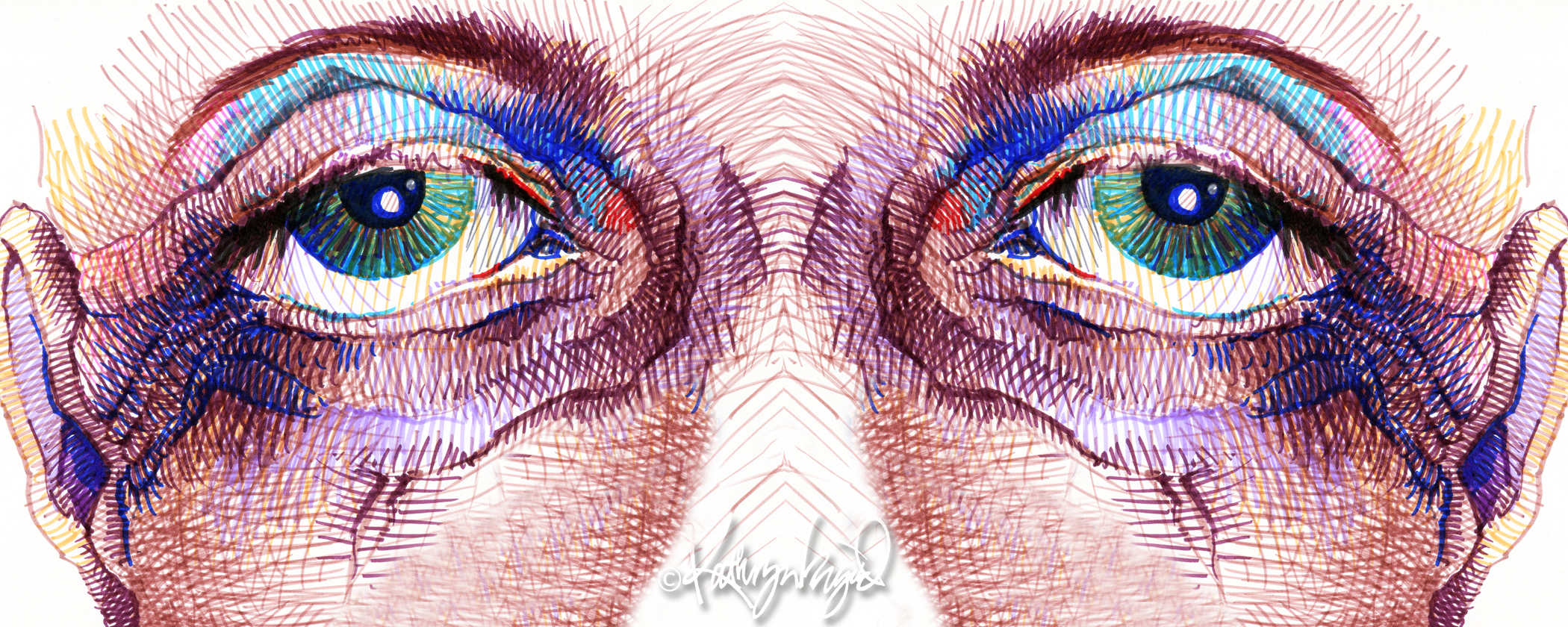
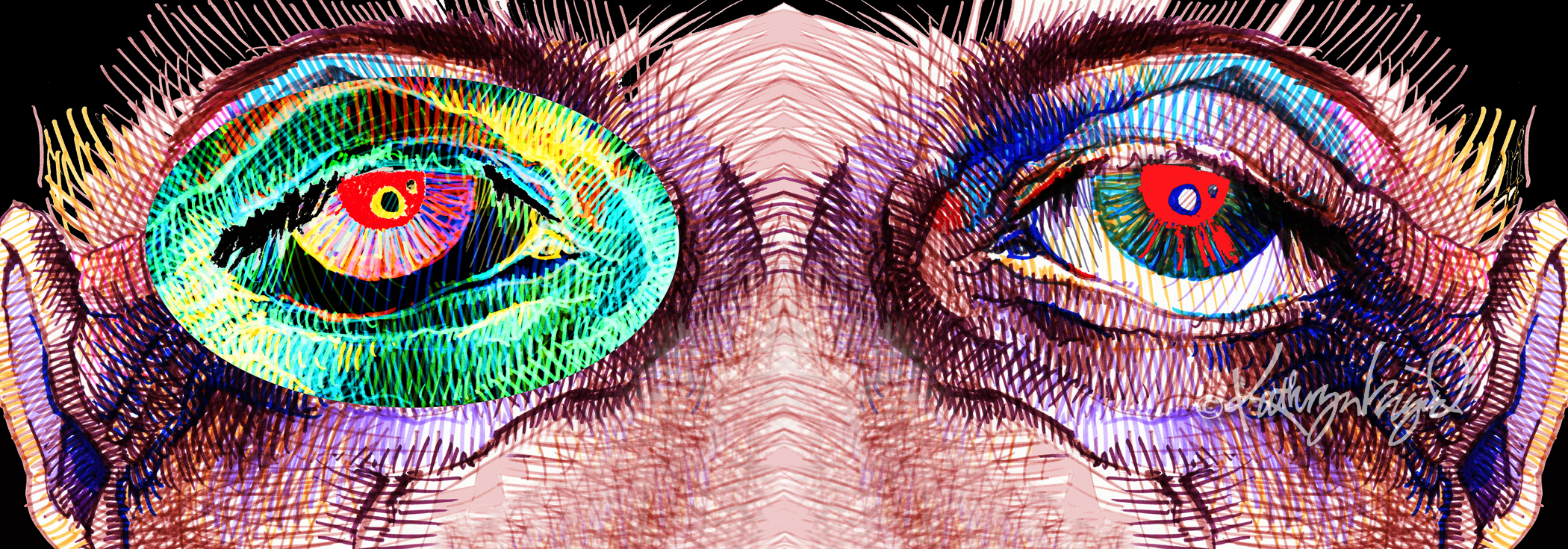
Still, slow and ambling and rambling as I am, I get the occasional urge to mess around with the existing drawing and manipulate it further digitally. Silly, yes, given that it takes me eons to do the first drawing part and a multitude more ages to do anything further via the digital medium. But you know how these things are: inspiration or perspiration, it’s all a command one has to obey once the Muse prods me in that direction. Here’s last night’s drawing (above), followed by the series of phases I put it through today. That is all. For now.digital image

digital image

digital image

digital image

digital image

digital image

digital image

digital image

digital image


Walk a Mile in My Baby Shoes

photoI’ve been thinking about childhood. The freshness and innocence, the naiveté and helplessness, the curiosity and amazement at every new thing–and everything is new–and of the naturally self-centered universe one forms because self is all one knows. I’ve been thinking about how all of these qualities, so clear and natural in childhood, repeat throughout our lives in cycles. Varied by age and circumstance, and certainly by our own personalities as they develop, but there and recurrent all the same.

I’ve been thinking about how little we are all aware of these cycles and patterns in ourselves over time. We humans, though we congratulate ourselves as Homo sapiens, intelligent beings, are poignantly–sometimes poisonously–unwilling and even unable to truly see ourselves all that clearly. It’s not terribly hard to be self-aware, to know the good and bad of one’s personality and character and style, but it’s amazingly uncommon that we choose to acknowledge it, let alone are able and willing to do anything useful to control or change what we can or should. Most of us are rather childlike, if not infantile, in that respect. We want forever to be loved and be the center of the universe in that way we sensed we were as small children, before knocking up against whatever form of reality dented that illusion for the first time.

For the very fortunate (like me) it’s easy to look with a critical eye on those who are in the midst of childlike neediness because of their poverty, ill-health, lack of education or resources, old age or difference from the popular norms. Easy to forget that I don’t have the same obvious petulance or beggarly qualities only because I am so fortunate, so well off and well fed and loved and young and-and-and. I am the lucky center of my universe for now. It’s simple to be placid when I’m so rich.

I can only hope that this good life not only continues to keep me content, but that it affords me the leisure and good grace to look a little less harshly on the struggles of others. To be more patient and understanding when someone else is in that childlike state of need, whether for the starkest, plainest of dignities–sheer life not being at imminent risk–or for food and shelter, for health and wholeness, for peace and hope. If I can’t be an agent of change, bringing those gifts to those who need them, at least I must try to remember what it is to be in that fragile state and know how much I depend upon the rest of the world myself for being, by contrast, not in my childhood of utter need.photo

Malignant or Maligned?

Are pigeons the oppressors or the oppressed? Having been a-traveling a bit recently, I was reminded of the omnipresence of pigeons, those birds noted as the comforting signatories of nature’s profound adaptability and variability, and less kindly but perhaps a bit more succinctly, as flying rats. Yes, I have seen a pigeon perch with apparent deliberation on the roof edge over a family’s picnic table, point its posterior in their general direction, and release a firehose-worthy arc of nastiness that sent the poor humans scattering for shelter. While I’ll readily agree that pigeons are known disease-carriers, that they tend to crowd out less aggressive and smaller birds from their habitats, and that they are notorious painters of streaky badness upon all and sundry within their aim, I still harbor a fondness for them in small doses–and preferably from a safely higher position.photo

Part of the sympathy stems from knowing that their widespread propagation was partly human-driven, as growing and/or roaming anthropoid populations gradually displaced native ones over time (also human, among many other creatures), and as people also on occasion deliberately imported various kinds of pigeons to new locales for other reasons. Certainly part of the feeling stems, as well, from knowing that we people-types are largely responsible for the decline and sometimes extinction of whole species–the rule rather than the exception, when it comes to pigeon families. The Passenger Pigeon is only the most obvious example of what has happened and is happening still among pigeon-kind, and no coy and cuddly images of how we embrace the Dove of Peace can counter that fact.photo

But let’s face it, this is neither a scientific treatise nor a polemic indicting all mortals for such depredations. We are a merciless lot, generally, and I am not in the least exempt from all ignorance or guilt. No, honestly, what struck me as I was pigeon-watching along my way on this latest outing was a much shallower, yet still pleasing and even, intermittently, refined aesthetic appreciation of the breed. I simply like watching their fluttery interplay. Their tumbling and stumbling acrobatics in a pool of water. I like watching how they quickly establish a pecking order whenever a group assembles, how they strut around preening and showing off for each other with a certain amount of pomposity and frivolousness, and turn instantly to blurry streaks catapulted into the air if they sense any danger, which includes the slightest movement of air around them or a change in the light. In short, I like anthropomorphizing them and being amused at how like them we are, squabbling and flirting and showing off and taking wicked potshots at each other and everything around us. I like watching them fly in such smooth synchrony when they circle their way through an updraft, and burst into chaotic motion when anything disrupts the flow. And of course, magpie that I am, I like looking at the myriad colors and patterns and iridescent gleaming streaks that paint the birds into something less commonplace than such a common creature ought to be.graphite drawing