 The stick-up artist and the greedy eater alike may demand that someone should ‘fork it over‘ or relinquish the object (monetary or comestible) of affection, and that, at speed. But besides cramming edibles into one’s mouth, the fork can serve a number of other useful purposes in the kitchen and at table. Not least of these commendable actions is the release of air. I shall leave it to your imaginations to determine whether some excessively greedy fressers mightn’t do well to have the fork impale them directly and thereby release some of the pent-up methane or other dangerous-to-diners gases, but there are some ways to use a fork for more benign and neighborly expulsions of atmospheric pressure.
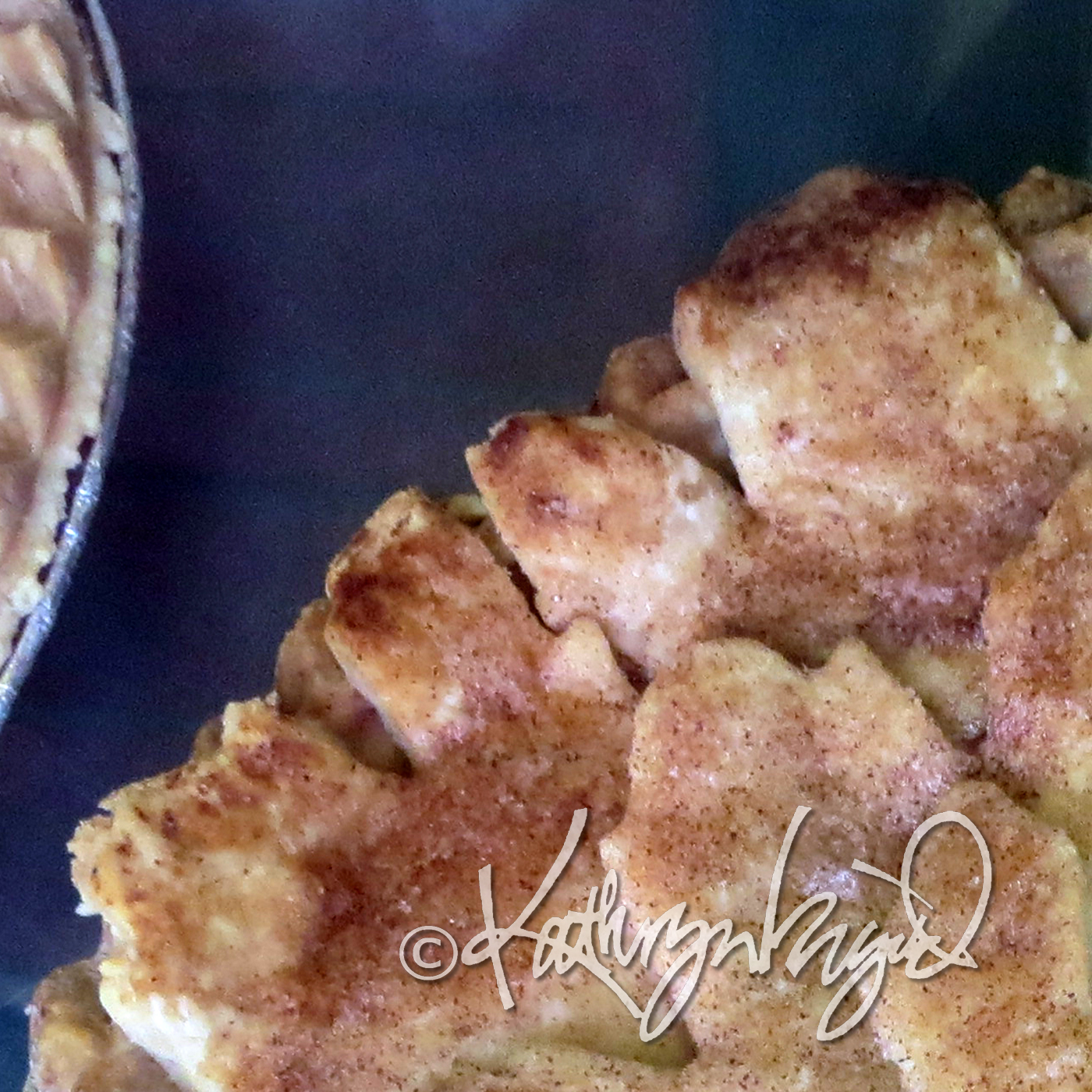 The first is to pierce pastry before baking, so that heated air inside or underneath a pastry layer can escape during the process without tearing or exploding the baked goods and their contents throughout the oven or, more excitingly yet, onto unwary bakers lifting said goodies out of the oven. My mother, famous for making what I still believe is arguably the best pie crust in the universe–always exquisitely flaky and golden and crisp and fragile, never soggy or tough–blind baked crusts without ever using pie weights, and only pierced them thoroughly with a fork before the baking. Crust made this way will indeed rise up like an egotist’s inflated chest, but only before those little vents disperse the steam and let the pie crust relax back into the pan just as it should. As far as I’ve been able to ascertain, the added benefit of this approach is that when a filling is added that will bake further in the crust, it leaks into the piercings a little and caramelizes there, both stabilizing the crust and adding a little candy crunch to the pie. In the same way, venting the closed top crust of the pie with a fork before baking it keeps the dough from ballooning explosively (oh, the joy of spurting jammy fruit juices around like candy lasers!), and again, from holding in unwanted moisture that can defeat attempts to have a splendidly juicy pie interior without compromising the extravagant crispness of its crust.
 But enough about pie for the moment, I’ll get back to that soon enough, as you’d guess. I always tend to come back to desserts, don’t I.
 Meanwhile, piercing other foods for pressure-control purposes is pretty effective too. If you happen to like baked or roasted squashes, root vegetables and tubers, I hope you’ve been informed in good time that pricking the skin sides of them before exposing them to high heat is a helpful way to avoid reenacting the demise of the Hindenburg. One of these many dreamy dishes made with the help of the humble fork: Baba Ghannouj.
This venerable meal-starter dip or spread is not much beyond roasted eggplant, crushed or pureed and well seasoned. But, like many classic dishes from around the world, that is an egregious oversimplification of the subtlety, complexity and variability of the concoction. What remains true is that it’s mighty tasty. My personal combo for it would be less garlicky or oniony than some, mainly because of how my kitchen palette has changed since my life became linked with Mr Spouse’s, but also because my personal palate followed suit and, further, because I think heavier, more intense flavors like those, if overused, can mask more subtle and delicate ones. I submit to you a version of it.
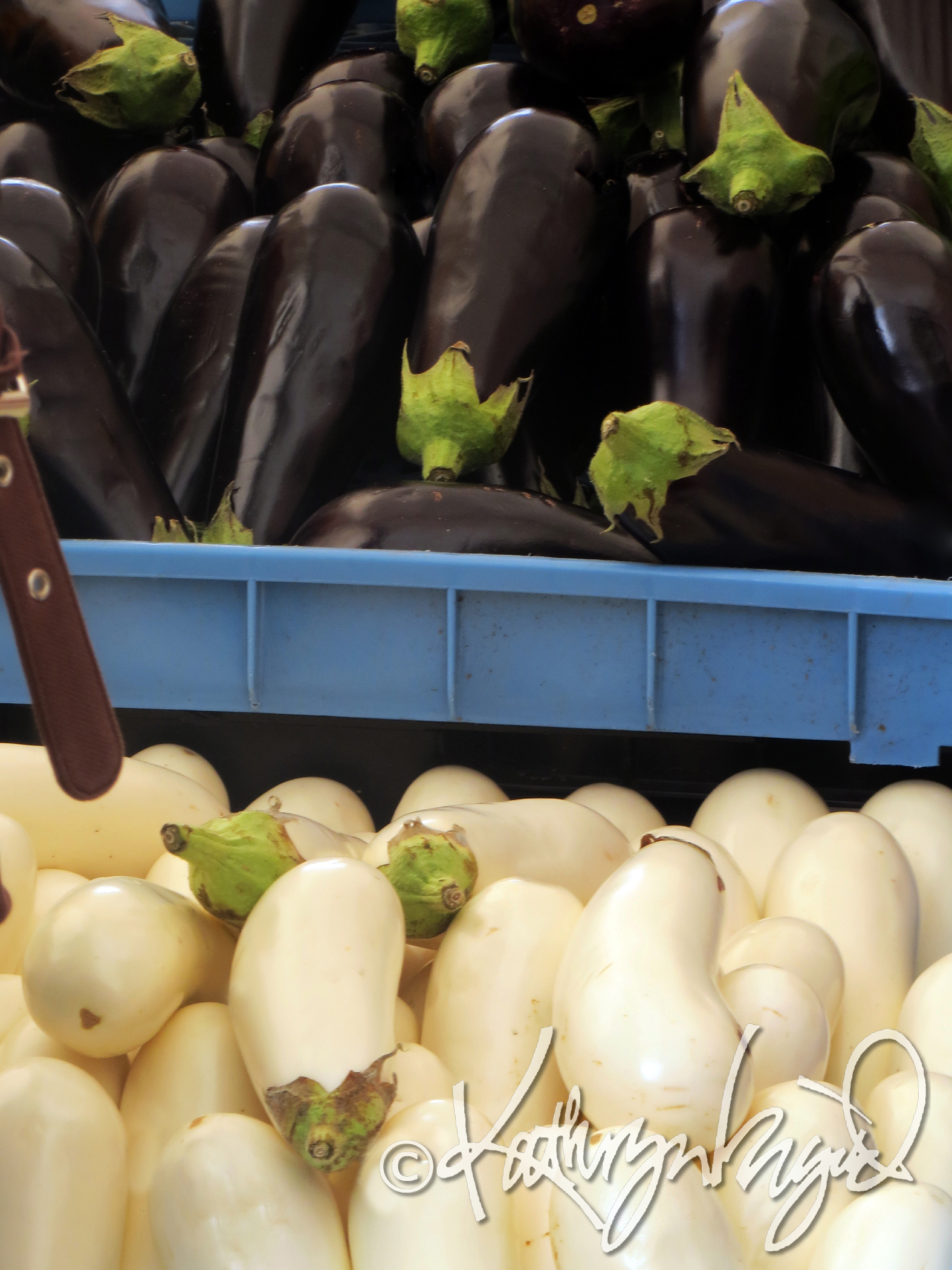 Baby Baba Ghannouj
Eggplant (1 large), tahini (4 tablespoons), preserved lemon (1/2, diced), fresh lemon juice (2 tablespoons), lemon zest (grated peel of 1 whole lemon), cumin (1 teaspoon or more), olive oil (4 tablespoons) and roasted garlic (1 heaping teaspoon).


 Art-Colored Glasses