I know I’ve talked here before about how easy it is to stop seeing what’s right in front of me because, well, it’s always right there in front of me. The ubiquitous becoming invisible, and all of that. But lately I’ve been thinking, too, about how often what I haven’t seen before gets automatically dismissed by my brain as non-essential because I relied on the part of thinking that makes instantaneous generalizations and assumptions and chooses to categorize things, as soon as it decides the new thing doesn’t pose a threat.
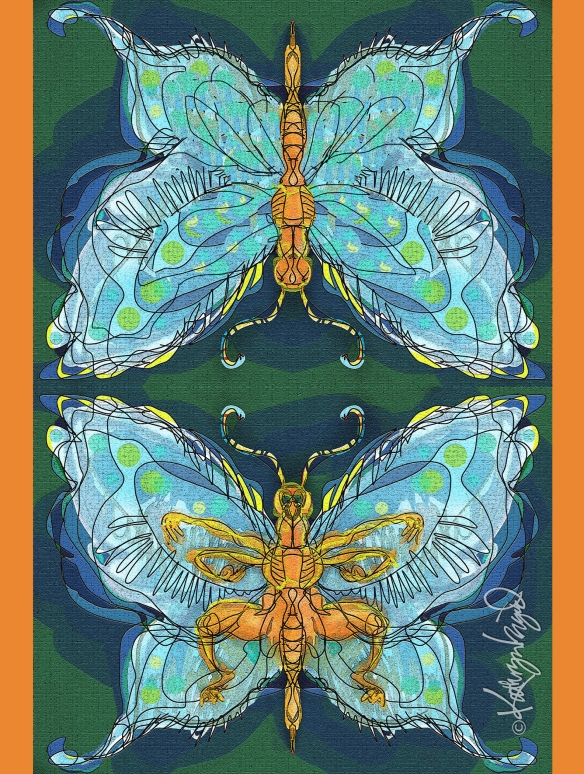
While this rarely makes, in real life, the stuff of horror stories, as much as I like a rollicking scary tale at times, I am more concerned when I begin to wonder just how many things this autopilot state of mine makes me miss. Have I bypassed grand opportunities through lack of attention? Undoubtedly. Has my life been different than it could have been had I been more deliberate and thoughtful and thorough? Certainly. Are there people I’ve met whom I never got to know as well as I should have done, never appreciated as deeply as they deserved, never enjoyed the benefits of learning from them or being made better by a real relationship with them? That is unquestionably the hard truth.
Will I be smarter, moving forward, because I paused to ask myself these questions? That, my friends, definitely remains to be seen. I like to think that I’m teachable, but I know I’m also drawn to the easy path in life and often distracted by non-essentials when I should at least be watching where I step, so I’ll make no promises. If I do, however, happen upon any new and delightful things or, especially, people and recognize greater value than a passing glance would have registered, then I won’t consider myself beyond rescue in this regard. Plus, I might find in them the material for some fantastic fiction later on, if I’m lucky.

 Art-Colored Glasses