We All have Our Preferences

digital illustration

Red. Delicious?

The apple of my eye is bound to be unlike yours. Even among apples, the almost bewildering array of would-be favorites almost catches up with the endless variations in personal character; together, these have the exponential potential to create such a multiplicity of possible tastes that it’s amazing if any small group of people have predictably identical loves.

On top of that, our own tastes are bound to change over time. I’ve lived long enough to have had several ‘favorite’ apple varieties, never mind had enough life experience to know that what I prefer for one use or recipe is not the universal solution for all of my cooking and eating wishes. Even the longtime favorites can be supplanted, eventually.

So while I currently favor Fuji apples for eating plain, a mixture of bright, crisp Granny Smiths with soft and über-sweet Golden Delicious and an in-between variety like Jazz or Braeburn for pies and sauces, and something with interesting color, shape or texture on its peel like a heritage variety to ‘pose’ for my artworks—any of those could change at any given moment. Why, I’ve even been known to draw Red Delicious (a variety that while I’ll grant its being among the reddest of apples I think hybridized to the point of being utterly insipid and flavorless rather than actually delicious) simply because it’s bright and shiny and stereotypically apple-y.

For the most part, life is more interesting to most of us because it offers so much variety and the possibilities inherent in change excite and intrigue our senses. But sometimes it’s perfectly okay to be predictable, too. The comfort of the familiar is also a gift. And once in a while, there’s the amazing possibility that we can surprise and shock others—even our own selves—precisely by choosing the safe and predictable thing when we have all of the options in the world right before us.

Maybe what I relish most of all is simply that I can’t guarantee from one moment to the next, let alone one day to the next, that my own tastes will remain the same, my choices the utterly expected ones. How do you like them apples?

Urbanity

There is a huge difference between the merely impressive and the expressive when it comes to modern cities. Rotterdam, once one of the glories in the European architectural crown, was bombed to dust in WWII and, given the poverty of post-war resources, was rebuilt in the following decades as a horrifyingly soulless, boxy blot of concrete on the face of the Netherlands. There is no comfort in knowing that the firestorm that destroyed the city was probably not planned as it happened but resulted from a perfect storm of another kind in miscommunications; the horrors of war are a long testimony to the potential for such devastation. In any even, it took Rotterdam ages to be revitalized into the place of energy and beauty that it is today. Why? What made it such a heart-stopping graveyard of a place when it had once been full of life and loveliness, and how could it ever come back to be something gracious and potent again?

There is no obvious single word that can express the massive destructive toll the bombing took on that city; annihilation is perhaps a close approximation, since it’s clear even from faded photos that the thoroughness of the attacks left very little evidence there had ever been a Rotterdam. I find it nearly impossible to imagine even when staring at proof. When my spouse and I visited the city for a conference even less than fifteen years ago it was still a sad shadow of its former glory, still dominated by 1950s-vintage blocks of affordable and utilitarian harshness that made me want to scream when I saw them in juxtaposition to the few tiny remnants of the beautiful architecture that had once filled the place.

The main reason that Rotterdam is beautiful once again, and that many other cities have, and some have never lost, such beauty is simple: architectural thought and distinction. Building what is cheapest and easiest to construct is a poor solution to lack of structure anywhere. Places that have never experienced the ravages of war, urban decay and other forms of damage and neglect in such extremes can retain the beauty and patina of urbane culture in their urban settings far more easily. Take Boston, Massachusetts, a city that has seen its share of ups and downs over time, but as one of the older cities in a young and generally untouched-by-war country, still has many of its older–even oldest–and most prized, elegant, distinctive buildings. Despite the expected problems of social unrest, economic up- and downturns, spots of urban blight and misdirected city planning that Boston has faced like any modern city, the knowledge that the architectural strengths it does have are worthy of protecting and preserving means that it was built as more than mere indoor space in the first place and that the character of the structures has as much value in shaping the city’s identity as do its great denizens.photoIt should be obvious to those of us wishing to see all of the world housed and sheltered in humane and useful structures and towns and cities that simply throwing up whatever is cheapest and most readily available is hardly more useful, in the long term, than just plain, well, throwing up on people. If we want others to live educated, healthy and therefore productive and admirable lives, we can’t stuff them into trash bins of buildings that, even if they don’t collapse under their own flawed ugliness, will never encourage their occupants and users to flourish. If we don’t intend to fill others’ lives with the vomitous garbage we ourselves would reject and flee, we must find ways to make good, practical, appealing design a mandate and not an afterthought or an unaffordable dream.

That approach not only makes living and working in tolerable shelter possible but nurtures the human spirit and pushes us all to better ourselves, our cities and our world. photo

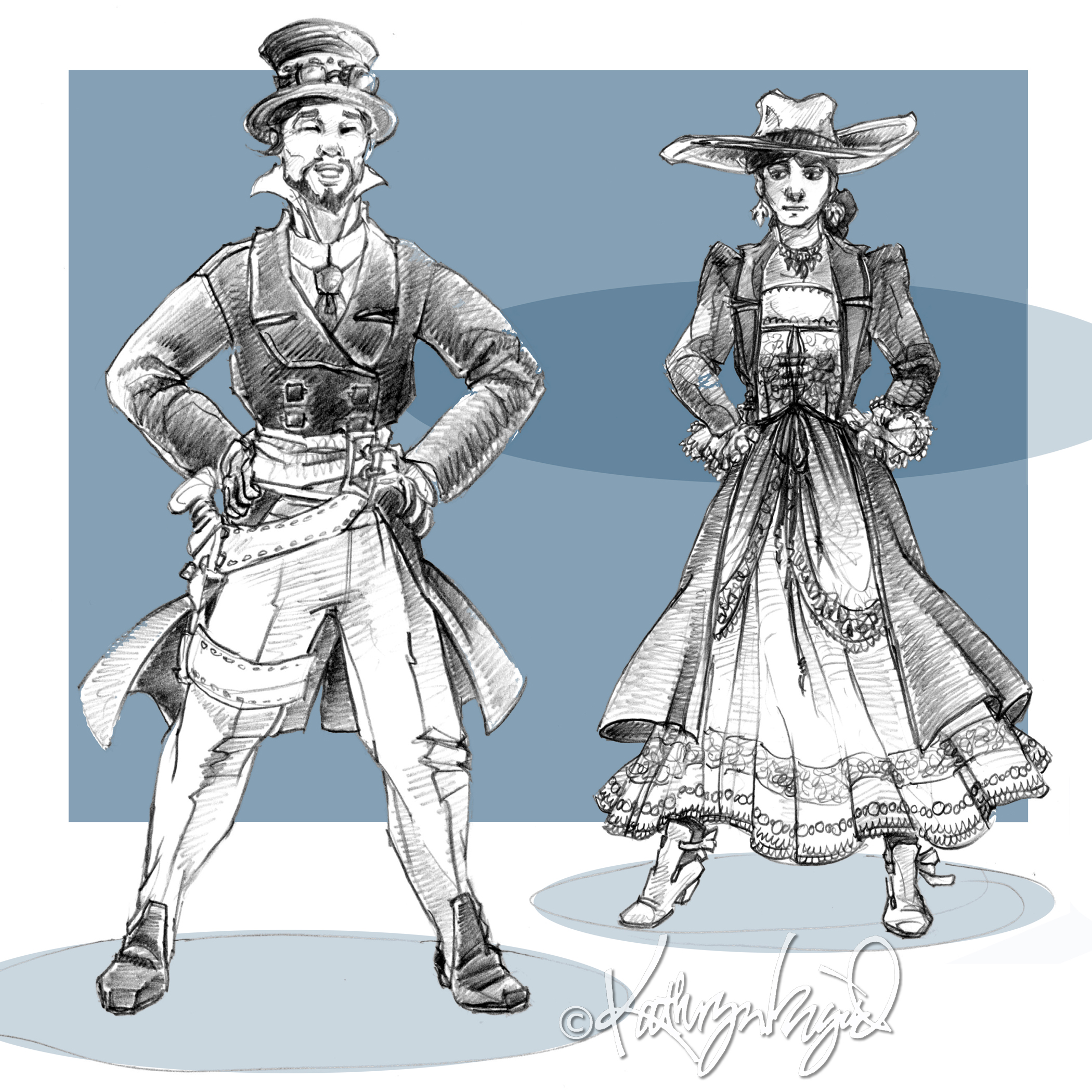
Of Frontiers and Pioneers

I stand in perpetual amazement and awe at the courage, will and dedication it takes to live on the cutting edge of things. How is it that people find those first inklings of a new trail and then, also, the nerve and wit to set foot on it, the persistence and bravery to pursue it to its unknown, unforeseeable end? Seems to me that there’s far more than a hint of the miraculous in the whole enterprise: to recognize that there’s something utterly new and unprecedented Out There somewhere is astounding enough, but to have the wherewithal to pursue it with passion or plain doggedness is much more remarkable, in my view.

It’s rather beyond my ken, this intrepid spirit–or willful folly–that moves anyone to go off into the great unknown and sail over the flat edge of the earth in a pipsqueak of a boat, looking for answers, or for adventure. While I know from my own very limited experience that those things in my life I’ve most treasured generally came at the price of a certain amount of risk beyond my usual, I’ve never quite been able to imagine how there can be people who actually seek such danger, who desire huge challenges. My idea of a grand showdown with Fate falls somewhere between going into a different grocery store than my usual ones and putting on pants that were a little too tight last week.

I am sincerely grateful that there are other people on this planet willing to plunge into the unknown and take on its vagueness and vagaries head first, for without them I wouldn’t exist. It’s not simply that I wouldn’t live in my accustomed comfort and safety, but indeed that I wouldn’t know what was safe-vs-poisonous to eat, let alone which of the seemingly available house-caves were already occupied by less than teddy-cuddly bears. On top of all the basics of safety and shelter and health I am glad that there have been explorers and inventors and pioneers of every sort, all out there avidly finding, making, fixing and each in his or her own way advancing the things that make life so livable nowadays for me and for others like me who are equally unprepared to live on the razor’s edge.

And I’m especially happy that so many survived these trips to the borders of reality and came back to tell the tale. It’s pretty swell for the rest of us, and I’ll bet you, too, are glad to be among the surviving heroes–especially if you’re among the handful that eventually came off the high of discovery and achievement and said to yourselves in a faint echo of what I was saying all along: ‘What on earth was I thinking!‘ If you’d like your thanks at your personal high noon or any other time, I’ll be right here in the safe and comfortable reality you bought for me, slinging no guns at Destiny other than those housed in my safe and comfortable internal universe.digitally enhanced drawing