Foodie Tuesday: Butter and Bread

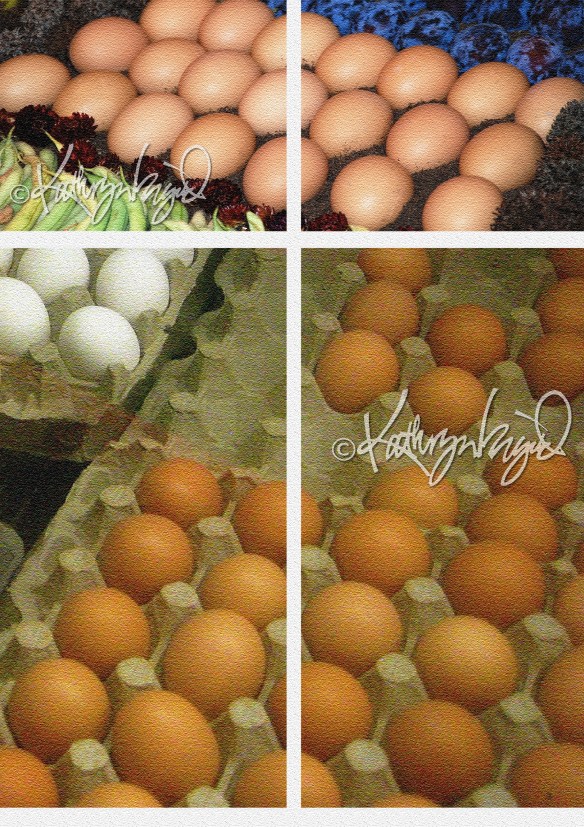
Photo montage: Peasant BreadYou have noticed, I am sure, that the phrase in English is virtually always given as “Bread and Butter,” but if you’ve been here even once before on a Tuesday, you know quite well that for me, butter—not bread—is the sine qua non of this duo, and indeed, in a multitude of other pairings and combinations. Bread, no matter how delicious, is first and foremost a vehicle for a quantity of excellent butter. I will, like other people, eat bread without butter if it’s superb bread or there is no butter to be had, but if you think I won’t eat butter without bread you are very much mistaken.

Butter is delicious.

It is also emerging, in latter years, from under the cloud of privation-inspired (wartime rationing, the Great Depression, and so on back through the ages) inhibitions that resulted in the invention and embrace of all kinds of butter substitutes and, subsequently, the pedantically reinforced attitude that fat in general, and butter, specifically, represented the earthly form of Pure Evil. Turns out that the less dramatic and more practicable truth is that fats, butter among them, are no more dangerous when eaten by non-allergic people and in reasonable quantities proportionate to their other food intake and not processed in ways that remove it too far from its natural state—fat is digestible, useful, and even healthful. Well, butter my biscuits!

Yes, bread is delicious, too.

The list of breads I love is astoundingly long, beginning with the simplest unleavened kinds and wending its way through worlds of batter-based, raised, kneaded, savory or sweet, dark or light, dense and moistly heavy (say, a chocolate-y black pumpernickel) or ethereally feather-fluffy and flaky (perhaps a vanilla-scented brioche or a just-baked croissant) to the filled, sculpted, decorated concoctions of the most masterful bakers. While I was never a baking genius, I was a dedicated maker of a variety of rather delicious breads during grad school, using the kneading time as my meditation and the choices of style and flavors as my medication, both necessary for the survival classes like Ed-Psych and Statistical Data Analysis for Pedagogical Applications.

My favorites to make tended toward the frivolous dessert-tinged breads, upon which a slathering of butter served, in essence, as icing on the cake. I used that classic baking bible, Bernard Clayton’s Complete Book of Breads, for many of my inspirations, though as I always do, I roamed far and wide in making substitutions to suit my pantry and my mood as I baked. But probably the two recipes I used as my foundational go-to favorites most often were from Mom, for Limpa (light, sweet Swedish-style rye) and Julekake (cardamom scented sweet bread traditionally made with dried and candied fruits and peels). I’ve made Limpa plain, once or twice, to be sure, but I can guarantee I never made Julekake exactly according to recipe, since every single version I’ve seen or eaten elsewhere contains raisins and often, candied cherries, neither of which I like texturally in baked goods. Just not my thing. So I’d either delete some add-ins or make all the measures of fruity/candied ingredients in the recipe be strictly candied peel and citron, which will undoubtedly make lots of people laugh, since very few folk I know dislike raisins, or even those neon red-and-green candied cherries, but citron is notoriously a love-it-or-hate-it ingredient and I gather, is less often admired than reviled.

Go figure.

Much of the time, when I’ve baked from recipes that called for candied peel and fruits, dried fruit pieces, nuts, and that sort of thing, I like most of all to substitute that sort of thing with my preferred varieties of them, whether it’s in breads, cakes, cookies, steamed puddings, or anything else. So you’re more likely to find me making a facsimile of Julekake that contains a combination of citron, juicy candied orange peel and ginger, diced dried apricots, and coarsely chopped dark chocolate. That’s the way I roll knead to do it.

And still. Even though it may be full of candy, I’m going to slather some fresh, cool, lightly salted butter all over that bread before I eat it, if I get the slightest chance. Makes it slide down mighty nicely, if I do say so!

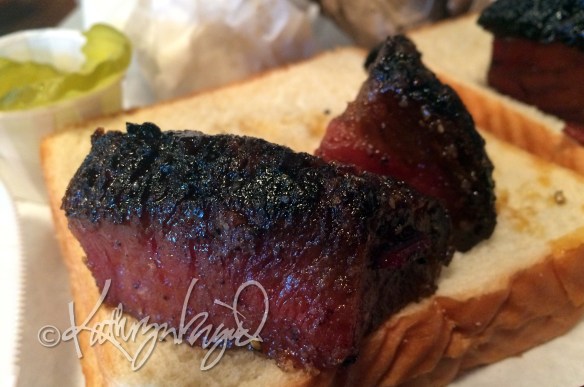
PS—All of that being said, I do greatly enjoy bread’s natural suitability as a superb support and vehicle for lovely fats. Being in Texas, I am glad to indulge my admiration for fine BBQ (and whether it’s meat or not, it ought to be good and greasy) as often as possible, and sometimes even the squishy, soulless processed bread traditionally served with BBQ is perfect with it, a plate you can eat when the rest of the meal is gone. Incredible burnt ends. A hunk of bread to sop up the fat, outside and in. No dishes to wash. Bonus points.Photo: BBQ Fat Happiness
Foodie Tuesday: Freshness, with a Hint of Asia

For cold-weather refreshment, try a composed salad of roasted beets, fresh pears and sugar snap peas, dried apricots, ginger, rice vinegar, macadamia or avocado oil, elderflower syrup, chopped roasted salted peanuts or almonds, mint, and black pepper.

Served over Pad Thai noodles seasoned with a little tamari, it becomes a more filling meal. When you add a lovely piece of grilled or poached salmon (how about poaching it in—mmm—coconut milk?) or a succulent roasted duck breast to the plate, it becomes more elegant and yet more satisfying to a hungry guest.

Sake on the side might be a dandy tipple, or perhaps some apple cider (still, sparkling, unfermented or hard) is more to your taste.

Photo: A Hint of AsiaAnother version:

Salad of carrot-shred “noodles” dressed simply with lime juice, ginger syrup and a little avocado oil and sprinkled with plain sesame seeds.

A half-and-half mixture of Pad Thai rice noodles and bean threads, cooked in broth (my homemade chicken broth, in this instance) and dressed with a sauce of blended peanut butter (no additives but salt, please), fresh mint, Thai basil, and cilantro leaves, minced fresh ginger and a sparking of red chile pepper flakes. A little fresh lime juice squeezed over the top, and there you have it, a meal ready to eat that’s a fair sight fresher and zestier than, say, the MRE goodness our military friends get served. This combination works fine on its own as a light meal, or can have quickly cooked prawns or roasted chicken or fried tofu added for a boost in flavor, texture and protein as well.Photo: Fried Rice & Wasabi Eggs

Of course, there’s the old standby as well: fried rice is always easy and tasty. In the photo above, it had toasted almond slices and (barely visible) tiny shrimp, along with soy sauce and sliced water chestnuts, honey and shallots, and peas as tiny as the shrimps. It might be accompanied by something unique each time just to shake things up a tad and keep that sense of freshness humming. Wasabi-deviled eggs are a simple and welcome textural and flavoring pizzazz, along with the ubiquitous garnish we love, sushi ginger. As always, the ingredients I keep on hand may not vary widely, since we have our household favorites and limitations just like anyone else does, but it’s amazing how many variations can be made from different groupings and proportions of them and techniques for the dishes’ and meals’ preparations. Some things never really change!

Thirsty Thursday: Egging Me On to Greatness…

…not really. Just to warmth and contentment. But, given my adoration of nearly all things egg-centric (see what I did there?), it’s no surprise that when I got both thirsty and chilly this week my thoughts turned once again to eggnog, but this time warmed, not cold. If I thought I could procure some fresh ostrich eggs for the purpose, I might well experiment with ostrich eggnog, because every time I make that drink it mysteriously disappears in a trice, and cracking and separating so many eggs at a time does get a little tedious.Photo: Ostrich Eggs

Never mind that, eggnog is worth it.

So this time, I varied it again with both the heat treatment and the flavors, just to please my  palate with a little change from the most recent batches. One part cream, two parts whole milk, a splash of vanilla bean paste, a pinch of salt, a hefty sprinkling of ground cardamom (one of my very favorite spices, as you know, and very holiday-friendly too) and a squirt of honey. I steeped traditional Earl Grey tea in the mix while bringing it all to a steaming scald and then, having separated eggs and put the yolks into the blender at medium speed to fluff ’em up for a while, I poured the hot-hot milk mix in a thin stream into the machine and let it cook up the eggs whilst whipping the whole into nearly as enthusiastic a froth as I was building up in anticipation of drinking it.

I did let it cool enough to not scald me as well, and it was worth the wait. It’s even worth the wait I put you through by forgetting to put up a Foodie Tuesday post this week. Oops. The nog was warming and comforting, as hoped, and with a dash of yolks for protein that made it a great way to stave off any hints of hunger until dinnertime. At dinner I ate a bit of chicken, but I think I can safely say that though I’ve nothing against trying ostrich meat, which I hear is delicious, the likelihood of my finding any of it handily nearby to fix for my dinner in north Texas is about as high as that of my getting its eggs for my eggnog, so I’m sticking with the chicken-and-egg approach for now, and can assure you that at least on this particular day, the egg came first. But I win. Now you know.

Photo: Earl Grey Eggnog

2014 will soon be So Yesterday!

Digital illustration from photos: Pedaling Furiously

Here we go again, pedaling furiously into the next year. Wow! So much hustling and hurtling. So many fireworks going off in every direction! So many possibilities.

First, a little bit of a kindly sendoff for the year-that-was. A tasty dinner together with my beloved, a refreshing glass of brut champagne for an early toast, just in case we don’t care about staying up until midnight. We’re not fussy about holidays and parties and when they get celebrated, and yeah, we’re kind of old geezers about a whole lot of things, and have been since way before we were technically old, or geezers. In any event, as ordinary as we are in most ways, we’re not necessarily conventional in many of them, either, so we sip our champagne at 7:30 pm and wash down our steak and roasted potatoes with it. The apple crostata didn’t set up, so it was better served as applesauce (with the few little bits of the crust that toasted up properly) for dessert, and washed down with homemade eggnog. No big deal; the day when a crostata doesn’t crisp up fully before the filling tries to scorch is neither a new thing nor the end of the world.Photo: Meat & Potatoes are Nothing New

And the eggnog was spiked, after all.

Happy New Year’s Eve!

Foodie Tuesday: Start with Simplicity

The end of the year is a good and fine and happy thing. I would never claim to be so tough and unsentimental as to reach the end of anything without a glance backward, without a touch of wistfulness about all of the great things that have been. I’m much too thankful for my wonderfully blessed life to leave it all behind without a blink. But the obvious upside of the end of a good thing is that it is, potentially, the beginning of any terrific other thing I can imagine and am willing to work toward experiencing, knowing, or achieving.Photo: Sparkler

I’ll toast that. Something sparkly is always appropriate for inviting the most dazzling future imaginable to come and be mine. So whether it’s mineral water with a little fizz, elderflower or fruit pressé, or some refined adult bubbly beverage, I’ll drink to a magnificent future. Some delicious food is appropriate with that, not to mention a good way to slow down the drinking of the sparkling drinks in a good and healthy way. My preference for occasions like this is food that is easily prepared ahead of time, varied in flavors and textures and temperatures and all of those lovely kinds of qualities, and easy to eat without a lot of fiddling around with cutlery. Yep, a cocktail party. Kids love hors d’oeuvres or appetizers just as much as their elders do, and most of us get a special kick out of miniature stuff, too, so finger food with spritzy drinks wins!

Photo: Smultron

Well, maybe not *that* miniature. A girl could starve to death.

But a new year also begs me for a new attitude in general. One of my particular wishes for the year ahead is that, despite the many worthwhile and appealing events that guarantee a busy twelvemonth, I will live as mindfully as I can. I want to savor all the food and drink of which I partake, just as I should relish all of the events of the day to the fullest extent I can. Do less, and do it more slowly, just because I can get more out of what I do choose, from the food and drink I enjoy to the events of the day in which I enjoy them. What a thought.

For my New Year’s Eve and Day celebrations to gleam the most brightly and beautifully, perhaps a contrasting context of unhurried, uncomplicated quiet and calm will be the best setting for the jewels of newness and anticipation. I resolve to unplug sooner, more often, and for longer periods throughout the year ahead. Our recent power outage adventures were a marvelous reminder of what sweet benefits come from that one easy commitment. A single evening with the lights off, the oven, microwave and TV out of commission, the batteries of our computers run down to empty, and the bridge into town closed by the same storm that knocked out the power—that night was an unexpectedly welcome and timely reminder of what really gives me joy. Even a dinner of cold cereal was a remarkably delicious last-minute substitute for the intended hot food, when I ate it in the company of my beloved, the two of us leaning in over our bowls by amber candlelight and laughing like little kids at the campfire-casual quality of our romantic evening.Photo: Candlelight Dinner

Later, we sat on the couch, with our handful of candles occasionally flickering brightly enough to reach as far as the rain-blurred windows, and enjoyed sipping an exceptional red wine while doing nothing more plugged in than attuning ourselves to an actual, slow, lengthy, lingering, lovely—hey! Watch those minds of yours, y’all!—conversation. Heaven. An uninterrupted evening of candlelit dinner and conversation over a superb glass of wine. I’ll enjoy this New Year’s Eve with my medium-rare roast beef and baked potatoes, the dessert of freshly baked apple and brown sugar crostata (pictures to follow!), and the happy midnight toast of sparkling goodness, yes, absolutely. I look forward to many more such delights in the year yet to come. But I’ll take better advantage, too, of the day with a plate of fried eggs, a rasher of bacon, and a glass of milk, or the evening when I thought I was going to have to eat on the run and a canceled event let me stay home instead and fix up a nice, slow-simmering ragout of vegetables and mushrooms to eat with chewy, crusty peasant bread, perhaps complemented by another glass of that marvelous red wine.

Photo: Dawn's Early Light

A new day is dawning…

Slow and steady doesn’t just win the race; it is the race. Happy New Year to us all!

Foodie Tuesday: Meringue Merengue

Digital illustration from a photo: Egg SeparatorEgg Separation Anxiety never plagued me much, even if there’s no support group dedicated to its eradication. Mom taught me how to break open an egg delicately enough to slip the yolk from one half-shell to another over a cup or bowl while letting the albumen slide away, keeping the yolk intact and the white pristine enough for a good souffle or meringue. But do I think to do so very often? No, hardly ever. I really do love souffles and meringues, so it’s silly not to do a little egg separating and have a little bit of delicious, fluffy fun once in a while.

Heaven knows that inflated eggwhites are highly trend-friendly these days, anyway. All I have to do is have one little look at any of the menus, Pinterest boards, food blogs, or cookbooks that are current to be instantly engulfed in a vast snowbank of handmade marshmallows, mile-high mousses, and macarons. I think I can safely say that I am so far from being trendy as to have missed out on cutting any edge more exciting than my homely and unvarnished manicure.

Trends are usually overrated, anyway. Beaten eggwhites? Not.

But let’s stop dancing around this and start talking about what separating eggs can do for deliciousness. Less merengue, more meringue!

Kransekake biscuits! The famed Norwegian celebration dessert, a conical construction comprising rings of ground almond meringue that, in my family’s recipe, is made with a fantastic, simple (nuts, egg whites, sugar. Period.) dough to bake up into lovely chewy cookies when broken for eating.

Meringue crusted tarts! Cinnamon crust, apple filling with tawny port. Rose water crust, strawberries in pomegranate curd, topped with candied rose petals and finely chopped pistachios. All sorts of options that imitate but don’t supplant the lovely Pavlova in their magical variety. A lightly sweet, crisp meringue topped or filled with soft fillings of fruit, custards, mousses, and the like makes for a heavenly treat.

And, since it’s holiday time hereabouts, my own variant of île flottante, eggnog with a meringue cap. I kept both very simple this time around: the eggnog being an extremely uncomplicated thin custard made with cream, whole milk, cane sugar, a pinch of salt, a whole vanilla bean, a good grating of fresh nutmeg, and a whole bunch of egg yolks—in this case, the yolks of eight eggs for a combined quart of milk and cream. Warmed to a near-scalding temperature while being whisked continuously, it thickened slightly before going into the refrigerator for further thickening and chilling.

[For those who wish, a nice tot of bourbon, rum, or brandy (or any other liquor or combination of them that you like) can give this dessert-y treat a grownup twist, as long as you’re grownup enough to imbibe intelligently and stay away from dangerous things like cars, cliffs, and ex-spouses*.]

Meanwhile, with the eggnog chilling in the fridge, there’s plenty of time to whip up the eggwhites into sturdy enough peaks to keep their winsome little curlicue tops under the broiler while getting a quick gilding. All I added to the eggwhites while beating them into submission was a big splash of lovely dark maple syrup.

Pour some eggnog into a glass, add liquor if you like, and top with a little party hat of golden-skinned soft meringue, and toast the occasion. And the goodness of eggs, while you’re at it! Cheers!Photo: Eggnog with a Party Hat

* Note: Just in case anyone takes me too seriously, I should mention that I have the privilege of being married to a guy who has two genuinely excellent exes, and I consider them both fabulous human beings, so I only have to avoid the aforementioned cars and cliffs, myself. In fact, I’ll happily tip back some tipple with either of my predecessors anytime without fear of anything but conviviality (and possibly, hilarity) happening. It’s all about how the relationships are managed, just as it’s about how we manage our imbibing.

Foodie Tuesday: For Which I’m Very Thankful

Photo: Thanksgiving in New BraunfelsI enjoy cooking. Not as much as I enjoy eating, or I’d probably bother to get chef training and go to work as a cook somehow, but I do enjoy time well spent in the kitchen. Still, I am ever so glad to let other, and very often better, cooks feed me. I was delighted, for example, to let the hotel staff in New Braunfels (Texas hill country) put together the meal my darling spouse and I shared with a ballroom-full of senior citizens and a small handful of their child and grandchild youngsters on Thanksgiving day. The food wasn’t especially gourmet, being an all-day buffet of extremely familiar and generally uncomplicated dishes long associated here with the holiday, but it was satisfying and traditional, and I didn’t lift a finger to help in its preparation, unless you count buttering my own bread. And I loved that—especially at the end of a long no-breaks haul for my hardworking husband, and in the throes of freshly hatched holiday colds for both of us—we could pay someone else to feed us. I’m grateful every day that I can afford to eat, and nearly always whatever I want to eat, and that sometimes others will do the fixing for me.

I’m also pleased to have access to foods that are, when I do want to cook, easy to make into something nice to eat. Vegetables almost never miss the mark in that realm for me, even though the aforementioned darling isn’t quite so hot on so many of them as I might be. It still fascinates me that he has, thanks to being a supertaster, an arguably restricted palate, but likes some foods that one might never expect a picky eater to like. He is an avowed avoider of things garlicky and onion-heavy, yet numbers among his joys when choosing a meal such famously garlic and onion friendly cuisines as Italian, Thai, Mexican, Indian, and of course, Tex-Mex. It’s all about how the ingredients are prepared, integrated, and combined, isn’t it. This guy who despises Weird Foods (and to him, they are myriad) will happily eat raw fish—not so familiar at all in America until recent decades—if it’s in the form of well-made sushi. As we draw near to the two-decade mark of marriage ourselves, I still do not presume to read his mind, culinarily speaking, accurately at all times. Not that this assures I can’t or won’t eat what I please, when it pleases me, but it’s easier to accomplish when dining out than when I’d have to prepare separate dishes for us, a thing I’m willing to do only occasionally. Another reason to appreciate visits to restaurants and friends’ tables.Photo: Fresh Onions

While I’m on the subject of vegetal delights, let us then ponder some specifics. And why not start with garlic and onions? The flagrantly fragrant lily relatives are amazingly versatile, able to range from hot and spicy to mellow, even to sweet; in texture, they can be soft, chewy or crispy, depending on their preparation. They can add color and pattern to a dish with their concentric layers, their bulbs and leaves, or they can melt right in and disappear, leaving only their flavor to remind of their presence. Thanks to my partner’s tastes, it’s rare that I’ll indulge in any of the more potent forms myself unless he’s out of town for a length of time, but I still remember how to use them in gentler ways when I’m in the mood. For example, two very different kinds of soup starring alliums: French-style Soupe a l’Oignon, and a Creamy Leek & Potato Soup.

The Creamy Leek & Potato Soup is simple enough to make, but should be done rather slowly to get the best out of the ingredients gently. Leeks must be cleaned very thoroughly to get the sandy dirt and grit out of their layers, and an aggressive approach to the cleaning is fine when they’ll be pureed anyway. So start by trimming the leeks’ green ends well and removing their root ends, then split them in half lengthwise and soak them in a basin or sink filled with cool water before hand-checking them for any remaining dirt. Meanwhile, clean, chop and boil an equal amount of potatoes (skin on or off, depending on the variety and your wish) in water with a couple of bay leaves and a dash of salt. Drain the rinsed leeks, reserve a small handful, then chop the rest into pieces about an inch/2 cm long, and soften them until they’re melting with a slow sauté in lots of good butter. Slice the reserved leek pieces as thinly as possible and fry them until crisp for use as garnish when the soup’s ready. When the potatoes are fully cooked, remove the bay leaves from the water, pour in the buttery leeks, and puree the water, leeks, butter, and potatoes into a thick soup, thinning it to your preference with cream or half-and-half. Season to taste with salt and pepper, top with a spoonful of sour cream or creme fraiche, and sprinkle some of the frizzled leeks over that before serving.

Soupe à l’Oignon is delicious when made with a chicken broth base. I know, I know: many traditionalists insist that beef broth is the proper foundation for French onion soup. But I always found chicken broth (especially my own homemade stuff) the best fit for the soup’s overall flavor profile. I might even go strictly vegetarian rather than use beef broth in it, knowing how I tend, and if so I would definitely opt for adding some powdered Cremini mushrooms and a splash of Tamari to the roasted mirepoix mix in my veg broth simmer to make it a little more robust before straining it. But my basic recipe always started with the onions. I like plain yellow onions, and slice them into about 1/2″ (1 cm) thick slices after cleaning them. If I’m making the broth on the occasion of the soup itself, I’ll throw the onion skins into it for the beautiful amber color they lend. A nice big pot (even a half-full slow cooker) full of sliced onions with a pinch of salt and a lot of sweet butter can cook slowly and beautifully into a smooth, jammy confit, and that can be used in any number of dishes later, if you save some by vacuum-packing or freezing it.

Last-minute prep of this beauty is simple. Heat the number of desired 1-cup (or so) servings in a heavy pan, and when the onions are just about to stick to the pan, deglaze it with a good splash of dry sherry, broth, or water. Spoon each helping into a heavy bowl, mug, or ramekin. Barely submerge the onions with a helping of broth, whichever kind you have in mind. Top each helping with a slice of well grilled dense, chewy peasant bread. Top the bread with a hefty slice of Gruyère cheese, broil until bubbling and golden-brown, and it’s ready to serve. Not quite ready to sip, though. Try to wait until you won’t get broiled by the hot cheese yourself. Worth the wait. It’s kind of like growing the vegetables in the first place. Patience pays in deep flavor.Photo: Fennel & Carrots

In this regard, there’s a whole range of marvels in the vegetable world that are only made more lovely by roasting the veg. Take fennel. The homely bulb is somewhat celery textured and mildly licorice flavored in its garden-fresh state. Generally speaking, I hate licorice. But with a light roasting in a bit of oil (preferably olive or avocado) or butter, fennel becomes an ethereal and delicate variant of its former self that I really do enjoy in small amounts. Swell in a combined vegetable roast; fabulous in a bouillabaisse or cioppino. Throw some herbs, carrots, and onions, along with masses of seafood, in the tomato-based broth, and with that whisper of perfumy fennel as a top-note, you have some magical brew.Photo: Radishes

Beetroot is a master of flexibility, whether as the star of the moment or as a sweet and sultry mystery ingredient in a dish. Even the homely radish raises the possibility of delicious dining, when kindly handled. The old standby of a radish sandwich (just thinly sliced, lightly peppery radishes served open-faced on sturdy but refined white sandwich loaf slices, heavily buttered and lightly salted) is a fine place to start. An icy-spicy salad of sliced radishes, fresh mint chiffonade, and sliced sweet apples (something like Fuji, Jazz, or Pink Lady) in a light dressing of rice vinegar, macadamia oil, sugar, a grind of black pepper, and a pinch of salt. Of course, I can’t give you actual recipes for my foods, being almost constitutionally incapable of replicating the quantities and combinations of any dish I’ve made. I vary what I’m preparing based on what’s on hand, and I’m awful at following existing recipes, so you should take what say with a pinch of salt, too. Something that rarely hurts the preparation of a fine vegetable, by the way, a pinch of salt.

The other instructive clue I’m happy to share with you about vegetable preparation today is, of course, the efficacy and beauty of somebody else doing the work. Works for me!

Foodie Tuesday: Worth Getting Out of Bed

On some rare occasions, it’s actually worth getting out of bed before noon-ish. When the breakfast is that good, you know you’ve accomplished something, because I have no intention of cracking my eyelids open any earlier than I absolutely must. Sleep is the one thing I crave more deeply and often than food, and you all know how much I covet good eating, so it takes the prospect of great culinary splendor to drag me from the comfort of my bed one minute before I am good and ready to do so on my own.Photo: Breakfast in Budapest

Since I’m generally the one responsible for putting breakfast, if any, on my own plate, you can guess how often I’m likely to spring into action to see such a meal prepared and presented. I may have some lovely dreams about breakfast, but I prefer to enjoy them while still firmly ensconced in bed. When I do break my fast, it’s far more likely to be with brunch or even lunch than anything earlier, given my druthers.
Photo: Bulle med Kardemumma

I tend to make exceptions when I’m traveling. Often, the causes for the expeditions are beyond my hourly control, so if I have to be up before my internal alarm is interested in my arising, I will generally take advantage of any good food being offered by my hosts, whether they’re homeowners hospitably letting me invade their personal space or hotels with in-house breakfast accommodations. These pictures, for example, come from the summer’s travels and represent foods that went a long way toward ameliorating the agony of having to get out of bed before it seemed the rational thing to do. If anyone is to have half a hope of maneuvering me out of a comfy sleep any time before my body would grudgingly agree to that negotiation, it had better be, at the very least, with a magnificent cardamom roll (bottom photo, from Sandhamn, Sweden). Or perhaps the mind-bendingly gorgeous and seemingly endless spread offered in the palatial breakfast room (top photo) of our hotel in Budapest this summer. Otherwise, you can trust me when I tell you that it’s advisable to let sleeping dogs lie.

10 Terrible Words that Shouldn’t Exist in Any Language

Digital text-illustration: 10 Terrible WordsOne person who hates is a Weapon of Mass Destruction. One who cares and shares? Perhaps the only antidote.

As I recently said to my friend Maryam: poverty—both of concrete, material resources like food and shelter, and of intellectual and ephemeral resources (education, spiritual enrichment, the arts, community engagement, etc)—seems to me to be perpetrated and perpetuated more by selfishness than by an actual shortage of any of those resources. The rich and powerful always want more riches and power, and what they do have makes them able to afford and acquire more and to keep their feet firmly on the backs of the have-nots. Plenty is never enough. The resulting imbalance is as old as history, and rotten as ever. Only those who will speak up and resist entrenched inequities and injustices will have any hope of making change.Photo montage: Wolverine & Badger

The badger and the wolverine have a reputation for being among the most tenaciously savage brutes of all the mammals. Yeah, Honey Badger even has his own meme to show for it. But let’s be honest: no beast of earth, air, or sea has a capacity for vile, rapacious cruelty rivaling that of the human animal. Even creatures of the natural enmity of predator and prey compete, fight, kill, and are sated. They have little apparent ideation of hatred and war to match people’s. A wolverine or badger will fight to defend, or to kill for food, but unlike the human, doesn’t seem inclined to attack indiscriminately outside of its primal needs for safety, shelter, and food; when the skirmish is done as efficiently as possible and the need assuaged, the sharpest of tooth and reddest of claw among them doesn’t do an end-zone dance to celebrate its pleasure in winning but will usually depart the scene or go to rest for the next time of need. The remaining food and shelter and other resources stay in place for whatever creature comes next, hunter or hunted, cousin or not.

Can we humans not learn from such a thing? I’m pretty sure that if we destroy each other and ourselves in our constant self-righteous, self-congratulatory belief that we deserve everything we can get our hands on, Honey Badger won’t be the only creature that doesn’t care.

Foodie Tuesday: Chili with a Chance of Quesadillas

Photo: Slowpoke ChiliIn the cooler parts of the year, my fancy often turns to chili. It’s hot and hearty, filling and lightly (my versions) spicy, and it can be made in big batches and frozen in smaller ones for later ease of meal preparation. And I am quite open-minded when it comes to chili. I say this with full knowledge that as a Texas immigrant I risk censure, if not being thrown bodily into someone’s smoker. But of course, one has only to do a quick online search for Texas Chili to discover that while there are certain characteristics generally accepted as required for any chili to qualify for the Texas stamp of approval, the variety of actual recipes is just as broad and full of little surprises as the flat and arid plains of West Texas. And trust me, that’s going some.

The central tenet of Texan chili religion, as far as I can tell, is that it is meat-centric and it contains no beans. Northerners and other heathens are quite accustomed to thinking of meat as just another potentially wonderful addendum to a stew-like, tomato-y dish characterized by its spices rather than its more concrete contents, and I confess that I find it a little surprising and somewhat confusing to see “chili con carne” listed on a Texan menu, under the circumstances, but meat does seem to be the universally assumed Truth about good Texas chili. I am happy to make or eat all-meat chili, but I’ve nothing against chili with beans, with or without meat, or even a lot of other sorts of chile spiced vegetarian dishes. The latter are rarely what I would consider chili, myself, but if the texture and flavor profile of the concoction suggests that identity, I’m not going to waste valuable eating time on arguing the point.

You notice that I do differentiate between chili and chile, but that’s a simple linguistic issue in which the tongue plays only a minor role, not the happier and more significant one of tasting: chili is the dish seasoned with chiles, the spicy peppers or capsicums. Many use the spellings interchangeably, and there is no problem with that in my mind, either; I am always more interested in how these things play out on my palate than on my linguistic palette. In any case, it is the flavor of these deviously delicious capsicums, combined with a few other characteristic tastes, that most readily identifies a dish as chili to me.

I have nothing against making what I call ‘instant chili’* when time is short and the appetite yearns for that warming food. Since it’s the spice blend that carries the main weight of the dish’s identity, as long as I have that handy I can make what I think is a pretty fine facsimile of the long-cooked treat. So what are the flavors that I most want my chili to have?

Chiles. My favorite ways to introduce them to my cooking include, at various times, a number of possible dried, crushed, and/or powdered versions of capsicums, sold by spice companies as Chili Powder or Red Pepper Flakes or, simply, as individually named ground peppers or whole dried pods. While the pods of dried capsicums can certainly be made into a nice dusty powder in a good mortar, or can be rehydrated and pulverized to a paste (with a stick blender or food processor is most efficient), they are easier to keep whole and ground to powder in a dedicated spice grinder, like my tiny and cheap old electric coffee grinder that has never even met a coffee bean. I always have my go-to chipotle-spiked salsa in the kitchen, and that’s an easy ingredient to use as well. My favorite, though, is to mash or blend chipotles canned en adobo. I find San Marcos brand delicious even though they have never deemed it worthwhile to change their misspelled label. See? I’m not that picky about linguistics.

The other spices and flavors that I most care about putting in my chili are cumin, smoked paprika, a bit of black pepper, garlic powder, freeze-dried minced shallots, and usually a bit of oregano (Mexican oregano, if I have it). Cumin is the second-most characteristic spice flavor in this and many other Tex-Mex or Mexican foods, and having a kitchen bereft of that spice would leave me feeling like half a person. So make sure there’s plenty of warming, soul feeding, earthy cumin in my chili. And salt! But I don’t add much of that during the process, because of course one of the other secrets to chili is its long, slow melding of flavors, and if I’m making ‘instant chili’ it’s going straight to the bowls of individuals who will choose how salty they like it.

What is this ‘instant’ chili*, you ask? Just a quick fry-up of ground meat (usually beef, but whatever minced meat I have on hand, mixed or singly) with the aforementioned spices, dosed with enough tomato sauces (salsa, tinned tomato sauce/puree/pieces/paste) to make a nice thick stew, and if I want them, tinned beans—black beans, kidney beans, pintos or black-eyed peas or (a little White Trash favorite of mine) field peas, whatever shelled, cooked beans I’ve got on hand. When one is hankering, one makes do.Photo: Slowpoke Chili

When one has oodles of time, one makes the real, slow-cooked stuff in quantity. You could call it a name I think appropriate enough:

Slowpoke Chili

I start mine with a batch of homemade bone broth. Then, after preparing dried beans (I like to mix black beans, pintos, and small kidney beans for a fun range of colors and textures), I cook them in some of that good broth. Meanwhile, the meat chili is essentially a separate preparation: I like to put a batch of beef in my slow cooker, well covered in more of the same broth and seasoned with the spices and peppers I choose for the occasion. I use a mixture of coarsely ground beef and cubes (about 2 cm or 1 inch) of stew beef, and the amount of fat in even high-percentage ground meat is generally balanced out by the lean toughness of stew cuts, so I don’t need to skim the cooked meat-broth combination at all. If I’m putting any vegetables into my chili, those will almost always be mirepoix and sometimes, sweet capsicums. I’m less of a fan of green capsicums (bell peppers) than of the milder, less burp-inducing red, orange and yellow ones, but if bodily noises were really a serious issue, I’d hardly be making chili at all, would I. Wink-wink. Preparing the beans properly, if they’re included in the mix, does make a difference in that regard, anyway.

When I have vegetables to add to my chili, I pre-cook them with a slow sauté in butter, both enjoying the bit of caramelization and the butter itself as added flavor elements, and then they can jump in the pool with the meat. Whether with vegetables or without, the meat is likely to cook at a very low heat for at least 24 hours, if not more. I enjoy the freedom to potter around and do other household tasks while sniffing that great perfume for a long time, as it builds the appetite while infusing the flavor. Somewhere in that day or three, the meat (and veg) will have absorbed most of the broth, and I’ll add my tomato elements. While the spice blend is perhaps the identifying signature of chili, it’s no chili to me without good tomato flavor, so again, I add about enough to make a fairly soupy spaghetti sauce consistency, knowing that eventually the cooked beans will be added, or in the absence of beans, the meat and veg will soak up yet more of that tomato goodness.

This is less of a recipe, as you know is pretty typical of my approach in the kitchen, than a guide to possible combinations that will please me. The proportions are different every time, and whether I add beans, or even vegetables, is a matter of mood and company more than a matter of Texan patriotism; I am, after all, a Northern invader. But I can tell you, it’s generally pretty darn good stuff. Add a few tender corn tortillas that have been layered with salsa or tinned enchilada sauce, plus cheese: cheddar, Monterey Jack, Cotija, Queso Blanco, or any such blend or substitution of similar types of mild and sharp, melting and melt-resistant chewy cheeses that suit your fancy and then heated through. If that meal doesn’t fulfill your chili dreams, there are always a multitude of cooks around here who have what they will assure you is the one, true, Texan article.Photo: Quesadilla or Enchilada?