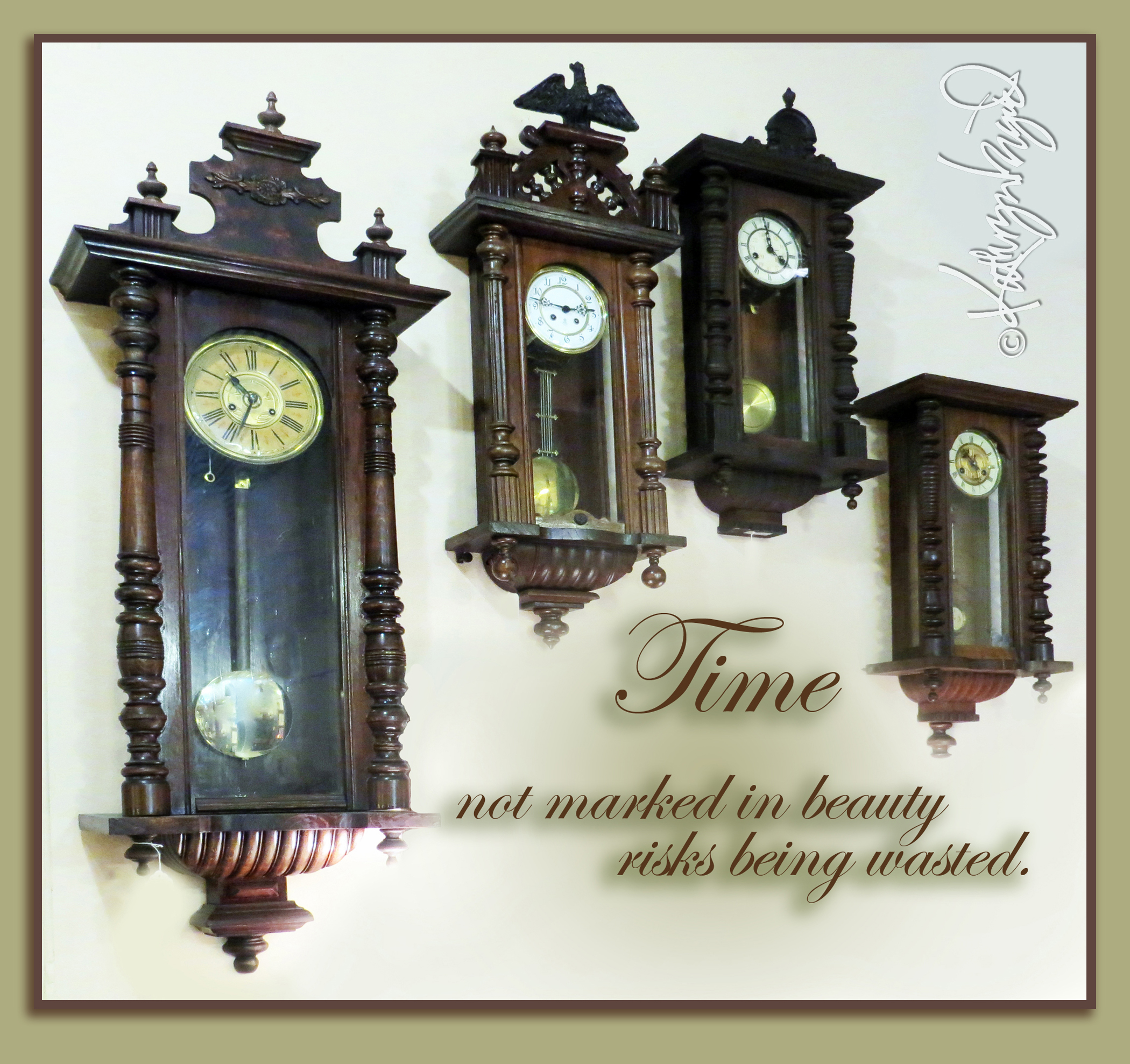
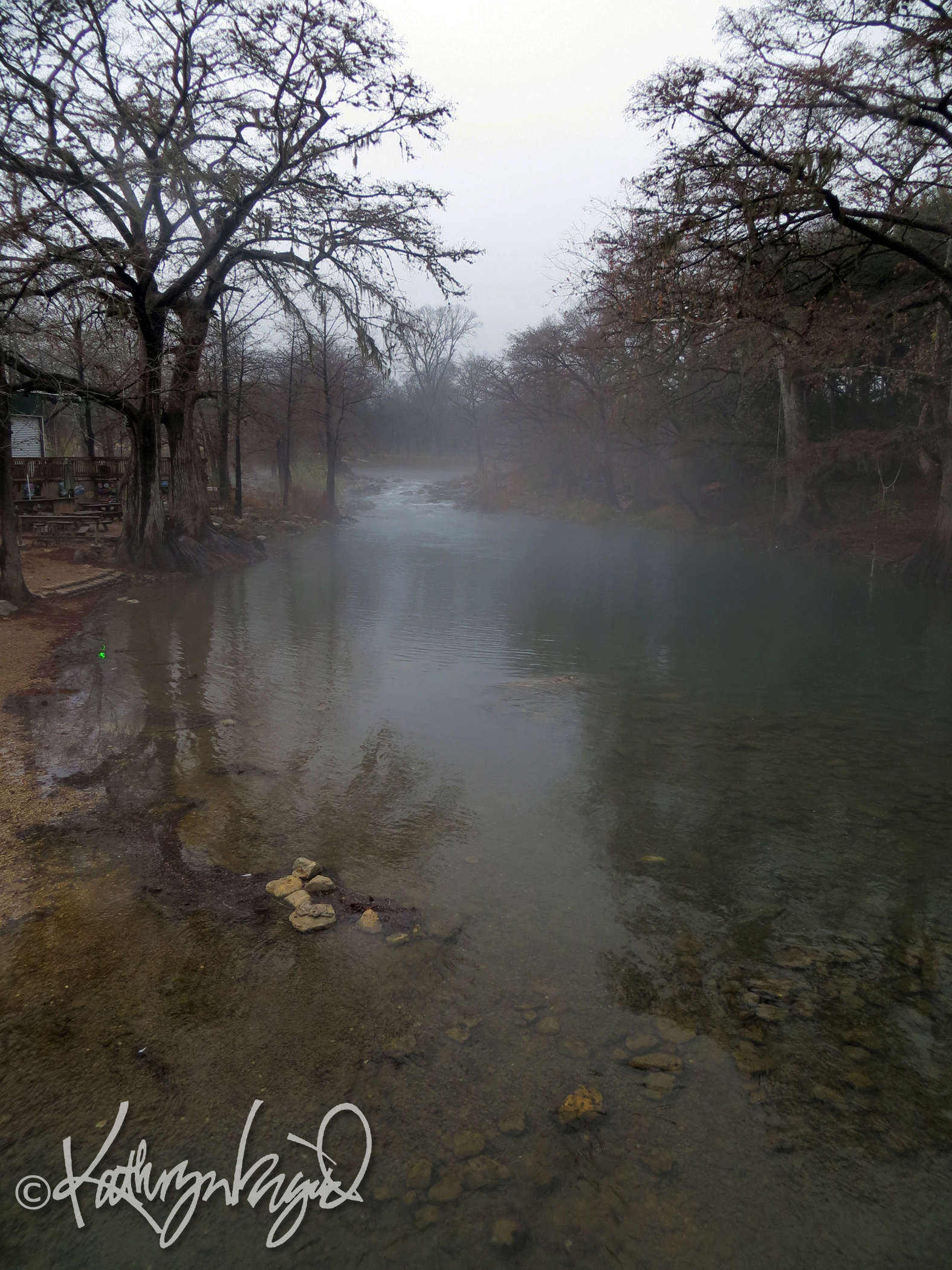
Now that everyone seems to have the technology to make cheap watches (which I must designate in my heart mere instruments for marking time, not timepieces), I get to wondering whether the beauty of true clockworks will always be preserved or will only serve as curiosities and fodder for art. That precision we take so nonchalantly to be ours is a museum of measurement and the poetry of a mechanism we should keenly regret to lose if we value something more than the rigid math of time, the seamless meeting of Doing and Deadline.
Category Archives: History
My Baroque Gesture
The first time I heard Early Music performed in period-appropriate style I experienced, not surprisingly I suppose, a full mixture of amusement, bemusement, mild horror and deep curiosity. It was in a performance of Claudio Monteverdi’s seminal opera Orfeo at the English National Opera; I was a mere college stripling who had probably not even heard the phrase Early Music at the time let alone known what it might mean, and ‘performance practice’ was in something of a time of transition. Anthony Rolfe Johnson sang the title role with, if I remember properly, a rather nice overall sound, but a straight-tone and senza vibrato style and a strangely stuttering kind of ornamentation that might well have been an authentic recollection of the opera’s original character and an accurate and historically informed version of the way it would have been presented by its composer and first performers. I, having never been taught such things, merely heard sounds quite foreign not only to my ear but to my concept of skilled and artful performance, let alone prettiness. I do remember thinking that either this was all far over my head (entirely possible) or it was a pointless and poor imitation of what the ENO imagined the average amateurish opera company of Monteverdi’s day must have been capable of doing (less likely), or poor Mr. Johnson, who later went on to receive his OBE, just plain wasn’t up to the job despite a naturally pleasant voice.
Years later, I may not be much smarter than the young squirt of those days, but I’m far more experienced and have heard worlds more music, both the great and the terrible and, of course, a massive quantity in between. And I’ve been taught a thing or two about the fine points of what is beautiful and magical when it comes to singing or playing with any amount of vibrato–or none–and the many elements that combine to create tone and color and variety and character in a performance. I’ve learned some useful stuff that changes how I perceive both the level of virtuosity in playing or singing and its aesthetic appeal, two aspects that do not always coincide in my ear, mind and heart but when they do, that combine to create a kind of joy that is virtually unattainable in any other way.
When my husband conducted a production of Orfeo over a quarter century after the first one I’d heard, I had a whole different understanding and appreciation for what the many performers were doing and why the stage director would expect them to do so both from a visual standpoint–training them, along with other coaches, in appropriate ways of moving and posing and gesturing as well as in those of vocal ornamentation, since she is a superb and well-trained Early Music singer herself–and an historically suited musical one. Just as there are countless styles and types of music known to us nowadays, which you can multiply by the number of individual teachers, performers and audience members to get a rough sense of the variety you’ll encounter, there were historical strictures and structures and stylistic trends and ideas that shaped earlier generations (centuries) of music and musicians and listeners, and while some have perhaps remained relatively unchanged since their inception, many more evolved over the ages. Our expectations of music have certainly changed, and our guesses as to how it was first conceived and perceived are only as good as the lines of scholarly inquiry and oral tradition can attempt to make them.
In all, it makes rich fodder indeed for both the ear and the imagination, and I for one am mightily pleased that I have had the opportunity to live a life immersed in all kinds of music and to learn along the way. I still like much of what I heard, whether ignorantly or not, in my younger days, and much of what I like now I learned to love along the way. While my form may be far from historically accurate or artistically impressive, I will still happily bow and curtsey to all the musicians who have shared their gifts with me in my life, and to all of those who work and are inspired to play more, to sing onward.
Ghosts of Our Former Selves
Daybreak Returns
From the grasslands, from the marshes, from the margins of the moor
Rise up misty ghostly creatures in the pearly light of dawn,
Some mementos, revenants or sylph-like spirits past and gone
To the brink of ancient memory and up to its creaking door,
People whom we, fond, remember or with some frisson of heart,
Those who populate our past, storied as fabled gods and kings,
Filled with magic and wild treasure and a million pretty things
That we wish we might have honored as such value from the start—
So at daybreak they come whispering, returning, silver-grey
Without tarnish in their sterling, as they rise up in our sight
And return to us those memories had fallen into night,
Bringing back that love and loveliness of theirs to present day
‘Social Activist Art’ is *New*, You Say???
A recent New York Times article reminded me that, no matter how I might classify myself as anything but an activist, I have always been one, of a sort. It’s true that I’ve always assiduously avoided conversation, let alone physical action, tied to politics, religion, social policy and pretty much any ‘hot topic’ you can name unless I sensed I was in the safest possible environment to do so–generally, amid a comfy flock of like-minded partisans. The article is chronicling the US uprising of a relatively new breed of American artists and their support systems dedicated to, as the title bluntly states, social activism; the author gives appropriate reference, of course, to the practice being a long-standing one in other parts of the world, but shares the view that it’s still rather fresh and new here on American turf.
I’ll grant that the forms and formats may well have changed, and that there might be a larger collective sense among those who would embrace this title of being dedicated to the purpose more specifically than others, but I will step right out on my own tiny soapbox now and assert that, insofar as art is seen as a form of communication–and this might well include virtually all art except that created and performed in private and without any wish or expectation than anyone other than its maker will know it exists–it is inherently activist. The decision to create something I intend to be art and allow it to be known to others says a whole lot of things about me, the subject of my work, and my general worldview, and if I am allowing others to experience these in the art, assumes that they will respond through and with their own worldviews to it, effectively in a social interaction, whether we converse directly about it somehow or those who have interacted with my art turn around and respond to it in the continuation of their lives.
Who knew I was such a rabble-rouser? But truthfully, even by making those ‘meaningless’ little doodles that don’t turn into full-blown drawings or paintings, I am making something of a statement, am I not? I scribble, therefore I am. By doodling, I am not only using my energy to do that rather than anything else, I am also creating a portal through which my thoughts can emerge; if they turn, via this scrawling, into a concrete idea it may lead to the completion of an artwork expressing it more openly. This, in turn, suggests that I have a thing or two to say and I’m willing for others to hear it, see it, feel it–to interpret it and respond to it, even. I never think of myself as daring, but I think it’s fair to say that letting my inmost thoughts and imaginings be seen and analyzed by others through their own filters is at least a little brazen, if not occasionally foolhardy.
One of my late mentors, Lawry Gold, wrestled with the supposed divide between art and function, and he was anything but shy about being an outspoken activist, albeit a very kindhearted and generous one. He was a boldly countercultural person in a great many ways, and yet he seemed to me to reach the peak of his own overt rebelliousness when he began working on a body of art that was deliberately and unabashedly functional (beautifully art-covered, distinctively designed tables, lamps, clocks and the like) for sale through his gallery agents. This was something I know he enjoyed at least a little as cheery cheekiness to tweak artist snobs who were apparently so benighted they couldn’t accept the marriage of form and function thus, or so rich they could afford to sit around waiting for other equally rich people to buy their non-functional work, no matter what the state of the economy. Besides that these were among his most gorgeous and sophisticated works, to me they spoke of the recognition that art, besides taking so many different forms, speaks to us in many different ways, and that breadth and depth has great value.
At the same time, my friend never stopped making ‘non-functional’ art, because he of all people also had a tremendous desire to communicate, whether it was by visual storytelling in his often humorous, whimsically imaginative artworks or by making a more specific point with his illustrative and symbolic works. And he never hesitated to engage in the discourse that followed anyone’s viewing of his work. He and I had a joint exhibition of our artwork once, and as I was curating and installing the show I objected to one of his pieces that he wanted included, thinking it was not in keeping with all of the others we had selected, and he patiently steered me toward a clearer understanding that it was indeed very well suited; even though I never liked that piece as much as the others, I found that it carried an important part of the ‘conversation’ made up by the whole of the exhibition, and in fact that one interaction changed the way I curated many an exhibition of others’ work in the years that followed.
Ultimately, I see in the creation of art–of any form–an act that if it isn’t in open defiance of the social norms, allows or even invites the examination of and discourse on them. So even though much art is not made, like Lawry’s, to function in an obviously practical way, it all serves a purpose; ‘merely’ being beautiful or compelling may be purpose enough in adding layers of pleasure or relief or catharsis, but many works go far beyond that in opening new vistas to our contemplation, influencing our beliefs and even challenging us to change our behavior. All art is potentially advertisement or propaganda, for good or ill. And if that isn’t social activism, I think my encyclopedia needs some new illustrations.
Foodie Tuesday: The Daily Grind Need Not Grind Us Down
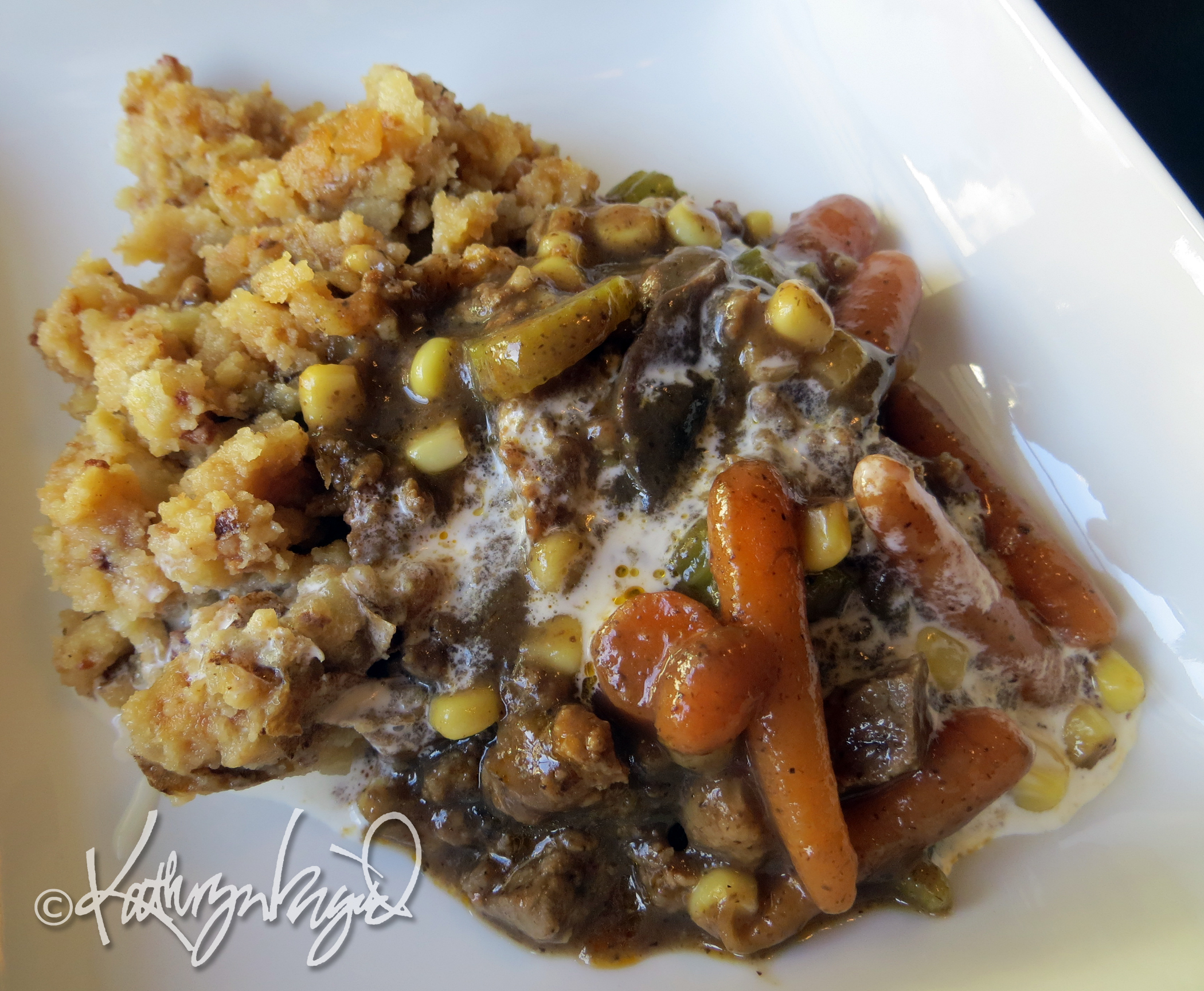
When I did a bit of checking on it, the name of my variant of Shepherd’s Pie seemed to be, by rights, ‘Pastel de Carne y Patatas’–but you know me, I can’t stick to proprieties very well. So I named it the more mellifluous sounding ‘Pastel al Pastor’, thinking as I do that shepherds get very short shrift in this day and age and can use a little flattering attention. What the dish is calls for it anyway, for it’s a rustic Mexican-tinged take on the comfort-food standard Shepherd’s Pie. In any event, like many longtime popular recipes, it got its start partly by using ground or minced meat, a hallmark of well-fed poor people’s diets since the cheaper cuts of most meats can become tenderer and allow much more expansive fillers and the disguise of plenteous seasonings in order to be palatable while still being relatively affordable.
Rustic and comforting it may be, but the simplicity of the end result in this recipe belies the multifaceted process by which it’s made. Don’t let that put you off, though, because it can be made in large quantities and frozen in smaller batches between times, so it can easily become a quick-fix dish after the first preparation. Shepherd’s Pie, in the vernacular, derives from the longtime concept of Cottage Pie, which in turn originated when cooks began more widely using potatoes to stretch those more expensive ingredients of the meal, the meats. Typically, these pies (and there are versions of them in an enormous number of countries, cultures and cuisines) are simply meat dishes, often made with the ‘lesser’ cuts or a mixture of leftover meats, with a potato crust. Probably the most familiar of them here in the US is the minced meat (and often, vegetable) mixture topped with mashed potatoes that is served in many a British pub and home kitchen and that we co-opted in our own American ways.
Mine, on this occasion, was to veer as I often do toward Mexican seasonings and enjoy my own little twist on the dish.
Pastel al Pastor
Seasoned minced or ground meats, topped with vegetables and mushrooms and gravy and served over smashed potatoes make altogether a hearty and countrified dish, not at all difficult to make but taking a little bit of time because of its individual parts. I make this in a generously buttered baking dish both because it’s easier to clean afterward and because–you guessed it–I love butter.
The bottom layer of the dish is made by frying a mixture of equal parts ground beef, pork and lamb, seasoned freely with salt, black and cayenne peppers, chili powder, smoked paprika and lots of cumin. Those without supertaster spouses will likely want to add some garlic powder as well, though it’s not essential. A splash of rich chicken broth or a spoonful of good chicken bouillon adds a nice layer of flavor, if you have it. Next, add a heaping spoonful of tomato paste and enough good salsa to make the meat mixture very slightly saucy, and just as the meats begin to caramelize, you’re done. [My go-to, if I’m not making my salsa by hand, is Pace’s mild Chunky Salsa with a prepared chipotle en adobo blended in thoroughly–I see on their web page that they’re reintroducing their chipotle salsa, so that’s probably fine too.] Drain the fat from the meat mixture and spread it in the bottom of your baking dish.
While the meat’s cooking, you can be preparing the vegetable-mushroom layer. I mixed about equal amounts of small cut carrots, sliced celery and sliced brown mushrooms, covered them with some of my ubiquitous chicken broth and cooked them until tender. Then I pureed half of them with a stick blender, adding a heaping tablespoon each of chipotle en adobo (that’s about a half a pepper), unflavored gelatin and potato flour for flavor and texture, mixed that with the remaining vegetables, and poured it all over the meat. I topped this with a cup or so of frozen sweet kernel corn and got ready for Potato Happiness.
Today’s version of this meal, Ladies and Gentlemen, was potato-fied with leftovers. I had half a baked potato and about a cupful of good french fries in the fridge, and they worked wonderfully when warmed with some cream and a touch of salt and smashed roughly. It would have been just fine to do the typical Shepherd’s Pie treatment of spreading the potatoes over the meat-and-veg before heating the dish through in the oven, but since this was all concocted of things I had around (taco meat I’d made and frozen, salad vegetables and leftover potatoes), on this occasion we just put nice heaps of mash on our plates and spooned the rest over them like meat-and-vegetable gravy.
For the more normal approach, I’d roast, boil or bake potatoes, season with salt and pepper, and combine with cream for the mash and then top the casserole, possibly adding some nice cheese either on top before browning it in the oven (a mix of shredded cheddar and Monterey jack, for example) or as a fine garnish, a serving-time crumble (cotija on top, anyone?). But ‘normal’ is overrated, and the dish was mighty, mighty tasty even deconstructed in this way. And it’s still flexible–yes, even a dish concocted of multiple leftovers has variety left in it, my friends. Add some peas (so many tasty cottage pies have peas in them), cauliflower, green beans, or any number of other vegetables. Make it spicier. Soup it up into a stew, with potato pieces incorporated. Change the seasonings to Indian and make it a post-Colonial curried version. You get the drift.
Thing is, of course, that this is precisely how the dish was conceived: as a loose general structure into which any number of variables could successfully be introduced, depending upon what was on hand. Save time, save labor, save money. Eat delicious potatoes and whatever flavorful wonders you can afford and imagine to combine under them.
Well, get along with you now, you know how it works. And you can be pretty sure that it’s going to taste good. That’s how folklore ‘recipes’ survive–on flexibility and reliability. Oh, yeah, and great fillers.
Even chicken, which sometimes gets short shrift when it comes to minced meat dishes because it’s left too unseasoned or cooked in ways that make it too dry, can make lovely ground meat dishes with a little effort. In the latest instance, I chose to precook mine in a sort of meat loaf sous vide, keeping the juices and additions in and on it until it was fully plate-safe, but this could easily be chilled in its loaf form, sliced and pan-fried without the intervening hot bath, I’m sure. And a food processor makes the loaf prep a snap, but it can be done with a knife and a pair of hands for mixing, too. In any event, I veered more toward Italy this time with my glorified chicken meatloaf concoction.
Cotolette di Pollo e Pancetta
[About 6 servings.] Mince and mix together the following and shape into a compact loaf: 6 boneless, skinless chicken thighs (dark meat stays moister), 3 ounces pancetta, 1/4 cup shredded Parmesan cheese, 1 teaspoon thyme, 1/4 teaspoon ground black pepper, 1/8 teaspoon powdered lemon peel, 2 eggs, 4 tablespoons cold butter and 1/2 teaspoon minced dried shallot. Wrap and chill the loaf until ready to fry it, or do as I did: vacuum pack it, cook it sous vide like a confit (low and slow–I let it go overnight), and then refrigerate until ready to use.
When it’s time to fix the meal, cut the loaf into slices about 1/4 inch thick and fry them over medium heat until lightly browned. With a well seasoned iron skillet or a nonstick pan, the butter in the loaf is quite sufficient to keep the slices from sticking, and they get a nice little lightly crispy crust outside their tender middles. I served mine with slices of fried cheese (any slow-melting mild cheese would do for this after-the-fact application, or you can top the meat slices with faster-melting sorts like mozzarella or provolone as the meat cooks) and a simple sauce cooked down from jarred passata (simple tomato puree–I like the Mutti brand passata I used, pure tomatoes with a little salt) mixed with the loaf’s excess juices, salt and pepper and oregano to taste. On the side, little ramekins of rice and buttered green beans are plenty, though of course there’s always room for invention on the plate. The whole assembly, since I’d put up both cooked rice and the confited loaf in the refrigerator beforehand, took not more than fifteen or twenty minutes to prepare.
¡Buen provecho! Buon appetito! Now, stop mincing around and get eating!
Be a Good Sport
It only just occurred to me that the admonishment to ‘be a good sport’ has little to do with showing athletic prowess and a whole lot to do with someone cajoling someone else to do a thing that the other person has no desire to do. What a to-do!
Perhaps this little guilt trip was meant, if the person saying it to me had any thought about it at all, to encourage me to discover that I actually enjoyed those activities (sports or other) under consideration once I willingly participated. Maybe those who said it even thought I had a hope of becoming skillful, adept, if I just faked a bit of enthusiasm until I got more properly involved. Cynic that I am, I harbor some doubt as to the former and, let’s face it, find the latter somewhat laughable. I can’t think of anything anyone would trouble me to do by telling me to Be a Good Sport that would be necessary to my survival or the rest of the world’s well-being, so it seems pretty plain that I was being chided to do that thing in order to please the person who was scolding me.
If, by not wishing to participate in the present extravaganza (whatever it may be), I am not a Good Sport, then it seems to me a bit like when those demonstrators and activists and yes, politicians, who cheer on their personal causes by insulting and tearing down and attacking their opponents rather than by simply extolling the virtues of the cause and letting it win converts and participants by its own evident excellence, and said promoters are then utterly mystified and stunned that others don’t flock to the cause willingly. You may well surmise from this that I never did buy into the value of group-think much, and in turn, haven’t ever warmly embraced the ‘popular’ activities. You can call me a meanie, a wimp, a curmudgeon, whatever you like, but please don’t label me a Poor Sport for having different wishes and tastes than yours. It’s just not sporting!
The Green Man is on the Move
Though he may well have sprung from the roots of ancient earthbound deities, the Green Man remains alive and well and, at this season, inhabits garden and woodland alike, filling sun and shadow with his mischievous magicks. And this presence is a very welcome thing indeed. Few things can compare with the appearance of those tender sprouts, however miniscule and vulnerable, that bring new signs of life to the winter’s loamy floor, unfurl their banners on the tiniest twig of the smallest shrub. The mere sight of one small tip of leaf can bring an upsurge of life to the dormant veins of even a hardened person who’s waited through the dark and chill for newness to arrive.
Did the long freeze of January kill that little sapling that I found? No, here’s the faint, alluring swelling of a bud, the blushing edge of a leaflet, soon to open wide in exuberant yellow-green shouts of Spring. Has the ice of the short days and long, long nights wholly buried and killed my favorite herb, both branch and root? No, I see a hairline stripe of promising verdure in the bony bark of its woody little stem. Life is a bold, determined act, and with its brazen call brings out the denizens of Earth, first the bud and then the bloom, one small broken seed shooting out a multitude of growing things at the conjuring wave of the Green Man’s hand. Like him, I cannot help but grin when the world begins again to wake in leafy laughter.
The Wheel: It’s Either a Millstone around the Neck or a Grindstone to Wear off Noses
The World in a Nutshell
All of the world’s in perpetual motion,
A loop of swift action, a constant commotion
That moves us in nervous centrifugal rings
To do and to act on a million odd things,
And so caffeinated we cannot hold still,
Or the moment of fixity surely might kill
Our fast-racing heartbeat, as used as it is
To zipping and zapping around in a whiz—
And all of us hope we will one day find quiet
And respite from all of our everyday riot,
But I am suspicious that it won’t occur
Until the last second of living, no Sir!
Sneaking Upward
Be It Ever So Humble
I had such a grand week at the conference. The 11th through 15th of March was my spouse’s purported Spring Break from the university, but as so often happens, most of the week was filled up with work. In this instance, the work was exceedingly pleasurable, but as it was the conference of the American Choral Directors Association, it was, as are most tremendously enjoyable activities, exhausting. Two, three or four concerts a day, master classes, seminars and sessions of all sorts, wandering the exhibitors’ booths, networking and lots of socializing and late, late nights are all piled into the ACDA conferences. By the end of the week, going home sounded beautifully and truly welcome.
It might surprise some people to hear it, but by nature I’m an introvert, shy, and I used to have a fairly nasty perpetual case of social anxiety. Yeah, all that fun stuff. I spent a lot of years feeling scared and sick over every new meeting, every unfamiliar place or event. Luckily for me, there are such things as therapists, medications, and lots of family support and training. As a result, going to the various conventions, festivals and conferences that bring together the choral world from time to time has gone from what was, the first time I attended one with my then new husband, quite overwhelming and nerve-wracking to this last, which like its latest predecessors was a much-anticipated ‘family reunion’ with a great number of beloved friends and colleagues from all over the world.
So I certainly had a grand week. Meeting with longtime friends from various places we’ve lived, choirs my husband’s conducted, and from our school days, and with ever so many outstanding colleagues, we got to celebrate with them all over music, lunches and dinners, receptions, walks-about-town, drinks and quiet conversations. We laughed and hugged and chattered with current and former students, with composers and conductors and publishers and singers and players, so many friends, and it was all tremendous fun. It made for long days and for short sleeps, for incredibly dry eyes from staying up way too late and for teary eyes from amazingly sweet meetings, no matter how fleeting, with our long-absent dear ones. Stellar music performed by both friends and strangers moved me to both sniffling and silly grins (sometimes simultaneously). It made me as happy and full of love for music and friends and life as I can get, and it made me so tired I could hardly move ten of my cells at a time. And it made me look forward with great intensity to the splendors of home. There, I can relish in retrospect all the sweetness of the multitude of marvels granted by a superb week. And I can revel in Just. Plain. Being. Home.