Moth Mythos

Moths have a potent duality of effects on me: they attract and repel with just about equal force. On the one hand, there is their Victorian opulence of velvet wings and ostrich-feathered antennae and their widely looping sweeps of flight as if borne effortlessly on air currents themselves rather than lofting on and above them under power. They can look like jewels tossed into the air or, as hawk moths can sometimes do, trick the unwary watcher into thinking they’re bright, buzzing hummingbirds on the wing.

On the other hand, that sort of squishy, bloated, heavy softness of moths’ bodies and their voracious appetites for things I’d rather have kept to myself (dry goods in the pantry, tender leaves in the garden, and favorite fine woolens) fills me with nervousness that makes the revulsion they inspire in horror stories utterly plausible to me. I can’t help but remember the sweltering summer night when I was young and my family, having been out for a happy holiday evening, stopped at the local gas station to refill the bottomless tank of our giant station wagon; since it was so sweltering, we all piled out of the car to go into the tiny, grubby cashier’s hut where an electric fan was humming and, having an uneasy sense of something untoward behind me, I turned around to see a veritable dust storm of fat moths, attracted by the shop’s fluorescent lights, throwing themselves in spongy, flapping frenzy at the glaring glass until it was almost opaque with their wing-scale dust. Oh, yes, and the fabulously nasty short story ‘The Cocoon’ (John B. L. Goodwin) has never quite left my subconscious mind (awake or asleep) once I read it a few decades ago.

On top of all this, I married a guy who had once had a small moth fly into his ear, get caught and frantic, and instead of finding its way out, worked its creepy, fluttering way right down to beat against his eardrum until a doctor could eventually get the creature out of there. Enough said. I can still look, at times, with a certain dispassionate interest and think of moths as intriguing bits of scientific wonder and visual astonishment, and then I must quickly look away again and reassure myself that there’s not something truly wrong with them. I did at least decide to write a little bit to see if, in the incident of the attack on my husband’s ear, I could imagine the experience from the moth’s point of view.digital painting from a photo

Labyrinth

I crawled the narrow halls in

Darkness ever deepening,

Thinking I might find some clear way through

But too tightly fitted in, too close,

No chance of going back or backing out,

No scent I could recognize to bring me

Back to the distant shore,

No vision, not a speck of spectral light to give

A guide around those curves crepuscular, those turns

Winding ever more toward claustrophobia, to where

The heat was growing more intense, the sound

Of a pulsing drum seeming to speak of waves, making

Me dream the ocean lay ahead—but behind me, in

The now impenetrable night, some Thing, a dragon

It seemed to me, began to drown the liquid lure

Of the drumbeat ahead with its own more frightful,

Louder noise, and then to scrabble wildly at me

With its terrifying claws, at which it seemed

The labyrinth must finally swallow me and

Draw me down into its fatal end—but then—

In a turn of events that was quite shockingly detached

From any turns my path had made

Thus far, the whole puzzling place tipped

Over on its side—there I lay, too fixed

In the halls’ constricting ways to turn and follow or

To roll, and the sea broke forth on me at last, a rush

Of saline waves tearing upon me, heaving me out

Of where I’d wedged, and in a cataract, sent me

Blasting right back through all the sightless turns

Of that preternatural dark, shot me with my sodden

Useless wings back into blazing day where I

Could lie, quivering faintly in my long-lost world,

Deciding whether it was time to die or time

To spread my fragile wings and see

If there was any life left in them.

Musick has Charms

The charms of music can, indeed, soothe the savage breast–and it can bring the terrible savage right out of the calm breast just as well. It’s a power that few can resist, love the music or not; it gets under the skin and slides on into the soul. The marvels of music are not, as you know, unknown to me and yes, I have been both incited and soothed at various times by it.

But I haven’t lived the life of total immersion. That is, as are most fully engulfing passions, left to the titans of the art. Not necessarily people known and celebrated by a large and laudatory world, indeed, but those who, whether in that pop-culture celebrity way or from deep in the dark of the behind-scenes action or somewhere in between have shaped history in whatever bold or subtle way their particular art could do.

I said I was going to be a bit dark and Halloween-ish these days, but I was reminded that this day deserves a different kind of recognition, being a memorable date of another kind altogether: the birthday of one of those titans of musical arts aforementioned. So you get a break from my grimmer humors while I bow to a great musician and a lovely man.pen & ink drawing

My husband, you ask? No, I would surely call him both as well, but I refer just now to one of the musicians who helped pave the way for my spouse, inspires him in his work, and befriended him both professionally and personally in ways that made it more possible for my partner to be quite the accomplished musician and artist that he himself is. I’m talking about the man sometimes known as the godfather of Swedish choral music, Eric Ericson.

He is celebrated by far more than just his family and friends, more even than his numerous choirs’ members and his almost countless students, because he stood at the center of an almost unbelievable burst of musical art flowering in the little Scandinavian nation of his birth and spreading throughout and beyond Europe quite immediately after World War II, sooner than it should have happened by rights except that his own country remained neutral and mainly untouched by the physical depredations of the war, and enough so that a number of outstanding leaders in culture took refuge there during and after the war, creating a remarkable hothouse where those fertile minds could put their restless art to work, and often did so together.

He is celebrated also because, as one of the central figures in this new bloom of music, he helped to shape the whole modern state of choral music, both in the church and in secular circles, in Sweden and to foster its wide spread via his own work and travels, via that of his artistic and intellectual partners and rivals and colleagues, and especially via the many, many young musicians that between them they all trained and sent off into the wide world. Their collective influence, expanding at the virtual rate of plant cell division and sending tendrils around the globe, is a rich and vital gift that will long outlive them all.pen & ink drawing

Thankfully, Eric Ericson, for one, is going to give that theory a run for it, as he has attained more than ninety years already himself. And his artistic offspring will undoubtedly keep the music sounding and growing for a very long time too, and for that I am happy and grateful indeed. We who love choral music today owe him thanks.

With that, I will say that the gracious and generous kindness that he and his dear wife have shown on a personal level to both my husband and me makes me as glad as anything to think of him on this day with great admiration and fondness. I hope that every note I have seen him conduct, heard him play on the piano while conducting and discussing the finer points of music or listened to him hum under his breath as he recollected another bit of his own fascinating and incredibly complex history as a musician will linger in the atmosphere for many years yet to come, and that in turn, no matter where on that spectrum of artistic or intellectual accomplishment any one of the rest of us happens to perch, we too will make our own kind of music echo happily in the hearts of all those whose lives we touch.

Happy birthday, Eric Ericson, may the music you hear always soothe and delight you.pen & ink drawing

Foodie Tuesday: Un-, Ex-, De-, Out-

We are leaving one season and entering another. Time to divest ourselves of pretense and the impulse to be over-elaborate when making a change. I see people all around me worrying that their Thanksgiving menu isn’t finalized, their Fall-themed altar of mantel decor not as impressive as the next neighbor’s, and their Halloween costumes not thrilling and polished enough to accompany their hundred handmade sweets for the twenty-seven tiny Monsters who will come knocking. Better, sometimes, to enjoy simpler approaches and simpler pleasures! Autumn can be:

Uncomplicated.

Extricated from fussiness.

Demystified.

Outrageously edible.

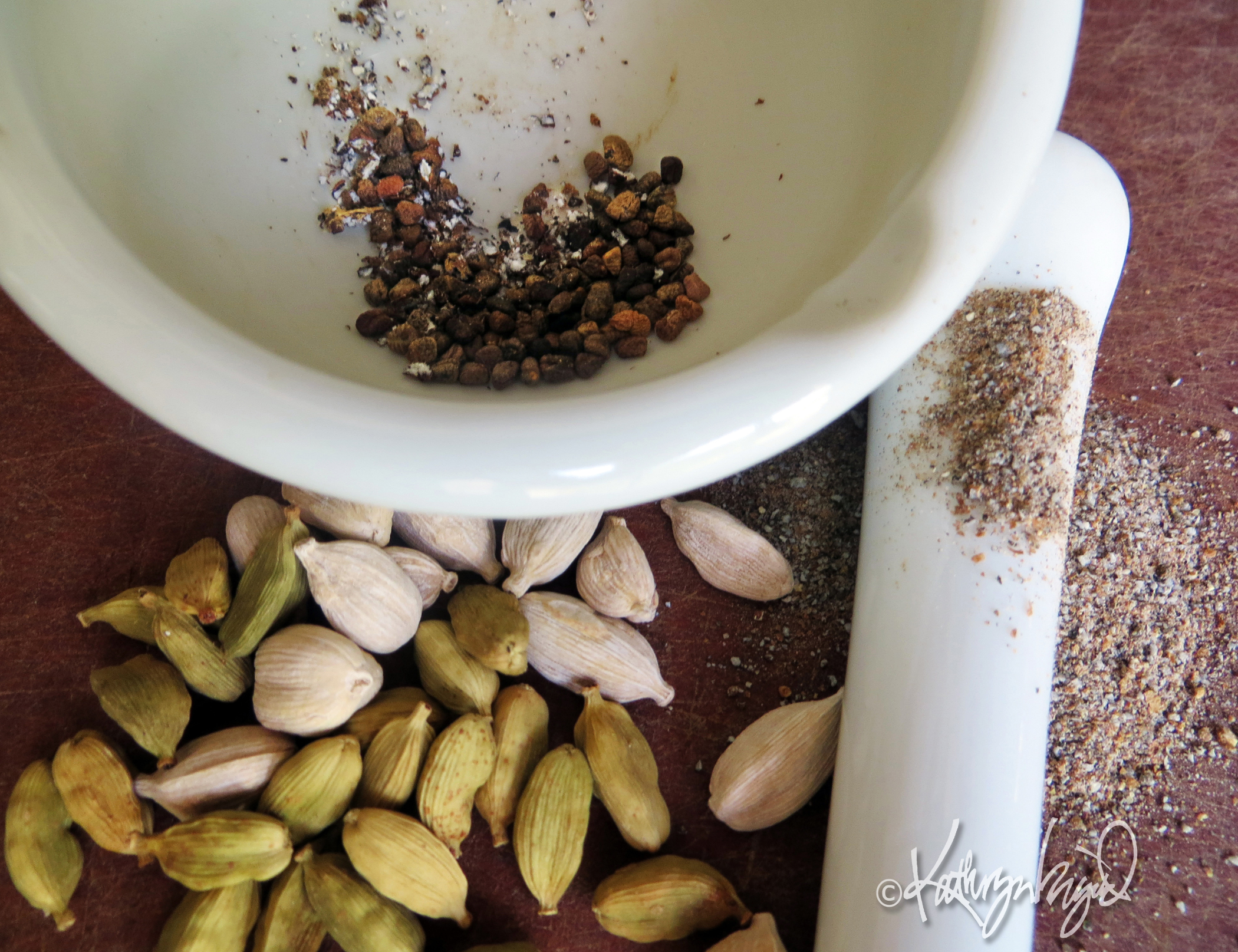
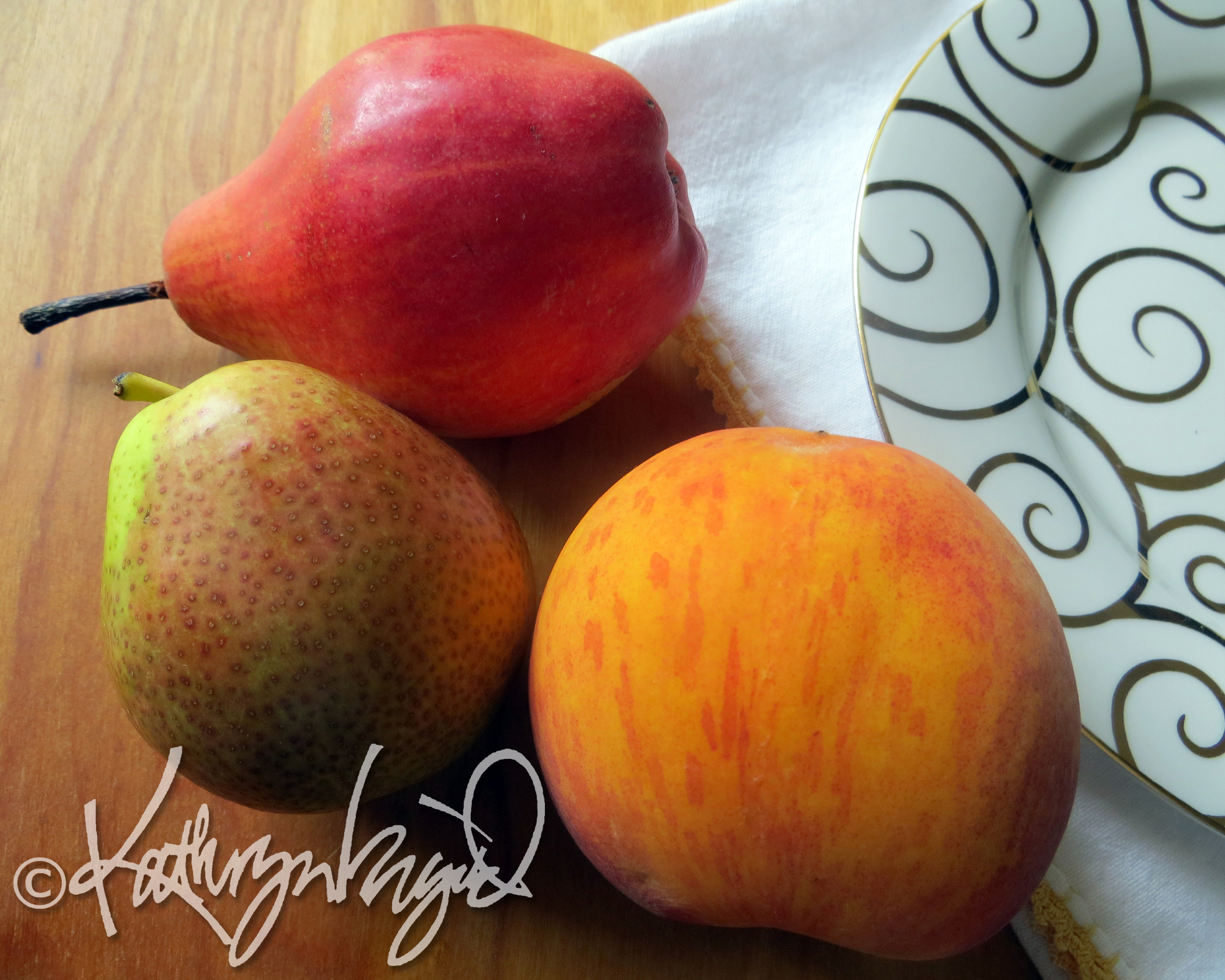
photoAt the change of each season I do have a tendency to shift in my flavor preferences. When it’s been summer-hot out and finally becomes cool, those warming, earthy, old-fashioned and evocative spices and scents of Fall–cinnamon and cardamom, roasted roots and mushrooms, sweetly freckled pears and chalky-skinned, slightly scabby McIntosh apples (not the electronic kind, mind you) begin their annual siren songs of woodsy, sit-by-the-hearth allure. And I can go a little crazy.

[I can see you out there rolling your eyes at my gift for stating the obvious.]photo

It’s easy to go a bit wild, to be the over-swung pendulum flying to opposite extremes, when one has been long immured in the cooling pools of summer’s lovely seasonal foods and beginning to long for something different. But of course delicious flavors needn’t be exaggerated to be glorious. Sometimes the over-the-top approach is indeed precisely what I desire, since I’m a more-is-more kind of person in general, but sometimes a little subtlety is also a welcome thing. A restrained hand in the kitchen can allow a smaller assortment of lovely notes to interplay beautifully, and the pleasure of savoring one gorgeous individual taste at a time, too, can provide moments of sublime happiness that stretch well beyond the culinary.

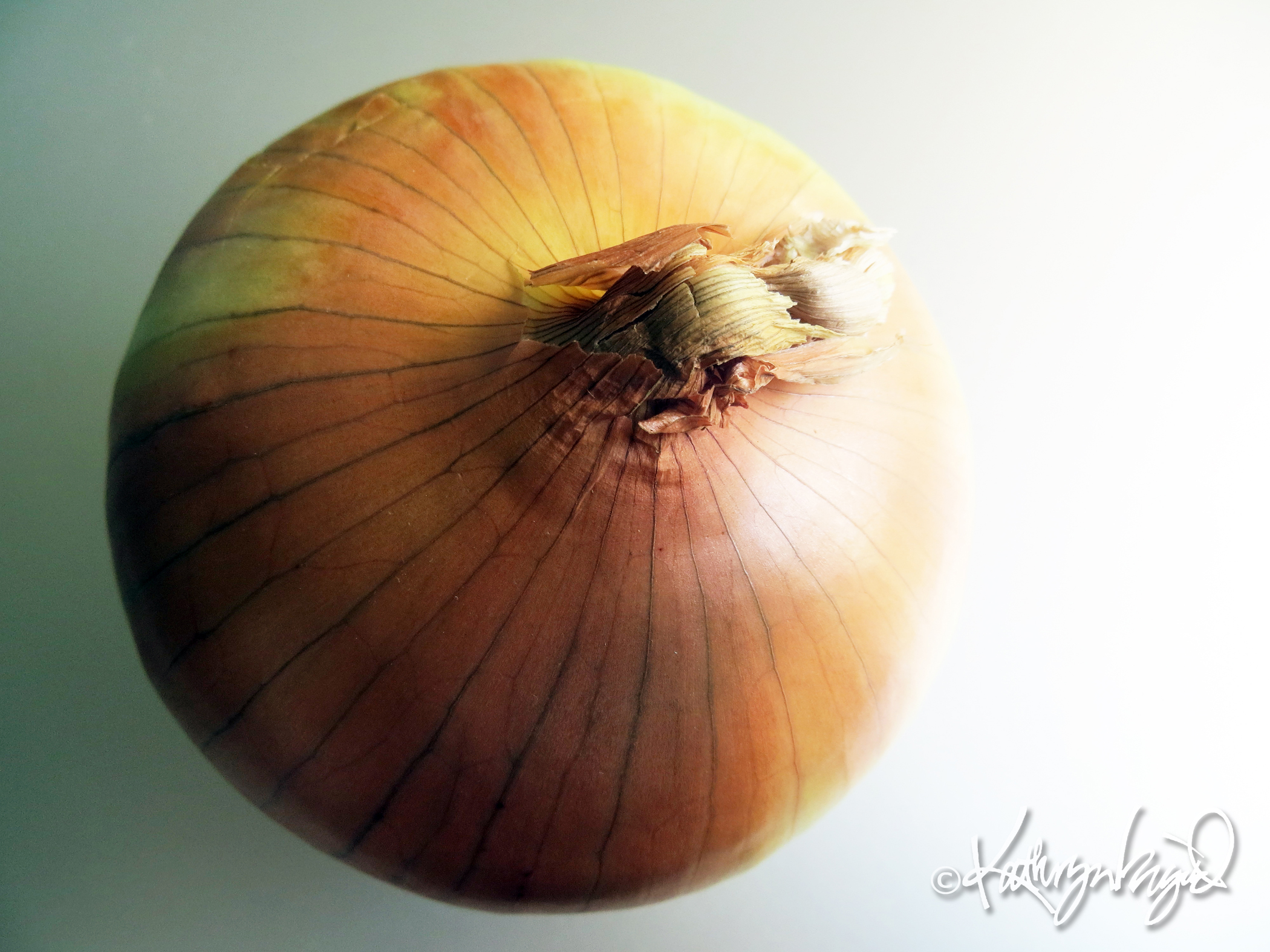
I know this stuff perfectly well in my head, but my heart frequently scarpers off with my stomach quick as the dish with the proverbial spoon, and once again I have to calm myself and remember that there’s plenty of time in the season for me to slow down and savor the flavors before the next change arrives. It happened again last week, and I had a narrow escape from the annual autumnal overkill. I pressed aside my rabid plans for the sort of dangerously delirious feast that would’ve kept me comatose right up until the next fit of wildness did hit me at Thanksgiving. Fanning myself thoughtfully with a big spatula, I got busy making a much less complicated, sautéed and simmered, soup treat and found it as satisfying as could be.photo

Hearty Cauliflower & Mushroom Soup

Simmer 1 bunch of fresh sage leaves in 1/2 lb of pastured butter (I use salted–I’m very fond of my salt, thankyouverymuch) until the butter’s golden brown and fully infused with the herb and the leaves have given up their moisture. Strain out the leaves onto paper and let them crisp up nicely, giving them an additional sprinkle of salt if desired for crunch. Sauté 2 cups cauliflower florets and 1-1/2 cups sliced brown mushrooms (both can be fresh or frozen) in plenty of the sage butter until they’re soft and caramelized. Add a little liquid–water, dry sherry, broth, buttermilk or cream as you blend it all with a stick blender. No need to get it thin or even quite smooth: this is a rustic Fall soup, after all. Garnish it as you wish: a swirl of buttermilk or Crème fraîche, some crumbled crispy bacon, some deeply caramelized onions, or just a generous toss of those crisped sage leaves.

There’s only a little bit left to complete this recipe: take your bowl of prepared soup, curl yourself in the arms of a big, well-worn overstuffed chair, bundle up in that wonderful old afghan lap-rug your granny crocheted for you in your youth, crack open a musty classic book, and lap up your thick soup with a big, deep spoon. Sigh, turn page, sip, repeat. Winter’s just a few chapters away.photo

The Power of Being Well Behaved

When I was teaching, I thought it useful to devote a bit of the informational materials I handed out at the beginning of every term to basic issues of classroom decorum. The idea that so-called common courtesy has to be taught, not just to children but to all ages, is no less ridiculous than understanding constant the need for training and refreshing what is called common knowledge or common sense. Generations have passed since people saw a need to comment on or complain about the uncommonness of all of these virtues.

More significantly, as a teacher I knew that if I didn’t encourage, if not demand, attention to such virtues in my classroom there was little hope of any other sort of learning happening in there. I’m old-fashioned that way. The silly thing is probably that it was only after leaving teaching that I thought very clearly about how much these attitudes mattered in any and every kind of cooperative venture, not only in the classroom but in the boardroom, the living room, and certainly in the places where politics, religion, health care, social activities and civic progress are in progress. At least, if we want actual progress to occur.

And that’s how my two cents came out as a personalized set of ten ‘commandments’. Ah, well. I’m kind of a megalomaniac, and I did feel the need to keep my eyes on what was happening.pen & ink

THE BIG OL’ HOW-TO LIST

for getting along with Kathryn

I   Come to class unless you are dead.

II   Show up on time. Lectures don’t always begin on the dot of the class-starting time, but if a deadline is stated as “beginning of class, 18 March” and you  arrive one minute late, technically I can tell you that you missed the deadline and so your project is rejected. Flunked. That’s harsh. But trust me, it’s fair. Besides, it’s a safe bet that if the lecture does start on time and you miss part of it, I’m not going to be terribly enthusiastic about repeating myself and your classmates who have just heard the stuff will definitely not be amused to have it reiterated. Be in place, cell phone and watch alarms and headsets off and fully participating in class, and we’ll all get along famously. Hurray for good manners!

III   Bring all assigned materials and have them in ready-to-use position when class starts. Written tests, especially pop quizzes, are uncommon in my classes (they do exist), but notes and written critiques can be required at any time. Be ready. Write down everything, and date it. Even if I don’t say you have to. Then you have documentation of what I told you (and when) if I should change plans inexplicably or you have a question. Also, it makes you look attentive and enthusiastic whether you are or not.

IV   Flattery will get you places. Forget that baloney about it getting you nowhere. You lose nothing by Making Nice with people and attempting to impress them with your admirable and outstanding qualities; they might even enjoy buying into the whole idea. It’s an excellent tool for impressing others, this making them think you find them worthwhile and fabulous. Conversely, the quickest way to turn a potential ally into a pain in the neck is to belittle, ignore, challenge the primacy of, argue with or antagonize her. Diplomacy and tact mean that you can frankly say, “I disagree,” or “what do you think of _____,” and get a respectful hearing. We are only human (if we’re lucky).

V   By the way, if your death prevents your attending class, call and let me know in advance.

VI   If you have big plans, talk to me. It’s possible that your previous experience with and knowledge of this topic mean you can quickly “test out” of the class requirements and go forward into a more challenging and personally fulfilling independent project. If so, let’s work together to get maximum use out of your time and energies.

VII   If you feel out of your depth, it’s okay to swim over to the shallow end and meet with me privately by appointment. Probably all you need is a bit of individual coaching beyond what’s available or comfortable in class time. Of course, if you’ll kindly risk asking the question in class, there are always others who benefit by having their identical question answered, and probably your learning it together will make it simpler.

VIII   Ignorance shouldn’t embarrass you. Holding on to ignorance should. You’re in class, presumably,because you don’t know Everything yet, same as the rest of us.  So ask your “stupid question,” please. Real stupidity is avoiding or refusing to try or doing something wrong because fear of lowering yourself prevented your asking the question that would’ve resolved the problem.

IX   Be patient. Spend the time. Attempt the highest levels of craftsmanship and professionalism. Pay attention to the tiniest detail.

X   Be bold and adventurous. Climb out of ruts. Seek a new perspective on the familiar and become familiar with the alien. Look for connections. Expect the infinite.

So Much Better than the Alternative

photoPatina

I know I’m rough around the edges, what with age and wear and rust,

But I like the character antiquity imparts; it must

Seem strange to you who have such beauty, youth and grace, you smooth of skin,

Bright of eyes and freshly laundered whippersnappers–my sole sin,

If sin I have, is being ancient and well-lived and storied; still,

I think your sympathies will shift as you get older. And you will.

If you don’t, rough luck, poor suckers, and I pity you the trust

You had in your youth and beauty, come the day you too will rust.

Better to have aged and crumbled, to have faltered, dim and grey,

Than to croak and to have tumbled. ‘Old’ beats ‘finished’, I would say.photo

Nobody Loves Me, Everybody Hates Me . . . *

photo

. . . Think I’m Gonna Go Eat Worms! [Note: no actual worms were harmed in the making of this photograph.]

Yes, it may be true that no man is an island–we all depend on others far more than we even recognize or comprehend–but conversely, every one of us is his or her own unique and seemingly isolated version of Three Mile Island at times when it comes to having personal meltdowns. It starts right at birth, when most of us scream and complain at having been removed from that ever-so-pleasant resort and spa, Mom’s innards, and ejected unwittingly and unwillingly into the cold, cruel world, and it continues, however sporadically, throughout our lives. We are such fragile creatures.

The majority of humans, happily, are not subject to this dark reality for too large a percentage of our lives, but it’s more common than is commonly discussed that we have trials, tribulations and the varying degrees of inability to cope with them that make us question, if not our sanity, then certainly our ability to rise above what’s bad, get a grasp on the good, and move forward regardless of feeling worthy or curable. Depression truly sucks–not just in the vernacular, but in the sense of pulling one down into a bottomless abyss like an evil and irresistible vortex.

I’m not referring, of course, to ordinary grief or sadness. We all get hit by those monsters at times. We flounder, we suffer, we recover. It may be deep and painful and take a long time to rebound from sorrows of even the most normal sort, but we do, eventually, learn how to go on living and being and take part in the doings of the world. Generally, that sort of difficulty or tragedy even tends to gradually heighten the sense and appreciation of what is good and joyful once we’ve experienced and survived the dark and can see the shining contrast of even a modest pleasure with what appeared insurmountably grim from its midst. True clinical, chemical, physiological depression, well, that’s a different thing.

It resists the most persuasive and intelligent logic. It batters self-worth and love in the most brilliant, gifted and accomplished sufferers. It tears at relationships of any sort with other people or with action, with one’s wit and will to survive. If it doesn’t make one outright, actively suicidal, it can simply kill through atrophy and attrition: sufferers have described the state of longing intensely to kill themselves but having no strength or energy to do so.

Why would I talk of such dire and dreary and horrid stuff, even think of it at all? Because I am reminded sometimes of when I used to be there. My worst bout of depression was perhaps aided and abetted by various situational and temporal aggravations, including the typical catalysts and intensifiers of real-world health and happiness threats: the onset of my spasmodic dysphonia, job problems, the murder of our good friend. These were of course widely different in intensity and timing, but to someone like me, their interaction with my evidently wonky endocrine system or whatever combined forces of chemical and biological imbalance were building in me meant that when I hit bottom, no amount of thoughtful and heartfelt reasoning with myself could ‘fix’ me or my situation.

I am one of the true Lucky Ones. I finally felt so brain-fogged, so unable to resist the pull of that deadly sucking, enervating, soul-destroying feeling of pointlessness and ugliness and being unlovable and incapable of doing anything meaningful or good–well, I got so needy that I actually let others help me. That was it. The only way out of the hole was to grip the hands reaching in toward me and let them do all of the work of pulling me out. Part of it was accepting these helpers’ assurances that they did indeed believe in me and in how I felt, that they loved me and knew that I had worth and potential. Part was letting others lead me around and taking their advice and simply letting go of what little shreds of ego I had left enough to say that I would do better in following an educated and experienced prescription for improvement than I’d been doing on my ever-weakening own two feet. And a part that was essential for me was loosening my grip on my insistence that taking prescribed treatment–both psychological and chemical–without trying to create or control it myself was a sign of weakness or failure. It took, in fact, all of my strength and intelligence to recognize that any strength and intelligence I had couldn’t save me.

The luck involved is clearly that together we (my caregivers–medical and personal–and I) did find the combination of therapeutic treatments, behavioral changes and chemical re-balancing medication that not only unlocked my present emergency state of depressive existence but ultimately proved to let me feel fully, wholly myself for the first time in my life. I know that this is not a cure but an ongoing process for as long as I live. And, having lived both ways, I am more than happy to take on that responsibility. It’s a privilege.

What’s most beautiful of all, for me, is that when it happens (as it has in this last couple of weeks) that several occurrences and situations conspire to remind me of this my past and how it shaped my present life and self, it also reawakens in me the profound gratitude for all of those complex minutiae that converged so miraculously well as to make this life possible. To make my continued existence at all possible, perhaps, but particularly such a happy me. What seemed like the most disastrous and irreparable of confluences instead conspired to make just the right blend at the right moment that finally offered me a rescue.

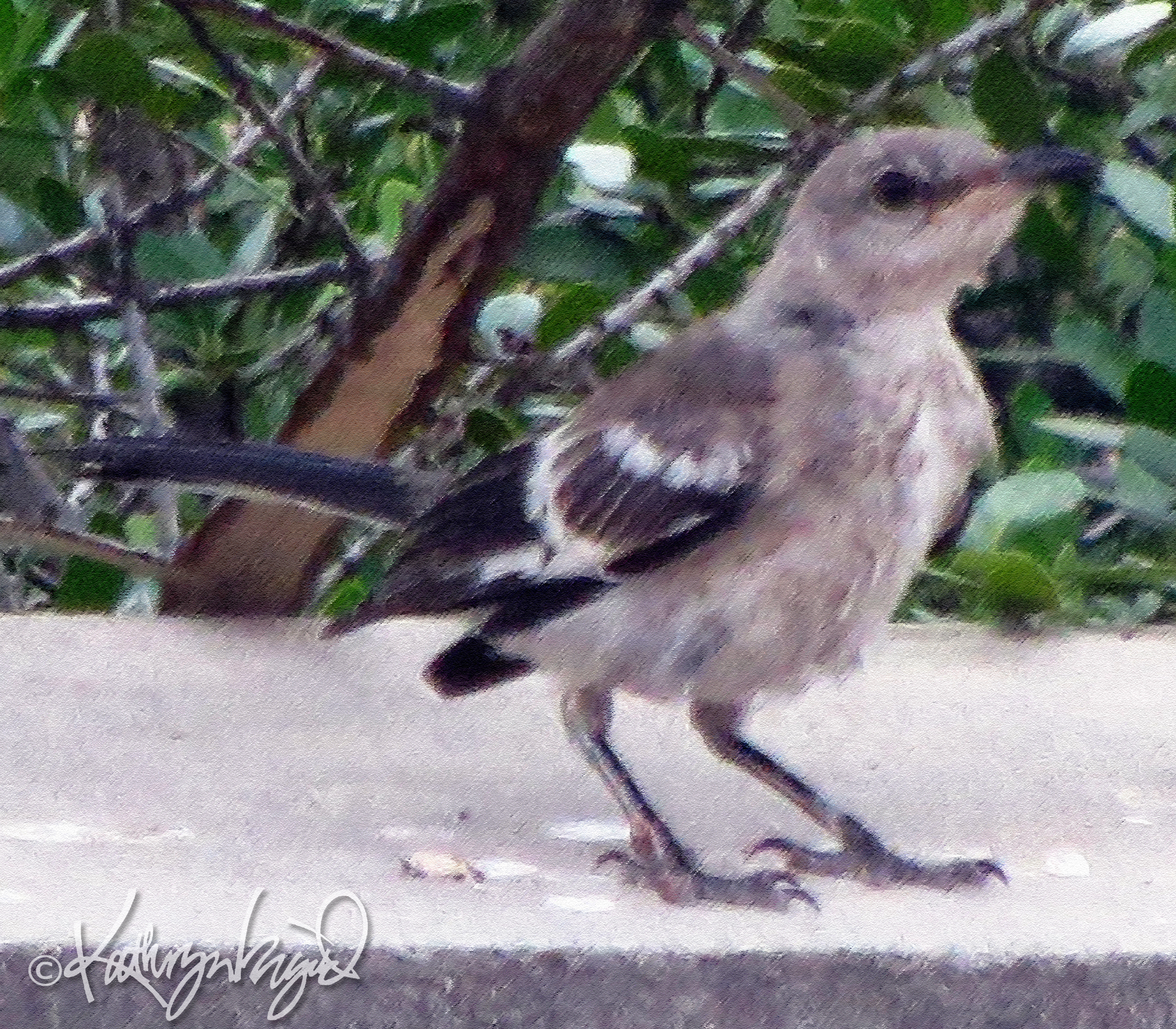
Turns out that eating worms is the very nourishment that makes some birds healthy enough to sing their hearts out with the pure delight of existing. Last week I was out walking and saw a ditch full of drowned worms, lured into and killed by stormy waters. This week I was walking the same route and the sky was filled with the most spectacular warbling, chirruping, musical bird songs I could hope to hear. Coincidence? Very possibly not.digital illustration from a photo

(* from the old campfire song Nobody Loves Me, Everybody Hates Me . . . )


The Fine Art of being Meaningless

When I was teaching, I hated grades and grading. Even more than when I was a student. I understand the desire, even the need, for being able to assess and evaluate and compare and all of that sort of thing, but my idealism would much prefer to believe in a world where people do the very best they can at whatever they are doing and that, all by itself, is grand enough. I know plenty of practical reasons why this fluffy fantasy can’t work 99% of the time in reality but it certainly never affected my intense dislike of the whole quantitative approach, most especially when it had to be applied–as empirically and evenly as possible, of course–by yours truly in some areas that are arguably quite subjective.

So I set up criteria as clearly as I could and identified particulars of skill, technique, fact, synthetic application of knowledge and so forth that I considered worthy of the study, and took what measures I could to insure that all students got equal access to those resources and had the opportunity to learn, incorporate, express and otherwise use them. And I gave out grades. It was my job.

But in that aforementioned reality, my own version of which I quite happily embrace post-teacherhood, I am not bound by any requirement to make or evaluate anything on the basis of comparison with anything remotely real, not even the stuff of other people’s invention and making. And I must say that I do appreciate my freedom. Sometimes there’s simply nothing more satisfying than writing or drawing or otherwise making decidedly unreal, if not impossible, things for the pure fun of it. Maybe it just appeals to the rebellious kid in me. Maybe it tickles my fantastic fancy. Who knows but what a miraculous accident could happen one day and I might invent a magnificently useful Thingummy of some sort.

But that’s not the reason to make these things anyhow, now, is it? What is most pleasing of all about the creation of any object of ridiculous and pointless nothingness is the act itself. It’s a fine thing to make artwork of any kind just because one can, to enjoy the creative process without regard to the outcome’s being anything but entertaining for me, myself and I. Yes, that’s what I like. No grading, no evaluations, no need to worry about whether it’s beautiful or meaningful, let alone realistic, because this is my own reality, my own personal little world.

And you’re welcome in it, as long as you know the only rule is that there are no rules, and the only value assessment I’m after on the occasion is whether I had a good time and got some valuable yet enjoyable practice in the process of creating my little graphite universe or my textual treasury of the moment. Well, there is a second rule: you, too, should feel free to visit my place of creativity without being required to grade anything, including your own experience of the stuff, and free as well to leave without being expected to like or dislike anything. Though I sure do like it when anyone is moved by my selfless acts of ridiculousness and leaving my meaningless soul exposed in public to do the same, without fear of recrimination or evaluation, and with the infinitely happy sense that such silliness is not only permitted but encouraged in this neck of the woods. Have fun, y’all. I am.

graphite drawing

A Machine for Making Nonsense

A Change of Seasons

digital artwork from a photoAutumnal

Faint as the smoke from a fir-branch fire

far off on the foggy shore,

Where salt-stung sea choruses a choir

as the tide rolls more and more

Of the oyster shells in its back-and-forth,

tumbling them to pearly dust,

I can hear the birds winging from the north

as each Fall they surely must,

And I watch as they darken the silver skies

in a wave of shivering black,

Sailing south toward warmth with their anguished cries,

to bid the sweet Summer backdigital artwork from a photo

What if I Never Grow Up?

digitally doctored photoAside from the fact that all of you know already that this is a given rather than a question, I can still pose it rhetorically and ask it of all people in general. See, I think about this a fair amount, and not just because of my own level of maturity at any given time or in any given category. It’s simply a question we all get asked in one way or another at some point, or should jolly well ask ourselves, at the least.

This marvelous Möbius loop of inquiry and insistence begins the first time we are told, as children, that we need to Grow Up, and it can be applied to any number of circumstances. The irony that this mandate is almost invariably handed down to us by a person or persons barely older and more grown than ourselves is of course lost on all of the parties involved, because we’re all too inexperienced and naive and, conversely, too full of ourselves to understand it. The bigger kid tells the littler kid to Grow Up mainly because the elder wants something that the younger has or has simply lost patience with her.

It doesn’t change. When we’re older, the toys and privileges may have changed to different brands of money and power, but as long as we think someone else has more of whichever kind we desire than we do, we’re just as inclined in adulthood to nit-pick at that someone for his supposedly lower maturity levels both as cover for our covetousness and in shallow hopes of shaming him into being more generous than we are ourselves. The failure of this silly system doesn’t change either, but it doesn’t stop the less magnanimous and less mature from nagging at those who are more so, no matter the age or the occasion.

There are perfectly good reasons to wish anybody, including ourselves, would think and act with maturity and keen sense and the wisdom of experience. Those things tend to lead to our being more level-headed in emergencies, more practical in the everyday, and more inclined to share those traits and all sorts of other things with other people–and that leads to better community. Who knows, even World Peace.

But isn’t it grand, all the same, to forever retain a large enough pinch of immaturity and, if not childishness, then at least the ability to be childlike, that we can still look at the wide world with the awe and wonder it requires. We should hang on, with youthful enthusiasm and gleeful tenaciousness, to innocence and hope, to curiosity and rambunctiousness, to unalloyed silliness whenever the moment permits. Maybe we should even be willing to get down there with the actual kids and roll around in the grass once in a while without batting an eye over how dirty it’ll get us or whether it might make our old joints sore tomorrow. If we can’t still do somersaults, then we’d better find other ways to regain and retain our not at all grown up point of view, because the world, especially while it’s still short of outright Peace, can really use a healthy splash of the ridiculous now and again.


Here in My Safe Little Place

graphite drawingComfort and security, that’s what I want. And I think I’m hardly unusual in that urge. Aside from the rare adrenaline junkies whose craving for danger and life on the edge knows no bounds, most of us like to have at least one place in life, on earth or in mind where we can crawl in, curl up and feel like nothing and no one can assail us there.

While I adore travel and I treasure those people and experiences and grand-and-glorious places that it has brought to my acquaintance, there’s at least a small part of me that may always be leaning toward Home. I don’t think of myself as an adventurer by any means at all, but I’ve grown a bit more attracted to the happy mysteries of the unfamiliar or even the exotic as I’ve gotten older, and I can appreciate much better how much wealth and delight the new and unexpected can often bring into my purview. Now, what I must keep in mind instead of a constant combat against my natural urge to shun all movement outward from my safe, soft center is that my concept of that person-place-or-thing identifiable as Home has changed, and can change, and certainly will change, because that’s exactly the sort of surprising flexibility that an even minimally worldly human can experience, once the crying need for total security is breached satisfactorily.

So here goes: once more I shall leap outward in hope and expectant happiness, and all at the same time remain busily, constantly honing the cozy little hideaway that will shelter my spirit and, if need be, my self when the adventures get a little overwhelming. With a cheery wave, when I’m not too tightly coiled up with my security blanket there, I shall ever bid you all a fond goodbye, farewell, and goodnight–and see you in the morning.