Background Check Pending
Every particle of me
(At least those parts the world can see)
Works smoothly to create the masks
Compliant with my daily tasks
So no one guesses that down deep
My inner monster’s just asleep.
Background Check Pending
Every particle of me
(At least those parts the world can see)
Works smoothly to create the masks
Compliant with my daily tasks
So no one guesses that down deep
My inner monster’s just asleep.
 Traveling at Speed
When I was just a little tad
And full of zest and vim
I never thought the day would come
When eyesight could grow dim
And hair fall out, and memories
Impossible to keep,
Or that my middle would go soft
Or I would fall asleep
Just trying to sit through the news,
But couldn’t sleep at night,
Get creaky and arthritic
And develop underbite,
But, over and above these things,
No way would I have guessed
The day would pounce so suddenly,
So early. I’m depressed!
 The assertion that ‘if it bleeds, it leads’ is cynical in its assumption not only that bad things will happen and that people will do bad things, but that this is where our greatest interest lies as well. To a certain degree, I will concede it.
And yet.
There is a part of me too that believes in the other having equal weight: the kind and good, the innocent and the pure. Our every moment of disaster, whether natural or human-made, brings out this good in force. It is the sleeping angel inside that emerges on call to offer aid to the suffering, comfort to the weary and food to the starving. I think that maybe, despite all appearances, it’s goodness that is actually the one inexhaustible resource.
I certainly hope so; in this is the promise that our history is not quite at an end.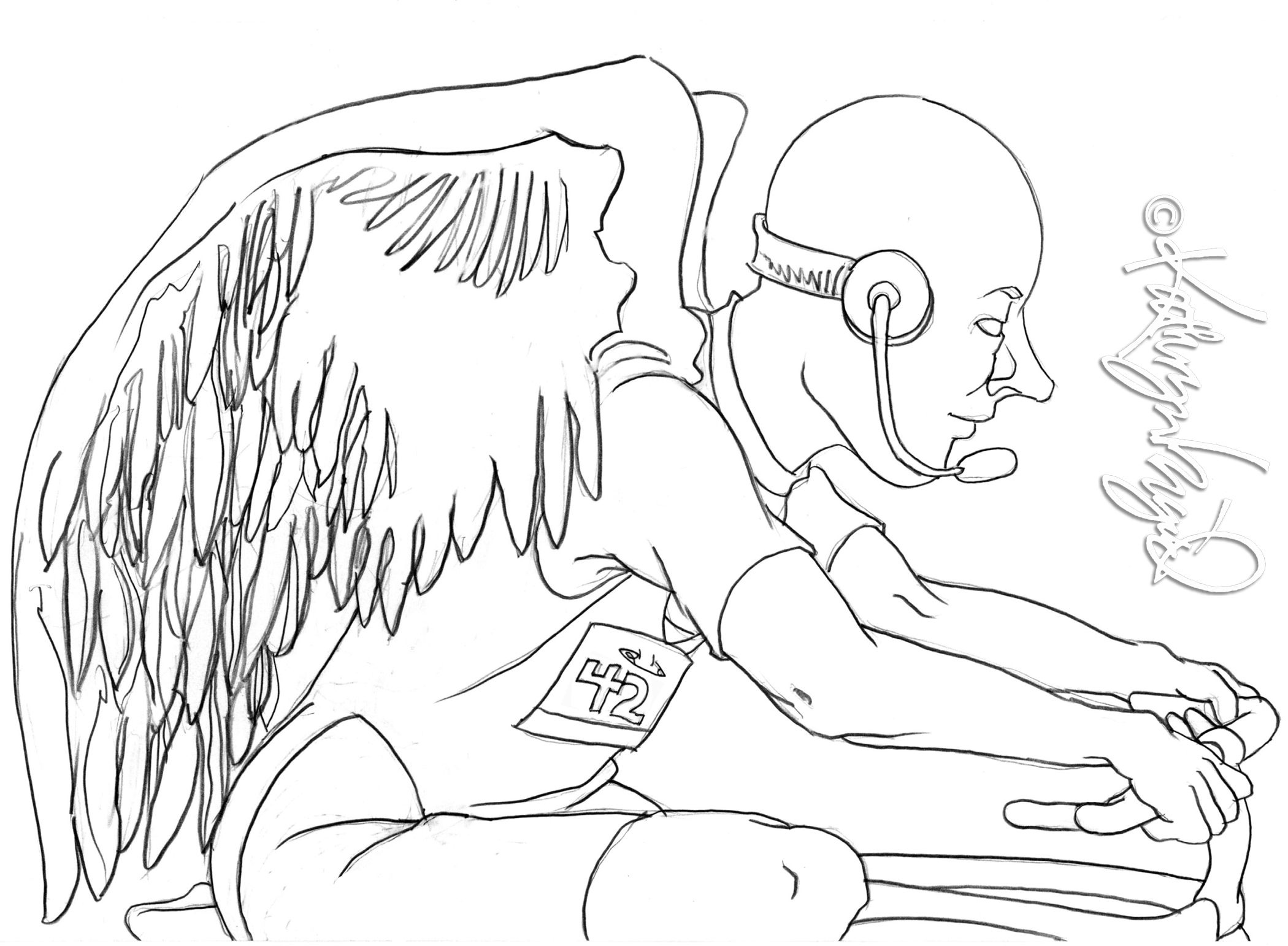
Even when we’re young we pick up clues pretty swiftly regarding what sort of behavior and attitude is expected of us in our interactions with others. As a child, I learned ever so quickly that I am not the boss of anyone else and practically everyone else is the boss of me, and not much has ever changed in that department. Whether happily or unfortunately, depending entirely on your point of view, I also figured out as speedily as most kids do that as long as I behaved in the expected manner when anyone was watching I could get away with a fair amount of far more self-indulgent–if not subversive–ways. Sure does simplify my life!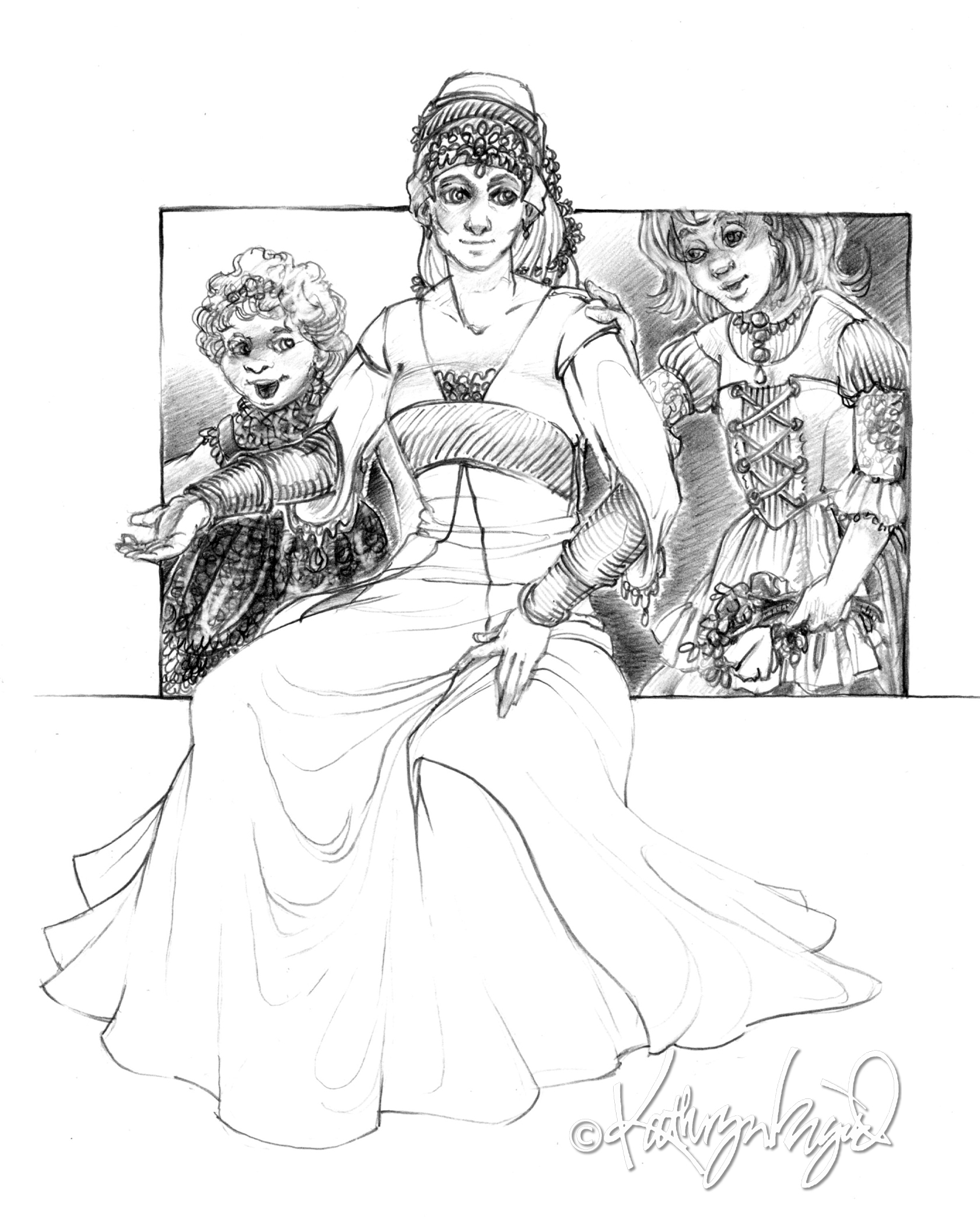 Show of Proper Respect
The Mistress in her jewelry and finery and furs
Thinks everyone should bow and kiss the ground—that’s also hers—
And genuflect before her grand tiara and her mace,
So that is what we tend to do—at least do to her face. All frivolous jocularity on the topic aside, however, getting trained by our elders and betters, in particular our mothers, is both more complicated and more happily meaningful for those of us who are blessed with great moms. Me, I’ve got two. The mother who gave birth to me and raised me from my days as an only mildly subversive little sprout into the silly but exceedingly happy big kid you see before you today is worthy of recognition as one of the great teachers not only for giving me a framework on which to hang my sense of right and wrong and general grasp of manners but also the education and freedom and knowledge of being unconditionally loved that enabled me to choose how to build on those foundations as I grew. My second Mom, brought to me courtesy of (her son) my beloved husband, gets credit for instilling the same curiosity and drive in her children and, in turn, for reinforcing in me through her example what it means to be a lively and lovely person who is good company, an active part of the household and community at every turn, and a tireless learner and adventurer who earns her place in those settings with remarkable grace. Whether I can live up to the standards set by either of my Moms remains to be seen, but they certainly give me the tools that should make it possible if anything can.
If it can’t, I guess I’ll have to fall back on my naturally ridiculous ways and just pretend to be better than I am for as long as I can keep up the front. Those of you who are looking for reliably good, sound company, go see Mom W and Mom S. And also my sisters and my sister-in-law, great mothers to their children, and all of those other mothers, who by birth, adoption, random acquisition and teaching, raise better people, who in turn make the world a better place altogether. All of whom I thank profusely not only on Mother’s Day but every day for being such great examples even for those of us who are a little too childish to be motherly examples ourselves. Go ahead, you can say it right in front of me. I’ve learned that much, at least!
A Little Antsy Now
If I could do just as I wished and not a nickel more,
I’d not sit still just listening to any tiresome bore,
But I’m in well-bred company (I’m told), so I must stay,
Attempting to pretend it’s deep engrossment I convey—
Meanwhile, my nostril starts to itch and twitch, and I suppose
No one will take much notice if I subtly pick my nose.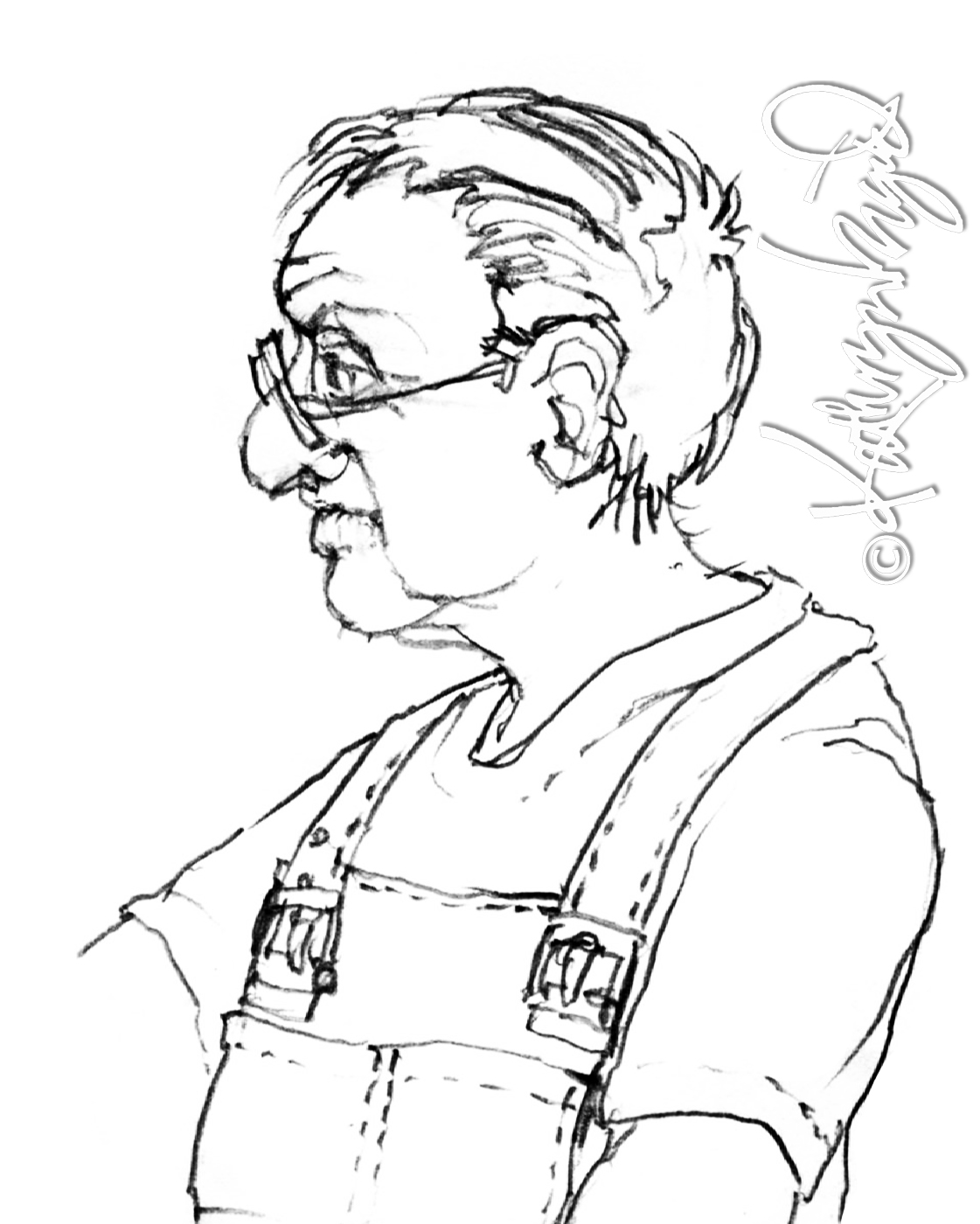 Bumpkin’s Comfort
I am not wholly ignorant
Of what a fool I am
But if you’d keep me happy
Just give me a slice of ham
A piece of cheese a bit of bread
Some butter, if you will
And I’ll continue happy fool
Slumped up here by the still
 Wounding Wonders
One needn’t be a Visigoth or Hun
or carrying machete, poison, gun,
or be eight Samurai with flashing swords,
to do the deeds of such marauding hordes–
Supposed lovers, intimates and friends
have other weapons to achieve such ends,
devising and divining fresh new schemes
for making misery on endless themes–
Have irritating nettles, needles, knives
plus-perfect for the ruining of lives–
Imagine if invention, by intent
so much the sweeter, how life would be spent!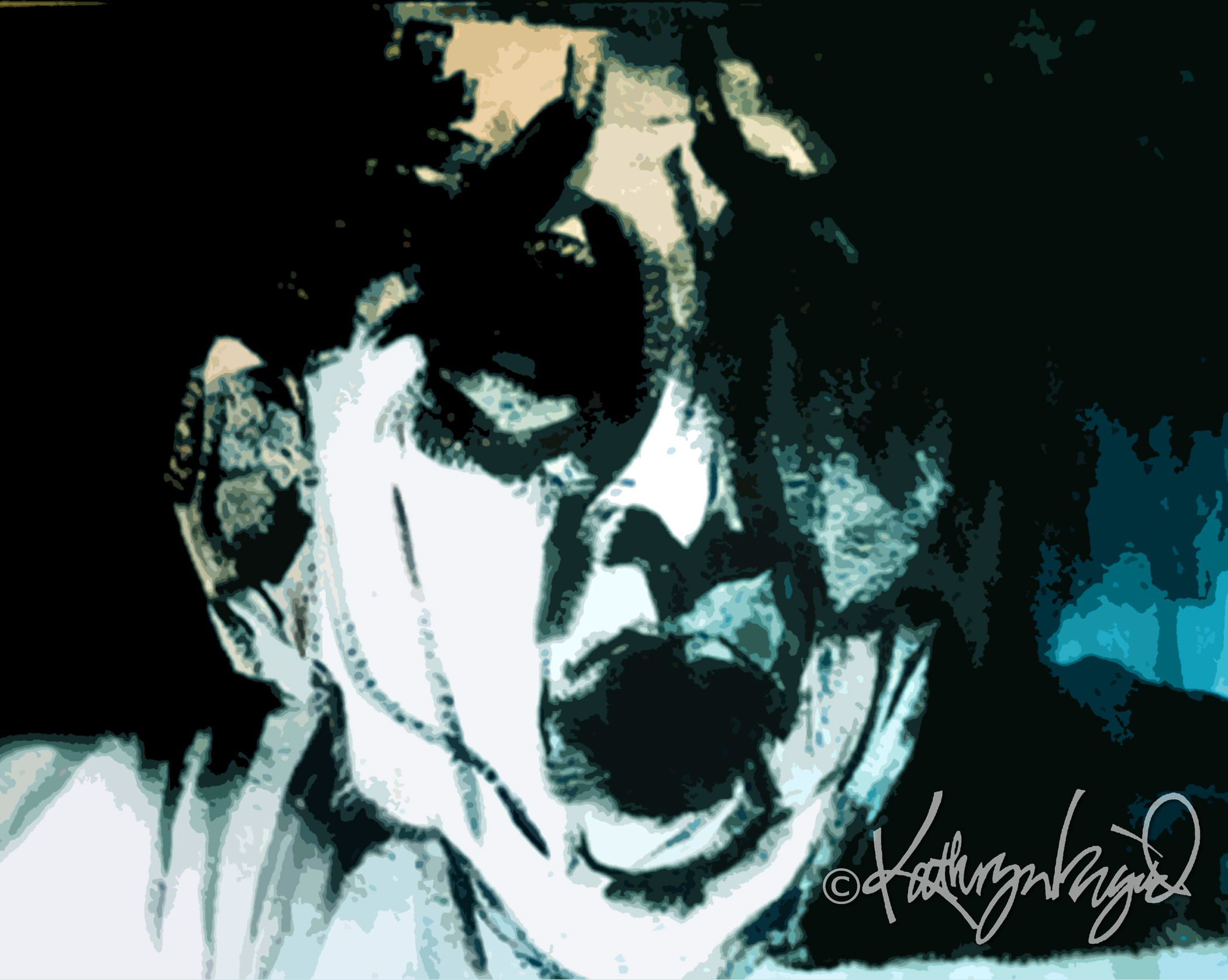
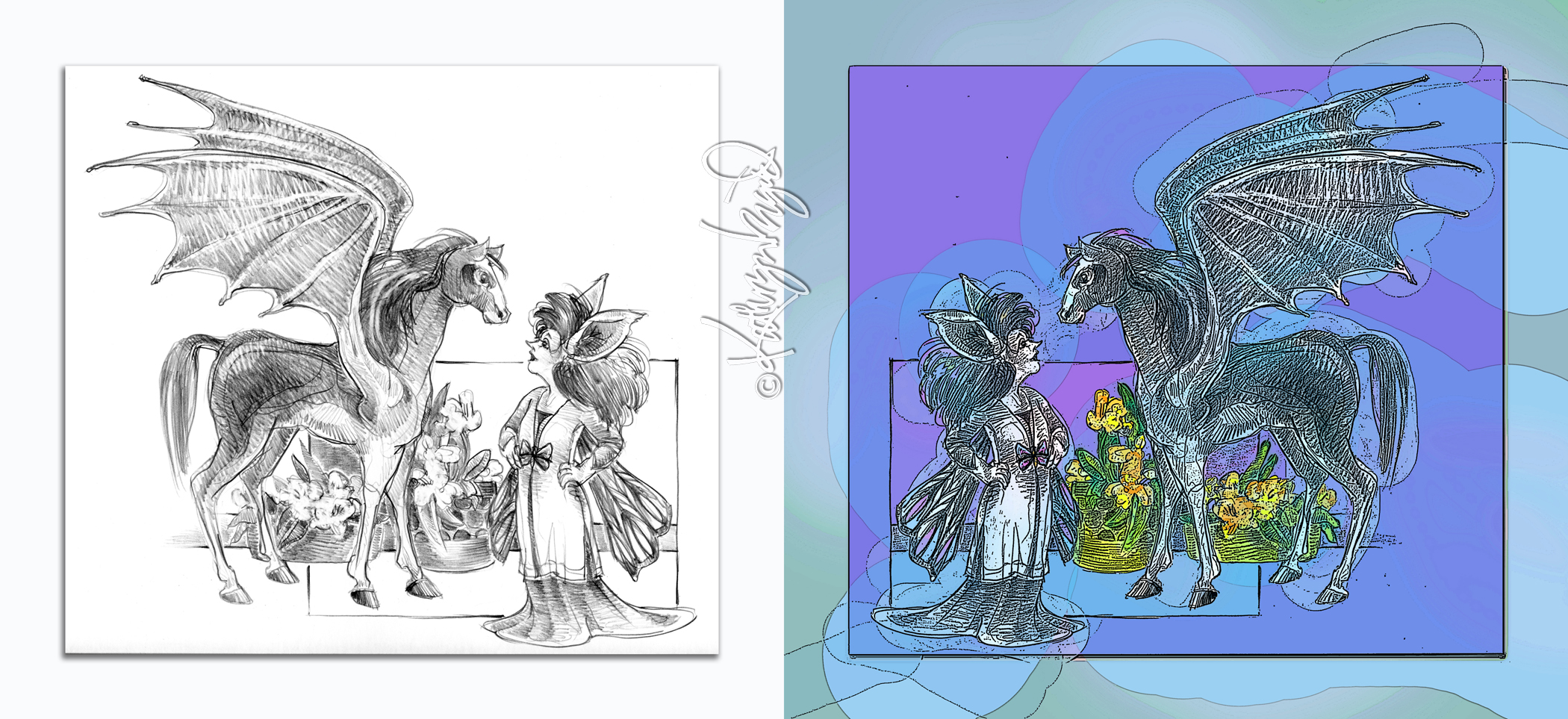
Mild-mannered Monsieur Ste-Hilaire
Went out one night to take the air
And came home newly sharp and snarky
(Full of mischief and malarkey);
I think that maybe in the park, he
Might have met a succulent
Voracious, wild and truculent,
That bit his elbows, left and right,
Infecting him that very night
(As you’d imagine, quite a sight)
With psychedelic thoughts to itch
Him to a highly fevered pitch
Wherein he met another world
And in its vortex, seeing swirled
(The way such rarities are hurled)
Strange creatures in bizarre parade,
He loosed the window, threw the shade
Upon it open just to share
With us the beastly thoughts in there
(Effects of which you’re now aware).
 Restorative Dreaming
A pensive morning in quiet shade
Of this is inner contentment made
A sip of silence, a moment’s rest
In the garden corner I love the best
With butterflies skimming the border’s blooms
Voile curtains billowing out of rooms
A book of poems upon my lap
Read in short bursts between nap and nap
And the sound of a bicycle coming near
To bring the post of love-letters here
I’d rather recline in this reverent haze
Than waste on reality any days
The first time I heard Early Music performed in period-appropriate style I experienced, not surprisingly I suppose, a full mixture of amusement, bemusement, mild horror and deep curiosity. It was in a performance of Claudio Monteverdi’s seminal opera Orfeo at the English National Opera; I was a mere college stripling who had probably not even heard the phrase Early Music at the time let alone known what it might mean, and ‘performance practice’ was in something of a time of transition. Anthony Rolfe Johnson sang the title role with, if I remember properly, a rather nice overall sound, but a straight-tone and senza vibrato style and a strangely stuttering kind of ornamentation that might well have been an authentic recollection of the opera’s original character and an accurate and historically informed version of the way it would have been presented by its composer and first performers. I, having never been taught such things, merely heard sounds quite foreign not only to my ear but to my concept of skilled and artful performance, let alone prettiness. I do remember thinking that either this was all far over my head (entirely possible) or it was a pointless and poor imitation of what the ENO imagined the average amateurish opera company of Monteverdi’s day must have been capable of doing (less likely), or poor Mr. Johnson, who later went on to receive his OBE, just plain wasn’t up to the job despite a naturally pleasant voice.
Years later, I may not be much smarter than the young squirt of those days, but I’m far more experienced and have heard worlds more music, both the great and the terrible and, of course, a massive quantity in between. And I’ve been taught a thing or two about the fine points of what is beautiful and magical when it comes to singing or playing with any amount of vibrato–or none–and the many elements that combine to create tone and color and variety and character in a performance. I’ve learned some useful stuff that changes how I perceive both the level of virtuosity in playing or singing and its aesthetic appeal, two aspects that do not always coincide in my ear, mind and heart but when they do, that combine to create a kind of joy that is virtually unattainable in any other way.
When my husband conducted a production of Orfeo over a quarter century after the first one I’d heard, I had a whole different understanding and appreciation for what the many performers were doing and why the stage director would expect them to do so both from a visual standpoint–training them, along with other coaches, in appropriate ways of moving and posing and gesturing as well as in those of vocal ornamentation, since she is a superb and well-trained Early Music singer herself–and an historically suited musical one. Just as there are countless styles and types of music known to us nowadays, which you can multiply by the number of individual teachers, performers and audience members to get a rough sense of the variety you’ll encounter, there were historical strictures and structures and stylistic trends and ideas that shaped earlier generations (centuries) of music and musicians and listeners, and while some have perhaps remained relatively unchanged since their inception, many more evolved over the ages. Our expectations of music have certainly changed, and our guesses as to how it was first conceived and perceived are only as good as the lines of scholarly inquiry and oral tradition can attempt to make them.
In all, it makes rich fodder indeed for both the ear and the imagination, and I for one am mightily pleased that I have had the opportunity to live a life immersed in all kinds of music and to learn along the way. I still like much of what I heard, whether ignorantly or not, in my younger days, and much of what I like now I learned to love along the way. While my form may be far from historically accurate or artistically impressive, I will still happily bow and curtsey to all the musicians who have shared their gifts with me in my life, and to all of those who work and are inspired to play more, to sing onward.
 A recent New York Times article reminded me that, no matter how I might classify myself as anything but an activist, I have always been one, of a sort. It’s true that I’ve always assiduously avoided conversation, let alone physical action, tied to politics, religion, social policy and pretty much any ‘hot topic’ you can name unless I sensed I was in the safest possible environment to do so–generally, amid a comfy flock of like-minded partisans. The article is chronicling the US uprising of a relatively new breed of American artists and their support systems dedicated to, as the title bluntly states, social activism; the author gives appropriate reference, of course, to the practice being a long-standing one in other parts of the world, but shares the view that it’s still rather fresh and new here on American turf.
I’ll grant that the forms and formats may well have changed, and that there might be a larger collective sense among those who would embrace this title of being dedicated to the purpose more specifically than others, but I will step right out on my own tiny soapbox now and assert that, insofar as art is seen as a form of communication–and this might well include virtually all art except that created and performed in private and without any wish or expectation than anyone other than its maker will know it exists–it is inherently activist. The decision to create something I intend to be art and allow it to be known to others says a whole lot of things about me, the subject of my work, and my general worldview, and if I am allowing others to experience these in the art, assumes that they will respond through and with their own worldviews to it, effectively in a social interaction, whether we converse directly about it somehow or those who have interacted with my art turn around and respond to it in the continuation of their lives.
Who knew I was such a rabble-rouser? But truthfully, even by making those ‘meaningless’ little doodles that don’t turn into full-blown drawings or paintings, I am making something of a statement, am I not? I scribble, therefore I am. By doodling, I am not only using my energy to do that rather than anything else, I am also creating a portal through which my thoughts can emerge; if they turn, via this scrawling, into a concrete idea it may lead to the completion of an artwork expressing it more openly. This, in turn, suggests that I have a thing or two to say and I’m willing for others to hear it, see it, feel it–to interpret it and respond to it, even. I never think of myself as daring, but I think it’s fair to say that letting my inmost thoughts and imaginings be seen and analyzed by others through their own filters is at least a little brazen, if not occasionally foolhardy.
One of my late mentors, Lawry Gold, wrestled with the supposed divide between art and function, and he was anything but shy about being an outspoken activist, albeit a very kindhearted and generous one. He was a boldly countercultural person in a great many ways, and yet he seemed to me to reach the peak of his own overt rebelliousness when he began working on a body of art that was deliberately and unabashedly functional (beautifully art-covered, distinctively designed tables, lamps, clocks and the like) for sale through his gallery agents. This was something I know he enjoyed at least a little as cheery cheekiness to tweak artist snobs who were apparently so benighted they couldn’t accept the marriage of form and function thus, or so rich they could afford to sit around waiting for other equally rich people to buy their non-functional work, no matter what the state of the economy. Besides that these were among his most gorgeous and sophisticated works, to me they spoke of the recognition that art, besides taking so many different forms, speaks to us in many different ways, and that breadth and depth has great value.
At the same time, my friend never stopped making ‘non-functional’ art, because he of all people also had a tremendous desire to communicate, whether it was by visual storytelling in his often humorous, whimsically imaginative artworks or by making a more specific point with his illustrative and symbolic works. And he never hesitated to engage in the discourse that followed anyone’s viewing of his work. He and I had a joint exhibition of our artwork once, and as I was curating and installing the show I objected to one of his pieces that he wanted included, thinking it was not in keeping with all of the others we had selected, and he patiently steered me toward a clearer understanding that it was indeed very well suited; even though I never liked that piece as much as the others, I found that it carried an important part of the ‘conversation’ made up by the whole of the exhibition, and in fact that one interaction changed the way I curated many an exhibition of others’ work in the years that followed.
Ultimately, I see in the creation of art–of any form–an act that if it isn’t in open defiance of the social norms, allows or even invites the examination of and discourse on them. So even though much art is not made, like Lawry’s, to function in an obviously practical way, it all serves a purpose; ‘merely’ being beautiful or compelling may be purpose enough in adding layers of pleasure or relief or catharsis, but many works go far beyond that in opening new vistas to our contemplation, influencing our beliefs and even challenging us to change our behavior. All art is potentially advertisement or propaganda, for good or ill. And if that isn’t social activism, I think my encyclopedia needs some new illustrations.

Is all art crowd-sourced?
 Art-Colored Glasses
