My Baroque Gesture

The first time I heard Early Music performed in period-appropriate style I experienced, not surprisingly I suppose, a full mixture of amusement, bemusement, mild horror and deep curiosity. It was in a performance of Claudio Monteverdi’s seminal opera Orfeo at the English National Opera; I was a mere college stripling who had probably not even heard the phrase Early Music at the time let alone known what it might mean, and ‘performance practice’ was in something of a time of transition. Anthony Rolfe Johnson sang the title role with, if I remember properly, a rather nice overall sound, but a straight-tone and senza vibrato style and a strangely stuttering kind of ornamentation that might well have been an authentic recollection of the opera’s original character and an accurate and historically informed version of the way it would have been presented by its composer and first performers. I, having never been taught such things, merely heard sounds quite foreign not only to my ear but to my concept of skilled and artful performance, let alone prettiness. I do remember thinking that either this was all far over my head (entirely possible) or it was a pointless and poor imitation of what the ENO imagined the average amateurish opera company of Monteverdi’s day must have been capable of doing (less likely), or poor Mr. Johnson, who later went on to receive his OBE, just plain wasn’t up to the job despite a naturally pleasant voice.

Years later, I may not be much smarter than the young squirt of those days, but I’m far more experienced and have heard worlds more music, both the great and the terrible and, of course, a massive quantity in between. And I’ve been taught a thing or two about the fine points of what is beautiful and magical when it comes to singing or playing with any amount of vibrato–or none–and the many elements that combine to create tone and color and variety and character in a performance. I’ve learned some useful stuff that changes how I perceive both the level of virtuosity in playing or singing and its aesthetic appeal, two aspects that do not always coincide in my ear, mind and heart but when they do, that combine to create a kind of joy that is virtually unattainable in any other way.

When my husband conducted a production of Orfeo over a quarter century after the first one I’d heard, I had a whole different understanding and appreciation for what the many performers were doing and why the stage director would expect them to do so both from a visual standpoint–training them, along with other coaches, in appropriate ways of moving and posing and gesturing as well as in those of vocal ornamentation, since she is a superb and well-trained Early Music singer herself–and an historically suited musical one. Just as there are countless styles and types of music known to us nowadays, which you can multiply by the number of individual teachers, performers and audience members to get a rough sense of the variety you’ll encounter, there were historical strictures and structures and stylistic trends and ideas that shaped earlier generations (centuries) of music and musicians and listeners, and while some have perhaps remained relatively unchanged since their inception, many more evolved over the ages. Our expectations of music have certainly changed, and our guesses as to how it was first conceived and perceived are only as good as the lines of scholarly inquiry and oral tradition can attempt to make them.

In all, it makes rich fodder indeed for both the ear and the imagination, and I for one am mightily pleased that I have had the opportunity to live a life immersed in all kinds of music and to learn along the way. I still like much of what I heard, whether ignorantly or not, in my younger days, and much of what I like now I learned to love along the way. While my form may be far from historically accurate or artistically impressive, I will still happily bow and curtsey to all the musicians who have shared their gifts with me in my life, and to all of those who work and are inspired to play more, to sing onward.graphite drawing

Ghosts of Our Former Selves

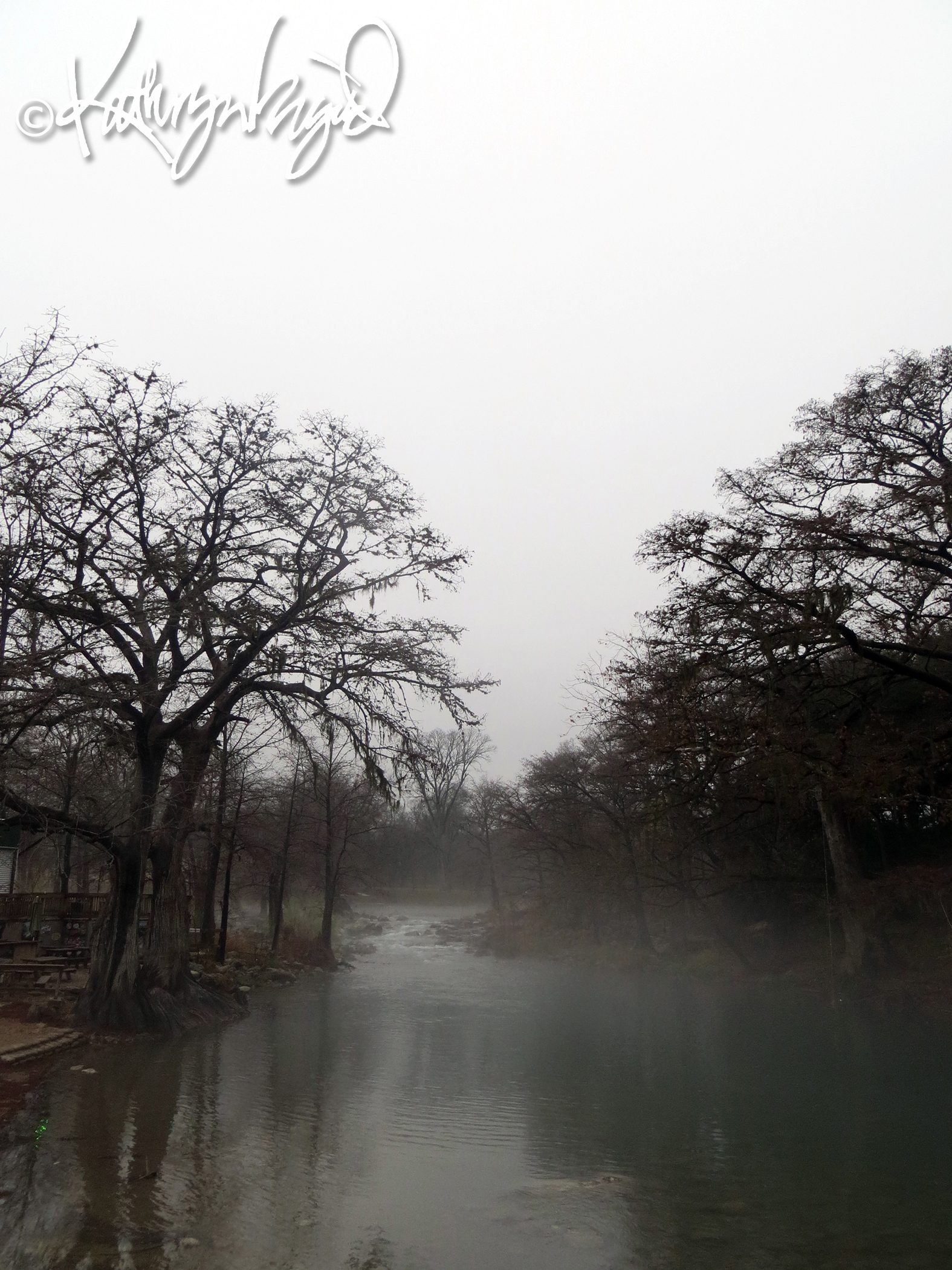
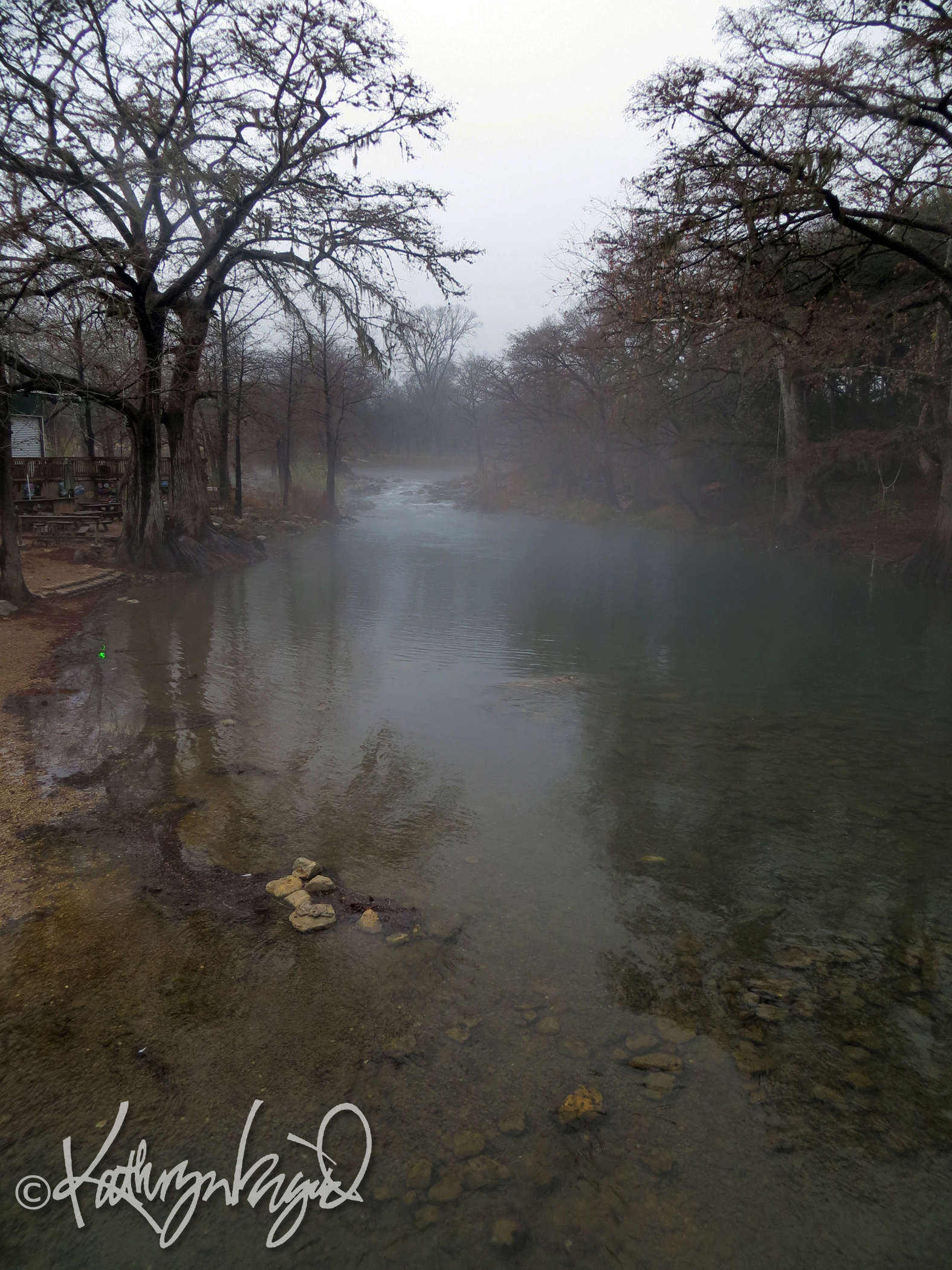
photoDaybreak Returns

From the grasslands, from the marshes, from the margins of the moor

Rise up misty ghostly creatures in the pearly light of dawn,

Some mementos, revenants or sylph-like spirits past and gone

To the brink of ancient memory and up to its creaking door,

People whom we, fond, remember or with some frisson of heart,

Those who populate our past, storied as fabled gods and kings,

Filled with magic and wild treasure and a million pretty things

That we wish we might have honored as such value from the start—

So at daybreak they come whispering, returning, silver-grey

Without tarnish in their sterling, as they rise up in our sight

And return to us those memories had fallen into night,

Bringing back that love and loveliness of theirs to present dayphoto

‘On Pouvait Dire . . . ‘

‘Ah! non! c’est un peu court, jeune homme!
On pouvait dire…Oh! Dieu!…bien des choses en somme…’

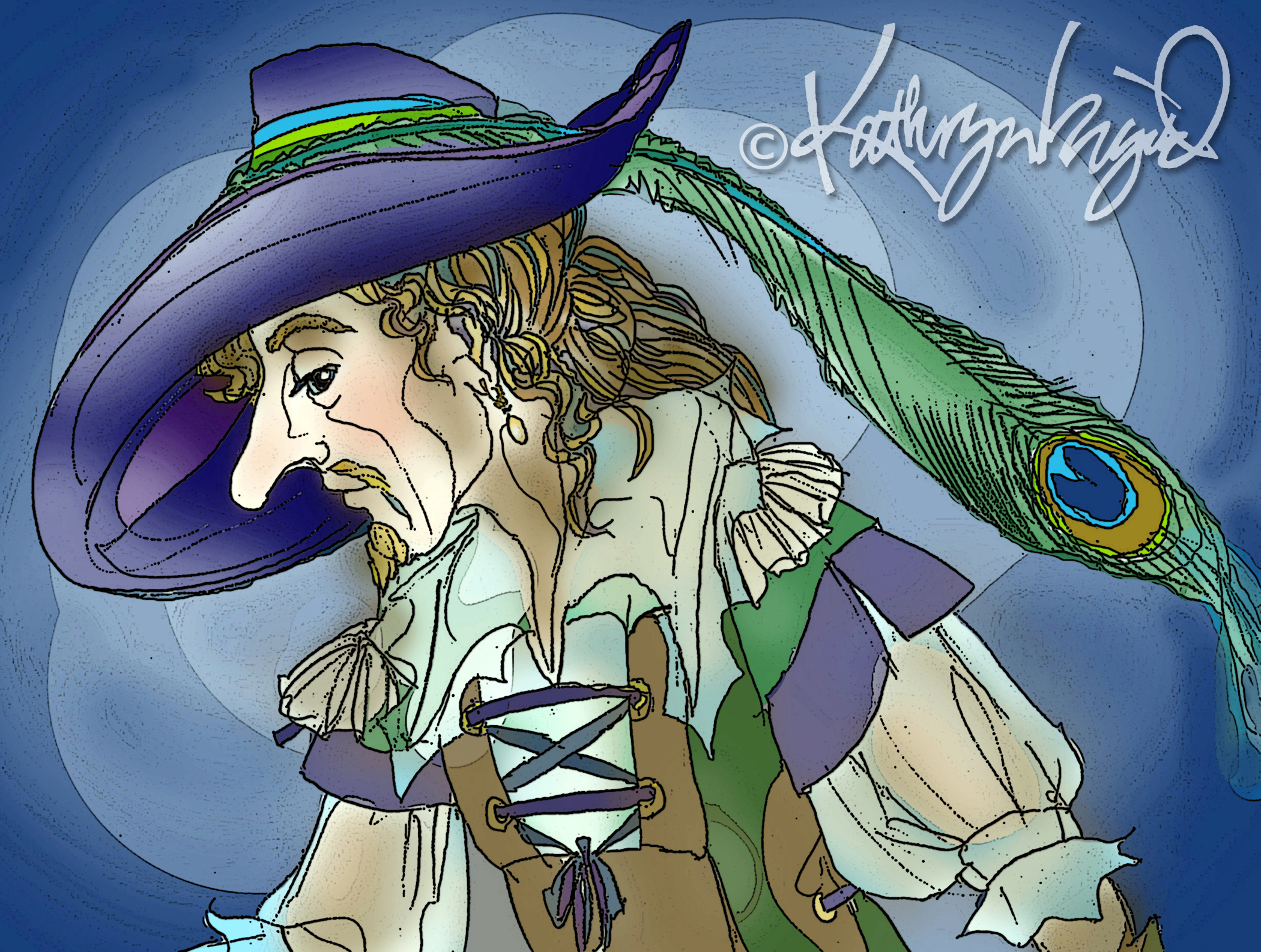
digital artworkWould that I had the miraculous gift of the silver tongue–it’s said that the genuine Cyrano de Bergerac, the writer and duelist enshrined in fiction as some sort of demigod of dramatic speech, was in life something quite near to it as well. As a youthful admirer of the romantic dream, I memorized Rostand‘s most famed soliloquy of Cyrano’s (in English, naturally), but what remains after so many years have passed is not so much the poetry of his slick speech; it is instead a deeper sense that for all my staring at his nose along with everyone else I managed to miss the point.

The story is told in fictional form to so exaggerate the majesty of his nasal promontory that all we see in most readings and performances onstage is a caricature or cartoon man, led by a nose of bowsprit proportions and foolish improvidence to oversized action and wildly improbable joys and sorrows as a result. These kinds of things do happen to real people in real life, of course; even the real man behind the character was larger-than-life in both nose and existence, according to what we know. He did, if his contemporary portraits are anything near the truth, have a substantial prow, and we have his writings–satirical pieces to classical tragedies–to prove that his wordplay was quite substantial too.

But what perhaps ought to be said of him–whether real or imaginary–is that he was a bit of an outsider by virtue of looking Different, and his response was to fight for respect, both with his rapier and his rapier wit. [Given the historical man and the possibility that he was (not surprisingly, given the era and culture and his reputed exploits) syphilitic, he may well have experienced life completely without a nose if he lived long enough.] It’s easier to label and classify others on the basis of unpopular appearance or differing from the currently decreed norms than it is to cultivate what we have in common. Yet we can learn from some of our outlier counterparts if we will stop, for a moment, being so mesmerized and distracted by what makes them seem unlike us, what it is that we have and value in common. Best if we do that before losing the duel.

Though at least, if the duel is purely verbal, there can be some entertainment inherent in getting taught a lesson. I can live with being the unarmed woman in a battle of wits, as long as I get to keep living long enough to laugh about it. I may not be a genius, but that, my friends: c’est mon panache!

That which is Seen

graphite drawingThat which is seen by the untrained eye of the casual observer is an older man, an elderly man, perhaps a shell of his former self. Not someone with a lot of use and life adventure left in him. Handsome, perhaps, in his latter years, with this silver hair and these pale clear eyes, with his faintly stooping posture before a window where no single thing that’s new is seen; elegant in his quiet way, and maybe wise. But not more.

What cannot be seen is the forty-two years he spent working for the postal service, learning the business from the bottom up and eventually teaching not just the next generation that would follow him but the next after that as well. There is no way to know at merely a glance that he tended a beautiful garden on Sunday afternoons where he grew too many vegetables for his own table so he shared the rest around the neighborhood. Invisible, too, is the love he keeps alive for his long-dead wife of thirty years, except for the small bouquet of flowers he picks from that garden of his and gives to their son and his wife every Monday because they were her favorite blooms. Yes, the flowers and the kids.

In the plain little vase where those flowers live for the week, there is room for all that can’t be seen in one quick look at the profile of a man who sits and meditates beside a window. Only by taking the time to appreciate the fulness of that humble bunch of flowers and all that they have to tell can anyone really know what to see when looking toward that window’s light. It takes a certain clarity to see what’s right in front of you.graphite drawing

The Wild West in the Computer Age

Though the wolves and rustlers may indeed have changed their guises many a time over the years, danger still lurks on every frontier.photo montageTombstone, Parts I & II

I

A heavy pall hung over the brush

And the sagebrush rolled with a whispery hush

Beware! Beware!, the townsfolk cried:

The killer’s coming! Take cover! Hide!

Call in your children, rescue your wife;

Tether the horse if you value your life!

Your grave is marked, man–hold your breath–

For your desktop bears

The Blue Screen of Death.

II

Well, it’s lonesome, lonesome, lonesome beneath the broad blue sky

If he weren’t way too manly, a poor cowpoke could cry-yi-yi

The Ethernet‘s gone silent and left me all alone

My email has been down for days; no voicemail on my phone

Yes, it’s lonesome, lonesome, lonesome beneath the empty sky

I know my days are  numbered and I’ll soon curl up and die-ie-ie

As I slump down o’er the keyboard and draw my terminal breath,

I look up one last time to see

The cold Blue Screen of Death–

Yes, I look up one last time to see

The cold

Blue Screen of Death!photo

Hot Flash Fiction 4: Man’s Better Friend than He Ever Knew


digital artworkThe interviewer from Wagging Wonders paused. Biscuit cocked her head thoughtfully, now reminiscing about her youth. In the old days, before the invention of the Frisbee®, dogs had to be so much more clever and agile to chase and catch those passing spaceships. Pups these days! They have no idea how easy they have it. Why, if it hadn’t been for Biscuit and Sprocket, all of Montana would’ve been overrun by those little orange beings that dodged their yipping and nipping, landing covertly in Seattle instead, in ’62.

O Ye Subversive Saints

digital artworkRebels, radicals and reformers of the human superhero type are rare enough that we need to remember them and recognize the astounding things that they have accomplished despite their mortality. In those who–whether born to the task, having climbed to it willfully, or even having pretty much fallen backward into it–manage to effect positive change in the world, we are not only given an example but the encouragement to believe that we can and should attempt our own reforms and renewal, however small. Remembering today the Reverend Dr. Martin Luther King Jr., we are in turn reminded of the activist for whom he was eventually made namesake, Martin Luther, and of all the other agents of change who have marked our history by following, or better yet, setting, such grand examples.digital artwork from a photoThat Dr. King’s life in some surprising ways echoed that of his historic predecessor, from his questioning of not only social norms and civil authority but also the very early challenge he made as an astute youth to the principles of the very faith that later helped shape his determination to work for reforms. This should perhaps be true of each of us in some small degree: that we take it as our birthright and perhaps even our very nature to challenge any sort of thing, small or large, that smacks of injustice, of cruelty, of greed, or any other of the constant failings of humanity, and that we dare to speak out on it, if not act. To do so is best made possible when we know that we tread in the footprints of many who seem to us far mightier than ourselves, but who in their own turns very likely sought out the same comfort and encouragement from their own forebears, as we all must.digital artworkI, for one, am deeply thankful that there have been, and are, so many exemplars whom we can name our guides and helpers in this, because the need is never-ending. Peacemakers and healers and all of those who in their ways both magnificent and minute seek to better the lives of those around them will always be in high demand. May we all show our gratitude by heeding the same call as well as we are able.digital artwork from a photo

The Fantastical & the Fleeting

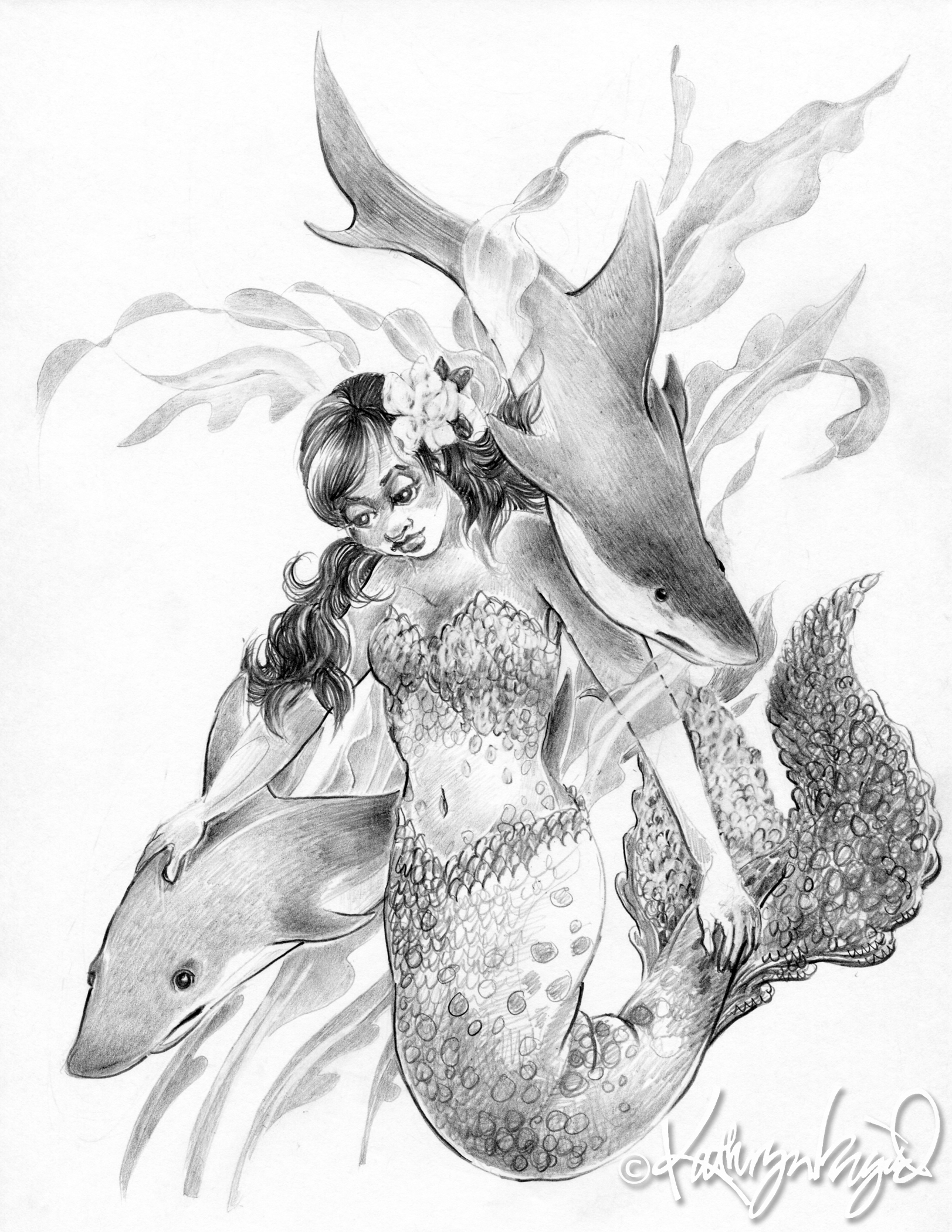
Stuff is ephemeral; imagination is what endures.graphite drawingReal life has enough elements of adventure, romance and mystery to sustain us–indeed, to astonish and entertain quite endlessly–but if we don’t record and celebrate such magic parts of our history they are lost. If we fail to study our chronicles and journals of such marvels, they are but dust.

So the sages among us keep what documents they can and teach us as much as we’re able to learn. What, though, becomes of all this if we are ourselves not so sage? Those of us for whom history is mostly data, steeped and stopped in the past, rely on fantasy to renew in us a sense of the remarkable. The fictional, metaphorical and colorful characters, creatures and cataclysmic events we create in our arts give us vehicles for understanding the true mystical powers in our real lives. Types and archetypes remain because they represent not Things so much as Experiences, not acquisitions but states of being. Through these avatars and our vicarious living of all the extremes that we can imagine, we revisit–and can even revere–the lives that have gone before us.

Through these imaginings, we are best moved to become greater than our small natural selves. In our better selves we have hope of living out lives that might, in turn, outlive us to inspire later generations to dream beyond, to imagine greatness and loveliness not yet known. Dream on, my friends, dream on.

Musick has Charms

The charms of music can, indeed, soothe the savage breast–and it can bring the terrible savage right out of the calm breast just as well. It’s a power that few can resist, love the music or not; it gets under the skin and slides on into the soul. The marvels of music are not, as you know, unknown to me and yes, I have been both incited and soothed at various times by it.

But I haven’t lived the life of total immersion. That is, as are most fully engulfing passions, left to the titans of the art. Not necessarily people known and celebrated by a large and laudatory world, indeed, but those who, whether in that pop-culture celebrity way or from deep in the dark of the behind-scenes action or somewhere in between have shaped history in whatever bold or subtle way their particular art could do.

I said I was going to be a bit dark and Halloween-ish these days, but I was reminded that this day deserves a different kind of recognition, being a memorable date of another kind altogether: the birthday of one of those titans of musical arts aforementioned. So you get a break from my grimmer humors while I bow to a great musician and a lovely man.pen & ink drawing

My husband, you ask? No, I would surely call him both as well, but I refer just now to one of the musicians who helped pave the way for my spouse, inspires him in his work, and befriended him both professionally and personally in ways that made it more possible for my partner to be quite the accomplished musician and artist that he himself is. I’m talking about the man sometimes known as the godfather of Swedish choral music, Eric Ericson.

He is celebrated by far more than just his family and friends, more even than his numerous choirs’ members and his almost countless students, because he stood at the center of an almost unbelievable burst of musical art flowering in the little Scandinavian nation of his birth and spreading throughout and beyond Europe quite immediately after World War II, sooner than it should have happened by rights except that his own country remained neutral and mainly untouched by the physical depredations of the war, and enough so that a number of outstanding leaders in culture took refuge there during and after the war, creating a remarkable hothouse where those fertile minds could put their restless art to work, and often did so together.

He is celebrated also because, as one of the central figures in this new bloom of music, he helped to shape the whole modern state of choral music, both in the church and in secular circles, in Sweden and to foster its wide spread via his own work and travels, via that of his artistic and intellectual partners and rivals and colleagues, and especially via the many, many young musicians that between them they all trained and sent off into the wide world. Their collective influence, expanding at the virtual rate of plant cell division and sending tendrils around the globe, is a rich and vital gift that will long outlive them all.pen & ink drawing

Thankfully, Eric Ericson, for one, is going to give that theory a run for it, as he has attained more than ninety years already himself. And his artistic offspring will undoubtedly keep the music sounding and growing for a very long time too, and for that I am happy and grateful indeed. We who love choral music today owe him thanks.

With that, I will say that the gracious and generous kindness that he and his dear wife have shown on a personal level to both my husband and me makes me as glad as anything to think of him on this day with great admiration and fondness. I hope that every note I have seen him conduct, heard him play on the piano while conducting and discussing the finer points of music or listened to him hum under his breath as he recollected another bit of his own fascinating and incredibly complex history as a musician will linger in the atmosphere for many years yet to come, and that in turn, no matter where on that spectrum of artistic or intellectual accomplishment any one of the rest of us happens to perch, we too will make our own kind of music echo happily in the hearts of all those whose lives we touch.

Happy birthday, Eric Ericson, may the music you hear always soothe and delight you.pen & ink drawing