 Ours is a household that both embodies and defies sex stereotypes. I am a female homemaker whose male partner is the sole income producer for us both. I wear dresses at least come of the time, and aside from academic gowns I’ve never known him to wear one. Though he has great legs and would look pretty cute in any old frock he threw on, I’m quite sure. It’s really not his style, all the same. He can get all misty over a sad movie just as well as I can, but he’s a pants-wearing guy. In food terms, we’re generally fairly well set into the expected tastes of our respective sexes. I like a frou-frou salad with baby lettuces, goat cheese in an almond crumb crust, fresh figs and mint-basil mandarin vinaigrette. My guy is mighty fond of meat and potatoes.
On the other hand, the second time this man who tends to avoid onions and garlic, sour cream and frou-frou salads–whose supertaster status leads to overwhelming visitations from sour or bitter hints in foods that to most others are relatively benign–asked me out to eat, it was for delicately crafted, raw fish and wasabi and pickled ginger filled sushi. And though hops make ‘manly’ beer unpalatable to my beloved, another loved one of mine taught me to appreciate a good beer, and I learned that it was a dandy companion to another famously male-craved food, pizza, and that together they could make this female pretty happy.
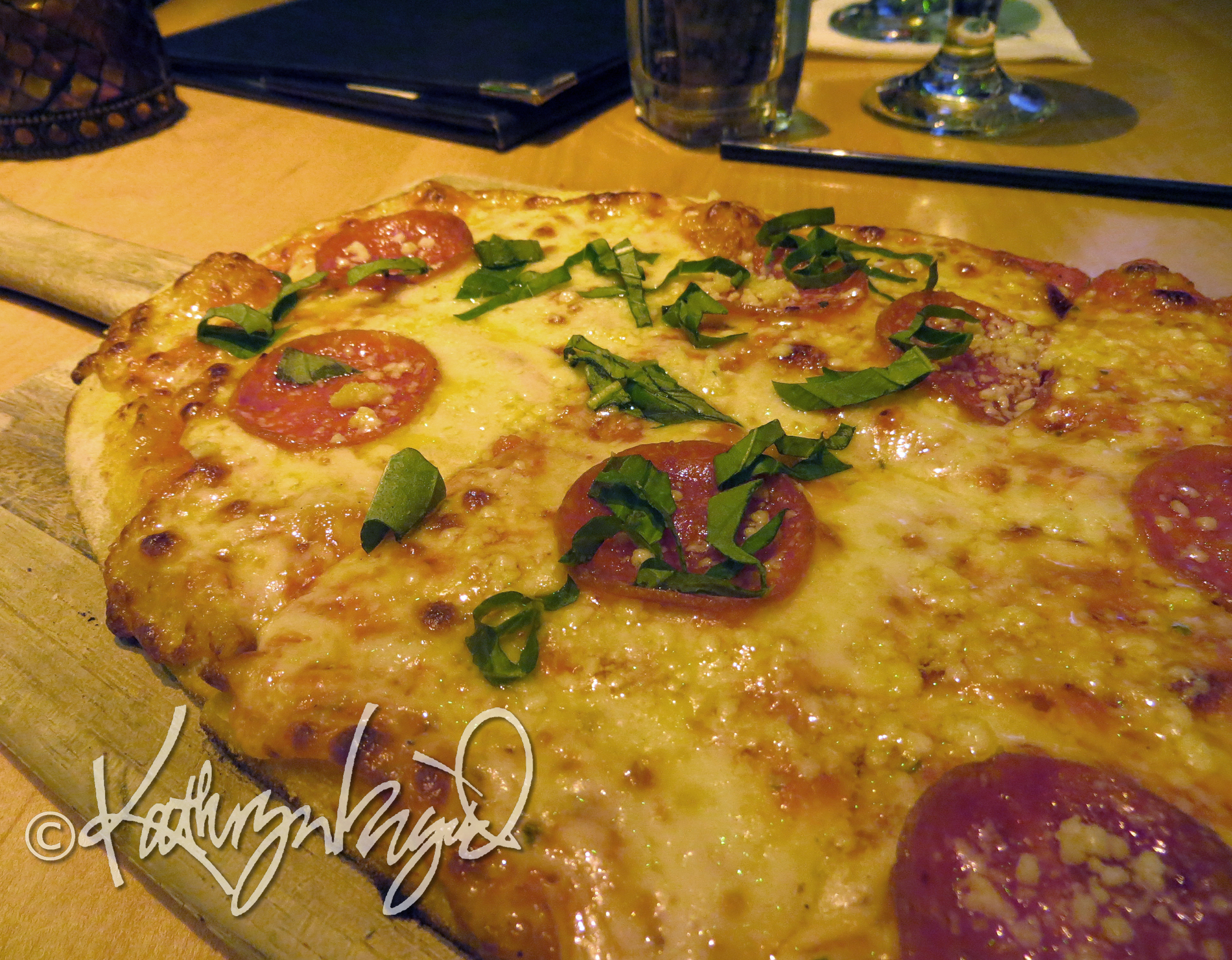
So when the opportunity for a really fine piece of pizza is not just sustenance but a great treat, I’m happy to dig in and eat. Especially if the pizza is one that doesn’t have a bunch of bitter or sour or Weird toppings, but rather the much-loved supreme deliciousness of good pepperoni and cheese and a slick of only a well-balanced ripe tomato sauce, the way my excellent spouse likes it best, so I can share it with him. And if I can wash down my tasty pizza with a good beer, then I will happily raise my glass in memory of Granny, who taught me to appreciate that the old-time stereotypical American image of men enjoying their beer and pizza in estrogen-free splendor was far from exclusive. And in memory of Gramps, whose sole-wage-earner retirement money paid for the beer and pizza Granny the homemaker bought for us while I was out with Gramps’s sons and grandsons, my uncles and cousins, practicing the ‘manly’ arts of working in construction as he had done for years before us. Keeping tradition and breaking with tradition. There’s always room in a good family, or a good stomach, for both.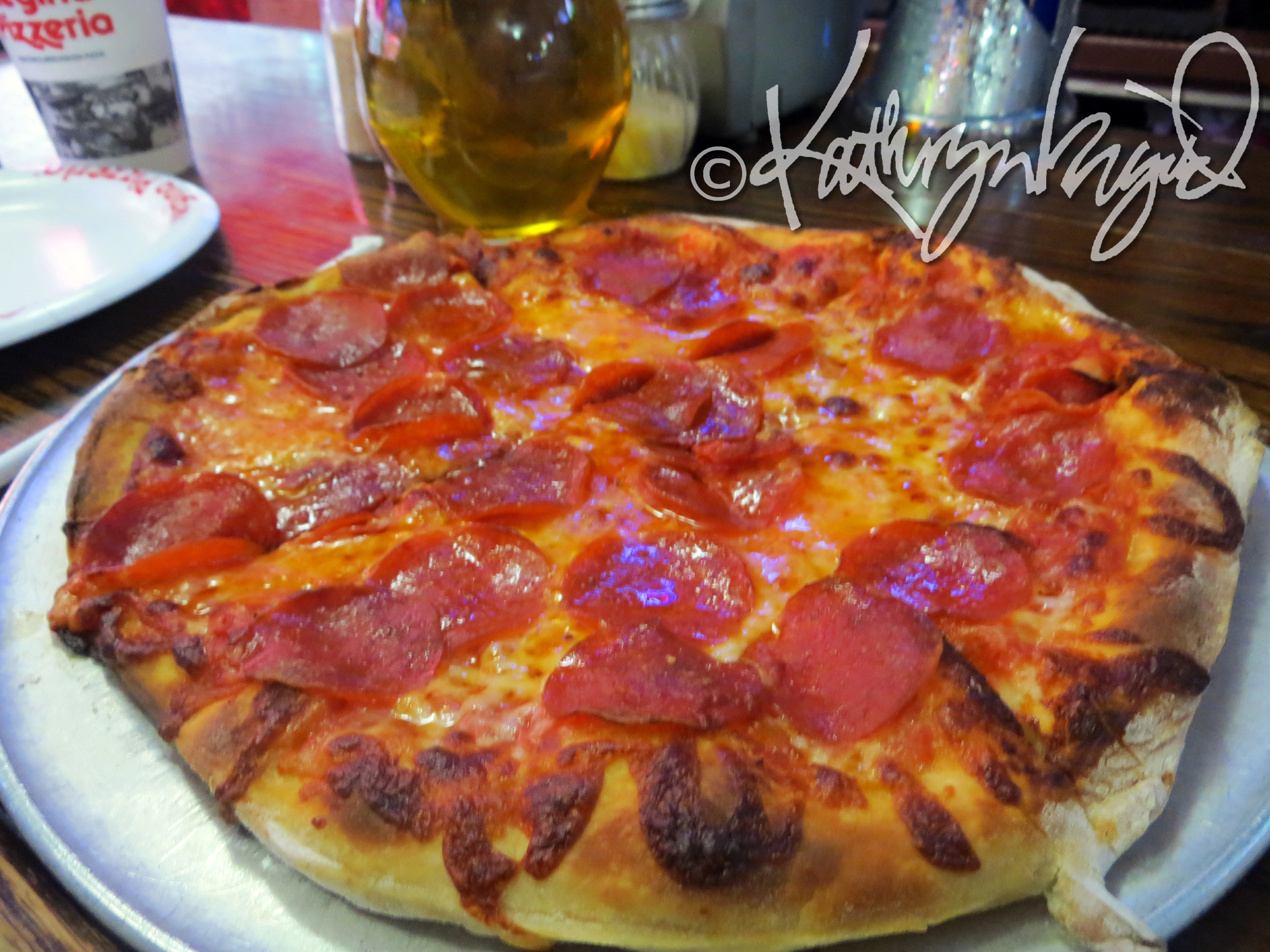 All of this being said, with the help of my perspicacious, pizza-loving spouse and some research he’d read, I’ve recently discovered that avoiding wheat, of all things, seems to greatly reduce the hot flashes that have been the bane of my middle-aged existence since well before I was middle-aged. What to do? Wheat is the basis of the traditional pizza crust. Not to mention a key ingredient in lots of tasty beers. What!!! Is the universe spinning out of control???
Fear not, my good friends. I am finding that where there’s a hankering, there’s a way. Besides the existence of a number of flour mixes and recipes for them that substitute quite neatly and directly–and generally must more tastefully than in gluten-free days of yore–for wheat flour, I am also learning that there is an ever-expanding universe of alternatives for those who are forbidden wheat, whether by choice as in my case or perforce as in the lives and kitchens of celiacs, allergy sufferers and others who must avoid the offending grain. Stay tuned for the experiments that are sure to follow: rice and potato and nut crusts, vegetable stand-ins and stunt doubles, and more. Meanwhile, I will not shy away from a cold beer, just check to be sure that it’s a wheat-free variety. And of course there’s always a nice cold cider or lemonade or iced tea, or perhaps a fresh and icy strawberry-cucumber mojito, as they also make quite the dandy accompaniments to a slice of pizza, gluten-free or not, don’t you know. I’m quite certain Granny would approve.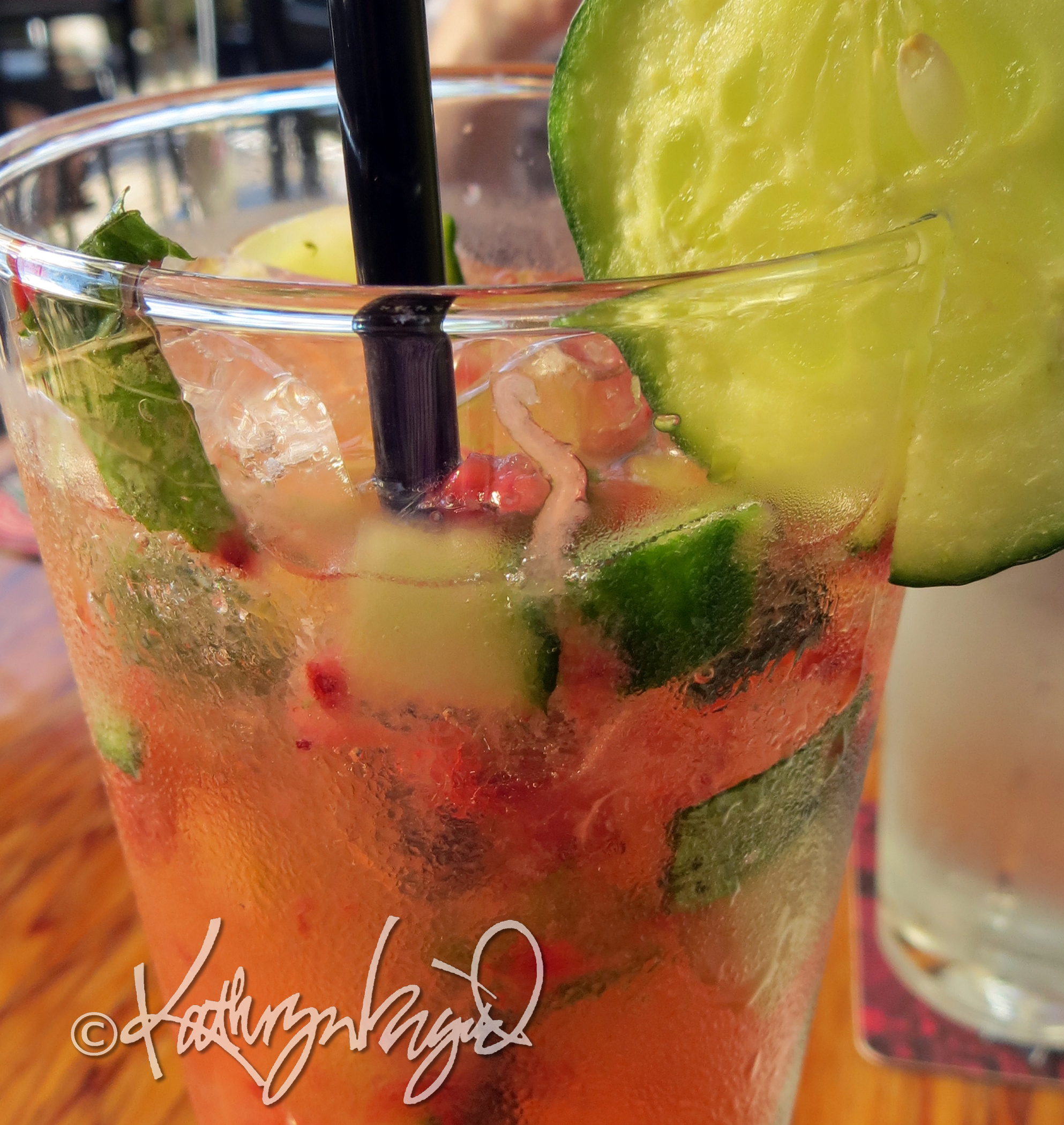




 Art-Colored Glasses