Bravery is a rare commodity. Many people who think they’re being brave only dare to do so from within a like-minded group, however small in number, and when they are genuinely in the minority spend more energy on protesting that the majority from which they’re excluded is unfair and unjust than on doing anything useful to change it. It may be true—knowing human nature, often probably is true—that one’s opposition is no exemplar of justice and fair-mindedness. But we’re seldom willing or able, ourselves, to make a cleanly balanced assessment and especially, to act wisely and compassionately on it either. We’re generally convinced that anyone else having anything good means less goodness for ourselves, and that that is a terrible thing.
What impresses me more than bravery, real or imagined, is seeing anyone express real empathy for others through their own beliefs, lives, and actions. I tend to doubt that we’re capable of doing or even wanting very lofty things, but I also think that small doses of empathy will go ever so much further than any amount of derring-do and action-figure heroics in bettering the world and the human condition within it. Daring to let another person be richer or more privileged than me or to have the last word, even when I’m fairly sure I’m smarter, closer to correct, or more deserving requires quite a different sort of courage than running into danger in anyone’s defense or their stead.
But treating others with such respect seems to me far more likely than argument and defensiveness, self-protection and fear, to get anyone to trust and respect me in turn. So shines a good deed. The unselfish willingness to accept another person’s reality as valid even when it might cost me something significant is a kind of courage I dream of having, hope to learn.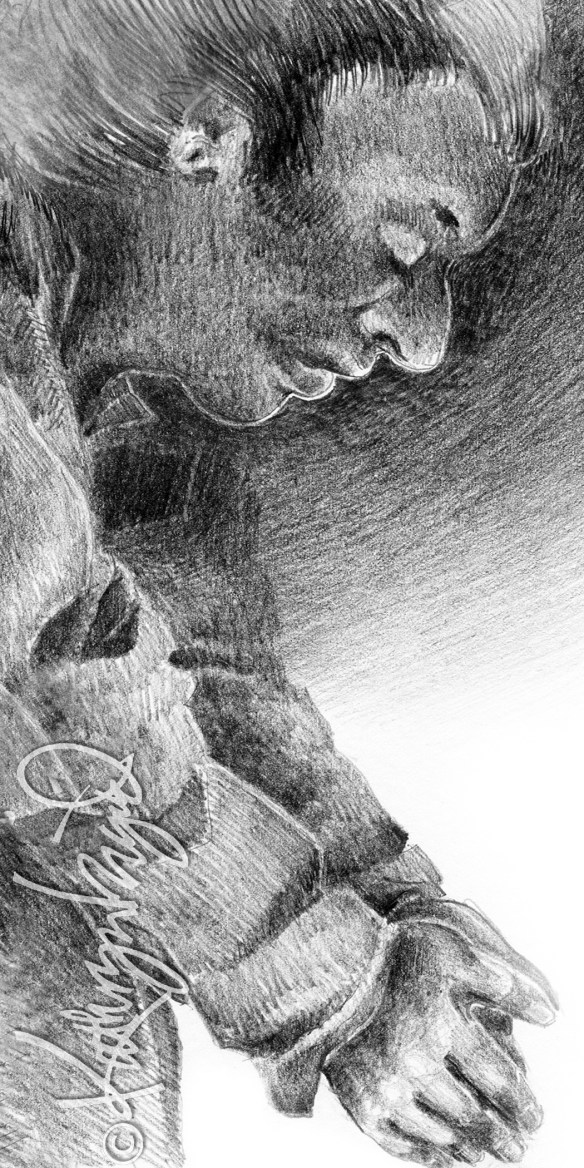

 Art-Colored Glasses