Hard Boiled Character

I’m very much a child of the Sixties. I was born at the beginning of the decade that brought to a point of confluence such disparate events and ideas and people as space exploration and spaced-out hippies, the Beatles and the Batmobile, suburban composting and the Cold War. Every one of those might be said to have had at least a little influence on aspects of my self and my character, but one of those I particularly remember from preteen days is that the very little I knew of the politics of the day was that my classmates and I were trained in school drills to dive under our desks and cover our heads with our arms as protection against The Bomb. Because we all know that there’s nothing better than skinny little kid arms and a plywood desk to save us from nuclear holocaust.

A corollary of this perhaps, is that even as a shrimp I could recognize the futility and insane ridiculousness of what the world’s Superpowers liked to tell us was inevitable and what, conversely, was going to stave off such things, so I preferred to play the 60s’ iteration of the 50s’ cowboys-and-Indians, that being a game that, as far as I’ve been able to discern, was all about galloping around on invisible horses, making a lot of noise, chasing each other, and brandishing toy guns in ways that would’ve cleared the Old West in an instant by accidental and ‘friendly’ fire had they been loaded. Our upgrade for the sixties was Spies, because as it was utterly clear no politicians in ours or any other country was going to be sensible and deal in saving self and planet by means of either successfully waging a visible war or, even more remotely, by learning to sit at table and negotiate anything like Peace.

So we played Spies, the cowboys-and-Indians or Us vs. Them variant that swapped invisible pinto ponies and buckskins for invisible (or better yet, pedal car) sleek, speedy autos with magnificent tail fins, the ten-gallon hats for fedoras and the chases across the Western plains for slinking around our own houses to peer Unseen into the windows—the ones we could reach—and spying on our own parents who stood in for Commies. And only if we were really lucky maybe really were Communists, though I knew no one who would have said so openly in suburban America in those days. In point of fact, I had no goal of catching anything other than perhaps a glimpse of where Mom kept a box of candy hidden, and certainly no wish to fire my terrifyingly realistic plastic squirt gun at anyone with anything other than a zip of icy cold water, but it was all Terribly Exciting.digital illustrationThat, however, was pretty much the pinnacle of my career as anything racy or dangerous, and I’m quite content with that. But the memory of how thrilling the entirely artificial and manufactured world of child’s play was still charms me, and I still kind of like to revisit the image of self-as-desperado with a laugh and, yes, a tip of my broad-brimmed hat.

Persimmon Persimmon Persimmon

digital illustration

[To my readers who are better educated than I am : Please pardon my humble attempt at kanji. It’s well-intentioned!]

Some words are more delicious than others. It’s not simply that they represent something actually tasty, an edible something full of juice and jazz; the mere sound, even the thought, of these words just leaps up and dances and smacks you in the chops with irrepressible mirth.

I’m not terribly familiar with persimmons as food like those who grew up in its primary regions of growth, but Persimmon bounces as a word. I can’t really imagine a way in which that fruit could have much credibility as a subject for a tragic song, having such a sunny sound. Is it even possible to write a sad story about bananas, other than the gradual present decline of the world’s banana crops? Simply thinking the word Banana makes the corners of my mouth curve up in a silly parody of the fruit. It’s not hard to be Flabbergasted or Gobsmacked by any number of things in this day and age, but would I opt to describe myself with those words rather than Stunned or Mortified if I want a sympathetic audience? Could a pair of Galoshes or Gumboots with my Bumbershoot ever be as sober and somber as Wellingtons?

As anyone who writes with purpose knows, the choice of words is not always easy or obvious in crafting the proper atmosphere. But when the opportunity arises for play, why then there are a whole lovely mess of cantankerous and giggly, hyperbolic and incorrigible and snappy word delights just lying around in dusty corners waiting to be picked up and tickled back into action and it would be a pity to just say what is expected when we can chuckle out slobbery and salacious words that will startle readers right down to their anklebones. Great if I can feel a bit outlandish while thinking and writing it; better yet if someone reading what I wrote can garner a sense of the same otherworldliness too. Go ahead and bite.

Hot Flash Fiction 10: At the Very Back of the Shelf

In Dash’s closet there was a very hard-to-reach spot at the very back of the top shelf, and he was quite happy that his younger sister Mattie couldn’t reach anywhere near it. There was a large jar there that he prized beyond any other thing he owned, even his pocket knife and the doll that he loved as long as his parents would only call it an Action Figure in front of any of his friends. The jar gave off a very faint blue glimmer that was even visible on the darkened closet ceiling after the bedroom light was switched off, and it pulsed comfortingly at young Dash as he lay across the room gazing on it while drifting off to sleep each night, dreaming eventually of the wonderful things that would happen when the creatures he kept in the jar finally came to their full maturity. He remained, as far as I know, blissfully unaware that they were beings of his little sister’s making and left for him to find and nurture. He may have begun to wonder what exactly was brewing when his Action Figure seemed to have moved to the far end of the shelf one morning of its own volition and then disappeared entirely until it resurfaced at the end of the week in the bathtub drain, one arm missing and covered with some kind of sticky corrosive ooze, but I imagine that he guessed Mattie might have had a hand in this trickery. The relocation of Dash’s pocket knife underneath the heavy jar was a harder to explain, more puzzling development.digital collage

Tree-Totaler

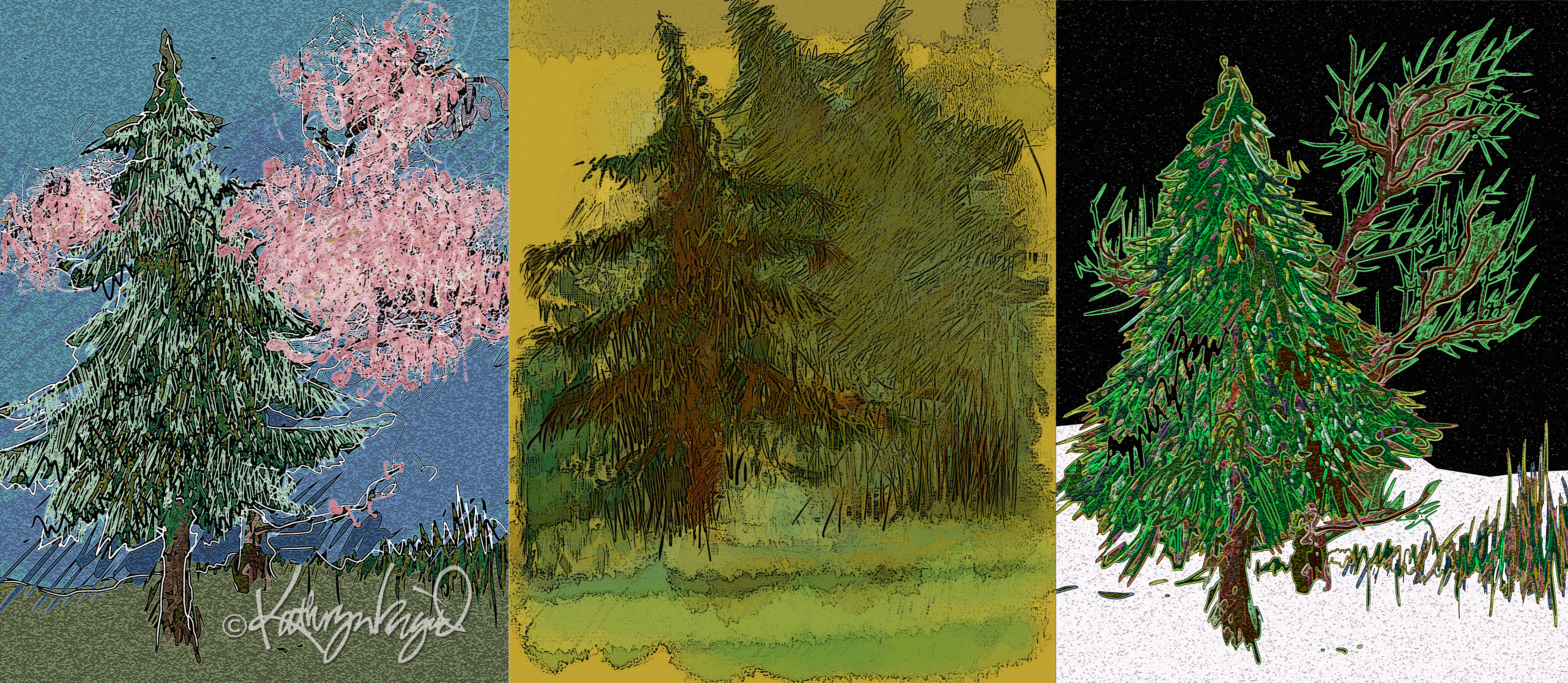
I have a new toy! I’m not an early adopter when it comes to tech; in fact, I’m a slowpoke, and pretty much a big chicken, since learning new things intimidates the heck out of me. I know things come slowly to me, so it takes a while for me to even get up the nerve to try. But I have a new toy, and I’m liking the process of learning what I can do with this one.digital illustration

It’s an iPad, my new toy, and I bought a stylus to use with it, and downloaded several drawing programs (freebies and super-cheap ones, of course), and I’m having a grand time fiddling around and trying to see what I can do with the new artistic tools I’ve gotten. No amount of technology can make me into what I’m not, but some of those things I can do with the things I’ve now got could help me to make myself, however gradually, into a better artist. And that’s a fun thing to the degree that it does a remarkable amount to overcome my normal reluctance to trying to learn anything new.digital illustrationIn times past I have managed to kill a lot of trees in pursuit of my artistic growth. In my heart I am a great big tree-hugging plant lover, but my instinctive urge to make art has often trumped my tree love, at least to the degree that I make many works on paper. It’s easier to use when making marks into drawings than other, non-flat surfaces. I’ve been happy to use recycled material when possible, but paper is paper and, well, finite too. I’m liking the option that electronic tools give me of deleting or, better yet, erasing, layering, and redoing all kinds of things over and over again without needing to go to print unless and until I’m good and ready to do it. Here goes!

Put a Little Mustard on It

digital illustrationDespite my admiration for—nay, adoration of—color, I can be a little timid about being bold and colorful myself. Whether it stems from any inner quirk or flaw or simply is, I can’t begin to guess, but when I become aware of my fearful nature beginning to stifle other aspects of my personality I get a little irritated with my sheepish side and want to jump up on the table and do a dazzling tap-dance that ends with a spectacular back flip, splashing adrenaline into the hearts of all others present.

I don’t know how to tap dance. That kind of throws a monkey wrench into Plan A, even if I did have the remotest idea of how to do a back flip of any kind other than the I-just-got-pushed-off-a-cliff kind, and since that one ends fairly inevitably in messy death, the whole of the plan quickly loses its appeal.

But I can make artworks, and colorful ones at that, so as an acceptable Plan B I am quite often glad to whip out the spicier colors and wilder strokes of a bold design to assuage my spirits and reassure myself that I’m not entirely straightjacketed by my timidity. It’s good and wholesome to kick my own self in the pants occasionally (as well as less gymnastic, no matter how it sounds, than back-flips and tap dancing) and remember that I may be mild-mannered in general but even the quietest soul can sometimes have a momentary outburst and not only survive it but kind of relish the shock that it gives those around me who have also forgotten the possibility of my doing any such thing.

Raised Eyebrows

There have been many times when people looked upon me with raised eyebrows, if not utter disbelief. I am, of course, not only accustomed to it but somewhat proud of it, being an artist. If I never surprised or seemed a little off-kilter to anyone I would think it called into question my credibility as an inventive person altogether. So I’m happy to report that my assessment by others has been heavily salted and peppered with expressions of doubt, disdain or possibly, diagnoses of delirium.oil pastel drawing 1988The artwork above (four feet high, for your contextual reference) came from a period in my artistic development wherein I might have been forgiven for thinking there was a form of communicable facial paralysis among my contacts that left them all perpetually wearing masks of such disbelief. I had meandered through the three years following my undergraduate commencement, while working for my uncle’s construction company, barely producing a discernible body of small artworks the while, and still had opted to go off to graduate art studies. I had made a pitiful showing in my first quarter of work there, simply extending the slow, unproductive approach I’d had during the previous three years to cough up a tiny handful of pleasant but utterly unimpressive artworks without any particular evidence of having been changed or challenged by my reentry to the educational environment. But after the embarrassingly lackluster critique session that closed that quarter, I was perhaps uncharacteristically motivated to break out of the doldrums and sail in a new and more daring path, in hopes of visiting uncharted territories of worth.

Changing my approaches to media, techniques, subject matter, scale and speed, I found, all contributed to my discovering new sides of my artistic self. I became in some ways quite the opposite of the person I’d been previously in the studio, and while I never lost my love for the various characteristic media, techniques, etc, etc, that had defined my former self, I certainly never regretted having broken the mold I’d set that self in so firmly. An inordinate number of options and opportunities previously hidden from me by my insular fear and ignorance and self-imposed narrowness of intent and expectation suddenly seemed both possible and appealing, and I have continued to gallop around after them with abandon, sometimes with a hint of obsession and often quite tangentially, so I’ve grown to simply expect the raised eyebrows around me and relish the thought that they mean I’ve not settled too far into my former predictably fixed self again.

That, I think, is encouragement enough to keep me moving forward.

The Ordinary Romantic

I’ve not re-posted anything from my own blogging before that I can recall, but happened upon this (admittedly lengthy) piece I wrote a number of years before I even started this present blog and was reminded of a few things I’ve said here but in quite different ways. So I share it with you now, lightly edited to update it, just because it piqued my own interest once again. Cheer up, my friends: I love that this is written from something like an outsider’s view of the experiences of depression and deep melancholy, after all these years!digital illustration from a photoI highly recommend reading the book I just finished reading [when I originally wrote this post], Peter D. Kramer’s ‘Against Depression‘. He’s the author who wrote ‘Listening to Prozac‘ – a book that, surprisingly, wasn’t really about depression or even Prozac, per se, but due to its bestselling status raised those two specters so frequently that he finally had to respond with this book. He has some sections in it dealing specifically with the effects of depression on arts and creativity, intellect and education, and vice versa. But there’s also a ton about the physiology and pathology of depression, the affect and effect and the impact on self and others. Very thought-provoking for me.

If you want a really scary companion-piece before, during or after the reading of that book, one that for me confirmed the urgency of wellness by any–no pun intended–sane means, look up ‘My Lobotomy‘ – it was a presentation on NPR that horrified me more than umpteen war- and disaster-stories (including true ones) and makes stories by Edgar Allan Poe and Stephen King sound like skipping through a copse picking violets. ‘Lobotomy’ is the harrowing memoir of a lobotomized man who, at 56, finally got up the courage to investigate and explore what happened to him when he was operated on at 12, why it happened, who else was affected, and much that followed. Incredible. Terrifying. I can barely even think about it. But it did make me feel all the more intensely that I want to stay in charge of my own mental health just as much as I should my physical health.

For the moment, since I’ve so often been asked, I will say that when I call myself Ordinary, what “ordinary” means to me is wide-ranging and a bit variable, but in the sense I’m using here in the land of my blog, it covers all of what seems possible, believable, normal or otherwise expected in the universe of human experience. More significant, perhaps, is defining what it doesn’t mean for me: things found at the extremity of experience: brilliance or genius or unearthly, once-in-a-lifetime skills, talents, and insights. Me, I’m not interested in being a supernova. They tend to burn out fast anyway.

What I really pride myself on is taking the simple raw material of being a middle-of-the-road mortal and managing to pull out of that clay my own few moments of dazzle – an outstanding artwork here, a worthy kindness there, and a few sprinkled bon mots or glorious deeds in between – these shine all the more in the setting of my ordinariness. People take note of them precisely because they are deserving of note–because coming from a typical luminary or wunderkind they would be the expected thing, no matter how exciting, and from me they are not. There’s no intrinsic negative value to ‘ordinariness’ for me, no implication of self-abnegation or false modesty, just the sense that only a few in history are genuinely set apart as spectacular examples of either desirable or undesirable traits and gifts, and we in the main herd can still go on and live rich, full, complete lives just as we are. With maybe a little less pressure to perform, too, so that anything extraordinary we do actually shines that much the brighter. Surprise! Aren’t I fabulous!

Why do we see ten tortured geniuses for every happy one? I think it’s primarily a function of taste: the culture that covets over-the-top emotion isn’t interested in supporting and reporting anything that doesn’t have that dangerous gleam. Good news is no news. If the artwork is upbeat, it must be tacky and shallow. If the artist is happy, she must be an air-headed clown. Prettiness and simplicity and everything that pleases the mainstream must, by definition, be playing to the lowest common denominator.

I’m actually a dyed-in-the-wool Romantic myself, but I have been contemplating that old adage “write what you know” and decided that it lends itself to far too tiny a concept of possibility. In the first place, if taken strictly it would mean that we should automatically dismiss as useless falsehood any attempts at empirical or even historical writing, because practically everything that has been once believed absolute has taken on different shadings over our cultural lifetime, if not been disproved. Never mind how we should treat the authors of murder mysteries and crime novels! The aphorism may be a needless dictum or even a myth: one doesn’t necessarily have to BE suffering to appreciate what suffering is. And perhaps anyone who has suffered in the past can be considered to have earned the stripes of exactitude anyway and can rely on recollection rather than continuing to wallow.

There is certainly a bit of truth when people insist that others can’t know what they’re going through; in its most complete sense, I’m sure that’s accurate. But anyone with a little life-experience and the ability to sympathize or even–if imperfectly–empathize, can puzzle out in his or her own way an approximation that makes communication of it possible in art. And, frankly (this goes back to that idea of an Ordinary person doing something Extraordinary), if I can make someone slap his palm to his forehead and go, “YES! That’s what I’m talking about!” when they recognize a shared feeling or insight, then I think it’s all the more memorable and impressive, not the predicted brilliance of some savant.

So thanks to the perpetual discussions of such topics with colleagues and friends and given my understandable interest in depression and its effects as well as more strictly Romantic artistic concepts, focus on the impressive influence and hold of Romanticism on all our lives, I continue to search. If Romantic ideals glorify and sympathize with a dark world-view, with sorrow, cynicism, pain, suffering, and so on, and if arts and beliefs that support those ideals are valued, then how can we respond to things that defy or fail to uphold them? How can we wish to be happy and healthy if what we love is, really, decidedly neither? Since the prevalent taste for Romantic qualities has been in vogue for a number of generations, and cultural memory is dangerously short, few recollect that being In Love with Darkness is a relatively new trend in recorded human history; an externally imposed one at that. As with so many of our beliefs that we take not only for granted but as eternal, immutable fact, all is not necessarily as it always has been or will be. There are larger patterns in the life and development of art, history, healthcare, personal experience, politics, and religion that act and cycle broadly, often inducing in each other significant change as they intersect along the way.

As Dr. Kramer notes in his excellent polemic against depression, even tuberculosis used to be idealized. People who had Consumption were presumably consumed by the unusual intensity of their inner being: larger than life passions, intellects, artistry, love and spiritual astuteness were all attributed to these dramatic sufferers. When it was finally seen that that oh-so-sexy tuberculosis was in fact not only a genuine physiological disease but also a degenerative, communicable, and difficult to treat pathology, and that it would not only kill the patient eventually but also deprive the rest of us of those idols, the tide began to turn toward the desire for palliative care and cure. Depression, also arguably a disease of at least equally destructive dimensions, and demonstrably damaging to such physical attributes as brain tissue and adrenal glands, not to mention to social structures surrounding the patient, is certainly deserving of the same considerations.

So what do we do with our Gothic worldview? Give up our love for the dark? Hardly. Strip it of its value and depth? Not likely. Perhaps, though, we can rebalance the scales a little and say that it’s no longer chic, let alone necessarily accurate, to assume that all things pretty and pleasant and uncomplicated and cheerful are stupid, dull, vacuous, or shallow. Realistically, we’ve all seen attempts at art that cling to the Romantic ideal and yet manage to be stupid, dull, vacuous, and/or shallow. And, as I constantly remind[ed] my beginning art students, one of the hardest things to accomplish well is simplicity. When you take on the task of making a work that appears simple, you make yourself vulnerable to every would-be critic who can find the tiniest flaw as it stands out against that backdrop. Because you have tackled the familiar, it takes far more sophistication and subtlety and inner resource to make the work distinct and worthy, not just a good imitation of what has been done before. Anything can be badly executed, art or otherwise. Anything has the potential to be scintillating and brilliant.

The difference should lie not in one element alone, especially not some preset element like whether the theme is Dark or Light, but in the miraculous confluence achieved of content and intent, medium, methods, and moment. Is it beautiful? Is it successful, deep, lasting, influential, meaningful? We will, and should, continue to make value judgments and assessments and be willing to revisit them from time to time. Because beauty and meaning, whether you believe they’re strictly in the eye of the beholder or not, can change as the beholder’s eyes are changed by a life full of adventures, by time and tide and every nuance of history that washes over us. It should be equally visible in full, bright Light or in cavernous Romantic darkness.
A Glimmering of Sweetness Exceeding All that has Gone Before

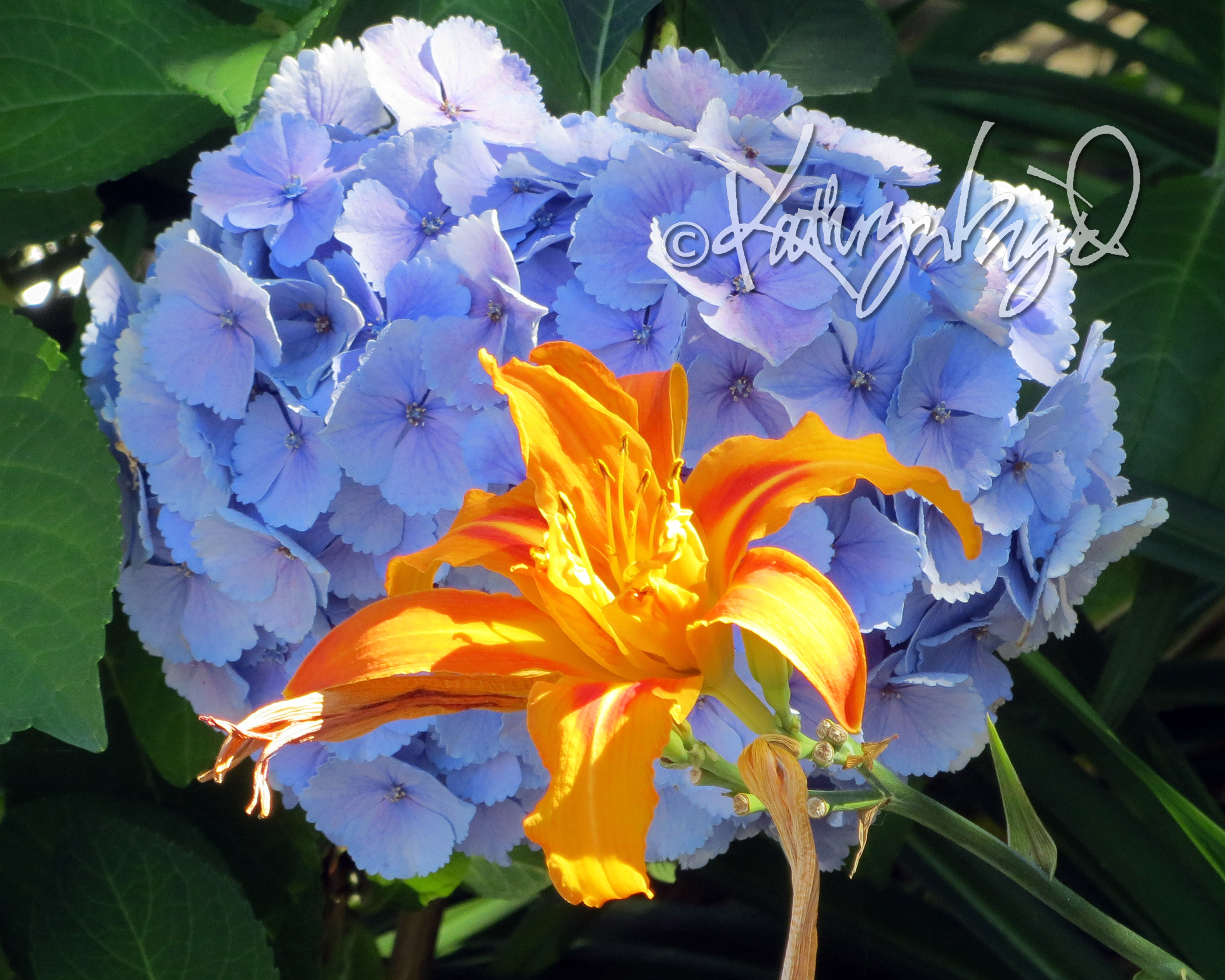
This is my wish for all of you as the new calendar year begins. May you find goodness and contentment all around you, and may you in turn share and propagate it everywhere you go in 2014. Peace and abundant happiness, my friends.photoI rarely have an actual Plan for the upcoming year, but this time around I do want to move toward a few specific things. First and foremost, I want to be more deliberate about finding ways and excuses to be an even happier person, and to leverage that happiness to spread it as far and wide as I can to other people. Call it intentional optimism, call it doing random acts of kindness, call it whatever you want, but I think it’s more likely to be good for the overall tone of the year than not, and that alone is worthwhile.photoIn addition, I intend to start making money this year again, however little it may be. I have no delusions of getting rich, but would love to put my own tiny dent in our family expenses, savings, and/or retirement. It’s been a long time since I got any actual dollars for anything other than a present, and I know that, however unlikely a choice I may be on paper for anyone who’s hiring, I will find a way. Or two. It may not be a regular job, or it might be a conglomeration of tasks and sources. I’ll keep you posted, friends, but if anyone happens to have any brilliant insights before I do, chime in; I’m listening! Meanwhile, I’m happy to keep working on increasing the happiness quotient however I’m able. That’s Job #1.

What Now?

I have heard others wonder, many a time, a thing that I have speculated on myself, namely, what the animals we look at so quizzically in nature, home or zoo think, in turn, of us. Do they even think of us at all, and if so, is it with curiosity? Is the curiosity limited to what we could feed them or whether, in point of fact, we could be fed to them–or does it go beyond this into realms we cannot even begin to guess?

As the calendar year trickles toward its end, many of us turn our inquiring minds toward the future and ask ourselves what lies ahead, and whether we can have any influence on it. We long to be happy and healthy, rich and free, but are often puzzled when directed to think not about how the universe can confer these delights upon our undeserving heads but instead, how we might earn or attain them by our own efforts.

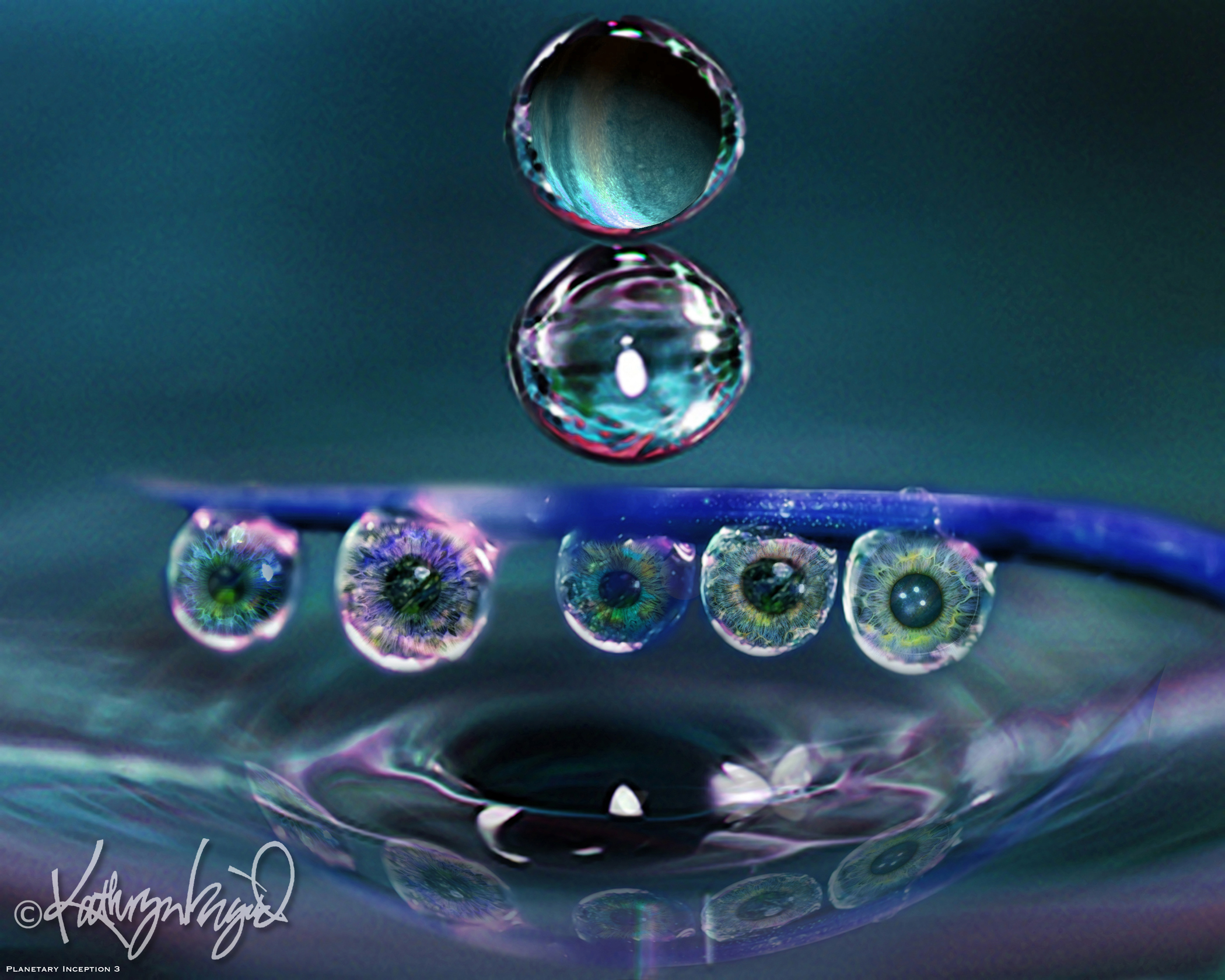
For some reason, all of this recently began to merge in my own head, coalescing into an odd and perhaps contorted mystery of a related but new variant. Thanks to my appallingly unscientific mind, I suppose I have often pondered the universe in the same way that I do animals in relationship to humans, imagining the universe’s workings as some sort of parody of Baroque stage machinery. We occupy a stage on which we animals and plants and other living things act out a madly unscripted play amid the apparently clumsy clockworks of our artificially constructed container and wait for the deus ex machina resolution to clarify all that is, was and ever shall be therein.digital collageSuddenly, though, I’m struck by a further thought that if there is indeed any such power running the show, perhaps the universe is looking at us, at me, in great consternation and mystification, wondering when and how I will be explained. It makes me feel smaller than ever in the grand scheme of things, yet somehow comforted that I may not be entirely alone in my wondering. Will the year ahead, or the decade or lifetime, see my questions answered? Will the universe get its answers? I can’t even begin to imagine. But I like the thought that whatever is waiting on the other side of New Year’s Day may be just that much more miraculous than all of the exciting and surprising and wonderful stuff that went before it. I, for one, plan to stick around until the curtain falls.digital collage

You can Lead Me to Water…

…but I can’t guarantee I’ll be smart or committed enough to take advantage of it. I may represent the truly average human in that, though it’s hardly cause for admiration or celebration. We’re just good at being too blind, stubborn, ignorant, lazy and foolish to make proper use of whatever riches are set in our way. It’s silly enough that I can sit at the brink of a well pouring out pure, cold, sweet water and die of thirst, but that I would fail to fill a cup for any of the other thirsty people waiting for my smallest effort becomes a much more significant omission. I should be better. I could be better.graphite drawingAnd I want to be better. The first step, surely, has got to be simply paying attention. Am I so accustomed to privilege that I have acquired wealth-blindness, forgetting how rich I am, or worse yet, have succumbed to that ugly disease, Entitlement? I must teach myself to renew my awe and wonder at what is good and great in my life. Then I must remember to make wise, generous, jubilant and extravagant use of it all. A whole new year lies ahead, a whole new series of opportunities for improvement. See you at the brink.