Back in Business

photo montage

It may not look like much yet…

Spring has fully returned to north Texas. That means repeated visitations from wind and tornado warnings, thunderstorms that lead to flash floods, and threats of baseball sized hail. More often, though, it means warm temperatures and plants seeming to grow 50% taller in a day. And it brings on bud, leaf and bloom with a flourish that reminds me how showy and productive a Texas garden can be at its—however brief—peak.

photo montage

Will you think me impertinent if I show you my bloomers?

A Saturday outing is splashed with roadside waves of Showy Primrose, Paintbrush and Bluebonnets, and the trees are bursting with a dense, cheering liveliness that belies the likelihood of a relatively short span of such intense lushness.photo montage

Our own garden is reawakening, sending up promises left and right of everything from capsicum and tomato, parsley and kale to the same primrose standard-bearers ushering in roses, Salvia and Echinacea. The saplings garnered of the city’s largesse in the annual tree giveaway—redbud, Mexican Plum and Texas Ash, to date—are awakening as well. Though the odd temperature fluctuations and ice storms this winter hindered their bloom, they are leafing out in style. And as much as I’ve been known to vilify and slander all of squirrel-dom as thieving rats, I will grant them all manner of amnesty for their one generous act of planting acorns across our property and providing a welcome lagniappe of oak seedlings in my planters for the increase of our little backyard grove.

photo montage

I’m up to my irises in spring bloom…

photo montage

Can you blame me for being dazzled?

For shorter-term flair, it would be hard to argue with iris as my chief fancy at this time of year. Always a favorite flower for both my partner and me, it was the centerpiece of our wedding design, courtesy of Mom’s garden, and an indulgent purchase last fall in the form of a self-gifted bunch of fans for the garden here. Along with the classic lavender bearded and highly perfumed variety given us by a dear friend, the newcomers are flourishing in their bed in the front corner of our lot, and I am wholly enamored of their flashy, curling flounces and the radiant tendrils of their beards. The graphic drama sustained by their swordlike leaves after the flowers pass is a pleasing bonus of irises’ appeal, but the magnificence of a bed in full bloom will always be one of my most beloved signs that this season of nature’s great exuberance is in full swing, a grand hurrah in floral form.photo

All Gardens should be Herb Gardens

photoI am prejudiced. It seems logical to me that any garden grown for beauty should be grown for utility as well, and any garden grown for use ought to be pretty to look at and full of great sensory experiences well before it gets put to work. Why shouldn’t gloriously pretty edible and functional plants be shown off in all parts of the landscape, and why shouldn’t we take better advantage of what we have growing around us anyway?photo
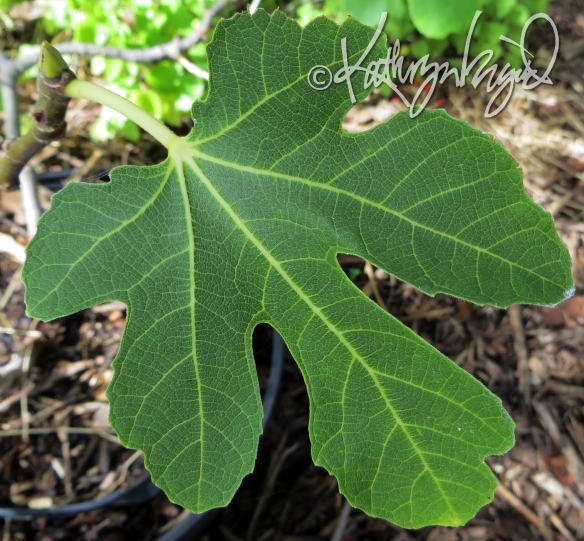
Thankfully, these biases of mine are becoming more widely put into practice all the time. While kitchen gardens have a grand tradition of being ornamental and landscape design has long had its elements of utility inserted, those approaches have tended to be rather exceptional than the norm. So I’m thrilled to see such a proliferation, a flowering, if you will, of the whole concept that these belong as integrated into a delightful whole.photo
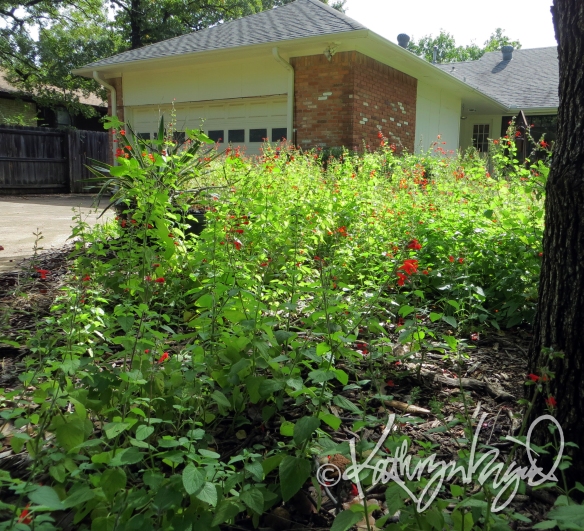
My friend Christopher’s interest in starting the garden personalization of his next home with herbal inclusions and infusions (not to mention his appreciation of adventuring in the kitchen) got me thinking about my own past and present herbal operations. What do I consider a good framework for inserting my own preferences, herbally speaking, into the garden nowadays? And what, in turn, is actually happening in that way here? Not surprisingly at all, this thinking turned into a lengthy exercise in list-making. Herewith, my mental inventory of herbal ideas. Foremost among them: that I plant every and anything in my garden where I think it will thrive best, then opt for where it will provide the most splash and panache in complement with the nearby plants, and finally, tuck in some elements of surprise wherever I think they can inspire even the casual visitor to the place. Herbs, fruit, vegetables, common or exotic. So long as I’m not trying to subvert the laws of nature too far, let alone encourage an invasive alien species anywhere, it’s all fun.

For the moment, though, I’m focused mainly on herbs and a few similar animal (human or otherwise) friendly options.photo montage

Easiest to keep as perennials or self-sowing annuals are some of the best kitchen basic herbs and also some of the prettiest flowering or border texture plants, so they’re what I’d call genuine bargains in the herb dept:

Parsley (curled and flat-leaf); both can get pretty large over time, but are also pretty easy to cut back if necessary. Be prepared for gigantism, since parsley can easily top two meters in height when it’s stretched out in bloom.
Chives (common and so-called Garlic Chives); both give that nice light oniony flavor, and of course the ‘garlic’ variety has a hint of garlic in it as well. The purple pompom-like head of the common chive is attractive in the garden or as garnish and also edible, but I’m especially fond of garlic chives as a garden plant–they don’t look at all like the common chive, having a flattened stem and clusters of tiny white lily-like flowers in place of the purple variety’s.
Rosemary comes in a wide variety of shapes, sizes and leaf lengths, most tasting similar. It’s a woody, shrubby plant in general, but some are upright, some trailing. The blooms vary: white, pink, lavender, purple, even quite blue, depending on the variety. Pretty and fragrant even while still in the yard, and bees and butterflies tend to like it too.
Thyme also comes in a ton of forms. Its types vary slightly in the pink-to-violet bloom range (quite tiny flowers) and quite a bit in the leaf type: white- or yellow-edged green, solid green, silvery; some, like Lemon Thyme, have mildly differing flavors as well, and some, like Woolly Thyme, are more strictly ornamental. Me, I’m quite happy with common thyme (Thymus vulgaris); it’s really quite easy to grow, even as a sort of ground-cover plant in borders, easy to control, has those cute little blooms, and is a very versatile herb for cookery. My favorite with chicken.
Sage is pretty easygoing, too, and also has numerous colors. I like growing the purple-leaf and variegated yellow- or lime-and-green varieties for what they bring to the flowerbeds. They can get big and leggy and woody, so sometimes sage plants require some good pruning, but it’s not hard to do with them, and sage is so lovely with poultry and winter vegetables, not to mention that their fried leaves are fabulous with lots of dishes!photo montage
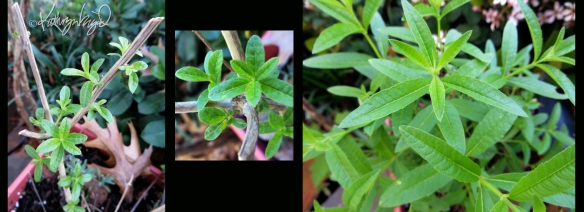
Some of the less common ones I love are well worth mentioning, too:

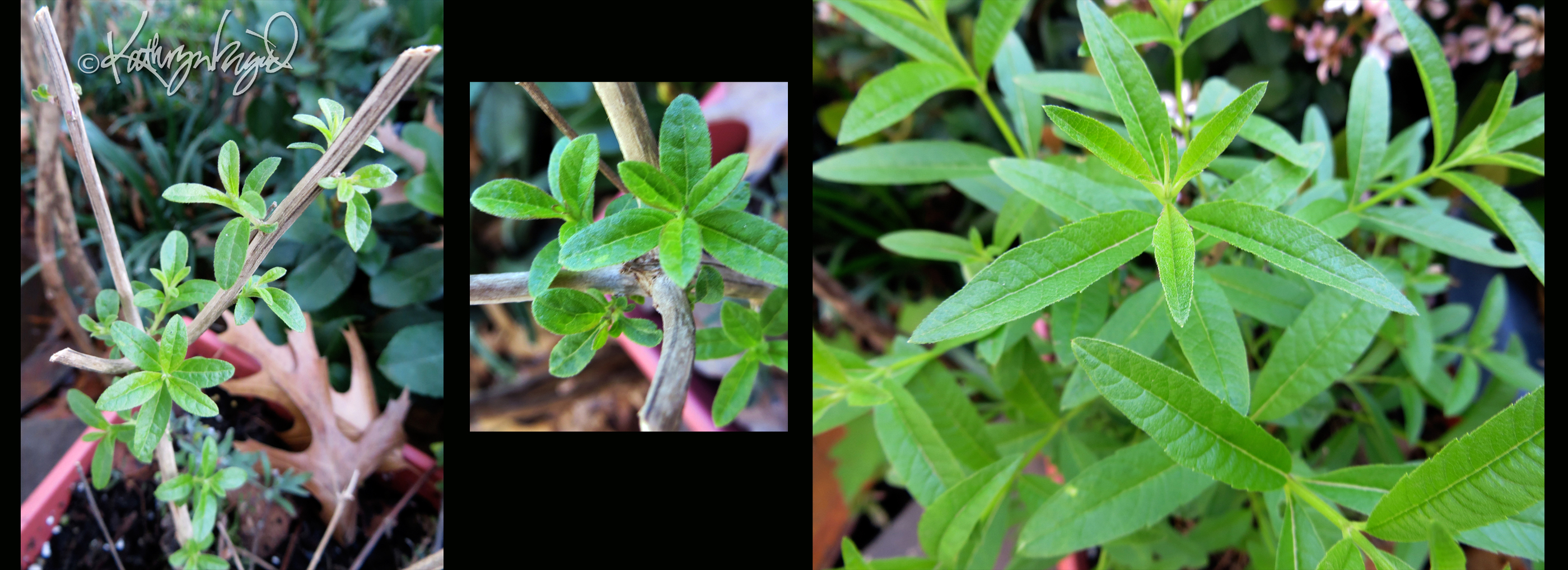
Lemon Verbena is better started from a live plant than seed and is fragile. I suspect it could work as a kitchen-window dweller for longer life, though I’ve not tried it indoors. I got lucky with it wintering over last year! As I said, great to add to tea (hot or iced), and would be dandy in anything where you want a less astringent lemony, kind of perfumy, flavor. There’s a lemon verbena ice cream recipe on epicurious.com that is sheer HEAVEN.
Borage is an annual, but I got lucky last year and it self-sowed from the previous season. It’s a kind of straggly and tall plant and has hairy, even lightly spiny, leaves and stems, but the hairs actually look kind of pretty in daylight, adding a lacy aura to the plant, and they don’t outright hurt when you touch them at all. Both leaves and flowers have a lightly cucumber-like flavor that’s nice in salads or cold drinks (chop the leaves finely or smash ’em to keep the fuzziness from being an off-putting texture in food), and the blooms are gorgeous, starry, true-blue dainties.

&    Sweet Bay, if you have the room for an actual tree, is a pretty one and exudes a faint resinous perfume on a windy day as well as providing bay leaves for all sorts of cookery. In a former home I had a 4 foot tall lollipop shaped semi-bonsai one I grew in a big galvanized tub and wish I could’ve taken it with me.
&    Saffron is both useful and a glorious choice for the garden, being the dried stigmas of a very pretty kind of crocus. These bulbs don’t naturalize readily like some crocus, but are of course worth the effort and expense if you can get them.
&    Sorrel‘s bright acidity makes it a welcome herb with which to spike a salad, my favorite use for it. The zippy sourness comes from oxalic acid, so it’s not something you want to eat by the bale, but it’s not so potent you can’t safely make soup or just eat it raw in small amounts. The flower stalk is slightly weedily aggressive, and the leaves are very popular with munching insects, but since it’s not a virulent spreader the flowering isn’t hard to nip, literally, in the bud, and those insects are often butterflies and moths, so I’m happy to share with them.

Some herbs are big on flavor but not worth trying to grow in the wrong climate or simply too short-lived for my lazy wishes:

&    Cilantro: I love it, but it bolts (goes to seed) so fast that unless I grew a huge patch of it for one-time harvest and freezing or kept planting it repeatedly through the season, it’d be sprouted and dead in no time, so I’m happy to pay farmers to grow it for me.
&    Kaffir lime leaves and lemongrass and ginger (okay, that’s a rhizome, not an herb) are exceedingly delish in all kinds of Asian foods but require more tropical conditions than I’ve lived in for their happiness!photo montage

Some annual herbs are worth the effort, even if they don’t tend to self-sow:

&    Basil is one that I have been known to plant in a couple of varieties a season for different purposes: the purple leafed types are pretty as well as decent tasting; Thai Basil gives a specific and welcome familiar spice to Thai and Vietnamese cookery; Sweet Basil is the most versatile flavor king among them. They all have nice blooms, though not showy; if you let them bloom, though, they tend to wind down as their work is done, so you want to keep beheading at least some if you plan to keep using it through the whole growing season. Then basil tends to keep proliferating. Cruelty pays! 😉
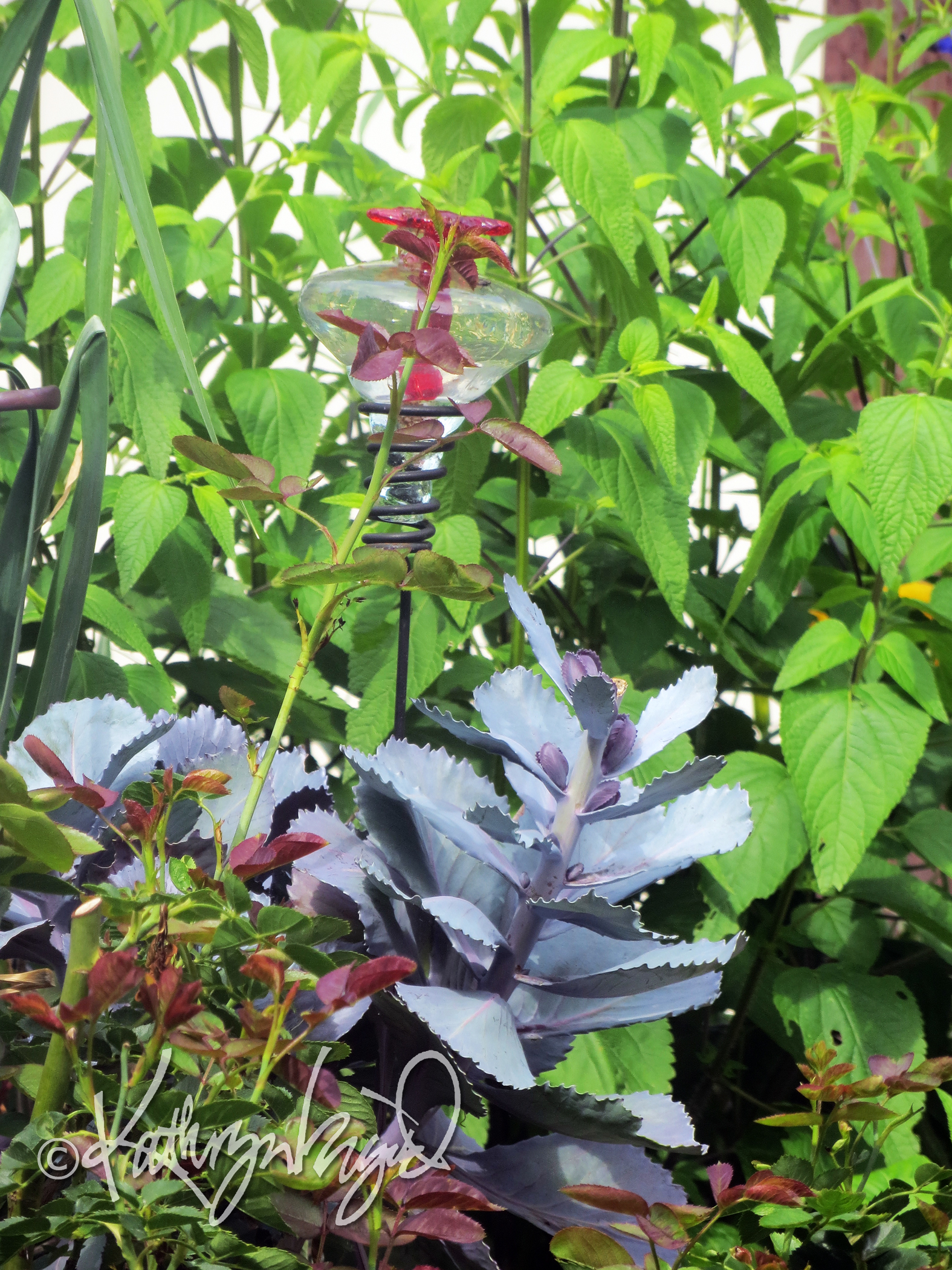
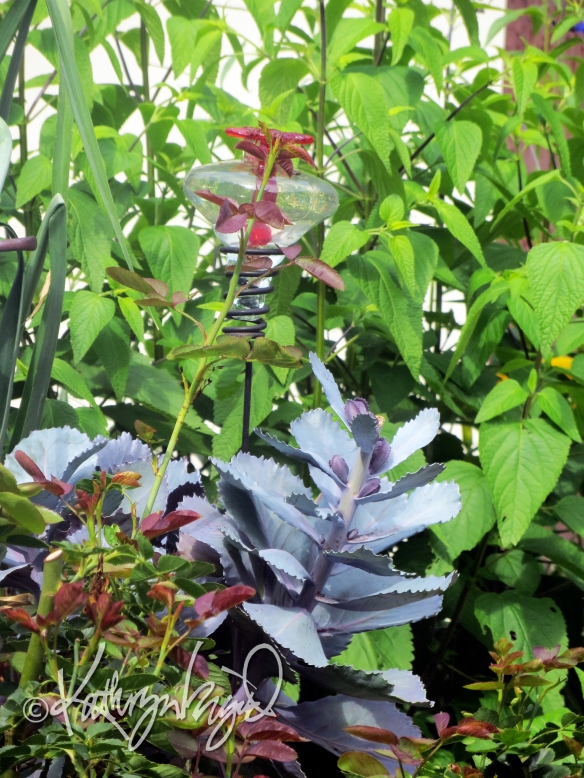
&    Lettuces are of course lovely, but cabbages too are often forgotten as ornamentals, but as you know, I like planting them for their leaf color and texture, can cut occasional leaves for food or garnish, and when I leave the rest to do so, they bloom in very hummingbird-friendly ways and are a fun novelty in the flowerbed as well. Another lettuce cousin I like a lot is chard (silverbeet), whose leaves are tasty spinach imitators (raw or cooked) and whose varieties include some with great colorful stems that make them look like rhubarb or Pop Art versions of it in yellow and orange. Mine wintered over this year in the front flowerbed, surprisingly. Radicchio is a great member of this whole group, too: edible and showy burgundy colored leaves, and if you let some or all of them go to flower, they’re tall blue daisy-like things. Quite delightful.
&    Shiso, or Perilla, is a less commonly used leafy herb in the US, but the popular Japanese treat comes in a number of often quite attractive leaf shapes, textures and colors. I grew a gorgeous one some years ago that had a slight scallop on the leaf edges, a gracefully veined texture, glorious purple and green-black hues, and a spectacular metallic sheen. I confess I didn’t use it much for food because I couldn’t bear to snip it.
&    Garlic and Onions, on the other hand, have distinctive and fun flora, and can survive longer term if you don’t choose to dig all of them up to eat.

Some herbs are potentially invasive pests but I still like them for their beauty and/or culinary gifts, so I’m willing to keep massacring them occasionally to keep them in check:

&    Oregano spreads fairly easily but is a pretty bloomer as well as a tasty leafy herb, and not awful to control.
&    Mint is a genuine monster that wants to take over the world, especially my favorite commonly named ‘apple mint’ (huh??? I’ve never figured out what’s apple-y about it) that’s so incredibly versatile, but I try to plant it in places where it can spread without turning into square-stemmed kudzu. There are a number of interesting and fun varieties of mint ‘flavors’ available, but I stick with my old reliable despite the allure of Chocolate Mint, Orange Mint, and even true Peppermint and Spearmint, since one aggressive invader variety is enough for me. Wintergreen is a beautiful plant but, besides not being a mint variety at all, is pretty hard to find. It’s a broad-leafed evergreen with small white flowers and big pinky-red berries, and the crushed leaf is wonderfully fragrant, but it’s not commonly found, isn’t a snap to prepare for edible uses like most of these others, and has a picky attitude in climate and growth requirements. Still, I did grow it once in Washington because of its peculiar attractions. Maybe I feel an affinity with it by virtue of my husband’s having chosen me for my peculiar attractions. Ha.
&    Dill is sometimes known as Dill Weed for good reason, as it can run rampant in friendly climates and it’s a large, blowsy plant despite its delicate thread-like leaves. But its starburst flora and subsequent seed heads are pretty among the leafy lace, and it’s so danged delicious in so many meals that even if your climate is conducive to such running amok it’s worth the trouble. Besides, in that case you can at least put in some of the dwarfish kinds of dill. Pretty unbeatable with fish, and indispensable in deli pickling!
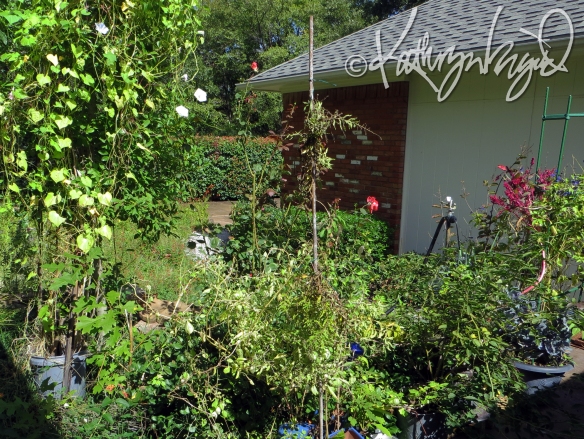
&    Fennel is similarly a member of the uncontrollable-toddler plant type, moving aimlessly but at speed all over the garden and being a big showoff of a thing, but even if you’re a little hesitant about the licorice-y hints it gives food, it too has a nicely delicate look for such a tall plant, and you can bring some nice color into the beds by planting bronze fennel. Just chop it ruthlessly when it wants to flower to keep it in check. I’ve never tried growing bulb fennel myself since as rarely as I use it, it’s easier to buy it and give the garden space to something else.photoClearly, I could wander on like this for ages. My experimental wildflower mini-meadow out back has behaved modestly well in its first half-season last year and appears to be letting a few sprouts emerge for a good beginning again now. I will go out in the next few days and give it a thorough haircut with the weed-cutter so that it has its own mulch through the remaining unreliable chills of late winter and early spring, and have been feeding it a kind of pre-compost over the winter by tossing the chopped and blended remains of the kitchen’s dregs in and letting them freeze and decay gradually as they would have in a regular garden, and will add to that with some other treats as the patch begins to revive. I am very curious to see what of the multitudinous kinds of seed I’ve planted out there now makes an appearance and what will take hold for the long term, as much of what I put in was intended to be naturalizing perennial feed for the birds and insects as well as soothing wildflower beauty. The bonus, if all goes well, will be lots of herbal fun for my dining companions and me. Only time and Mother Nature will tell.

photo

Brilliance Then and Now and Yet to Come

digital illustrationIris, in her long-legged elegance, has been for many years, a queenly inspiration among the flowers for me. Iris played a starring role in both the print materials and the floral arrangements gracing our wedding, being a great favorite of both my partner’s and mine. Not surprisingly, we cultivated irises in our own garden; my mother and a good friend living on my parents’ street also had many lovely varieties of iris growing at home. Our choice to use flowers only from those three gardens for the day of our nuptials meant we could still embrace our love of these tall violet beauties and their gracefully graphic long leaves as much as we liked.

Part of my desire for my physical leftovers to be cremated after my death is, admittedly, driven too by this love, since I know that iris plants often enjoy a little taste of ash to amend their beds. If it turns out that human ashes aren’t the kind they like, please refrain from filling me in on that and I’ll just let my survivors figure out where to surreptitiously and inoffensively dump mine and meanwhile go forth to my death happy in the thought that I’ll enhance some floral glory in my own little way.

I’d like to live a meaningful and purposeful life before dying anyway, to be sure. I’d be happy to know that my time on this plane is a good thing for more than just my own pleasure, but since I am not endowed with any mythic powers I know that my impact, for good or ill, will be modest. And that’s quite all right; it’s the path of nearly all mortals’ lives, and we who make up the chorus are necessary support for the brilliance of the marquee stars, the soloists, those few who make their mark with art or invention or discovery or any of those kinds of shining accomplishments. But I live in hope, too, that even if my shining moment doesn’t come in my years on earth, it might be achieved when I am back in the earth. So look kindly, when you see them, upon irises, for one day I hope to be smiling back at you from in their midst.

Green Means Go

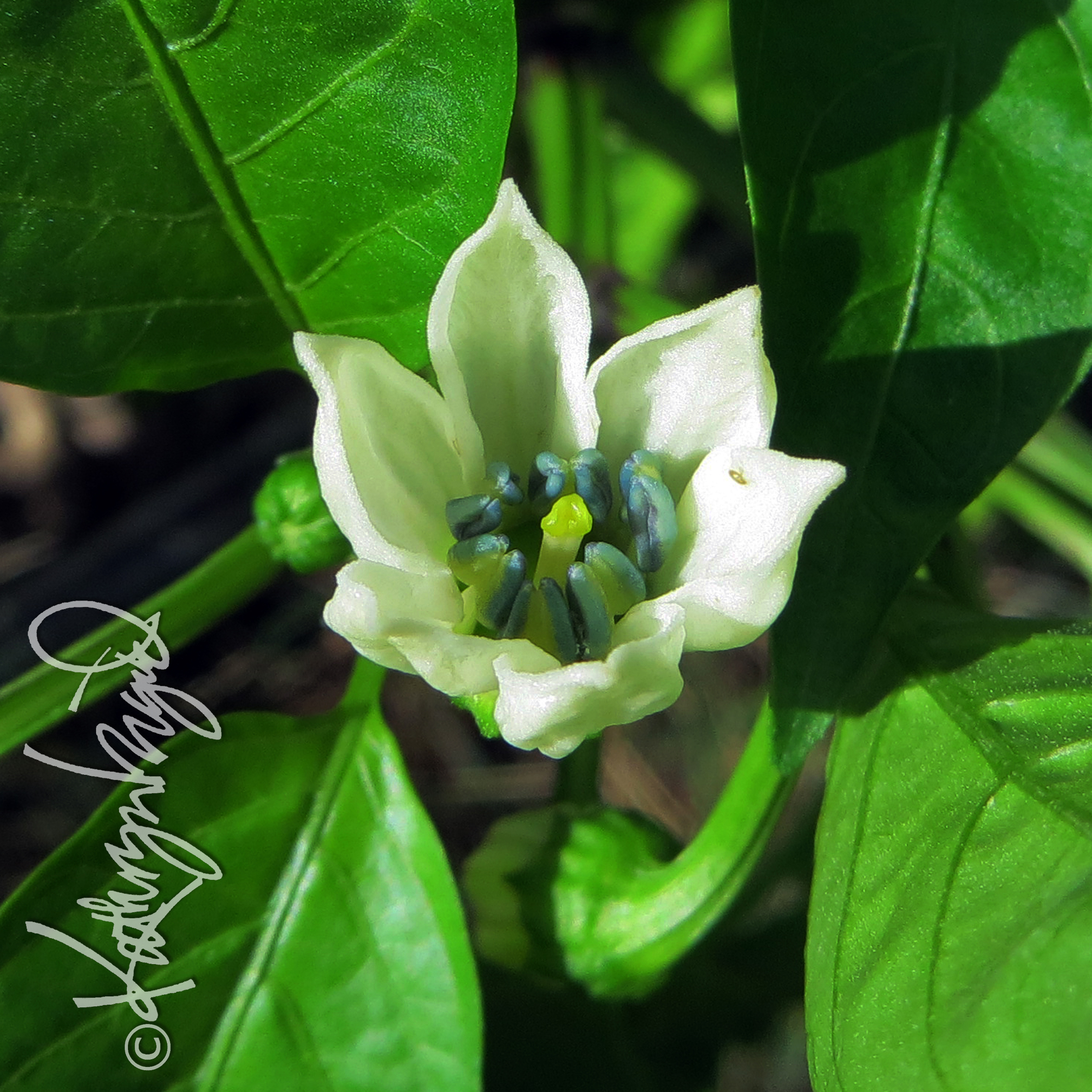
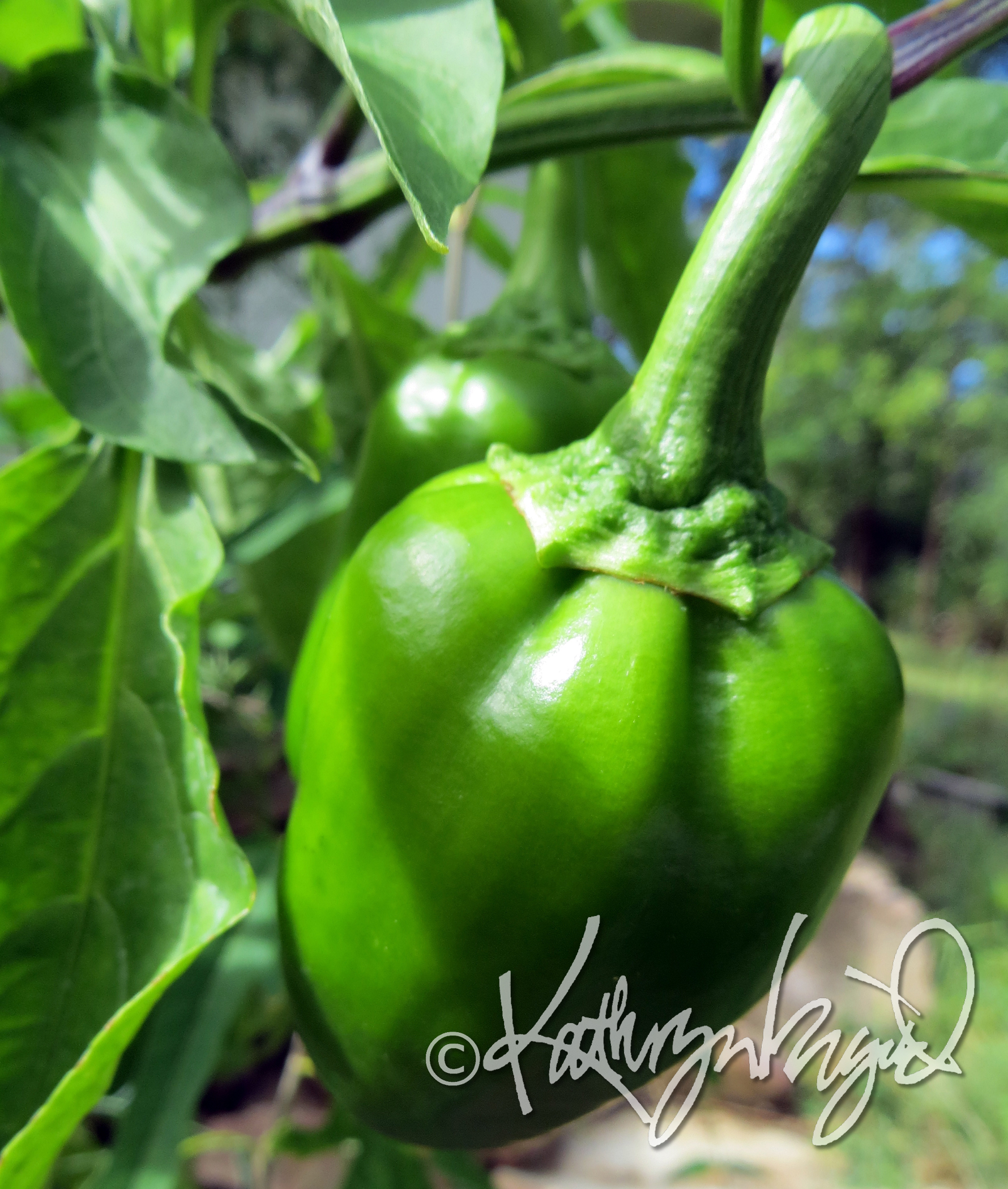
It’ll be a while yet. Spring and its sprouts aren’t making any particular headway even here in Texas just now, and I don’t expect to see any more than tiny hints of promising green until the current cycle of typically unpredictable and radically changeable temperatures settle into their usual late-February-into-March kindliness. But I can’t help thinking ahead.photoAfter all, there’s such a compelling sense of momentum that comes with those first tiny glimpses of something ever so delicate and yet determinedly pointy that forces its way out of hard ground and harder branches. The very fact that they can emerge from such unwilling sources tells me that once they’ve driven through those barriers, not only is there little that could stop them, they will pick up speed as they go, unfolding, uncurling, swelling, bursting into bloom, and finally, enlarging into the full fruits of the season. Such a suffusion of newness and energy and purpose!photoI look forward, in the same way, to some of my many projects coming to fruition, as I so rarely know what the final outcome will be, really. What seems like a perfectly lovely little green bell pepper can grow up into a dramatically bold but even sweeter scarlet capiscum, if nurtured and tended along its sojourn of development; in the same way, what may have begun as a quick little one-line idea sketch with pencil or pen while I sat in the back of a rehearsal hall or in the waiting room before an appointment could well grow up, over time, into a digitally enhanced illustration full of color and texture and layers that I hadn’t planned at the start. Whatever the result, it begins with the green bud or the green light of an idea, and I cannot resist the allure of that color, beckoning me with its promises and possibilities.

Tractor Pull

Unlike those romantic beings who imagine farming as a bucolic and sweet, easygoing fairytale of a life, I am thoroughly undone by the thought of a mere day spent living like a farmer. I don’t doubt that those who choose it can find beauty and joy in many times and places therein, but the sheer intensity of labor and the long, relentless hours required for such a way of life would be utterly and overwhelmingly consuming to a weakling like me.

Still, I have tremendous admiration and gratitude for the work that farmers of all kinds perform, and I am far from immune to the attractions of magnificent farm animals, crops and all of the tools and implements and structures that make farming possible. For starters, I would have a pretty meager diet and little to wear if it weren’t for farmers, so I’m very conscious of the gifts and comforts that are mine by virtue of their hard work and the gifts and sacrifices that they and their charges bring to my existence. You should all be thankful for the clothing contributions I receive if for nothing else, given that otherwise you’d be stuck seeing me flouncing around garbed in nothing more than what I could manufacture from leaves and bark, and that’s a frightening thought.

But it’s no surprise that in addition to my love of what farmers and farming do to give me a richer existence in such practical matters, as a visually obsessed person I am also admirer and fan of all of the beauties that are part of the seen aspects of farm life. I know I’ve mentioned this before in many ways, celebrating those subjects and objects that enliven my dreams and strike my fancy among rural locales and sights as well as vintage and battered, heavily used and aged, Stuff. If I’m not obsessed with the loveliness of rural life, I’m at least a serious admirer of its visible characteristics.

Not smallest among these delights are all of the wonderful and sometimes mysterious machines that populate the properties of farmland. I may lack any ounce of desire to operate any of them, not least of all because I know how hideously dangerous many farm machines are, but I do love to see them, whether in action or at rest. The latter, truthfully, is all the more appealing when it’s of a machine that is so long and hard used that it can’t be operated any further no matter how much elbow grease and baling wire is applied, and it now resides as a totem on the front forty, weeds or flowers embracing its long-flat tires and curling up around its blasted motor. When I think of it, perhaps that’s because I like the thought that I will be held in such an embrace, metaphorically, in my old age. In any case, as I wander through the farmlands along the way of my own life’s passage, I do find they have a great pull on my soul.photo

Country Comforts

It’s easy to indulge my love of the bucolic and pastoral when I live where I do in north Texas. This county is full, as it has been for generations, of farms and ranches of all sorts that intermingle freely with the towns, cities and suburbs of the area. Whenever we take a drive or go running errands, we’re just as likely to see fields full of sorghum or corn, red or black Angus cattle, or sleek tobiano horses as we are shops and schools and natural gas pumping derricks.photo montagePlenty of relics and remnants still stand that tell me it’s been this way for a very, very long time. The little bronze school bell and windmill that remain standing right next to the old Ponder schoolhouse’s clapboard walls seem perfectly ready to go back to work (with just a tiny bit of functional renovation first, of course)–or to transport me instantly backward into the nineteenth century. A small private herd of longhorns spends its days in a cozy paddock that sits directly next door to a modern brick housing development, and on the other side of it is a stretch of fields full of wildflowers and prickly pear, punctuated by the occasional gas well and electrical tower, the latter often populated by small flocks of turkey vultures.photoAll of this makes an atmosphere highly conducive to my happiness: the conveniences and riches of contemporary urban existence, conveniently interspersed with spirit-soothing farmland or ranch and historic pleasures. If I play it right, I can feel like I’m on vacation no matter which world I happen to be in at the moment.

The Garden Rejoices

photo montageRespite is the thing we all crave at times. Too much of a good thing is still, when all’s said and done, too much. Having spent the majority of my life in climes of plentiful cloud and rain, I was quite pleased to experience the practically perpetual sunshine of north Texas, but learned that with it can come garden-blighting and spirit-dampening heat and even drought, so when it rains, as much as it might make a few things more inconvenient or messy, it can also make my heart glad.

And the way that the leaves plump up, flowers loosen and uncurl their fists and stalks and stems stretch instantly taller toward the sky, it’s also easy to see that the garden rejoices. It’s as though all of nature around me is sighing and relaxing every tensed-up, coiled tight thing with grateful relief.

A moment of quiet in the heart of a rushed day or a busy week is rain for my spirits as well. Whatever the cause of the busyness, however pleasurable the things that do clamor for my attentions, I find that a brief pause to lower the speed of thought, to quiet the relentless insistence of life’s siren calls and cool the heat of its demands–this one small thing–has wonderful power to relieve and renew me, too.

This is how I remember the kindness of the rain in the midst of unyielding heat, the shelter of low clouds that break the relentless glaring sun. And I look for my tiny bits of solace in a meditative mode, feeding my roots and encouraging me to let go, expand, release the tensions I am in and carry on, better able again to bloom and grow.

As It Fades from View

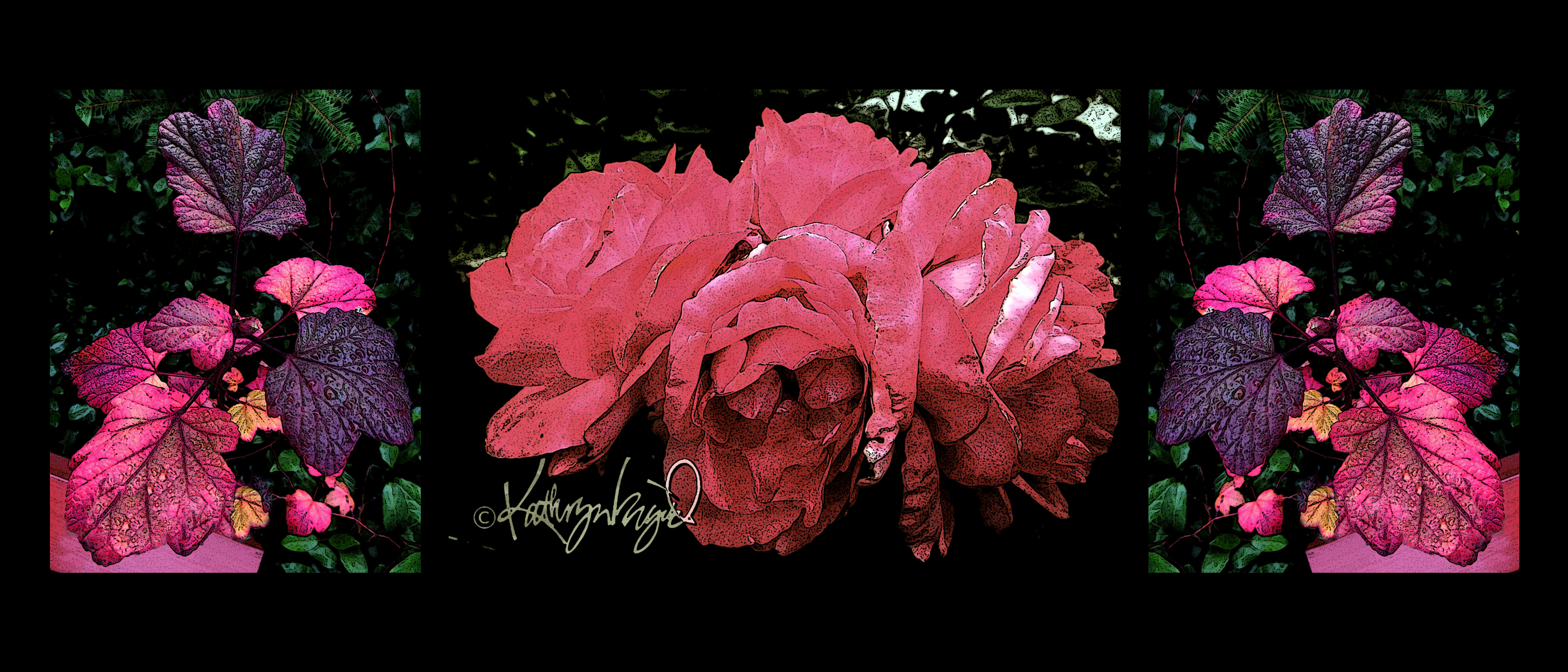
We are not alone in our finitude. All of nature conspires to whisper this solemn truth in our ears if we will only listen. Everything we know will one day die and dissipate like a summer morning’s mist. Why should we grieve our own mortality?digital artwork from a photoIf we love life, it’s only natural that we would regret to leave it, and yet…digital artwork from photos…how much loveliness is in the fluttering-down exhalation of decay! Without that poignant and exquisite sigh, what would feed the roses of next year? I’m in no rush to die; I hope there’s plenty of time ahead for me to have a lively, fruitful life. But I think, too, that my last task is to renew, to bring my modest tenure here to a far more fruitful end, and to leave space and time and love and life to all the generations of our heirs. I’ve no children of my own, but my niece and my nephews, my students’ children, my friends’–and all of the people yet to come–shall, if I have my way, have their summers of long life, and have their roses, too.

Rising above It All

digital collagePhoenix in Plainclothes

I’m not afraid, though storm clouds menace me,

obscuring all the known, the safe and sweet,

though lightning slashes through the dark and sleet

to make its fury all that I can see–

For under it, still in the garden’s bed,

lie roses, graceful guardians of peace,

to shelter me until the storm should cease,

and blue convolvulus, whose trumpets said–

The rain announces plenty, growth and life,

and nothing terrible amid its fires

can conquer me, so strong are my desires

and will, that they defeat such earthly strife–

And I will spread my wings and rise, remade,

for though storms menace me, I’m not afraid.digital collage

The Hooey Decimal System

photoWhen I sort and edit photos, it helps if I can create categories and subcategories that will help me to find and use them after the fact. If an event or occasion is short and simple in the relative sense of such things, the name of the event or occasion itself may suffice as filing ID, but what of things like our summer road trip that encompass 5 weeks, 6000 miles, a dozen states, 2 countries, 3 music conferences, a dozen members of the immediate family, a half-dozen motels and hotels, and ever so much more?

What I tend to do is create an all-encompassing title that all photos will bear, identifying them as part of the larger expedition, and then putting them into files and sub-files that clarify the who-what-when-where-why-&-how of them. This helps me have at least a slight hope of locating any single shot or group of shots from among the multitude that remains even after I’ve culled a multitude more. It also reminds me of what things became, either because of my continuing interest in them or by natural default of recurrence on the way, thematic in the event.

Not surprising, then, that this extended road trip would have obvious and substantial files of many very familiar subjects. To be sure, there are a quantity of such old favorites of mine that any moderately frequent or attentive visitor to this blog could easily guess. Given my blog header, I can start with my fondness for rusty, rustic old things (like me, naturally), mechanical bits and industrial loveliness. There are hints in that image, as well, of my magpie adoration of all things shiny-metal, glass, water, jewels, plastic and any other thing that glints to catch my avid eye.photoMy many obsessions also appear in nature: flora, fauna, sea, sky and stone. If there’s a noticeable cloud formation or special kind of light I am lured to admiration of it. Insects draw me like, well, the proverbial flame-drawn moth. I’m an ignorant admirer of all sorts of vehicles that strike me as different or novel when it comes to my everyday experience, so there are always photos in my stash of cars and trucks, boats and trains, heavy equipment and the slightest, lightest personal transport other than feet. Feet, for that matter, can make perfectly entertaining objects of my camera’s affections, since people in general are also on my list, and character-full feet or quirkily clad ones or ones that by position tell a story ought to make marvelous image sources any time.photoIn the case of human subjects, I do have something of a restrictive love, however. When I know the subjects of my documentation, I’d usually rather be interacting with them, so often, the camera sits idle and forgotten unless I have some sort of mandate to shoot. If I don’t know the people, I am bound by respect for their privacy almost as much as by my shyness not to photograph them at all. So aside from crowd shots and unidentifiably altered distant views, I’m not likely to include too many people in my panoply of for-art photographs.photoWhere people congregate or what people have left behind, that’s all fodder for my imagination, though. I love buildings–the older or odder, the better–and their endless details, and whether they are homes or hospitals, offices or auditoriums, farm sheds or factories, they all have stories to tell. Ultimately, I suppose, that’s the overarching guide to my photographic peregrinations just as much as to my poetry and essays and drawing and every other expressive form of art I attempt: I am trying to discern, guess, or invent the stories behind those things I’ve seen.

There are, you know, endless stories just waiting to be told.photo