
A Highly Troubling Scenario
Image
4
There are ways in which solitude and solitary pleasures are among the loveliest, the most inexplicably un-shareable delights we can have. Even those things that are enhanced by happy sharing with one companion, or many, can only be experienced internally in our own unique ways, through our own highly individualized filters and lenses of taste, belief, experience, knowledge, and longing.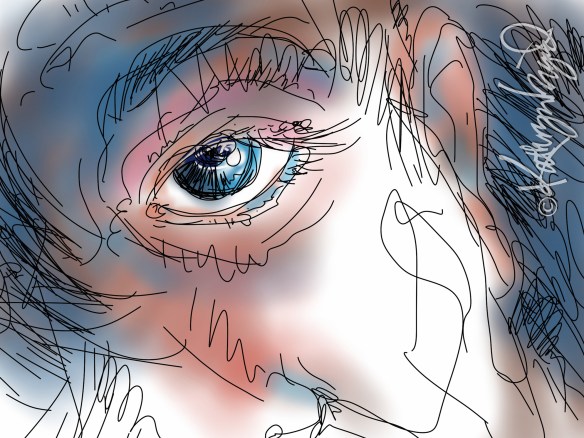
The beauty of this is that the best things I experience or encounter can be met at several different levels. Even when I am among a host of fellow travelers on the occasion, I can have that communal adventure and be guided and shaped in my sense of its goodness and meaning by any or all of those around me, while the reflections in my heart may say to me, “and yet…” or find me collecting all of the data of the moment in some private interior compartment for later examination.
In those after-times, I am at leisure to contemplate the whole and all of its components and think whatever I will, feel whatever I will, now that I’m left to my own devices. From this slightly removed angle, my own particular skew, I may find that the true enjoyment of this part of my life comes as much from within, from my imperfect yet fully tailored perspective being so well suited to make me like what I have seen, heard, tasted, and sensed in it. That is a subtly different but wholly wonderful part of living life: being able, in solitude (whether actually alone or not) to see what is marvelous and admirable, exciting and fine, to me on my very own terms.
 Illuminations
A leather-covered volume with its pages edged in gilt
Slipped from the deck into the sea but, cradled in the silt
Where oxygen could not intrude, nor prying eyes descry
Its ancient glimmer in the mud, a century did lie;
One century—another—no, nine centuries of dark
It passed in sleeping silence after falling from that bark.
And then one day, a ray of light passed through the waves above
Just at the perfect moment for a mermaid, as she dove,
To catch a glimpse of gilded pages in that sea-deep sun
And swim down to investigate this treasure—only one
Quick sparkle of that golden edge brought her so close to look,
To brush aside the lazy silt and so, reveal the book.
Nine hundred years in darkness had it lain in quiet wait
For just this passing moment to wake up, illuminate,
And catch the passing fancy of an unsuspecting maid
Who’d bring it to her grotto in the deepest ocean’s shade.
In dappled dark, her opal eyes lit up the page, and next,
She read it, eager, mesmerized, the calligraphic text
Transforming, leaping from the book, becoming swiftly wild
And glorious, and telling tales that moved the mermaid child
To bend with sorrow, weep with joy; to palpitate with fear;
To live the story as her own; and, as the end drew near,
To grieve that such a magic fable had to end at all,
For it had seemed so rich and real, had held her in such thrall
That she’d begun to think it true, this tale of mythic men
And women wondrous wise and brave—she turned to read again—
Thrice through, in fact, she read the tome, and every time the more
Believed its great, compelling tale of life beyond her shore.
Full hearted, then, she closed the book, but never ceased to wish
That other mermaids, other seas, and other sorts of fish
Than those she knew in her own place were, as the story’s, real,
And though once happy, now she longed to see and hear and feel
What was beyond her native coast. One day she must return
To where she’d found that magic book, and see what she could learn.
One day, indeed, an older lass, but nonetheless enthralled
By the old book (she’d read again six times, if she recalled),
She caught the rolling afternoon’s most fearsome wave and rode
Under its lashing, crashing crest to where the book was stowed
Within its silken, silty bed so long, so long ago,
And knelt down on the ocean’s floor, and watched the water’s flow,
And saw the ripples up above, a thousand fathoms high,
And wished a little inward wish that something from the sky
Up higher still would pierce the waves, would light for her one ray
Of visionary hope the way it had upon that day.
Out of the darkness streaked with kelp, the passing sea life came
To look at her, this pearly lass, but swam off just the same,
For curious though she appeared, they’d naught to give or tell
That would assuage her longing or relieve her of her spell.
For days she hovered in that place, to gaze with fading hope
And heave a soft and bubbling sigh, and comb the gentle slope
To see if some small, overlooked companion to her find
Would rise to hand and help explain; but none was left behind.
At last she turned, quite woebegone, to drift for home, undone,
Her childhood fantasies all dashed—but wait! A ray of sun,
One faded spear, had pierced the deep; it beckoned her to draw
Back to the place her book had lain, and in its light she saw,
But faintly, now, another book, this one yet older still,
And as she took it in her hand, she felt a silent thrill
Race up her spine. She sailed for home as swift as mantas fly,
Gripping her treasure to her heart, this book dropped from the sky.
There in the grotto, as before, she read with trembling care
The prologue to her favored tale, the key unlocking there
The meaning of that history and mystery so grand,
The explication of her longed for never-ever-land.
Page One of this tremendous tome opened the secret wide
And startled her to drop the book, for there she saw inside
The preface to her deepest loved tale of that mystic place
Began with an engraving of her own familiar face!
Around her portrait, mirror-like, the title read, in part,
“The Story of Our Lady-Queen, the Owner of My Heart.”
Her own heart skipped a beat or two ere she once more to read
Took up the opus in her hand, to see where it might lead—
There in the shell-lined grotto sweet, she pored over the lines
Telling her life from this day forth, as writ by kingly hand:
Who authored this spoke of his love, and how she ruled his land
Long years to come, and how, in sum, her people throve as well,
And in the book, she met her love, who had such tales to tell,
And read them through with eager joy, to see what else she’d learn,
‘Til by the end-page she loved too, and had begun to yearn
To know this King and how it came that time had backward spun
So that these books of things yet dreamed fell from the present sun.
The end-page held, as she had hoped, engraved once more, two eyes
Whose gaze made her young, beating heart in recognition rise!
She dashed outside into the swell, and ne’er looked back again,
To find that place the boat was moored, to greet the sailing men,
To follow them to distant seas where they in their bark would roam,
And find the heart that from its start had known she would come home.
 People often speak of the person ‘behind the power,’ the right-hand associate who always plays a large role in making the boss look good or the spouse who remains relatively unseen in the shadows while his or her partner is the well-known face of the duo, but I rarely hear anyone mention the full benefits of this kind of relationship. There are, of course, plenty who abuse such an arrangement as purely a platform for self-aggrandizement and advancement and treat their faithful supporters as unseen and unacknowledged slaves. An image comes to mind of the great old Jean Cocteau film ‘La Belle et la Bête,’ wherein the prince’s entire household was condemned by the curse he’d earned and continued to serve him, but even more abjectly, as virtually invisible helping hands. Even in the case of spouses and assistants and supporters who are treated with fairness and generosity and given regular recognition, however, there remains the probability that in normal circumstances, one is more visible and probably more publicly compensated than the other.
There can be, though, a handful of fine, if unexpected, benefits to this arrangement for the person behind the scenes. I think I can speak with a certain amount of authority, having been in this position both by default and willingly in various ways all of my life. I have always traveled in the slipstream of the leader, the marquee character in the act; I fly somewhere behind the lead bird in the V formation, hunt behind the chief lioness, swim behind the flashing silver of the strongest swimmer in the school of fish. I live in the slipstream of those wiser, braver, and more skilled than I am. And I like that very much. It allows me to see at close range where I am headed, led by the example of someone better prepared, while maintaining a sense of safety in my innate introversion and fearfulness from having to set the example or blaze the trail myself It offers me opportunities to find ways to help showcase those I admire in what they are and do best. It puts me on the periphery of events I would never, on my own, have had access to and often gives me the awestruck feeling that my privilege extends, through those I love, respect and admire, beyond any level I could hope to achieve or acquire alone.
I started early: as the next sibling born to a first child who was, and is, extremely bright and wide-ranging in her interests and accomplishments and unabashedly her own opinionated, funny, clever and challenging self—and admired by a great many others for it—I could easily have been, or felt, eclipsed by her. Instead, I tended to feel shielded and guided from the start; others (along with me) generally found her a more interesting focus for their attentions, so she bore the brunt of any critical scrutiny before I would ever feel any, and if there was any entertaining to be done, she managed quite effectively to keep the occasion afloat intellectually and/or with her trademark smart-alec witticisms. That she did all of this shielding of me and leading the way without my hearing much complaint or entitlement either one from her remains a marvel.
On top of that fortuitous training of mine in playing a willing and contented behind-the-lead role, I had parents who were the leaders in their community, too, and in a particularly exemplary version of this star + supporting player arrangement. Dad, the natural extrovert, led active congregations in his primary work role as a pastor and later, bishop, but always had parallel roles as chairman of this, board president of that, and consultant or advisor to the other; Mom, as his one-woman entourage, managed the household so that he was both free to do all of this stuff and looked after enough to be healthy, fed, rested and prepared as well as possible to do so to the best of his abilities. She was also his sounding board at home for anything of import that was underway in his life away from home, helping him to find his way to tough choices and decisions and think through all of the permutations of those situations that anyone tends to carry outside of official work hours. She stood as his consort for official functions, his representative when serving on committees and boards and doing community work as well.
Besides that my father’s work and status allowed me, again, to be quietly in the shadows while attending and participating in all sorts of events and occasions I’d never otherwise have had opportunity or reason to do, my mother was equally quietly setting an example for how to take advantage of all of that in a way that was mutually beneficial. During and through all of those years, I saw Mom come into her own as an equally respected leader among their community, a person looked to for influence and inspiration and committed, intelligent work, but all in her modest and unfussy way. When I finished graduate school and started working at my undergraduate alma mater as a teacher, it was near enough my parents’ house that I simply moved back in with them and paid the cheap rent that put me close to work affordably and, it turned out, in a position to train as the next-level behind the scenes person. Living there, I could keep the household running when they were on the road for work, be assistant-to-the-assistant when they were home by helping to set up for a few of the social obligations or special events tied to their work, and even get assistance from them when I was beginning to have such obligations of my own. By the time that I first went out with the man whom I got to marry, I was remarkably well-versed in the ins and outs of this sort of partnership.
I did, of course, have to learn new variations and nuances to the operation when he and I got together. My spouse is a music conductor. He teaches classes, like I did, but beyond this similarity of standing in front of classes and the variety of preparatory work that gets teachers ready for the classroom time, he had, and has, a much more publicly visible leadership role when he is in conductor mode. I am very glad to stay out of the limelight at those times!
The administrative and preparatory work, the selection of literature, score study, negotiations with guest performers, board interactions, service in the community, publicity commitments, writing program notes, collaborations with commissioned composers—these and so many other aspects of backstage life remain hidden from the public yet can’t be accomplished without time and concentration that are harder to afford if I’m not there to keep him in clean clothes and check that he’s had a meal or two, to chauffeur him to and from places where there’s no parking close enough to get him to a rehearsal on time, and yes, to be a sounding board for him when tough choices or decisions loom. I’ve learned a few things about music along the way, but not so much that I fancy myself anything like a musician or music scholar. But it’s the other parts of his life that I consider the arena for my contributions and participation. It’s the stuff that gets him to the podium that I think I can do best.
When my husband is conducting singers and/or instrumentalists in a concert, my role is to happily sit in the audience and bask in the music along with everyone else. My vocation, my modest part in earning our living, is to slide along in his slipstream and do what I can to keep impediments from holding him back or dragging him down, and whether that happens because I stand near him and shake hands with his bosses and supporters after a concert or because I took the car in for service while he was in administrative meetings doesn’t matter. I’m happy to be a small fish in the big pond as best I can.
Despite the present day craze for all things piggy when it comes to meats, bacon inserted into every imaginable recipe—and some not even possible to get my brain wrapped around at all—and the undeniable fabulousness of a grand Black Forest classic, a clove-studded Virginia ham, a spiral-cut, home glazed ham, or the umami-loaded and thus much-lauded and wildly expensive jamón ibérico, what I grew up with at home, as I recall, was that differently seasoned and prepared, smooth textured, Danish ham (as my family knew it then, whether that characterization was entirely accurate or not), and I loved it. It’s on the sweet side, generally, and usually subtler than the more intensely flavored aforementioned hams. Truthfully, I love them all, as long as they’re not those tinny, watery, pallid objects of pseudo-meat that have been processed to the point of looking and tasting like cartoon food.
I also, as you well know, am fond to an obsessive degree of salty-and-sweet combination treats, and hams are very compatible with sweet foods, whether in the form of a glorious, uncomplicated afternoon bite of perfect prosciutto wrapped around a melon slice or as a bone-in beauty bathed in fruit compote for the spring table.
Danish ham isn’t my only foodly fanaticism derived from Scandinavian roots. Here’s another thing I’ve learned from that region to love when it comes to food: the Swedish tradition of fika. Not so different in origins, perhaps, from the Italian treat Tiramisu, wherein a tradition of stopping for coffee and a sweet was the perfect pick-me-up in an afternoon or way to meet with a friend for a bit of refreshment, and eventually the practice became the name of the treat itself—the Italian Tiramisu translating roughly as, yes, “pick-me-up” and the Swedish fika deriving, ostensibly, from a syllabic reversal of “kaffe” (coffee). Not that it matters hugely to me, but I do always love an excuse to sit down at the table not only for a full meal but for the more relaxed atmosphere of a break for, say, a bite and a drink, some appetizers and a cocktail, or tea and dessert.
For a recent casual evening with friends, I got the urge for a ham-and-sweetness starter that would be extremely quick and easy to fix but bring out the simple flavors of the ingredients pretty smartly. I think I did well enough with it, because between the five of us we polished off all but a couple of small corner pieces from a whole cookie sheet’s worth, along with the actual roast beef dinner and dessert; but you can be the judge, if you like. It couldn’t be simpler to make, so there’s no excuse not to join in the testing.
Four ingredients: puff pastry dough, ham, fig jam, and Parmesan cheese. One pan. One swift browning in the oven. Slice. Eat.
I wanted to make this with fresh figs, but couldn’t find any at the moment that were in nice enough shape, so I used a small jar of store-bought fig jam that worked quite nicely. Had I used fresh figs, I would have chopped them roughly and mixed them with some honey, maple syrup, or ginger syrup as the delicious glue for the hors-d’oeuvre topping, but jam had that binder handily built right in, so if you’re unable to find fresh fruit, jam is clearly a convenient and equally tasty alternative. I did buy one package of frozen, pre-made puff pastry dough (lazy me) and about a half pound of thinly sliced ham (I chose the deli’s maple glazed version on this occasion). I had shredded Parmesan cheese in the refrigerator. The process was easy-peasy.
Ham & Cheese Bites with Fig Jam
Set the oven to heat at 400°F. Lay out all of the puff pastry dough needed to cover it (with a single layer) on a large cookie sheet pan with edges. This could get sticky if you don’t contain the food! You should have a little dough left over: I had about an eighth of the dough remaining and set it aside.
Mix equal amounts of chopped sliced ham—mine, when the thin slices were cut into about 1/2 inch (1 cm) squares, amounted to around a cupful of loose ham pieces—and shredded cheese with gently heated and liquefied jam (the jam I used took between a quarter and a half cup to blend the ham and cheese. Glued together like this, the ham, cheese, and jam mixture was probably about a scant two cups’ worth of topping and was easily distributed and spread evenly by spoonfuls over the whole pastry base. I cut the remaining pastry dough into 1/2 inch by 1-1/2 inch rectangles and I twisted each once to make a little bow and stuck those around on top of the jammy mixture. The whole sticky delight went into the oven for perhaps 14 minutes or so, and once it was golden, was ready to be cut into small rectangles that could be easily handled for eating.
Then, of course, we ate them. Whenever I make them again, I will try pre-baking the puff pastry and simply adding the jam blend for a final, melting warm-up just before serving. Crispier results, I should think. But even with a slightly chewier texture…we ate them all.
That magical time known as the Golden Hour seems to give everything, not just color, an extra fillip of beauty. Colors do, indeed, become warmer and more saturated when the sun is at such a low angle to the horizon as its place near dawn and dusk, but there is so much more to the mystical powers of those fleeting moments that it is a great treasure to be still in them and let the wonder fill me. At such times I feel more connected to nature and everything around me seems more in tune, better adjusted, and I feel that I am, too.
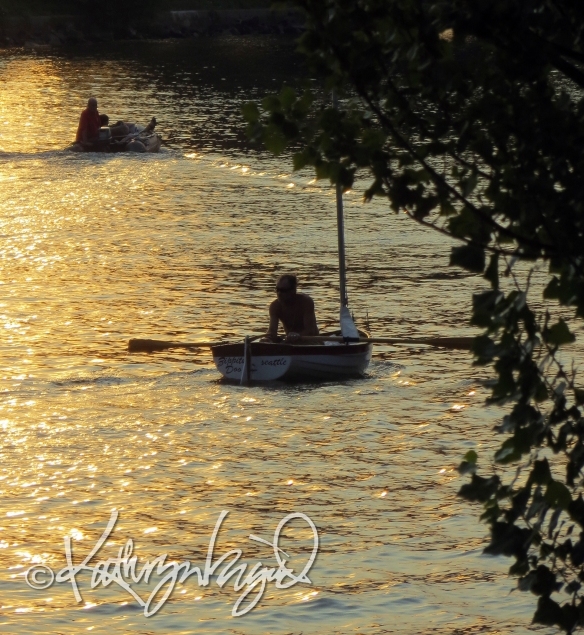
How can the mere angle of the sun turn a scrubby lawn into finely cut velvet? The touch of gilt on the scene makes every ounce of it seem that much more precious and valuable. The bejeweled day, in turn, makes the simplest action in it take on significance it never had before: the chattering of birds in the trees becomes a miniature angelic choir; the dipping of oars in the water turns from a quiet splashing to the whispering of poetry; the evening breeze that gently stirs shore grass becomes a delicate communiqué from the harmonic internal logic of the universe, and I am at one with it all. As the golden hour ripples through my environs and begins to permeate me, I almost feel as if I am gliding along their silky way right in sync with the rowboats nearby, waving fluidly as the grasses on the verge, tipping my wings with the evening birds to slide onto the branches of the trees. I am at peace with the world, and the world, with me. That is golden indeed.
 No Talking in Class
Am I a showy character? It may be that I am…
A bold display of color makes me happy as a clam—
The splash of waves or fireworks delights me deep within
Enough to make me run and leap and wear a silly grin—
An anthem sung; a symphony or jazz or drumline played
Or children’s playground chanting—yes, by all of these I’m swayed
To passion and delirium, to ecstasy and dance,
But mostly, from the audience, where I can hide, perchance…
I have to tell you honestly, I’d rather you’re the star
And I the meekly happy fan who worships from afar,
For though I love the big and grand, extravagant and wild,
I’ll gladly leave that up to you and stay a quiet child.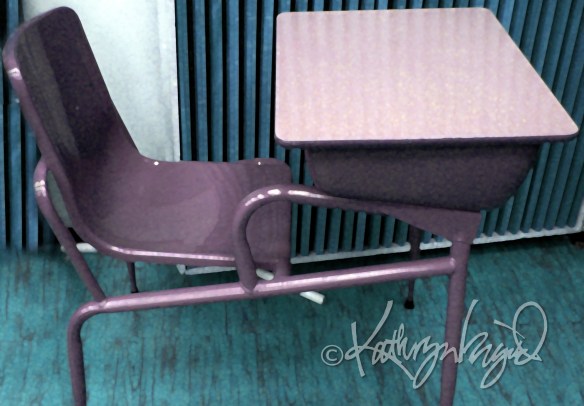
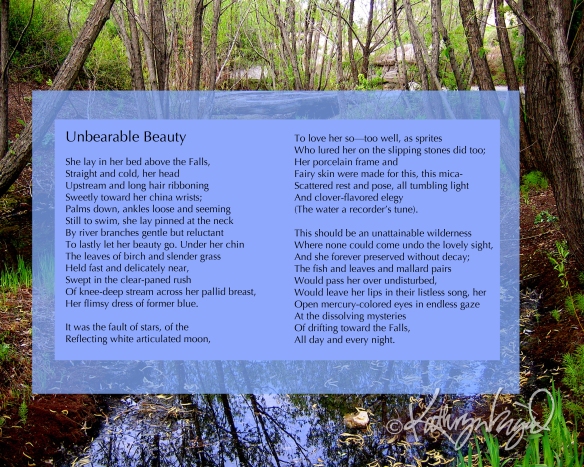
 My magpie nature challenges me. I don’t see any particular inherent problem with being attracted to shiny objects or distracted by what sparkles and catches my wandering, curious, childlike attention. Most of the time, anyway. But when it comes to how I respond to those attractions and distractions, I think I’m pretty weak-willed. I’m easily enchanted by the handsome and impressive, the glimmering and magical Stuff that catches my eye.
What is complicated is not that I like such things, nor even that I waste many a waking hour on admiring them. It’s when I covet them. When I spend resources more precious than my pining glances on them. When I fill up space in my home, my bank account, or my heart with them that would be far better spent on more substantial things. Love. Sharing. Living.
I hope that recognizing the flimsy character of such tinfoil treasures as most Things are is at least a healthy step toward not letting myself be led too far astray by them. But there is always danger in admiring any sort of tempting prettiness. My inventory of belongings is proof enough, especially when I go about tidying the house and come to the end of the day with boxes or bags full of books, clothes, kitchenwares, electronic devices, decorative objects, or any other kind of trinkets that are no longer so shiny and have fallen not only out of my favor but completely off my memory’s radar. Perhaps what I need to do is to train myself to look at such tempting collectibles as catch my eye with a magical pair of glasses that allows me to see how short their lifespan of use and pleasure will be, and how little the return on time, money, and energy I spend on them can possibly amount to in real terms. My lifetime’s garage sale value must be worlds smaller than what I invested to amass all of the frivolous wonders that ended up in it.
…What was I saying there? I just happened to look out the window as a dazzling butterfly tumbled past, and of course I had to follow it, and then that made me notice something red and glittery off in the distance…

 Art-Colored Glasses