Toward Home and Hearth

photoAt Close of Day

After the labor that fills the day and long before full darkness falls,

We long to gather and go away, to leave the dimness of labor’s halls

And go back home to the fireside, where supper and books and armchairs wait,

To spend the remains of eventide over soup and a novel beside the grate.

This is the way the day should end, and peace and renewal repair the spent,

Frayed souls whose work was less than friend, for whom the fire is heaven-sent–

This nest of comfort from which we roam always draws us back to hearth and home.photo montage

What Not to Say and When to Say It

I know, I know: I’m remarkably gifted. I have a peculiar talent for saying just the wrong thing at any given opportunity, to the degree that some might think I’d developed a fondness for the flavor of my own toes. I just say what I think, and it’s often not the most politic or informed approach to do so.photoThe upside of the equation is that I have no power or influence, so most of the time there is little danger or harm in my being quite so thoughtless and flippant. Most of the time there isn’t anyone who will take offense or any business that will be tanked by my foolish unedited blundering. Much of the time, it’s as obvious as the dumb things I say that no damage will come of it.antique book page (photo)Still, I know how much power one tiny little word or deed gone astray can have. So I keep trying, knowing that there may be those who think themselves even smaller, weaker and less significant than me and who can be vulnerable to the slightest scratch from an unvarnished remark. If I get lucky, being slow to reveal my dull wits and blunt feelings will become my real trademark and even if no one knows it to thank me I will be able to feel grateful myself for having sidestepped a pointless unkindness. It’s worth a try.photoGood thing everyone’s so generally forgiving, in the meantime.

Foodie Tuesday: Hospitality as Apotheosis

photoBeing good and doing well make us just a little bit more like angels. Making good food and treating guests well is just that much better. It’s a feeding not just of the stomach but also of the spirit. It puts one in a state of grace that can be earned, but at the same time is the richer for being given without thought of such recompense. A simple cup of hot coffee proffered with kindness becomes through this transubstantiation the elixir of joy.

Today I woke up thinking of such hospitality as I was remembering a time thirty years ago when I was the fortunate beneficiary of it. I was a recent college graduate, working for my uncle’s construction company while I paid off undergraduate loans and contemplated the prospect of taking out more for grad school, and I was sent out with a couple of fellow workers to spend a few days laboring on the repair and renovation of a hundred year old farmhouse out in the country. The weather was pleasantly warm and the house only moderately shaggy for its vintage, and the owners were friendly on our arrival.photoThe work, still, was dirty enough–removal of and repair from exterior dry rot and moss that was encroaching on the northerly upper story window frames and trim, and some interior rebuilding that the lead carpenter on the team would start framing in as a new arch between living and dining spaces as soon as the group effort of tear-out was finished on the second story outside. It was a pretty and classic old farmhouse, with a wraparound porch hugging it so that we were able to set up on the porch roof’s venerable cedar shakes to do our second-story work without having to run our ladders the full height from the ground. But therein lay the problem: by the end of the first day of demolition, the aforementioned carpenter was almost demolished too when the footing he’d installed on the roof for his ladder gave way, the ladder went flat with its top end spearing through an upstairs window and its base making a perfect slide for said gentleman to go shooting straight, if uncomfortably, off the roof.

The other guy and I were close by on either side of Chuck, but neither Jake nor I could, in the split second it took for this to happen, stop the ladder or him from going straight down into the gloom below. There was a terrible moment of near-silence while we scrambled over to the gutter to see whether we could get to him; the first thing we could see was the steel post of the truck bed spearing upward menacingly right about where he’d fallen, so we were breathless with horror as we peered over the edge into the dusk. To our immense relief, Chuck was lying in the spiny shrub next to the truck bed, where he’d slid instead, and though he had some impressive bruises afterward, he’d neither been impaled nor broken a single bone. Needless to say, there was a different wrap-up to the day than we’d planned, what with boarding up a broken window for the night and assuring the owners of the house, who’d come running at the crash, that all was going to be fine. No deaths, no lawsuits from either side, and an even better-repaired window, since we’d now rebuild the thing and re-glaze it rather than just scraping and painting.

Perhaps it was a bit of bonding brought about by the emergency that made them adopt us afterward, the homeowners, but whatever the cause, our next few days were among the most pleasant I ever spent on the job (along with those spent working in the house of the lady who afterward became another uncle’s life partner!), and the sweetness of it lingers in my memory. The second day was such a benevolent spring day that I opted to stay on the roof and eat my lunch while reading an Agatha Christie novel. That worked out remarkably well, for when the man of the house came out to see why I hadn’t come down with the others, he chatted me up about my enjoyment of British mysteries, disappeared, and reappeared later with a grocery bag crammed with said delicacies. It turned out that he was an English professor at the University and taught a course in this very topic, and that along with the house’s ‘issues’ for which we’d been hired there was one of steadily decreasing bookshelf space thanks to his and his wife’s reading habits.

The next day, there was to be no reading on the roof. All three of us workers were summoned into the house at lunchtime and seated at table. While the Professor expressed his kindliness in the gift of books, his wife expressed hers in culinary largesse. I had already thought her a very beautiful woman, with her elegant and mysteriously foreign-looking features, deep-set warm black eyes and smooth brown skin and all, her patrician carriage that belied a gentleness of manner, and her sleek black hair, but I think I fell in love with her more than a little when she put the food in front of us. It wasn’t terribly complex, perhaps, this meal, but it was heavenly. She served us robust bowls of satin-smooth potato-leek soup with slices of dark pumpernickel bread covered in rich Brie. When we thought we might be entirely filled up, we made room for more, because she came back to the table with a freshly baked, perfectly spiced apple pie.

It may be that these things have long since disappeared from the minds of all of the other players (though I find it hard to imagine Chuck has forgotten his scary adventure entirely), but the beauty of that meal so suffused me with happiness that I find it coming to me intermittently still, after all these years. I have no idea who the Lady and the Professor were and don’t even know precisely what became of Jake and Chuck, so I can’t check my facts let alone repay the kindness. I can only hope to pay it forward. I do have some of my home-brewed chicken broth in the fridge; might have to fix someone some soup soon.

Potato-Leek Soup (as remembered)

Boil a few medium-sized potatoes in enough well-seasoned chicken broth [vegetable broth, if you’re not a meat-eater] to cover them fully. While the potatoes are cooking, saute a bunch of sliced leeks in butter with a little bit of salt until melted. Deglaze the pan with a hearty splash of dry Sherry or brandy or whatever dry white wine happens to be handy.

(If you have to open the bottle for the occasion, why then you’ll probably have to have a sip whilst you cook. This is all the better if you have a friend or acquaintance standing by for the meal; you’ll enjoy the visiting all the more.)

When the potatoes are cooked and softened through, add the leeks to the pot, along with (optionally or–if you ask me–optimally) a splash of cream. Using a stick blender, puree the lot until as smooth as possible, adjusting the thickness with any of the three previously introduced liquids as desired, and tasting for seasoning. If you don’t have a stick blender, a regular blender will do as long as you take the necessary precautions against blending hot foods–or just use a potato masher and have a more rustic soup. This soup won’t lend itself perfectly to chilling like a Vichyssoise, because the butter and cream can curdle or separate, but warm or hot it should certainly be filling and definitely warm the spirits.

Cook. Share. Polish your halo. Enjoy.photo


Most Wonderful Time of the Year *

* You may think I’m warming up for my big Christmas caroling solo, but I’m not planning to torture anyone with that, just rejoicing in the anniversary of my #1 sibling’s birth. Happy Birthday, big sister!

photoYour kid sister is mighty happy to celebrate your birth for more reasons than I can begin to count. Nah, let’s go ahead and enumerate awhile.

For starters, there’s the plain friendship and sisterly guidance that have kept me centered, contented and with my head above water and showed me wonderfully how a life of excellence could be lived. There’s your being a fabulous traveling companion throughout not only life but also the world, from our expedition to Europe during our college days to places in the US as exotic as any overseas, and of course in our own hometown. There’s the delight of daily conversation, movie-watching, book-critiquing, dining out, opera-going, and many other kinds of adventures or occasionally misadventures, not all of the latter strictly of my own making, but some of them weirdly wonderful, hilarious and memorable all the same.

photoNow that I, along with flocks of cormorants this winter, have come to roost in Texas, it’s a long way from where you live and I don’t get to see you and give you squishy, ridiculously big hugs to celebrate the day, so I’ll greet you via phone, email, and blog. I’ll wish you a day of great happiness and many, many more to come. And I’ll thank you for all of the loveliness you’ve brought, and continue to bring, to my life.

This year especially, your birthday is not only a most wonderful time, but truly THE most wonderful time. Your birthday is clearly the first day of the rest of our lives for everybody, since apparently the world did not end. So glad the Mayans‘ message was just misread by all the doomsayers, because I look forward to a marvelous 2013 enjoying the marvelous wonderfulness that is my older sister–and many more such years ahead.

Characteristic Characters

graphite drawingThere have been a few occasions in the past when I thought I would go out into the wide world, metaphorically speaking, and seek my (however tiny) fortune on the strength of my artwork. I happen to think I’m a pretty good artist. Even other, seemingly sentient and sane, people have given me reason to think I’m a pretty good artist in somebody’s eyes besides my own. Not that I would be in the least biased.

So I’ve looked into various ways to ‘put it out there’ [Ed: don’t be ridiculous. NOT THAT!], from looking at DIY publishing, either online or on-demand, of prints of my artworks or of books–I’ve got a whole stack of book pages laid out with my art and writing on a whole slew of topics and themes, all stashed away digitally for Maybe Someday use–to sending hard copy prototypes of said books and artworks to various publishers, galleries, shops and the like to see if they’d be interested in aiding me with their resources. The answer, always, has been No. All who respond with anything other than simple form responses indicate that they, too, think my work is good stuff. But the other universal response is: I’m too hard to ‘package’. After whatever amount of hemming and hawing is required in the instance, the clarification is that my work (usually referring to the visual parts, but written forms have been included as well) varies too much. I’m not same-same-same enough to be marketable, apparently.

I consider this high praise. But it’s rotten for business, as you can imagine. Yes, I’ve sold both speculative and commissioned artworks, but only privately and by word of mouth and for very modest sums and, frankly, none in quite a long time. I’ve had a number of gallery showings, but virtually all ones that I organized myself, paid for from start to finish, framed and installed and lit and removed myself (though as my family and close friends will attest, not entirely without enslaving some of them for some of the schlepping and heavy lifting)–and nearly all of these also garnering me good reviews, when I could get any critics to attend, and lots of enthusiastic appreciation from attendees, but no sales. I’m actually beginning to think they might be onto something, those crazies who sell high-end mansion properties and deal with slow sales by jacking the prices higher and higher until equally crazy buyers consider the places posh enough to capture their highfalutin imaginings and plunk down megamillions of dollars or Euros or what-have-you. Meanwhile, I’m sitting here on my little paper and digital treasure trove of creative wonders and selling occasional copies of them for pennies at Zazzle.com.

The other aspect of the critiques I’ve sought that always seem to end with ‘gosh, you’re wonderful, buuuuuuut . . . ‘ is that the same people who tell me I’m too diversified (if not wholly a dilettante and a flighty fool) for my marketable good often tell me in the same conversations that I have a very recognizable style, so no matter how much my subjects and media and moods vary, they find my work fairly easy to identify. And they say this as though they, too, think that’s a good thing. Can’t say I can untangle how the good seems to be perpetually the enemy of the moneymaking; clearly a puzzle I haven’t solved. Yet.

Until then, I keep doing-what-I-do, plodding along and enjoying the process because if it isn’t making me (or my patient partner) any income, it should at the very least be fun to do it! And I do find that no matter how much my attention wanders or my themes hop around from light to dark, from complex to childlike, from crudely handmade to semi-seamlessly digital, I see more and more the marks of my own nature and personality and style peering out at me from each work. I may draw characters that are as far from my own ‘type’ and experience and even beliefs or prior interests as can be imagined (by me), but each of them ends up being somehow a child of my own making or a member of the larger family of my creative spirit, and that’s pretty good, too, I’d say.graphite drawing

Foodie Tuesday: Un-, Ex-, De-, Out-

We are leaving one season and entering another. Time to divest ourselves of pretense and the impulse to be over-elaborate when making a change. I see people all around me worrying that their Thanksgiving menu isn’t finalized, their Fall-themed altar of mantel decor not as impressive as the next neighbor’s, and their Halloween costumes not thrilling and polished enough to accompany their hundred handmade sweets for the twenty-seven tiny Monsters who will come knocking. Better, sometimes, to enjoy simpler approaches and simpler pleasures! Autumn can be:

Uncomplicated.

Extricated from fussiness.

Demystified.

Outrageously edible.

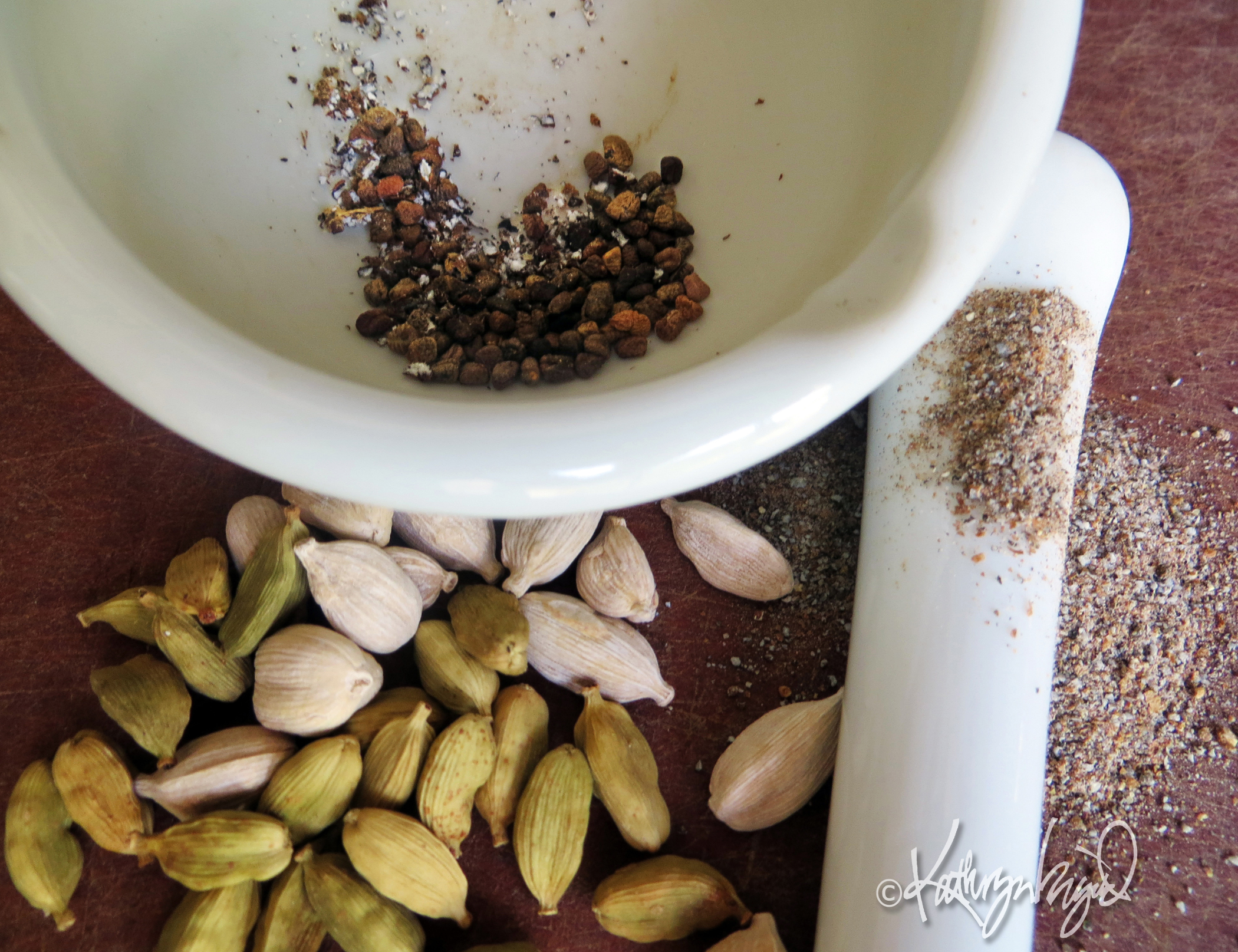
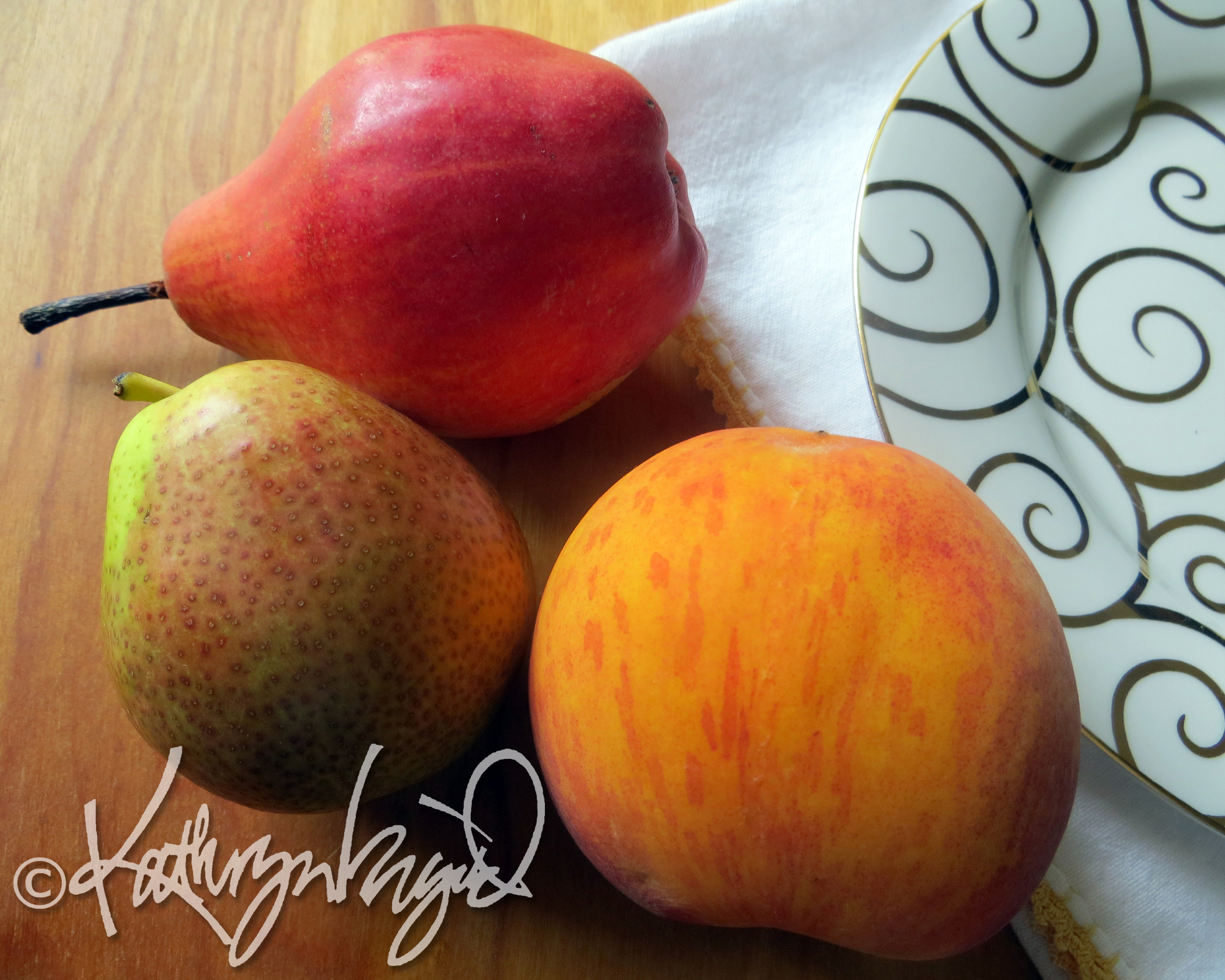
photoAt the change of each season I do have a tendency to shift in my flavor preferences. When it’s been summer-hot out and finally becomes cool, those warming, earthy, old-fashioned and evocative spices and scents of Fall–cinnamon and cardamom, roasted roots and mushrooms, sweetly freckled pears and chalky-skinned, slightly scabby McIntosh apples (not the electronic kind, mind you) begin their annual siren songs of woodsy, sit-by-the-hearth allure. And I can go a little crazy.

[I can see you out there rolling your eyes at my gift for stating the obvious.]photo

It’s easy to go a bit wild, to be the over-swung pendulum flying to opposite extremes, when one has been long immured in the cooling pools of summer’s lovely seasonal foods and beginning to long for something different. But of course delicious flavors needn’t be exaggerated to be glorious. Sometimes the over-the-top approach is indeed precisely what I desire, since I’m a more-is-more kind of person in general, but sometimes a little subtlety is also a welcome thing. A restrained hand in the kitchen can allow a smaller assortment of lovely notes to interplay beautifully, and the pleasure of savoring one gorgeous individual taste at a time, too, can provide moments of sublime happiness that stretch well beyond the culinary.

I know this stuff perfectly well in my head, but my heart frequently scarpers off with my stomach quick as the dish with the proverbial spoon, and once again I have to calm myself and remember that there’s plenty of time in the season for me to slow down and savor the flavors before the next change arrives. It happened again last week, and I had a narrow escape from the annual autumnal overkill. I pressed aside my rabid plans for the sort of dangerously delirious feast that would’ve kept me comatose right up until the next fit of wildness did hit me at Thanksgiving. Fanning myself thoughtfully with a big spatula, I got busy making a much less complicated, sautéed and simmered, soup treat and found it as satisfying as could be.photo

Hearty Cauliflower & Mushroom Soup

Simmer 1 bunch of fresh sage leaves in 1/2 lb of pastured butter (I use salted–I’m very fond of my salt, thankyouverymuch) until the butter’s golden brown and fully infused with the herb and the leaves have given up their moisture. Strain out the leaves onto paper and let them crisp up nicely, giving them an additional sprinkle of salt if desired for crunch. Sauté 2 cups cauliflower florets and 1-1/2 cups sliced brown mushrooms (both can be fresh or frozen) in plenty of the sage butter until they’re soft and caramelized. Add a little liquid–water, dry sherry, broth, buttermilk or cream as you blend it all with a stick blender. No need to get it thin or even quite smooth: this is a rustic Fall soup, after all. Garnish it as you wish: a swirl of buttermilk or Crème fraîche, some crumbled crispy bacon, some deeply caramelized onions, or just a generous toss of those crisped sage leaves.

There’s only a little bit left to complete this recipe: take your bowl of prepared soup, curl yourself in the arms of a big, well-worn overstuffed chair, bundle up in that wonderful old afghan lap-rug your granny crocheted for you in your youth, crack open a musty classic book, and lap up your thick soup with a big, deep spoon. Sigh, turn page, sip, repeat. Winter’s just a few chapters away.photo

Real-Life Mysteries

While I’m on the subject of mystery stories (see yesterday’s post), there’s a true one that I hadn’t ever heard of until recently that almost defies imagination, even generations later. But that’s what true mystery stories do, isn’t it.

The story of a female immigrant serial killer/mass murderer, born in Norway but made in America, was a hideous and irreconcilable tale of horror and crime in the 19th Century and remains one today. Belle Gunness, who is believed to have killed all of her own children, two husbands and a handful of suitors, not to mention an accomplice or two of her own along the way–possibly executing as many as forty people in her lengthy crime spree–is surprisingly little known nowadays. I fear that this may be because we have so many other hideous and oversized monstrosities and real-life mystery stories handy to horrify and mesmerize us that many likely get pushed out of memory by the current ugly news. Undoubtedly the advent of World War I‘s dreadful specter was a factor in overshadowing a single murderer’s story rather immediately on its discovery.

All the same, once I knew of it, I found the woman a compellingly repellant subject for another mystery story illustration, being a subject worthy of an Edgar Allan Poe style drama or, yes, a true-crime cinematic epic. Though it was one of those news stories that ‘rocked the nation’ when uncovered a hundred years ago, the tale of Belle Gunness is relatively obscure nowadays. There have been a few generally tepid and mostly heavily fictionalized stories, books and movies based on the horrors wrought by this one woman’s apparent sociopathy and the trail of blood left in its wake, but it’s remarkable to me that such a grim, terrible story is scarcely known on a wider scale anymore.

Frightening, dark, and perhaps an indictment of the worst of human nature in general, yes–but I think perhaps part of the reason I find mystery stories so gripping is because I think they remind us–again in that somewhat ‘safe’ and detached format of past-history or fiction–that brilliance and the abyss are constantly in conflict in the human heart and only by understanding this and being willing to examine it in ourselves can we have a chance of rising to beauty and shunning the grotesque urges that we might have–and, if we’re truly fortunate, catching up the would-be wrongdoer in humane and forgiving and healing arms before she can ever fall so far. That’s my hopeful fiction, and I’m sticking to it.

digital collage

La Belle Dame sans Merci of the prairies, Belle Gunness. What fearful horrors shaped this woman’s inner darkness?

Today, I present Belle Gunness, a truly fallen woman and black widow whose mystery may never be fully unraveled, for your contemplation. May we never see her like again.

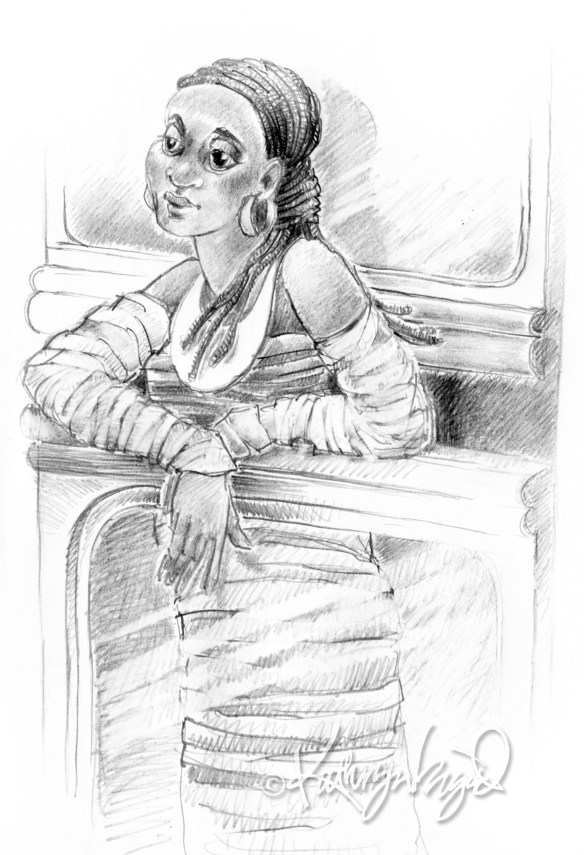
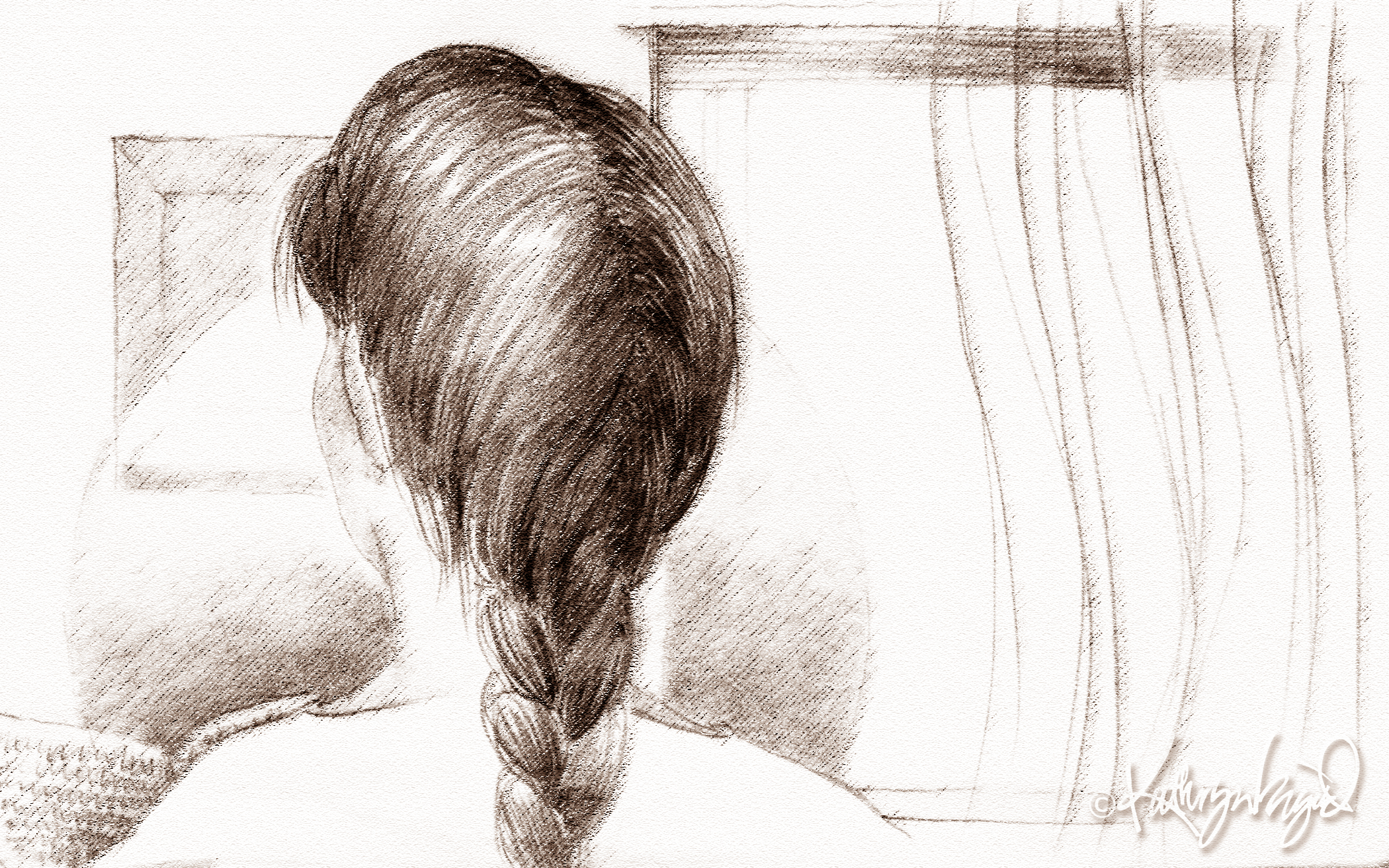
Her Moment of Respite

graphite/digital illustration

Reading

A heavy braid of brown-black hair

Coiling over her shoulder frames

The mourning dove-brown collarbones

That rise and fall in subtle flight

As she breathes, sitting back there in such quiet repose

As if to lend some grace to that so humble vase of white

Field lilies at her side, and when she turns

The antique pages of that favored book,

She spares a moment’s look to watch the lilies catch

The kitchen windows’ waning light

Just as the late-day sun tips in

Behind those distant trees to

Chase the night

What’s-in-My-Kitchen Week, Day 6: Good Reading

photoI used to have a large bookcase full, top to bottom, of just my favorite cookbooks (and a few choice cooking magazines). Then we moved into an apartment half the size of our previous house. Guess what. I discovered that even most of my favorites were dispensable in exchange for the good trade in housing. The ones I parted with had to go to good homes, of course, and were a fine cause for bonding with family and friends over food in a new and different way–conversationally rather than via consumption, for a change. Still, there are some things one values above open shelf space, and a few of the ‘basics’ and a few of my personal favorites really did call out for rescue from the give-away goods enough to move with me–to all of my various domestic locations since then.

Cookbooks are far from Legal Documentation to me: I rarely follow any recipe to the letter. But they are instructional all the same, and highly inspirational. Since I depend on them so much for acting as kitchen muses, two things tend to happen–I almost always prefer cookbooks stuffed with vivid pictures as well as the recipes and descriptive tutorials, and I love cookbooks as bedtime reading and coffee-table books even more than as technical guides for my cookery, when they can stir my imagination without my being distracted by my stirring the pot. Still, I have a good number of cookbooks that are more pedagogical than pictorial and rely on them for my factual education whenever I’m in need.

My kitchen operations aren’t generally terribly sloppy, so I don’t tend to have grease marks and mustard stains all over my cookbooks. However, I am such a mad-scientist in their use that recipes not only get tweaked endlessly as I work but instantly forgotten in their current iterations if I don’t write them down, so I do desecrate my cookbooks by writing in them. They’re the only books I can think of that I have ever written in directly, but when I used to jot notes and stuff them into the pages, pretty soon I had a cookbook with a broken spine from my fattening it too much–if the book was really any good.

I’m very fond, when traveling, of finding local cooking magazines as well, because like any good picture book, they’re well enough illustrated so that I can pretty quickly translate what’s being said–okay, the Hungarian and Czech magazines are not so quickly conquered, but I can still suss out what’s going on eventually. And I love getting a taste of either the local traditions or what’s trendy there as opposed to what’s current here. Talk about tasteful souvenirs of my wanderings.

So, what are my favorites? Betty Crocker, that maven of miracles in the kitchen, is an icon of my childhood and so still keeps her place in my heart and home. For truly basic kitchen science, I’m still attached to the Joy of Cooking (Rombauer & Becker), but I like Alton Brown‘s playful yet factual approach to the chemistry and physics of it all, too. I’ve got a superb Swedish compendium (Mat Lexikonet, above) that a friend edited, not just because she’s such a dear but because in spite of having very little illustration it’s a very thorough encyclopedia of the tools, terms, dishes and ingredients commonly used in the Swedish kitchen, including all of the foods adopted and adapted from other cultures that have become part of Sweden’s rich heritage as a result of their delicious wonders. From our times spent in Sweden I have a few other great cookbooks, a couple of them also edited by our friend Birgit, and chose them primarily because while editing she would sometimes prepare the dishes for photo shoots or, better yet, test them on us who were lucky enough to visit during one of those preparatory periods. America’s Test Kitchen is also a fine source of scholarly information, and the organization’s focus on developing recipes through multiple trials and experiments makes them truly a litmus test for quality control; even though I still play with substitutions constantly I know the science behind my choices better.

For specifics that I love, I go back to a very few books regularly. For breads, I couldn’t beat Bernard Clayton‘s old standard that always gave me the right technique and proportions (in baking, of course, this is a far more fussy matter than in many other practices in the kitchen) and I could play with my variations on a theme as long as I knew precisely where and when and how that should work. My other baking go-to has remained the beautiful Country Desserts. Lee Bailey’s attention in it to lushness and depth of flavor is matched so exquisitely by the glorious photography, and frankly, I love that he emphasizes in this a laid-back approach to the dishes’ presentation that is much more in keeping with my fix-it- and-chomp-it-down mode of operation than any of those dainties that may cause me such heart palpitations when others do the decorative work but keep me waiting too long in my panting desire when they’re in my own hands in preparation. Donna Hay‘s photographers always make her cookery look even more desirable than the descriptions can do (and they can do a lot, I find), so hers are cookbooks and magazines I love to peruse for artful ideas any time.

As I do have a deep affection for pigs, living or cooked, and my kind friend Ellen knows it, she presented me with the lyrical Pork & Sons, which though filled with delectable recipes indeed, is even more a gorgeous photo album of and paean to the French farmers, chefs, butchers and eaters who revere the pig in all of its glory. International love of food–that’s half the reason for reading about it as well as eating it. And as a great admirer of the cuisines of many different cultures, I have always enjoyed reading cookbooks as a form of cultural and social and political as well as culinary history and often enjoy a meander through the tasty pages of books of Indian, German, Thai, Jewish, Italian, Japanese, Polish, Spanish or whatever other places and peoples capture my imagination at the moment. Probably one of my other greatest favorites in that realm is to peruse the local Junior League or church or social club’s cookbooks from American small towns and obscure organizations, because they too have such colorful and thought-provoking takes on what makes them who they are. I will always adore the late, lamented Ernest Matthew Mickler‘s classic White Trash Cooking as both a terrific piece of artistry and one of the most truly compassionate and funny documents of rural American cookery and culture ever to come off a press. Heart-stopping foods, perhaps, but well worth the danger for the love and laughter with which they’re garnished.

Maybe my enjoyment of that book and its cousins is really just because I’m a little trashy myself and feel so at home among the people whose crusty, hardscrabble, can-do, make-do good cheer and affections would accept pretty much anybody at the table, so long as I eat what’s put in front of me gratefully and don’t spit on the floor. White Trash is one cookbook I could never bear to write in, come to think of it, so perhaps there is something with a whiff of the sacred about great cookery books. All I know is, they’re close to my heart and so I keep ’em close to my kitchen too.

You have a Lovely Forehead

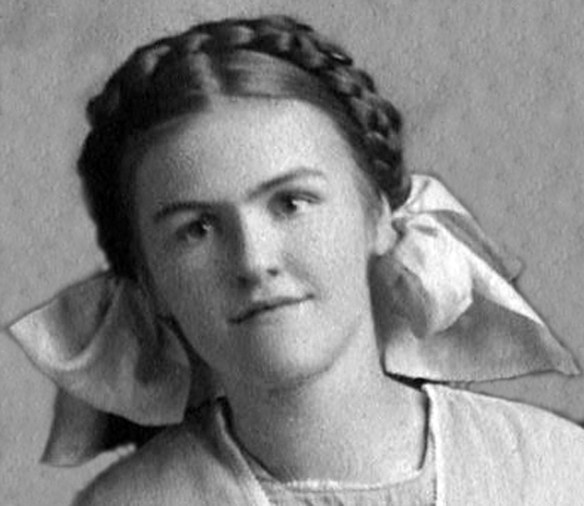
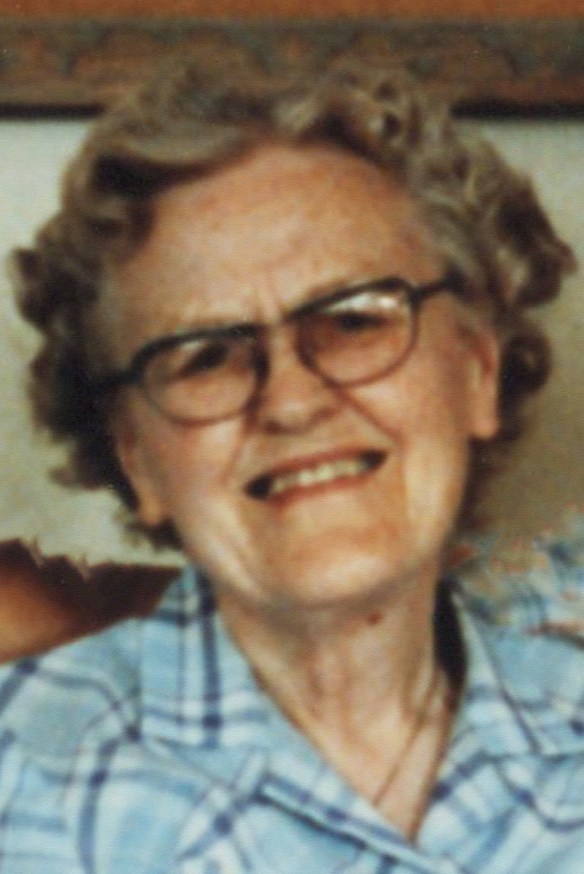
photoI was Auntie Ingeborg’s favorite great-niece. Of course, that’s potentially a less impressive achievement if you happen to know that each of my three sisters were her favorite great-niece, our father was her favorite nephew, his brother was her favorite nephew, and so on, ad infinitum. Potentially less impressive, I say, but not at all so in reality if you happened to know Auntie Ingeborg. Because she had a peculiar talent that is very rare indeed among humans: the capacity to make every individual she knew into her absolute favorite. It was completely sincere, unforced, and unquestionably real, and we never doubted it, any of us Favorites.

Auntie had a perpetual delighted smile and an endless twinkle in her eyes and rosy cheeks just made for children to pat affectionately, a lap that was always at the ready for clambering kids to pile on and around for stories, and a genuinely exotic store of entertainments few aunties of any sort can aspire to offer. But by popular standards of style and glamor, you’d never have given her a second glance. She found a perfectly prim schoolmarm look in simple crepe dresses and orthopedic shoes that suited her right down to the ground, and once she established that as her comfort look I don’t recollect her ever deviating from that significantly in the remaining decades of her life. She certainly wasn’t a magazine cover model, with her rather crooked teeth, and with her heart-shaped face accented just a touch too far by her under-bite. But that radiant smile, those softly blushed cheeks, and those merry blue eyes showed off the ethereal beauty of her heart to perfection, so I never once thought of her as ordinary at all. And she most certainly wasn’t ordinary.

Auntie had skills, talents, powers and exotic resources that no one could have guessed on first meeting her. First off, she lived in an apartment, quite the exotic concept to little kids raised in American suburbia. It was already a well-worn building of that vintage that had all sorts of wonderful creaks in its hardwood floors and hallways, a cage-style elevator that was just about the most mystical contraption I’d ever seen and carried us slower than a kid carries his books to school on Exam Day. And it had a Murphy bed. One of those fantastical metal monsters that stood on end, hidden in a closet, by day and pivoted out to unfold down at night.

But also during the daytime, as we learned, it stood guard in front of Auntie’s toy chest, an old and very slightly musty trunk filled with even older and rather odd and very delightful toys, including one of the earliest versions of a small robot I can recall, a little metal man that, when the key on his side was wound, began to walk stiff-legged across Auntie’s carpet in a cheerfully menacing zombie sort of way as the sharp little metal spikes that protruded through the soles of his metal feet would push out to raise up each one alternately from the rug. It was the sort of toy that would never be allowed by modern parents and other legal experts, because the foot-spikes were incredibly sharp and the metal was hard-edged and undoubtedly the paint on it was full of lead, and we loved to play with it almost endlessly.photoThere were other bits of magic and mystery stashed in the toy box, to be sure, not least of them that we quickly learned to dig into the box thoroughly on arrival, and as quickly as we could wrestle the bed far enough on its pivot to release the box to us, to find the box of Barnum’s Animal crackers that Auntie happened to have hidden along with the toys in there. Those who grew up eating them tend to agree that they are fairly insipid of flavor and texture, but the fact that they came in a charmingly decorated little box that looked like one of Barnum’s mythic circus train cars, full of exotic beasts, and it had a string handle on it for carrying around with us as we played with the toys and we got to dole out the little biscuits at our own leisure from the little wax paper lining inside the box–why, this was the stuff of dreams!

In truth, the toy box, though it was the object of our beeline in the door on arrival, was not the most crucial of entertainments at Auntie’s–that status was Auntie’s alone. For, as a lifelong grade school teacher, she knew how to amuse and occupy the caroming minds of wriggly kids about as well as anyone on earth ever did. She quizzed us about our wide-ranging and rarely accurate knowledge on any number of topics, showing more genuine interest and enthusiasm than any such conversation with miniature humans deserves, she played her old upright piano and sang silly songs and very old hymns, and best of the best, she would let us all pile up around her as she told fascinating folk tales, the finest of which were accompanied by her making pencil marks on her paper tablet to illustrate the path the story’s protagonists took from one episode to the next, the drawing of which ended quite miraculously in a picture of something–perhaps a giant vegetable with a person who lived in it looking out its window, or our favorite, a cat whose tail curled in a wild spiral that ended both the tail and the tale.photoShe was no specimen of the more refined social graces that might be expected by a more patrician crowd than her circle of family and friends. Physical or athletic grace was clearly not her great gift any more than it’s mine–when we moved the Christmas tree into the middle of the room to join hands and circle it singing old Norwegian Christmas songs, as was our sometime tradition, Auntie managed not once but in two different years to bump into and topple the decorated tree. I’m not even absolutely certain that the second time could be credited entirely to her, because it’s not as though there wasn’t the previous experience to tell my father, for example, that we could consider just doing that little ritual on one of the days when Auntie was celebrating at another relative’s house. But given that no one was harmed in the event and that we all had an excellent laugh not only on both ‘tipsy’ occasions (no, Auntie was not–only the tree was) but for all the years since as well, he can hardly be faulted if he did suspect a repeat in the offing. Auntie, as it was, laughed harder than any of us.

Auntie’s driving history, too, had certain mythic qualities to it, ending when she was at least in her eighties and still chauffeuring needy Old People (some of them undoubtedly much younger than herself) to the doctor’s office or the grocery store or church, or to where she taught English as a Second Language to immigrants for a very long time. The beginning of her automotive life was illustrated for us by the awe-inspiring story of the day that my father, then a high school student, came home after classes and found Auntie reclining on the family couch in a somewhat dazed state, from whence she plaintively asked if her nephew would mind going out to retrieve her car, which she had left at the neighbors’. He was puzzled as to why she hadn’t, evidently, brought it along with her all the way to his parents’ house, until on arriving at said neighbors’, he could see that her slightly skewed understanding of the operations of centrifugal-vs-centripetal force in driving had resulted in her cutting the corner of the street, jumping the neighbors’ front rockery, and landing the car in the midst of the garden border under their front window. It is unclear how, precisely, he was able to successfully remove the automobile from its highly artistic position in the neighbors’ front yard, but apparently this did occur, as did eventual restoration of the yard’s normal, more vegetal, aspect. Auntie’s driving was somewhat tamer after that, though occasional indications of her earlier style did leave us all wondering over the years how it was that she never seemed to get in any further accidents, or even get a police citation, out of all her miles on the road, an outcome for which we were all profoundly thankful.

It may be presumed that among other things, the lovely lady we knew alternatively as her self titling of Jog-along Julie did indeed keep on moving through life at a steady pace but because she had so many commitments to her teaching at school, community and church locales and to her watchful companionship of nearby friends, she didn’t need to drive very far when she did drive.

She was, after all, far too busy taking care of and cheering up a multitude of others, writing letters prolifically to family far and near, and reading–to herself and to others as well. Any birthday or holiday was almost guaranteed to be celebrated with the gift of books, and she can certainly claim much credit for how much her nieces and nephews of all ages learned to love a good story not only at her knee but in the pages of the books she doled out to us. Every story, even the books of silly rhymes and jokes she shared with us, may have had some subtext of educational purpose, given Auntie’s lifelong commitment to teaching, but we knew in addition that the central theme was simply how much she loved us.

She constantly made sure to say something supportive and complimentary to everyone, even on days when and to people with whom it was quite a stretch. When we sisters reluctantly sent her the dreaded school portrait photos that we always thought were hideous representations of who we were rather than what we hoped and wished we looked like to others, she would tell us how marvelously sweet and attractive we were, without fail. When one sister sent the photo that she hated most to reveal to the light of day (because she despised how far she had her hair pulled back on the occasion, thinking it made her face exceedingly exposed) Auntie wrote to her with great kindness that she had ‘a lovely forehead.’ Nothing could, for us, more simply and clearly have illustrated how gifted Auntie was in finding beauty in us even where we felt most flawed.

Though she seemed so fixed in time by her perpetual uniform of the schoolmarm look, by her continuity in writing letters, sending books, telling stories to the youngest members of any party, and driving, albeit more slowly, the Old Folk she knew to their appointed rounds, Auntie finally did actually grow old and die. But of course, even her funeral was occasion for us to hear her piping voice cheerfully chirping out how amazing and fantastic we all were. The relatives who gathered to plan her memorial service were suitably impressed to compare notes and discover yet more of her Favorites among their number. And the whole day of togetherness not only confirmed that her love was what we all had in common, but was filled with laughter at the same old stories of Auntie’s antics, and the warmth of her boundless thoughtfulness and selfless kindness toward all and sundry in the family and in the whole wide world.photo