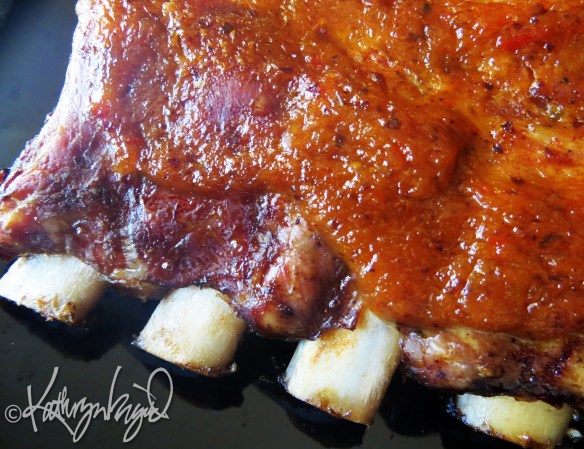
Sticking to my ribs, yes, but maybe with the barbecue sauce twisted into a (Southern) peach chutney style to suit the Basmati rice alongside . . .
It’s not what it used to be, moving to a different place. The world is so much smaller than it once was! We talk via computer and cell phone as though we were sitting right next to each other–and sometimes when we’re sitting next to each other. Language and culture and history are all getting a good mash-up in this shrinking world where we live.
One genuinely wonderful aspect of this not-entirely-perfect scenario of homogenization is that we have access to so much that was once unreachable to everyone but the most extremely far-flung intrepid explorers and have commonalities that our ancestors could never have dreamed remotely possible. Not least of all, we can indulge in the joys of cuisines and ingredients from places we can’t even pronounce, let alone afford to visit.
Most of these regional, national, racial, cultural treasures, by virtue of being intermingled with and sampled by so many others to such a degree that sometimes it seems something learned from the Chinese by the Dutch traders and then passed along to their colonial outposts in the south seas, who in turn brought it along when they immigrated to North America, well, these ideas and arts and recipes have been so transformed along the way that they, like the initial message in the old game of Telephone, are utterly new inventions by the time the Chinese ever experience them again. And yet, in a happy twist, we who create and share the first iteration often fall in love with it and repeat and refine it until it becomes part of who we are, so it’s not wholly lost in the translation, either.
For someone who grew up in one part of the vast American patchwork of a country and experienced East Coast specialties, Southern cooking, Midwest traditions, and Southwest cuisine as being no less foreign in their ways to my Northwestern experience and palate, it’s always been a pleasurable study to try out the fabled deliciousness of Other Places. So while I’ve long loved Chinese and Dutch and Polynesian and Italian and German and Thai and Indian and North African foods of various kinds, it’s no less exotic and thrilling and delicious to sample the comestible culture of different regions of my own homeland.

Fajitas today, quiche tomorrow . . .

. . . but you only have to switch from a Coronita to a Trappist ale to suit the occasion, right?
Still, it’s been an entertaining and tasty part of the adventure of moving from Washington state to Texas that I’m experiencing Tex-Mex and Southern and cowboy cuisines in places of their origins and that’s mighty rich learning and dining, too. So I’m more than happy to indulge in all of those special items here anytime I can. But you know me, y’all: rarely do I go into the kitchen without bringing my own machinations and deviations to the party, so I am more than likely to emerge bearing platters and bowls filled not only with classic Texan foods but also with Texan foods as filtered through Washingtonian hands, perhaps with a hint of Chinese cookery here, Dutch baking there, Polynesia and Italy and Germany and Thailand and India and North Africa and all of my other palatable favorites making inroads and appearances whenever I see fit.

A Texas-sized pork chop can also be cooked sous-vide, even if it’s getting classic Southern sides like bacon-sauteed sweet corn and coleslaw . . .

. . . and if you want to shake things up a little in a more cosmopolitan way, you can always make the slaw a variant of Waldorf Salad while you’re at it by adding chopped apples and celery and sliced almonds . . .



 Art-Colored Glasses