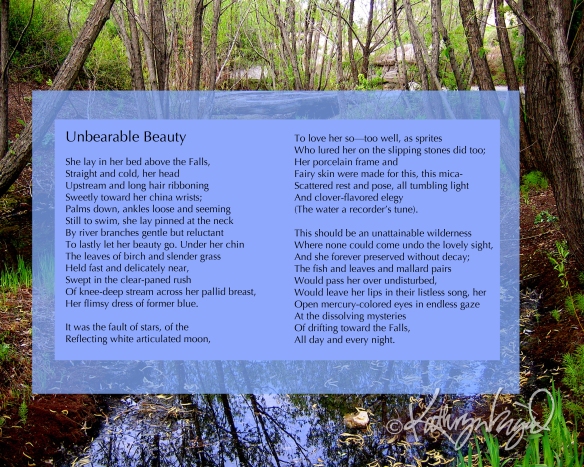
Ophelia’s Lullaby
Image
6
Little is as desirable in day-to-day life as peace and quiet. Rest, respite, calm–I crave them. There’s so much invitation and welcome in the sweet marvels of time off, time out and down time that I never feel I have too much of, well, not-too-much.
But busyness is ever so much more common in our everyday existence in this century, certainly in this household. It’s no still life, to be sure; any silence found in this way of living is more of the deafening sort. But yes, it’s still life.
So I have to manufacture or steal my moments of rest and relaxation. Isn’t that how most of us end up finding our tiny increments of space and time and sanity anyway? I have to learn how to tune out the white noise, hide from the constant demands and burrow into hidden corners when and wherever I can, to choose deliberately to decompress and unwind. If I don’t make room for my own peace of mind, who’s going to give it to me? The world may rattle on around me at a furious and eardrum-shattering rate and all I know may change in the ten minutes I’ve stolen to renew myself, but I will return to those realities soon enough, and hadn’t I better do so in a fortified state than otherwise?
Better to sit down and tell myself soothing tales undergirded with lullabies, to draw myself a little old-fashioned still life arrangement in the calm unruffled grey of graphite, and breathe deeply without regard for the bustle and bash of the universe, if only for a moment or two.
That little old four-letter word Work has challenged the finest among us to test the limits of endurance, wisdom, hope and courage for as long as there’s been such a thing as a job on this planet. We agonize and weep over our work as though doing unspeakable heroics every single minute, even when we know perfectly well that every living thing has faced challenges of his, her or its own since the first moment there were, well, living things. It didn’t take employers and employees to bring this tension to full expression. If I think I’m sitting on a powder-keg just because I’ve tackled something that pushes me to my limits (or, to be more precise, because it has tackled me), it’s time to step back, take a deep breath, and remember my compatriots of every sort striving and struggling and facing greater odds than I have ever faced, accepting them as the inevitable price of existence.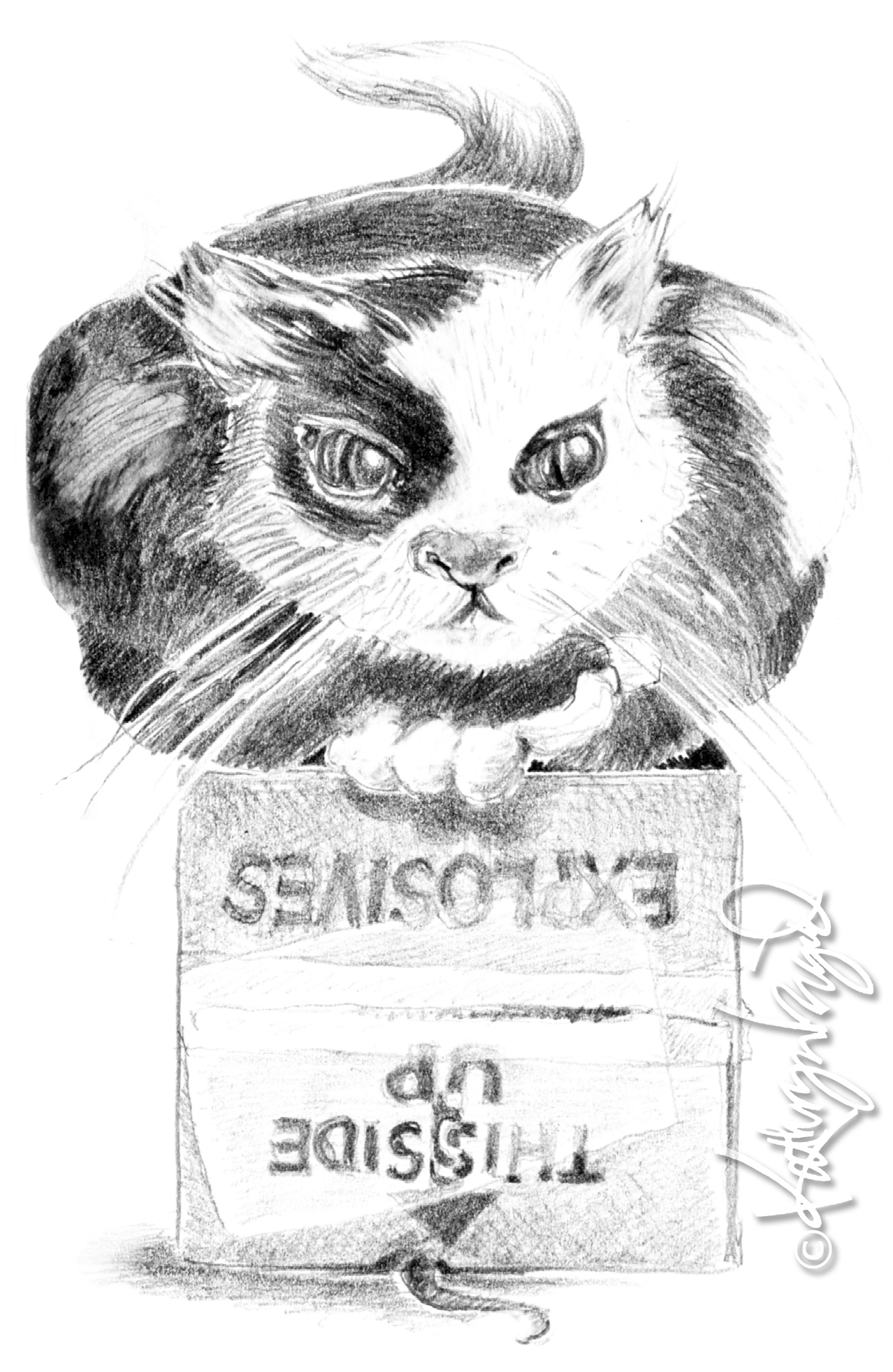 Not that any of this contemplation has the remotest chance of making me stop thinking myself both the greatest martyr and the finest superhero at work on the planet. I only get the smallest momentary glimpses of sanity through the veneer of my regular distorted self-image as the silly person I am, after all. Even though I know that in my own version of ‘cat and mouse’ the tiniest mouse could best me in the flick of a whisker.
Stuff is ephemeral; imagination is what endures.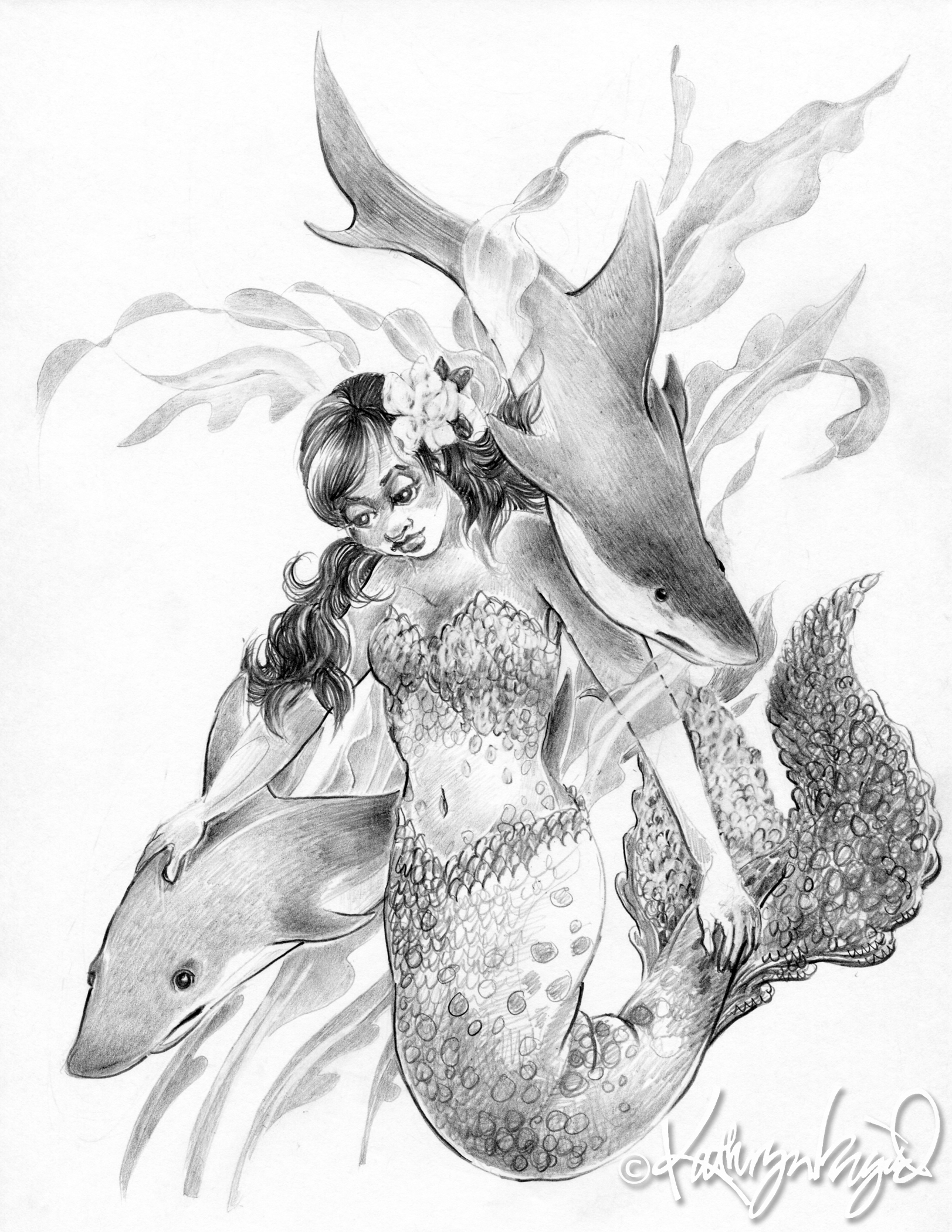 Real life has enough elements of adventure, romance and mystery to sustain us–indeed, to astonish and entertain quite endlessly–but if we don’t record and celebrate such magic parts of our history they are lost. If we fail to study our chronicles and journals of such marvels, they are but dust.
So the sages among us keep what documents they can and teach us as much as we’re able to learn. What, though, becomes of all this if we are ourselves not so sage? Those of us for whom history is mostly data, steeped and stopped in the past, rely on fantasy to renew in us a sense of the remarkable. The fictional, metaphorical and colorful characters, creatures and cataclysmic events we create in our arts give us vehicles for understanding the true mystical powers in our real lives. Types and archetypes remain because they represent not Things so much as Experiences, not acquisitions but states of being. Through these avatars and our vicarious living of all the extremes that we can imagine, we revisit–and can even revere–the lives that have gone before us.
Through these imaginings, we are best moved to become greater than our small natural selves. In our better selves we have hope of living out lives that might, in turn, outlive us to inspire later generations to dream beyond, to imagine greatness and loveliness not yet known. Dream on, my friends, dream on.
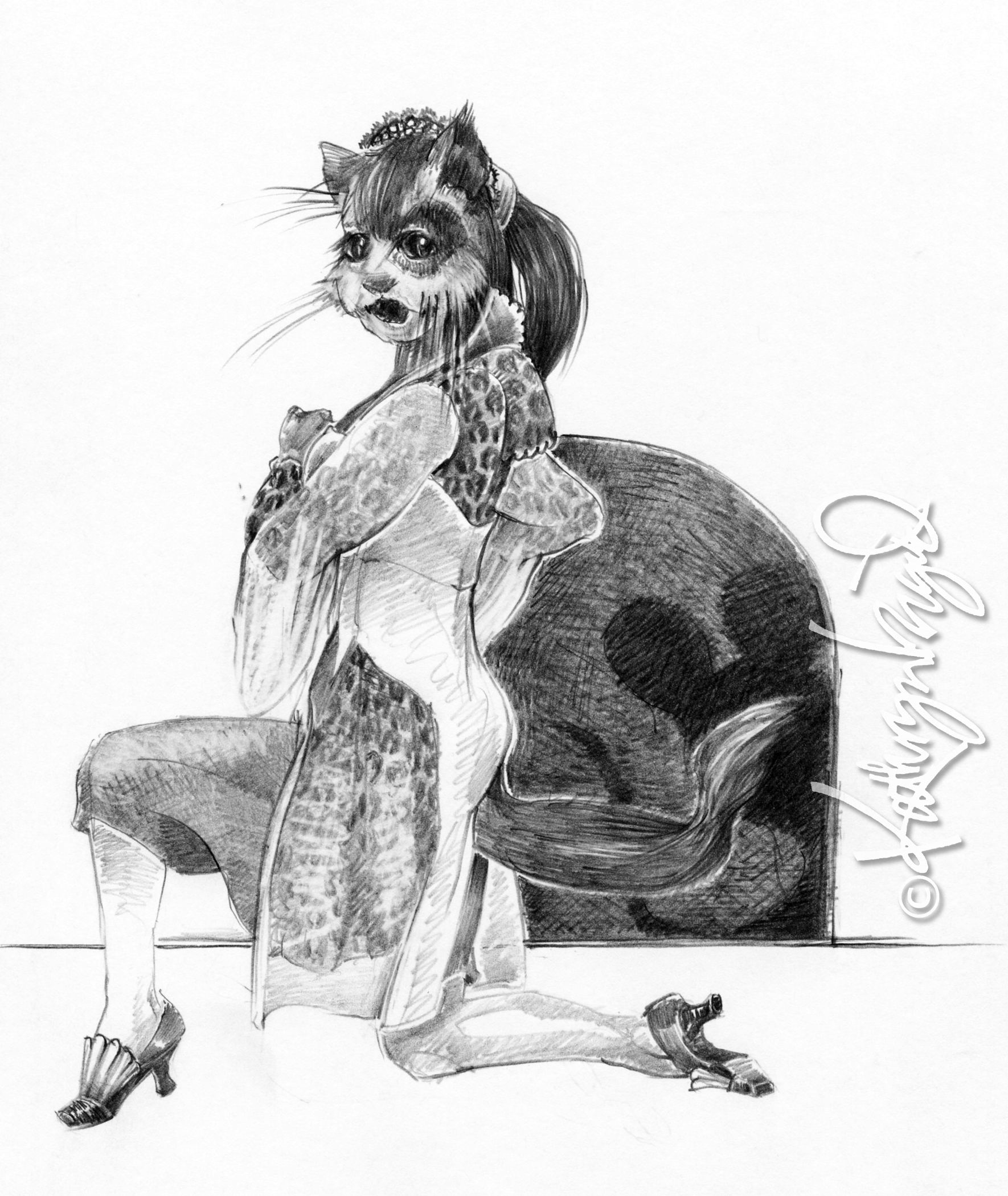 A Menopausal Mini-Mystery
‘OutRRRRRageous!’ she purred, ‘I’m only a lady who has fallen prey to the sentimental desires of A Certain Age to visit my old acquaintance!’ Still, her counter-suit of police Profiling would have been more plausible if she hadn’t been spotted in that location and in such a compromising position. The acquaintance in question, quivering in the doorway behind Madame De Léopard, was still squeaking with shrill accusation as the neighbors began to gather and fling catty remarks back and forth like batted feather lures. When the arresting officer demanded a sobriety test and detected that an illegal quantity of West Country Farmhouse Cheddar had been dabbed behind the lady’s ears, pandemonium erupted and many of the surrounding crowd were convinced that there was a far more nefarious explanation for her appearance on the scene than middle-aged maundering.
 Ah, Shakespeare me boy, do tell me. I’m just curious: did Bottom have any sort of Fairy Fella epiphany after his little ass-hat adventure? Me, I am fairly certain that had it been me I would have felt smugly brilliant in my newly dawned state of knowledge the moment I was un-donkey-fied again, but I’m even more certain that I would have slipped right on back into my unwise natural state just about as quickly as twitches a donkey’s tail. Because I am so very much a silly, stubborn creature of habit.
Mr. Shakespeare, whatever his level of formal education or high culture or (if you’re of that particular school of thought) of being multiple persons, had a decidedly perceptive eye for ordinary human nature. The bard’s keen observation and sharp understanding are the fundamental reasons his plays and poems have so long endured–he had us figured out, my friends. I may sometimes wish that the characters in Shakespeare whom I resembled most were the heroic and compassionate ones, the witty, the powerful and the sage. But alas, it’s in Bottom that I recognize myself, in Shakespeare’s dolts and fools and in the obstinately self-centered and weak and wooly-minded characters.
I guess I should just thank Mr. S. for having raised my humbly mortal state to high art and sashay back over to perch in my little flower bower. I rather hope that one day these moments of revelation won’t need to be as frequent or as rudely transformative as getting me visibly turned back into the braying boob that represents my true inner being.
While I’m on the subject of mystery stories (see yesterday’s post), there’s a true one that I hadn’t ever heard of until recently that almost defies imagination, even generations later. But that’s what true mystery stories do, isn’t it.
The story of a female immigrant serial killer/mass murderer, born in Norway but made in America, was a hideous and irreconcilable tale of horror and crime in the 19th Century and remains one today. Belle Gunness, who is believed to have killed all of her own children, two husbands and a handful of suitors, not to mention an accomplice or two of her own along the way–possibly executing as many as forty people in her lengthy crime spree–is surprisingly little known nowadays. I fear that this may be because we have so many other hideous and oversized monstrosities and real-life mystery stories handy to horrify and mesmerize us that many likely get pushed out of memory by the current ugly news. Undoubtedly the advent of World War I‘s dreadful specter was a factor in overshadowing a single murderer’s story rather immediately on its discovery.
All the same, once I knew of it, I found the woman a compellingly repellant subject for another mystery story illustration, being a subject worthy of an Edgar Allan Poe style drama or, yes, a true-crime cinematic epic. Though it was one of those news stories that ‘rocked the nation’ when uncovered a hundred years ago, the tale of Belle Gunness is relatively obscure nowadays. There have been a few generally tepid and mostly heavily fictionalized stories, books and movies based on the horrors wrought by this one woman’s apparent sociopathy and the trail of blood left in its wake, but it’s remarkable to me that such a grim, terrible story is scarcely known on a wider scale anymore.
Frightening, dark, and perhaps an indictment of the worst of human nature in general, yes–but I think perhaps part of the reason I find mystery stories so gripping is because I think they remind us–again in that somewhat ‘safe’ and detached format of past-history or fiction–that brilliance and the abyss are constantly in conflict in the human heart and only by understanding this and being willing to examine it in ourselves can we have a chance of rising to beauty and shunning the grotesque urges that we might have–and, if we’re truly fortunate, catching up the would-be wrongdoer in humane and forgiving and healing arms before she can ever fall so far. That’s my hopeful fiction, and I’m sticking to it.

La Belle Dame sans Merci of the prairies, Belle Gunness. What fearful horrors shaped this woman’s inner darkness?
Today, I present Belle Gunness, a truly fallen woman and black widow whose mystery may never be fully unraveled, for your contemplation. May we never see her like again.
 Art-Colored Glasses