I Find Respite in the Woods

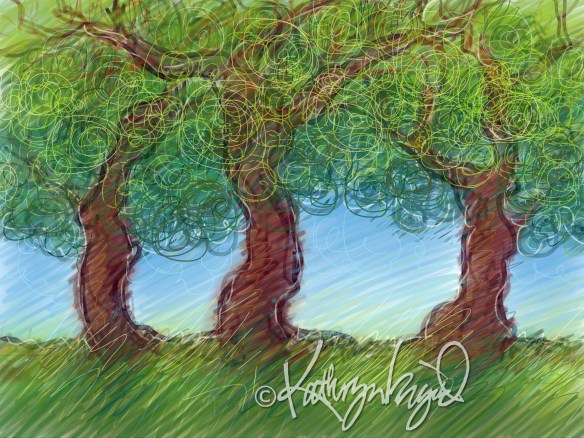
We all find our places of escape where we can. Having grown up in the Evergreen State and not far from both the vast forests of Mt. Rainier and the green refuge of the Olympic Peninsula’s rain forest, I have always found trees and wooded places a comfort and a place of safety and reassurance. No matter how deep the sorrow and pain, I have found strength returning to me and a gentling of the spirit poured on my woundedness in those times spent in the protective forest greenery. When I can spend time among the trees and relish their distinctive and individual beauties, I find myself rescued and my hope renewed.digital illustration

To the Woodland

Cedar, bless me with your resinous breath,

And oak, stretch down those knotted arms to me

And close me in, so others cannot see

My sorrow as I stand so near to death—

I come here to the woodland for relief

Among the leafy shadows of the glade,

Hoping to leave my sadness where I’ve laid

It here, a monument in shade to grief—

Sweet birches, bend your green to veil my tears

And weep with all the willows, as I do;

Great trees, for graces have I come to you

Each time that I grew mournful through the years—

I come here to the woodland for relief

And leave a monument, in shade, to grief.

This mottled darkness will give way to sun

Anon, as time flows on, and so shall I;

The dead still sleep, no matter how I cry,

And I must live, or my own death’s begun—

And I’ve much yet to live, and purpose find

In bringing others light who, too, repine

That have no pine-groves filled with peace like mine

As balm and rescue for a troubled mind—

Who know not aspens’ kindly whispered care—

Should all seek peace and comfort in the wood,

These mercies surely better us, their good

And healing gifts send us renewed from there—

So we’ll go to the woodland for relief

And leave in shade, as we emerge, our grief.digital illustration

Lesser Lights

digital illustration

The major stars are always more visible than those around them. It’s demonstrably true not only in the galaxies but in the more modest constellations of humanity. Our attentions are naturally drawn toward those who shine most impressively and dramatically—for good or ill; those more modestly gifted or less showy mostly find their own lights muddled or even eclipsed by the intensity nearby, and as a result we seldom spot and take note of them.

Even those of us who are not only accustomed to, but also aware of, being humbled and diminished by comparison to others’ flashier character can easily forget how this applies to others. Just because I might feel neglected doesn’t necessarily mean I notice others being equally shortchanged; indeed, it’s more likely that if I’m feeling under-appreciated I get too preoccupied with my longing to be Special and resentful navel-gazing to think that I’m probably in the majority rather than otherwise.

Still, there’s hope. Just as a supernova will someday burn to nothingness, human stars tend mostly to flash into the general notice, burn however brightly for however long, and be dimmed by eventual inattention or death. They, too, will eventually be outshone and/or replaced by other stars whose time has come.

And if I, or any other, should in the meantime feel unreasonably hidden from sight, we are still free to seek our own bit of gleam. For some folk, that seeking comes in ambitions for accomplishment and fame. For the rest of us, the surest way to kindle the blazing fire that gives off sufficient heat and light to be noted by anyone else is to turn our focus outward. Devoting energy, attention and love to causes and works outside of our petty selves, and especially to other persons, is the spark that, when kindled in their spirits, creates the steadiest, most lasting kind of light. Even the smallest and weakest among us shines brightly in this tiny act of selfless will.digital illustration

One Stormy Day…

digital illustration from a photoApologia

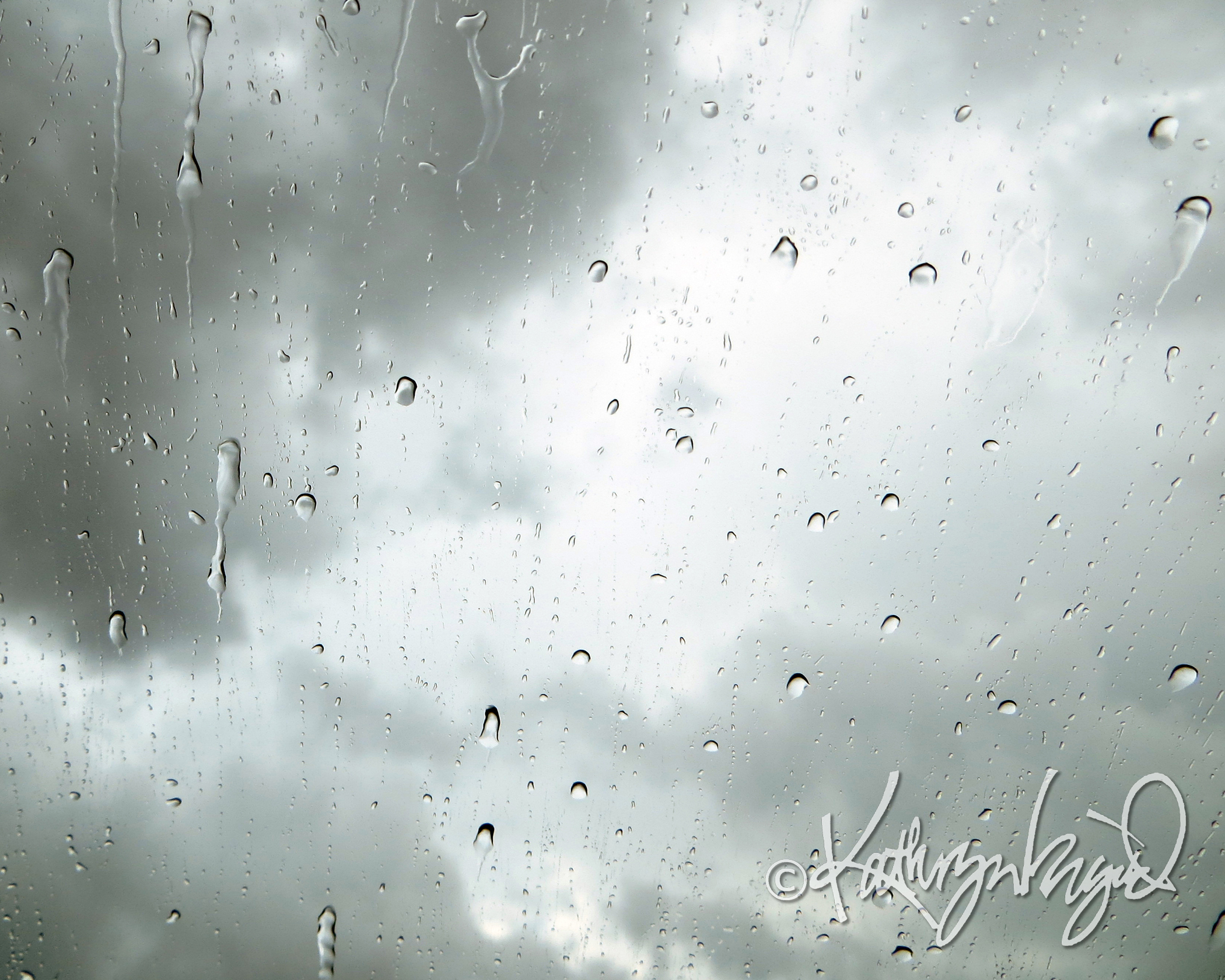
Bleak indigo and velvet was the sky

That hung above that cold portentous noon

More chilling than the goddess of the moon

If she had bowed her sorrows down to die—

My own, I could not grief so sharp withhold

But wept as though the torrent ought to drown

Me in the rivers of her velvet gown

And leave me breathless on the stones and cold—photoBut blue is not my cloak, or yet my skin

As much as dark the tenor of the day

And when the storm had lastly passed away

I felt the night might swallow up my sin—

Now sorrow’s misery that spoke you grief

Forgiven falls in sunset’s sweet relief.photo

Dusk to Dawn

digital illustrationCoal & Diamonds

Strangely enough, the bond of sleep, that weight of Lethe sitting on my soul,

Reminds me constantly to keep from letting diamond days turn back to coal,

For stillness rejuvenates bone and blood and sinew strong enough to bring me on,

And sleep is a portal through which a flood of musings sweep me forward to the dawn,

So rest is essential, and there I lie, seeming immobile while I dance at speed,

Or mounting on magical wings to the sky, to soar as sweetly high as I should need

To see in sleep, in my mind’s eye, new ways to spring from dark to day’s desire,

To find in the darkness of night what I love most amid the constellations’ fire

And planets and comets’ tails’ dross and stone what I can reinvent as suns for day,

My own coal-diamonds, blood and bone and sinew turned to chasing night away.digital illustration

Another Totentanz

digital illustrationTo Rest in Peace

Alas! for shadows carve my collarbones

and misery is lapping at my heels;

Death’s machinations turn, wheels within wheels,

and grind me for its grist between cold stones–

And yet, as dust-dry as I turn, breath blooms

persistently, a torture to my soul

when I had rather be devoured whole

and go on into Peace’s empty rooms–

Still, here I stay, lie atomized, forlorn,

forgotten on the fringes of what life

and loves I knew once, when my days were rife

with possibility as a new morn–

Let me die now, not live without a chance

of altering this endless Totentanz.

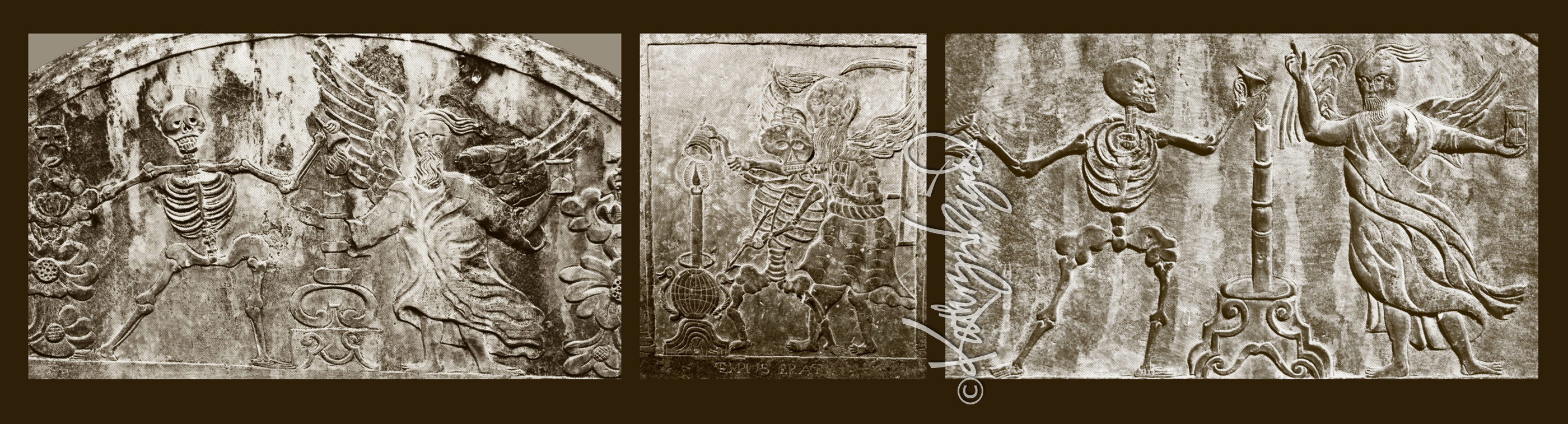
Lest you think me suffering myself, or pessimistic, I assure you I am alive and well. It’s just that I have seen many others struggle with prolonged and pitiful end-of-life dramas and was reminded this June when I saw the beautiful antique gravestones in Boston of how different things are now, when we have such nearly unbelievable powers to keep ourselves alive for tremendously long lives but have lost touch with when it’s acceptable or even desirable not to do so. If our skills for ensuring or encouraging genuine quality of life are far outstripped by our skills for lengthening it, what does that say about us? Generations removed from our forebears, whether in Boston or elsewhere, who knew much more primitive medicine, greater physical dangers, irreparable injuries and the concomitant shorter lifespans we have apparently long since forgotten, do we know how to accept death as a natural end to life and treat dying as a passage to be eased to the fullest extent instead of forbidden?

Hijacking Happiness

digital artwork from a drawingTrouble, as we all know, is highly contagious. I was reminded of this recently both by a television character and by a couple of real-life incidents involving real live people (who shall here remain nameless), and all of them, real and fictional, have a number of similarities, the chief one being their apparent unshakable belief that their suffering is greater than anyone else’s, is incurable, and is probably the fault of everyone else too.

My life is pretty fantastically good, when you get right down to it, so to people who don’t know me very well it might appear that I have no business criticizing anyone else’s way of handling sorrow and pain. But that’s just it: even the most wonderful of lives is touched by trials now and then, and struggle or strife isn’t fairly measurable in the moment. My paper cut seems as dire as your childbirth pangs when I’ve just gotten paint thinner on my hand. I know this to be logically ridiculous in the extreme, but don’t tell me the paper cut doesn’t hurt like boy-howdy at that moment. That would be tantamount to me telling you that since your labor pains will probably be over in short shrift, they don’t compare in any way to another’s battle-for-life with esophageal cancer, so you should just get over yourself. Whatever agony each of us is undergoing is more than enough and not to be belittled. And frankly, since each of us has a history that is tinged here and there with darkness, we do all have a sense, however small, of what it means to accept our griefs and cope with, live with, and go forward with them still present. Real sorrows never truly go away.

And for all of us who can feel empathy, or even more than that, can feel sympathy without having experienced the fulness of another’s troubles, life after infancy (when memory, like the lifespan thus far, is short) can be a perpetual bombardment of such troubles even when they’re not entirely our own.

I, of all people, will readily grant you that some people are far better equipped than others to find ways to survive pain and suffering and to continue living a full life without resorting to out-and-out acting. But that’s just it, isn’t it: barring full mental incapacity, don’t we owe it to ourselves, anyway, to try every possible avenue of becoming whole and happy (and of course I don’t mean that superficial kind of happiness that is either fully false or simply stupid); don’t we? When my personal apocalyptic horsemen appeared at the intersection of a group of the classic stressors (job-related problems, health challenges and the sudden death of a close friend converging on me at the same time) and plunged me into clinical depression, I was fortunate to not only have some of the significant tools (support from family and friends, a great doctor and a good therapist, and ultimately, medication that worked for me) for doing battle with those monsters but also the sense that there was no other acceptable option but to try to do that battle.

I won’t lie; there were times–and will probably be more of them over the years–when I did have to take the tack of that ‘fake it till you make it’ mode, when I simply wanted to quit and lie down and just hope it would all miraculously fix itself, or when I was as sulky and whiny and crotchety and pessimistic and tedious as unhappy people can be. We humans are good at all of that stuff, better than at being sunny and charming. But finally, even in my worst state I knew that was no way to live, and that the important people around me would suffer at least as much as I did, if not more. Thanks to the aforementioned helpers, I am here to tell the tale. More importantly, I don’t dwell in that darkness, even though there’s not much I could prevent or even fix about the troubles that led to such a state of existence. Things just happen. It’s how I deal with them that’ll likely make or break me.

That television character–and the many real-life imitators I referenced–stays so focused on how traumatized and maltreated she feels (albeit by genuinely distressing events and problems) that they become her one-note existence. She has a hard heart because it seems less trouble to close it to others than to be vulnerable to further hurt, but of course the actual effect is that she treats everyone around her like dirt, riding roughshod over their feelings and regarding any trauma or maltreatment they may suffer, often at her hands, as inferior or nonexistent. In turn, after being stomped on repeatedly by her seeming egotism, narrow-mindedness and refusal to set her hurt aside, the people around her disperse as speedily as that unlucky drop of water hitting a sizzling skillet explodes into mist. Those who tolerate her constant vituperation, impatience with their perceived stupidity or lack of sympathy, and her seeming wish to continue forever wallowing in her fury and self-pity, those characters ultimately become uninteresting or even unsympathetic themselves to me; after the ninety-ninth offense anyone sits back and takes without a fight, they tend to my eye to look like either enablers or equally fixed in victim mode.

I think we all have the power to steal others’ health and happiness, at least as much as the reasonably healthy among us should make every effort to take charge of our own. Doesn’t mean perfection is expected, but c’mon, people, if there’s really no going forward with life, perhaps a retreat to a very quiet hermitage would be more apropos than imposing our worst on the rest of the world. Yeah, I said it: get over yourself, Kathryn. Even if it might occasionally require brief periods of kindly deceit, times of returning to fighting off the dark singlehandedly, and the ordinary moments of being a jerk. It’ll mean equal demand on me for repentance, amends-making, and getting back on the wagon. There’s too much life left ahead, I hope, to spend it mired in a grim and terrible past, let alone impose it on others.

The upside of all this is that there is a possibility of turning this kind of thievery to good. Very simply, if I have to I can borrow my equilibrium and contentment from others. Put myself in proximity to saner, happier people than me until I can manufacture my own, and quietly absorb what I can of their good graces. I, at least, don’t want to be the one who steals the joy of anyone else; that only becomes the reason for new sorrows all ’round. Happiness and health can be contagious, too, if we let them. And so we all should, my friends. So we should.
Under the Shawl

digital artworkShrouded

What is the measure of sorrow’s depth? A mile, a fathom? Soullessness?

Is it a silent suffering or screaming agony? Or less

Than nothing? Is true sorrow deep as midnight? Is it fiery? Cold?

Is’t a return to youthful helplessness, or falling instant-old?

Who knows the grief in its extreme that tells how deep sorrow can grow?

Only the ghosts of doubt can guess at this: I hope I never know.

Damaged

photoFortresses

Wars build walls

On a foundation of

Corpses–

The evil and

The innocent alike–

And what do the walls

Keep in?

Keep out?

How is it that

Battles can be declared

Won or Lost?

For both sides die,

Both parties always

Somehow

Lose land and goods

And certainly, soul;

Starve in the snow or

Roast in the heat,

All the while watching

The world they knew

Reduced to ugly

Holes and rubble and

Its storied walls replaced

By a fortress that

Is really

Only a new prison

poem

Sorrow, Begone! Morning will Come Again

photo diptychTo Rest in Peace
The night is long and still I cannot sleep
For fear the dawn will steal what I would keep
When hope and restlessness have wrestled till
The willow near my bedroom windowsill
Bends nearer down to say she’ll weep with me,
One generation to the next, poor tree–
The night will surely pass, and so will sorrow,
Yes, just as death’s outlasted by tomorrow,
So let me sleep, O grief, or let me fly now,
Over the willow tree, rise up and die now–
For what’s this aching but forewarning cold
That what’s ahead is neither dross nor gold
Except it brings me closer by its cost
To endless morning, healed of what I’d lost.photoMy dear friends, this post was prepared some time ago because I knew it was going to be a busy day: a travel day for my husband and me on our return home from TMEA (the Texas Music Educators Association’s annual conference of well over 20,000 musicians, students and teachers). Not at all surprisingly, being surrounded by this musical ‘cloud of witnesses’ has made our thoughts turn to Eric Ericson and the many gifts he brought to the choral world over his long and storied career, and to my spouse’s and my lives as well, so we were talking about him as we walked home from a TMEA event late last night. So somehow, despite the sadness of it, it was not so shocking to waken this very morning to the news that he has died. He was, after all, 94 years old. But it seems to me that he was escorted out of this world on a wave of music, and that is only fitting for such a titan of choral culture. He will be missed by uncountable choirs of his musical offspring–and he left a song that will never stop resounding in our midst. Farewell and peace, Eric.

Nobody Loves Me, Everybody Hates Me . . . *

photo

. . . Think I’m Gonna Go Eat Worms! [Note: no actual worms were harmed in the making of this photograph.]

Yes, it may be true that no man is an island–we all depend on others far more than we even recognize or comprehend–but conversely, every one of us is his or her own unique and seemingly isolated version of Three Mile Island at times when it comes to having personal meltdowns. It starts right at birth, when most of us scream and complain at having been removed from that ever-so-pleasant resort and spa, Mom’s innards, and ejected unwittingly and unwillingly into the cold, cruel world, and it continues, however sporadically, throughout our lives. We are such fragile creatures.

The majority of humans, happily, are not subject to this dark reality for too large a percentage of our lives, but it’s more common than is commonly discussed that we have trials, tribulations and the varying degrees of inability to cope with them that make us question, if not our sanity, then certainly our ability to rise above what’s bad, get a grasp on the good, and move forward regardless of feeling worthy or curable. Depression truly sucks–not just in the vernacular, but in the sense of pulling one down into a bottomless abyss like an evil and irresistible vortex.

I’m not referring, of course, to ordinary grief or sadness. We all get hit by those monsters at times. We flounder, we suffer, we recover. It may be deep and painful and take a long time to rebound from sorrows of even the most normal sort, but we do, eventually, learn how to go on living and being and take part in the doings of the world. Generally, that sort of difficulty or tragedy even tends to gradually heighten the sense and appreciation of what is good and joyful once we’ve experienced and survived the dark and can see the shining contrast of even a modest pleasure with what appeared insurmountably grim from its midst. True clinical, chemical, physiological depression, well, that’s a different thing.

It resists the most persuasive and intelligent logic. It batters self-worth and love in the most brilliant, gifted and accomplished sufferers. It tears at relationships of any sort with other people or with action, with one’s wit and will to survive. If it doesn’t make one outright, actively suicidal, it can simply kill through atrophy and attrition: sufferers have described the state of longing intensely to kill themselves but having no strength or energy to do so.

Why would I talk of such dire and dreary and horrid stuff, even think of it at all? Because I am reminded sometimes of when I used to be there. My worst bout of depression was perhaps aided and abetted by various situational and temporal aggravations, including the typical catalysts and intensifiers of real-world health and happiness threats: the onset of my spasmodic dysphonia, job problems, the murder of our good friend. These were of course widely different in intensity and timing, but to someone like me, their interaction with my evidently wonky endocrine system or whatever combined forces of chemical and biological imbalance were building in me meant that when I hit bottom, no amount of thoughtful and heartfelt reasoning with myself could ‘fix’ me or my situation.

I am one of the true Lucky Ones. I finally felt so brain-fogged, so unable to resist the pull of that deadly sucking, enervating, soul-destroying feeling of pointlessness and ugliness and being unlovable and incapable of doing anything meaningful or good–well, I got so needy that I actually let others help me. That was it. The only way out of the hole was to grip the hands reaching in toward me and let them do all of the work of pulling me out. Part of it was accepting these helpers’ assurances that they did indeed believe in me and in how I felt, that they loved me and knew that I had worth and potential. Part was letting others lead me around and taking their advice and simply letting go of what little shreds of ego I had left enough to say that I would do better in following an educated and experienced prescription for improvement than I’d been doing on my ever-weakening own two feet. And a part that was essential for me was loosening my grip on my insistence that taking prescribed treatment–both psychological and chemical–without trying to create or control it myself was a sign of weakness or failure. It took, in fact, all of my strength and intelligence to recognize that any strength and intelligence I had couldn’t save me.

The luck involved is clearly that together we (my caregivers–medical and personal–and I) did find the combination of therapeutic treatments, behavioral changes and chemical re-balancing medication that not only unlocked my present emergency state of depressive existence but ultimately proved to let me feel fully, wholly myself for the first time in my life. I know that this is not a cure but an ongoing process for as long as I live. And, having lived both ways, I am more than happy to take on that responsibility. It’s a privilege.

What’s most beautiful of all, for me, is that when it happens (as it has in this last couple of weeks) that several occurrences and situations conspire to remind me of this my past and how it shaped my present life and self, it also reawakens in me the profound gratitude for all of those complex minutiae that converged so miraculously well as to make this life possible. To make my continued existence at all possible, perhaps, but particularly such a happy me. What seemed like the most disastrous and irreparable of confluences instead conspired to make just the right blend at the right moment that finally offered me a rescue.

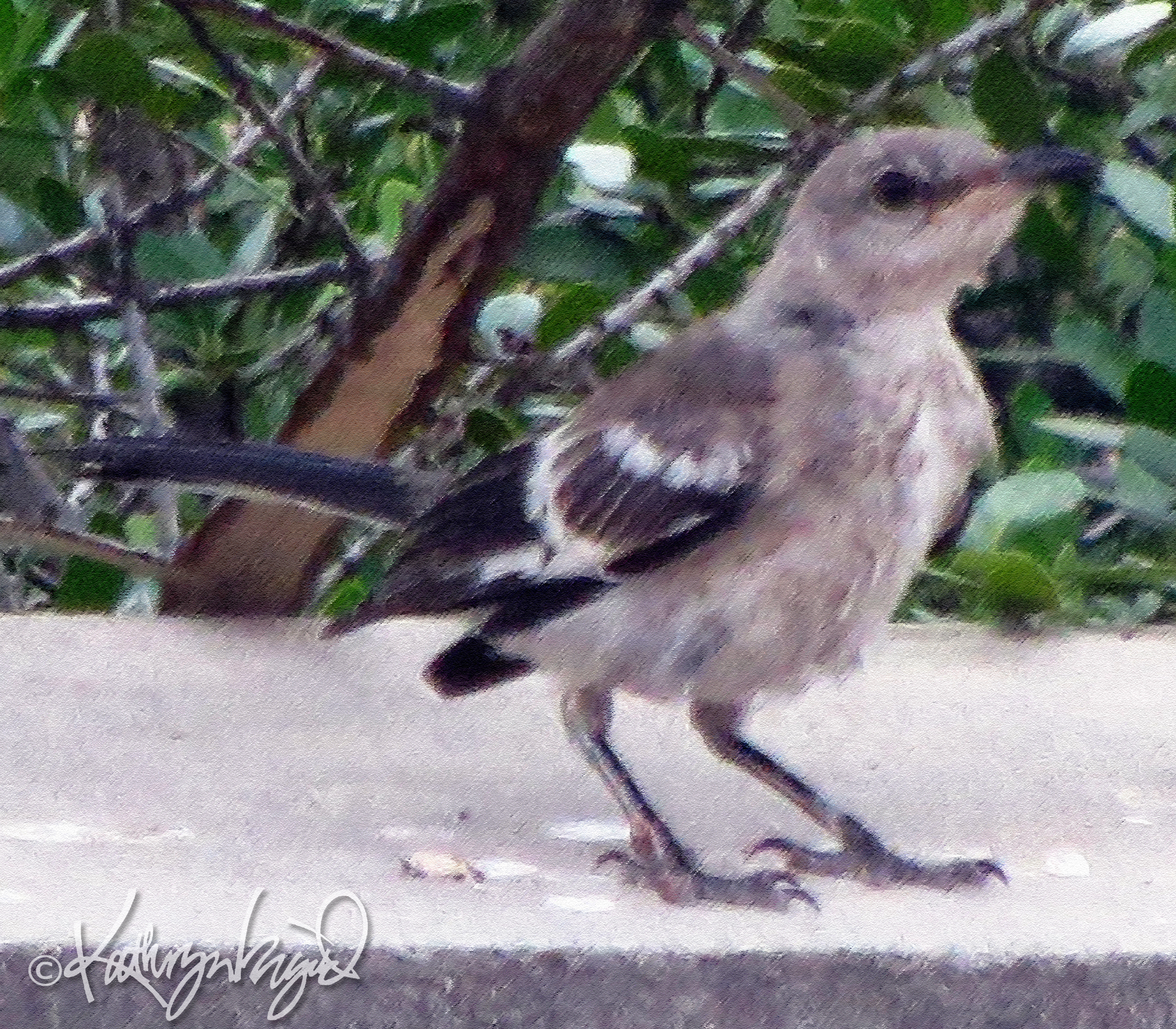
Turns out that eating worms is the very nourishment that makes some birds healthy enough to sing their hearts out with the pure delight of existing. Last week I was out walking and saw a ditch full of drowned worms, lured into and killed by stormy waters. This week I was walking the same route and the sky was filled with the most spectacular warbling, chirruping, musical bird songs I could hope to hear. Coincidence? Very possibly not.digital illustration from a photo

(* from the old campfire song Nobody Loves Me, Everybody Hates Me . . . )