


I was watching a television interview with a couple who had just come in from horseback riding on their beautiful Montana acreage. The man was walking his horse to the gate the woman rode up, dismounted and pulled off her horse’s tack. Both horses were beautiful, healthy and contented looking animals, and clearly had bonds with their riders. But when the woman took off that bridle, the mare kicked up her hooves and ran into the pasture at top speed, rocking like a foal over the tussocks with her tail streaming behind her.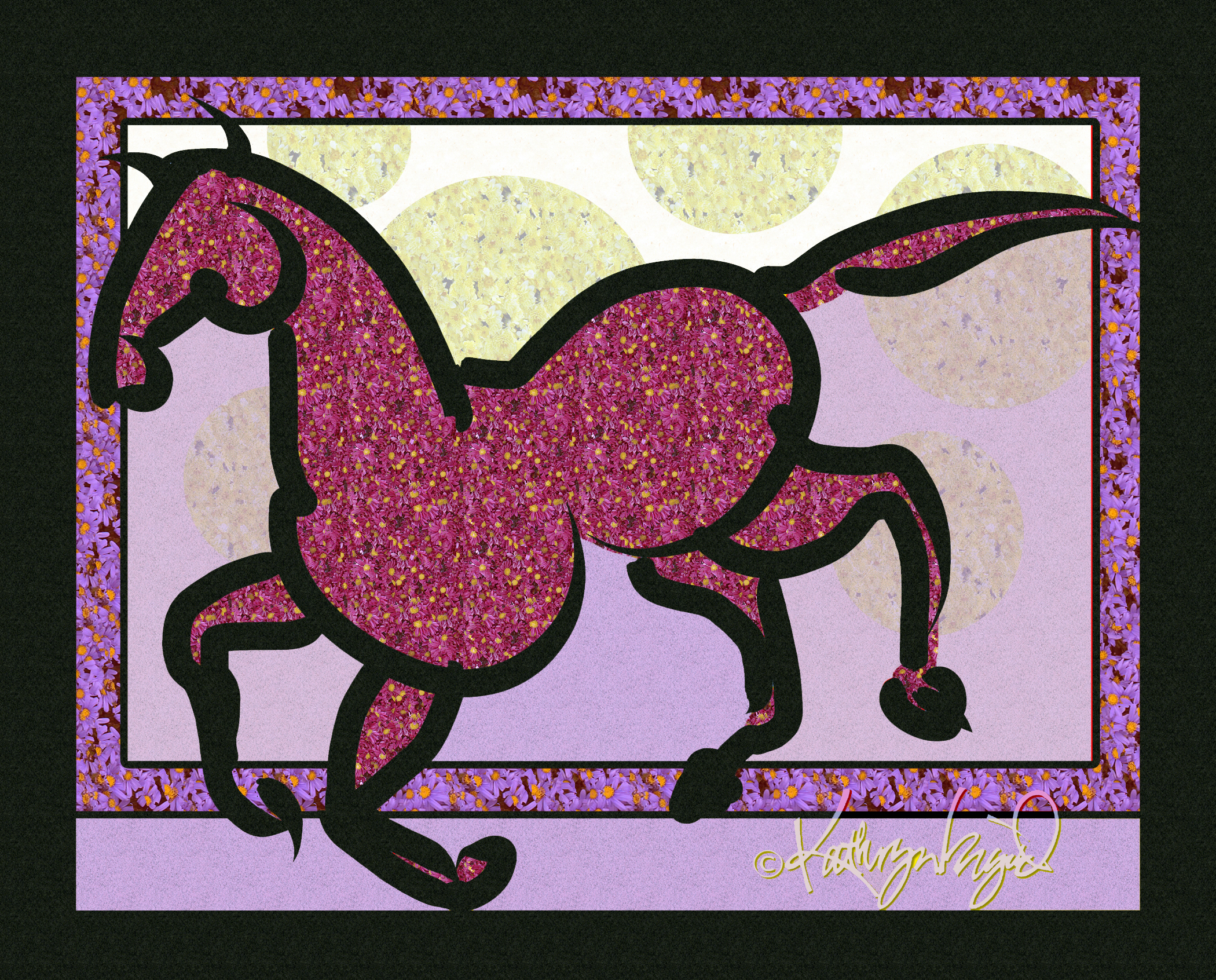
There was no sense that she wanted, let alone needed, to get away from her Person. Still, she seemed to relish the unencumbered moment and revel in what she could do all of her own volition in it. And that, I think, is a wonderful thing.
Shouldn’t we all remember, from time to time, to throw off the traces of what we must do, throw our propriety and responsibility and all of the trappings of expectation and normalcy and Requirement and just cut a little caper? Isn’t there a reason we are capable of being free, adventuresome, unpredictable and happy? I’m pretty sure that the earth will not stop rotating on its axis if even the most high-powered and busy, the most seemingly essential and useful people on it, actually get out of harness once in a while and take pleasure in the moment with childlike innocence. And I’m even more sure that once anyone has taken the break that offers such a sense of independence, ease and simple happiness, he/she can return to work as a healthier and more productive person; whatever might have been missing or diminished in the time of absence is caught up and refreshed, right along with the person who does it all.
What could be better than to return to our day-to-day Normal life refreshed, renewed and recharged because we dared to demand a moment of freedom and playtime! Yes, we do have to demand it. It’s almost unheard-of that anyone would hand any of us a one-hour holiday, let alone a day or two. Why should they? Every one of us has a whole list of things we need, or at least want, others to do for us, so we aren’t likely to cut each other a break from supplying our wants and needs unless and until they buck their bonds, too.
It won’t do to be rude and selfish about it, but I would advocate for our all keeping our eyes open and ears pricked up so we can notice any opportunity to stand up for our good health and happiness. And take it. And take off with it!
 To the Astonishment of Angels
Where in the wilderness of life an adumbration points the way
From our benighted place, our strife and sorrows, to the sun of day,
A banner flares out on the breath of some great strength to give reprieve
To wearied lung and heart, from death to lift us to where we believe
Once more that goodness lies within, that kindness is courageous love,
That generosity’s akin to calling stars down from above
And handing them to needy souls to light their way to higher ground,
And that small songs pierce blazing holes in prison walls with their mere sound—
Here in the bitter night and cold, when such a beacon lights a spark
To guide us forward, as of old, let us rise up and leave the dark
And carry all our fellows, too, to those bright, grand palatial places
Where in the wilderness the true angelic joy renews its graces.
 Burnout. Tension. Stress. Exhaustion. Doesn’t matter what I call it, the unfriendly truth of that state of being is the same. Distraction. Aching and malaise. Irritability, withdrawal, collapse. The dramatic drops in life participation and wholeness all come together in equally unpleasant responses.
What are the causes, catalysts and triggers? As many and varied as the moments of any lifetime, of a million lifetimes, can allow. How is it that I–or anyone else on this madly spinning globe–can survive such stuff assailing us, let alone prevail against it and win?
Why, in a number of ways, we all do it pretty much all of the time. That’s how our species can even continue to exist; if we didn’t have a whole arsenal of defenses and strategies for the cosmic battle, it would’ve taken little more than a moment’s stray breeze to blow us all to oblivion. But vulnerable and weak as we are, we do have our ways, and we survive.
Faith. Whether it’s the belief in something as grand and benevolent as a Supreme Being that will rescue me or in something as small and ephemeral as the offer of a stranger’s hand to grasp mine and pull me up, faith can overcome many an obstacle.
Hope, too. If not utterly confident of it, as long as I can summon a sense that there’s some probability or even possibility of better things ahead, I have a chance of mustering just enough strength, patience and will to wait for the good to come to me. I may not be able to reach for it myself any longer, but I can hang on, however thinly, to a promise of change and renewal. For the return of the light.
And love. When all other resources are at their lowest ebb, even faith and hope having withdrawn in the impenetrable distance, love can carry me through. I have a greater store than most, being surrounded as I am by not only the encouraging affection and support of spouse, family and friends but also the remarkably kind uplift I’ve received at the hands and words of a wide array of acquaintances and strangers buoying me in my life over every would-be catastrophic wave. Beyond even this, there is another love that serves me well, when I can remember it: the love inside me that, however pale and faint it’s grown in my weakened state, recognizes a need to care for and comfort others in their time of need. The moment I can step outside of my own need, my hunger, despair, anger, longing or sorrow, just enough to recollect the existence of anyone else, I tend to draw back, however slowly, from the brink myself.
I can look around again with eyes less inward-focused and with a heart more willing to keep living, hard as it may seem at the time, and crawl back toward more gracious and sanguine days. My fellow survivors show me how to do it all the time. In this, I am once again truly at peace.
 Trouble, as we all know, is highly contagious. I was reminded of this recently both by a television character and by a couple of real-life incidents involving real live people (who shall here remain nameless), and all of them, real and fictional, have a number of similarities, the chief one being their apparent unshakable belief that their suffering is greater than anyone else’s, is incurable, and is probably the fault of everyone else too.
My life is pretty fantastically good, when you get right down to it, so to people who don’t know me very well it might appear that I have no business criticizing anyone else’s way of handling sorrow and pain. But that’s just it: even the most wonderful of lives is touched by trials now and then, and struggle or strife isn’t fairly measurable in the moment. My paper cut seems as dire as your childbirth pangs when I’ve just gotten paint thinner on my hand. I know this to be logically ridiculous in the extreme, but don’t tell me the paper cut doesn’t hurt like boy-howdy at that moment. That would be tantamount to me telling you that since your labor pains will probably be over in short shrift, they don’t compare in any way to another’s battle-for-life with esophageal cancer, so you should just get over yourself. Whatever agony each of us is undergoing is more than enough and not to be belittled. And frankly, since each of us has a history that is tinged here and there with darkness, we do all have a sense, however small, of what it means to accept our griefs and cope with, live with, and go forward with them still present. Real sorrows never truly go away.
And for all of us who can feel empathy, or even more than that, can feel sympathy without having experienced the fulness of another’s troubles, life after infancy (when memory, like the lifespan thus far, is short) can be a perpetual bombardment of such troubles even when they’re not entirely our own.
I, of all people, will readily grant you that some people are far better equipped than others to find ways to survive pain and suffering and to continue living a full life without resorting to out-and-out acting. But that’s just it, isn’t it: barring full mental incapacity, don’t we owe it to ourselves, anyway, to try every possible avenue of becoming whole and happy (and of course I don’t mean that superficial kind of happiness that is either fully false or simply stupid); don’t we? When my personal apocalyptic horsemen appeared at the intersection of a group of the classic stressors (job-related problems, health challenges and the sudden death of a close friend converging on me at the same time) and plunged me into clinical depression, I was fortunate to not only have some of the significant tools (support from family and friends, a great doctor and a good therapist, and ultimately, medication that worked for me) for doing battle with those monsters but also the sense that there was no other acceptable option but to try to do that battle.
I won’t lie; there were times–and will probably be more of them over the years–when I did have to take the tack of that ‘fake it till you make it’ mode, when I simply wanted to quit and lie down and just hope it would all miraculously fix itself, or when I was as sulky and whiny and crotchety and pessimistic and tedious as unhappy people can be. We humans are good at all of that stuff, better than at being sunny and charming. But finally, even in my worst state I knew that was no way to live, and that the important people around me would suffer at least as much as I did, if not more. Thanks to the aforementioned helpers, I am here to tell the tale. More importantly, I don’t dwell in that darkness, even though there’s not much I could prevent or even fix about the troubles that led to such a state of existence. Things just happen. It’s how I deal with them that’ll likely make or break me.
That television character–and the many real-life imitators I referenced–stays so focused on how traumatized and maltreated she feels (albeit by genuinely distressing events and problems) that they become her one-note existence. She has a hard heart because it seems less trouble to close it to others than to be vulnerable to further hurt, but of course the actual effect is that she treats everyone around her like dirt, riding roughshod over their feelings and regarding any trauma or maltreatment they may suffer, often at her hands, as inferior or nonexistent. In turn, after being stomped on repeatedly by her seeming egotism, narrow-mindedness and refusal to set her hurt aside, the people around her disperse as speedily as that unlucky drop of water hitting a sizzling skillet explodes into mist. Those who tolerate her constant vituperation, impatience with their perceived stupidity or lack of sympathy, and her seeming wish to continue forever wallowing in her fury and self-pity, those characters ultimately become uninteresting or even unsympathetic themselves to me; after the ninety-ninth offense anyone sits back and takes without a fight, they tend to my eye to look like either enablers or equally fixed in victim mode.
I think we all have the power to steal others’ health and happiness, at least as much as the reasonably healthy among us should make every effort to take charge of our own. Doesn’t mean perfection is expected, but c’mon, people, if there’s really no going forward with life, perhaps a retreat to a very quiet hermitage would be more apropos than imposing our worst on the rest of the world. Yeah, I said it: get over yourself, Kathryn. Even if it might occasionally require brief periods of kindly deceit, times of returning to fighting off the dark singlehandedly, and the ordinary moments of being a jerk. It’ll mean equal demand on me for repentance, amends-making, and getting back on the wagon. There’s too much life left ahead, I hope, to spend it mired in a grim and terrible past, let alone impose it on others.
The upside of all this is that there is a possibility of turning this kind of thievery to good. Very simply, if I have to I can borrow my equilibrium and contentment from others. Put myself in proximity to saner, happier people than me until I can manufacture my own, and quietly absorb what I can of their good graces. I, at least, don’t want to be the one who steals the joy of anyone else; that only becomes the reason for new sorrows all ’round. Happiness and health can be contagious, too, if we let them. And so we all should, my friends. So we should.
 To Rest in Peace
The night is long and still I cannot sleep
For fear the dawn will steal what I would keep
When hope and restlessness have wrestled till
The willow near my bedroom windowsill
Bends nearer down to say she’ll weep with me,
One generation to the next, poor tree–
The night will surely pass, and so will sorrow,
Yes, just as death’s outlasted by tomorrow,
So let me sleep, O grief, or let me fly now,
Over the willow tree, rise up and die now–
For what’s this aching but forewarning cold
That what’s ahead is neither dross nor gold
Except it brings me closer by its cost
To endless morning, healed of what I’d lost. My dear friends, this post was prepared some time ago because I knew it was going to be a busy day: a travel day for my husband and me on our return home from TMEA (the Texas Music Educators Association’s annual conference of well over 20,000 musicians, students and teachers). Not at all surprisingly, being surrounded by this musical ‘cloud of witnesses’ has made our thoughts turn to Eric Ericson and the many gifts he brought to the choral world over his long and storied career, and to my spouse’s and my lives as well, so we were talking about him as we walked home from a TMEA event late last night. So somehow, despite the sadness of it, it was not so shocking to waken this very morning to the news that he has died. He was, after all, 94 years old. But it seems to me that he was escorted out of this world on a wave of music, and that is only fitting for such a titan of choral culture. He will be missed by uncountable choirs of his musical offspring–and he left a song that will never stop resounding in our midst. Farewell and peace, Eric.
Ebenezer Scrooge was far from alone. And the holidays are certainly not the only time when Scrooge and his ilk get wound up. Still, big events and celebrations are and always have been pretty predictable catalysts and triggers for bad moods and attitudes of any sort. If we aren’t happy, we’re remarkably good at being as far opposite to it as we can figure out how to make ourselves. High horses are not so high that people don’t try to climb aboard them mighty often. High dudgeons are terribly popular dwellings with the general citizenry, who move into them and dig in our heels as though to that manor born.
Add to this our natural gifts for finding clouds obliterating every one of our silver linings, and t’s not much of a stretch to think that many of us are in a cynical competition to see who can be the snarliest, gnarliest meanie in existence. We’re always looking for the way to shoehorn yet more nasty junk and grim excuses for hideous horripilation into the darkest corners of ourselves and the universe. And when one looks for something hard enough, one almost always finds it. We may be a crotchety breed but we’re still good at some things. The latest news reports are always brimming over with greed and violence and hate. We make the news and we eat it up, too. More’s the pity.

Captain Crankypants, the Crabbiest Creature in Creation
Why even mention it? Because we have choices. And now, in the shadow of the latest awful tales of murder and depravity and betrayal and any sort of human ugliness you can (or maybe can’t) imagine, it’s holiday time once again. Christmas, yes, and Hanukkah, Ramadan, the New Year (westerners and the Chinese, for example, celebrating it in full gear), Kwanzaa, Tet, a birthday or two zillion. So many opportunities for blow-ups and melt-downs and general cussedness. And we don’t have to succumb to any of them. We can be better than that.
And we should. We should, most of all, when it’s time for all that holiday innocence-wisdom-love-light-and-warmth, stuff that can both exacerbate and offset darker things, choose to enhance it rather than the opposite. The greatest possible gift we can give to others and ourselves for any celebration is to be agents of innocence, wisdom, love, light and warmth instead of any passing urge to give in to crass or cranky behavior. Hugs and kisses are the order of the day. Make peace; be nice–it’s a holiday. Give in to it!

. . . Think I’m Gonna Go Eat Worms! [Note: no actual worms were harmed in the making of this photograph.]
The majority of humans, happily, are not subject to this dark reality for too large a percentage of our lives, but it’s more common than is commonly discussed that we have trials, tribulations and the varying degrees of inability to cope with them that make us question, if not our sanity, then certainly our ability to rise above what’s bad, get a grasp on the good, and move forward regardless of feeling worthy or curable. Depression truly sucks–not just in the vernacular, but in the sense of pulling one down into a bottomless abyss like an evil and irresistible vortex.
I’m not referring, of course, to ordinary grief or sadness. We all get hit by those monsters at times. We flounder, we suffer, we recover. It may be deep and painful and take a long time to rebound from sorrows of even the most normal sort, but we do, eventually, learn how to go on living and being and take part in the doings of the world. Generally, that sort of difficulty or tragedy even tends to gradually heighten the sense and appreciation of what is good and joyful once we’ve experienced and survived the dark and can see the shining contrast of even a modest pleasure with what appeared insurmountably grim from its midst. True clinical, chemical, physiological depression, well, that’s a different thing.
It resists the most persuasive and intelligent logic. It batters self-worth and love in the most brilliant, gifted and accomplished sufferers. It tears at relationships of any sort with other people or with action, with one’s wit and will to survive. If it doesn’t make one outright, actively suicidal, it can simply kill through atrophy and attrition: sufferers have described the state of longing intensely to kill themselves but having no strength or energy to do so.
Why would I talk of such dire and dreary and horrid stuff, even think of it at all? Because I am reminded sometimes of when I used to be there. My worst bout of depression was perhaps aided and abetted by various situational and temporal aggravations, including the typical catalysts and intensifiers of real-world health and happiness threats: the onset of my spasmodic dysphonia, job problems, the murder of our good friend. These were of course widely different in intensity and timing, but to someone like me, their interaction with my evidently wonky endocrine system or whatever combined forces of chemical and biological imbalance were building in me meant that when I hit bottom, no amount of thoughtful and heartfelt reasoning with myself could ‘fix’ me or my situation.
I am one of the true Lucky Ones. I finally felt so brain-fogged, so unable to resist the pull of that deadly sucking, enervating, soul-destroying feeling of pointlessness and ugliness and being unlovable and incapable of doing anything meaningful or good–well, I got so needy that I actually let others help me. That was it. The only way out of the hole was to grip the hands reaching in toward me and let them do all of the work of pulling me out. Part of it was accepting these helpers’ assurances that they did indeed believe in me and in how I felt, that they loved me and knew that I had worth and potential. Part was letting others lead me around and taking their advice and simply letting go of what little shreds of ego I had left enough to say that I would do better in following an educated and experienced prescription for improvement than I’d been doing on my ever-weakening own two feet. And a part that was essential for me was loosening my grip on my insistence that taking prescribed treatment–both psychological and chemical–without trying to create or control it myself was a sign of weakness or failure. It took, in fact, all of my strength and intelligence to recognize that any strength and intelligence I had couldn’t save me.
The luck involved is clearly that together we (my caregivers–medical and personal–and I) did find the combination of therapeutic treatments, behavioral changes and chemical re-balancing medication that not only unlocked my present emergency state of depressive existence but ultimately proved to let me feel fully, wholly myself for the first time in my life. I know that this is not a cure but an ongoing process for as long as I live. And, having lived both ways, I am more than happy to take on that responsibility. It’s a privilege.
What’s most beautiful of all, for me, is that when it happens (as it has in this last couple of weeks) that several occurrences and situations conspire to remind me of this my past and how it shaped my present life and self, it also reawakens in me the profound gratitude for all of those complex minutiae that converged so miraculously well as to make this life possible. To make my continued existence at all possible, perhaps, but particularly such a happy me. What seemed like the most disastrous and irreparable of confluences instead conspired to make just the right blend at the right moment that finally offered me a rescue.
Turns out that eating worms is the very nourishment that makes some birds healthy enough to sing their hearts out with the pure delight of existing. Last week I was out walking and saw a ditch full of drowned worms, lured into and killed by stormy waters. This week I was walking the same route and the sky was filled with the most spectacular warbling, chirruping, musical bird songs I could hope to hear. Coincidence? Very possibly not.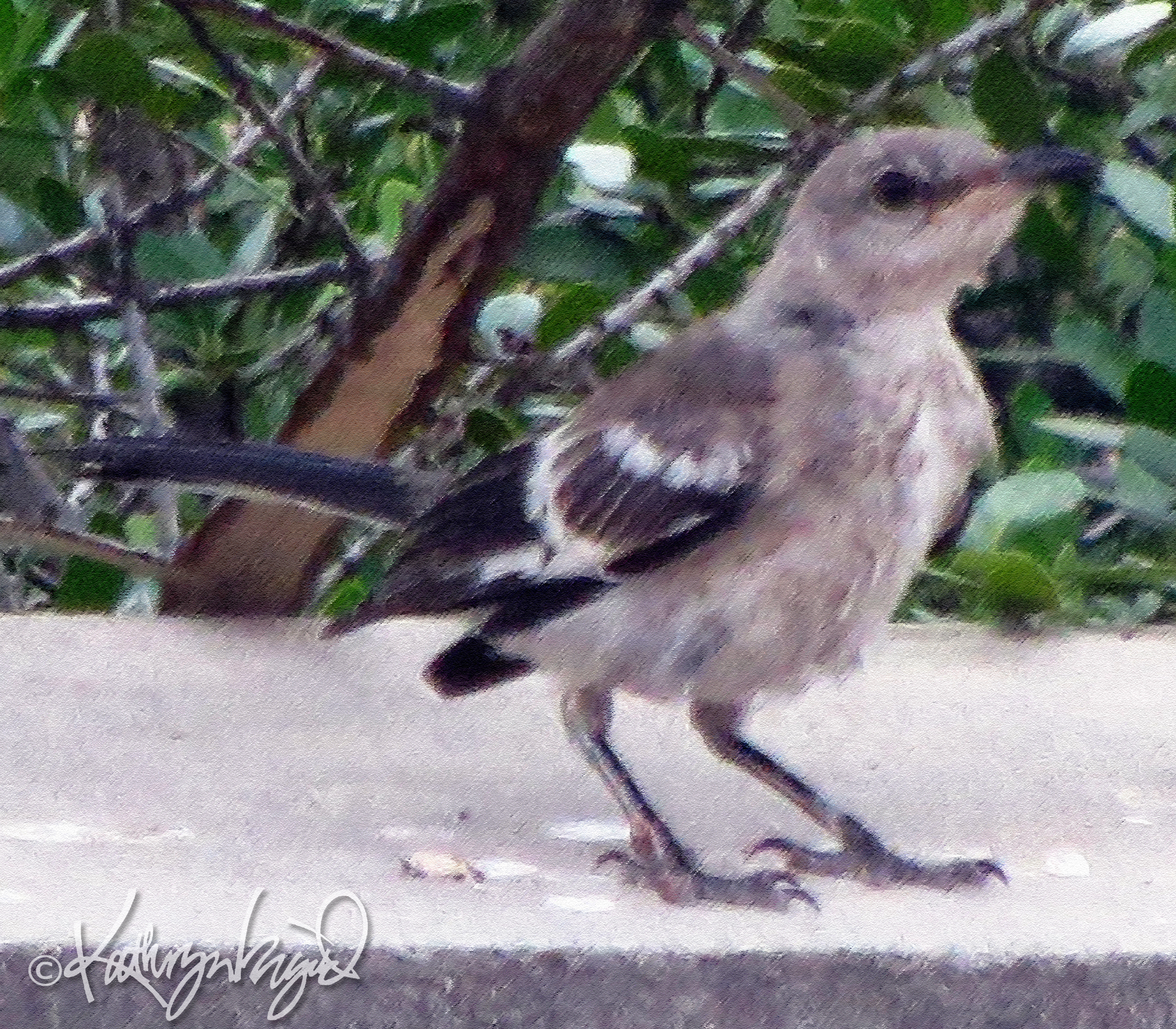
(* from the old campfire song Nobody Loves Me, Everybody Hates Me . . . )
 Most of us are taught from when we’re very small to avoid all contact with strangers. Don’t look them in the eye; don’t make friendly overtures, don’t speak to them, and don’t go running up and hugging random unknown characters. Above all, don’t accept the offer of candy or other lures from those who might turn out to be very lurid indeed.
All of that is mighty wise advice for little persons. They have no experience of the world, no basis for comparison or judgement, and no inner criteria to help them have a good chance of accurately assessing the situation. But when are we Big enough to learn that unfamiliar people are not only not all bad and dangerous but possibly in great need of any gracious and friendly contact they can possibly be given? When are we smart and experienced enough to realize that others around us are not always up to something nefarious or trying to sell us something we neither want nor need if they approach us out of the blue? When are we large-hearted enough to make a more hospitable evaluation of the risks or rewards in approaching the unknown with openness and warmth?
I have been told several stories recently that remind me of the opportunities that constantly surround us for making moves, both large and small, that have the potential to do anything from brightening someone else’s day to saving a life. Most of us fortunates have at some time and place in our lives ‘entertained angels unawares’–had a few of those moments of unexpected, extraordinary, beautiful contact with persons we didn’t know and understand that there are such agents in the world, even if we can’t immediately recognize them. Why not look for places where we can be those agents for no reason other than that we know from experience how powerful and life-changing, healing or hope-renewing, or just plain day-brightening such moments can be.
It is possible to be misinterpreted or rebuffed, true. But the vast majority of times that I’ve seen this sort of subversive joy-sharing happen without any ulterior motives, even if the recipient–sometimes me–is not altogether receptive at the outset, the end result is an astonished recognition that life is rather wonderful, that people, on the whole, are good and genuine and caring and fine, and that we have in our own small hands and hearts the astounding power of remaking ourselves and the world into better things by the simplest and least extravagant of means. A hug, a moment of patience where there has been tension. A donated dime or a pint of blood. A proffered packet of food or bottle of water that had been meant for something or someone else. Handing off the little trinket that was mine but that I can see another one admires or opening the box of treats I was saving for the family and sharing it instead with someone I don’t even know. Opening doors and assisting with chairs and lifting the parcel that’s too heavy for someone else.
They may seem tiny and insignificant enough. For those of us who choose to give them, they amount to easily made gestures. But insignificant? Hardly. For those of us who dared not, who may not have even known we could, ask–this one little mark someone offered to make on our day may mean, after it all, the whole world.
When the night is long and the day after it dawns dark and grim, sing.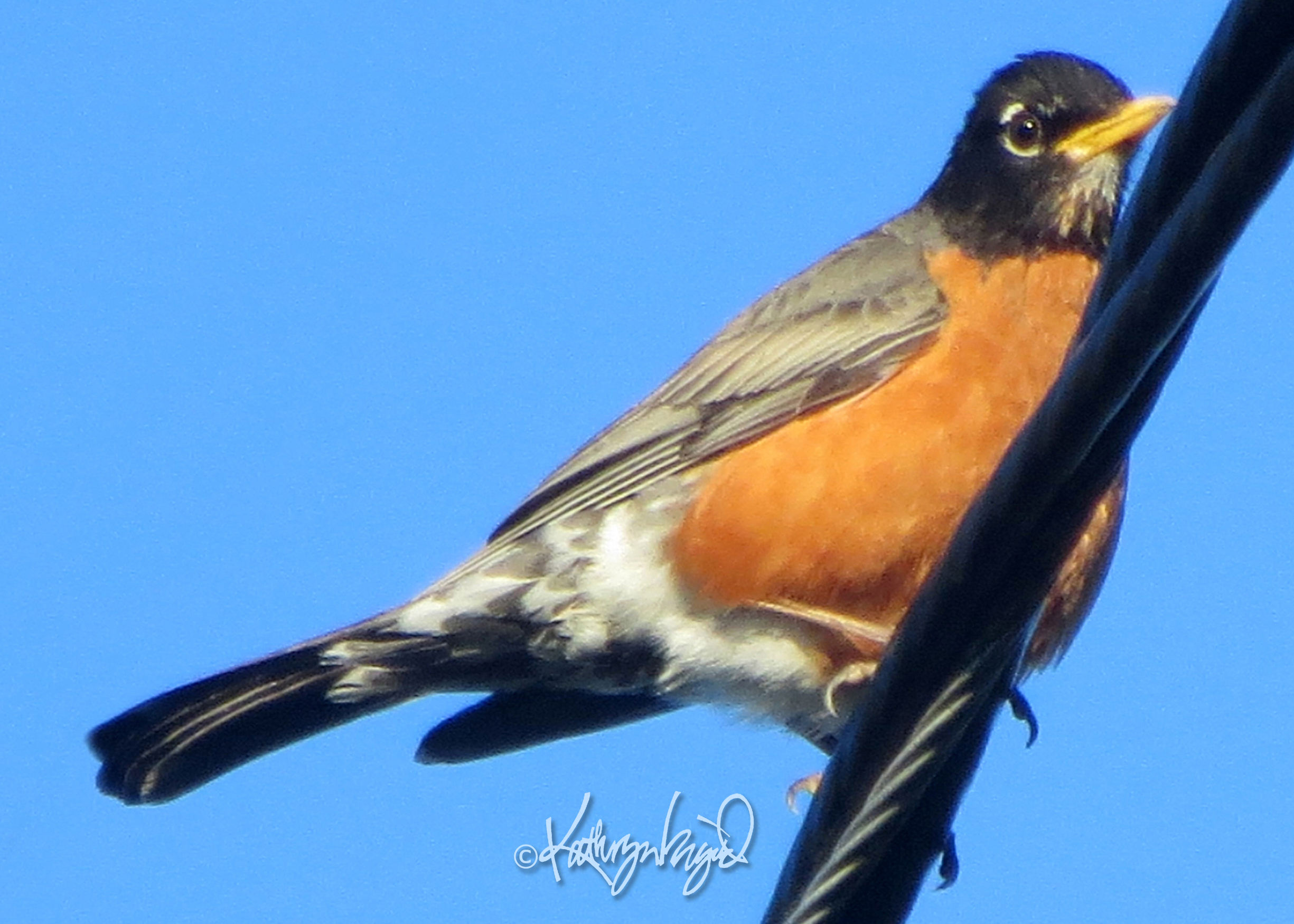 When winter is colder than the inmost heart of death and is finally supplanted by the least promising spring, empty of graces and starved for new, green life, sing again and sing out loudly as you can.
When age and infirmity and dangers of every kind are buffeting all the lovely youth and strength they can find in this sad world into terrible dust-devils of desiccated sorrow, sing with all your heart and soul and make the most tuneful, joyful, glorious prettiness that you can float into the air, and know that your song, no matter how wholly alone it may float up, is powerful enough to rise above it all. This is the only way that any of us will rise above it all. And that we will, so long as we sing.
 Art-Colored Glasses