Foodie Tuesday: Pie Eyed

photoSince we don’t always make a big deal out of holidays, my husband and I, and even when we do get the urge to celebrate we’re not huge sticklers for partying on the officially designated day or with the popularly traditional foods and events. This year we’re being a little more predictable, perhaps, by having a Thanksgiving gathering with eight musician friends. We’re doing our dinner on Wednesday rather than Thursday to accommodate schedules, but otherwise we’re being more predictable than not. There’s a big pastured turkey, spatchcocked and dry-brining, in the fridge and it’ll be accompanied by plenty of at least somewhat traditional sides and garnish treats, and most fittingly of all for this particular American holiday, we’ll have US-dwelling friends from the Netherlands, Estonia, Austria, Hungary, Puerto Rico, Canada and yes, stateside gracing our celebration with their presence. A great way to remember part of what’s best about this country and what I’m most thankful for–and not just on this holiday.

I’m going with pies for dessert. That’s the real reason for today’s post title, not that I’m planning on getting plastered to celebrate, if that’s what you were wondering. Ahem!

Apple pie, as any of you who’ve been around here for any length of time know, is not just a supremely suitable dish for the season but my spouse’s first choice for dessert any time there’s the slightest possibility of having it. Easy choice, clearly. Another thing that’s wonderfully fitting for the season and my tastebuds is maple syrup, and since we have a jug of gorgeous dark Grade-B-heaven maple syrup, a gift from another friend, just beaming at us with its heavenly come-hither look from the pantry, I deemed it a sign that I should get around to trying my hand at another pie I’ve long wanted to make, Tarte au Sucre. Here goes!

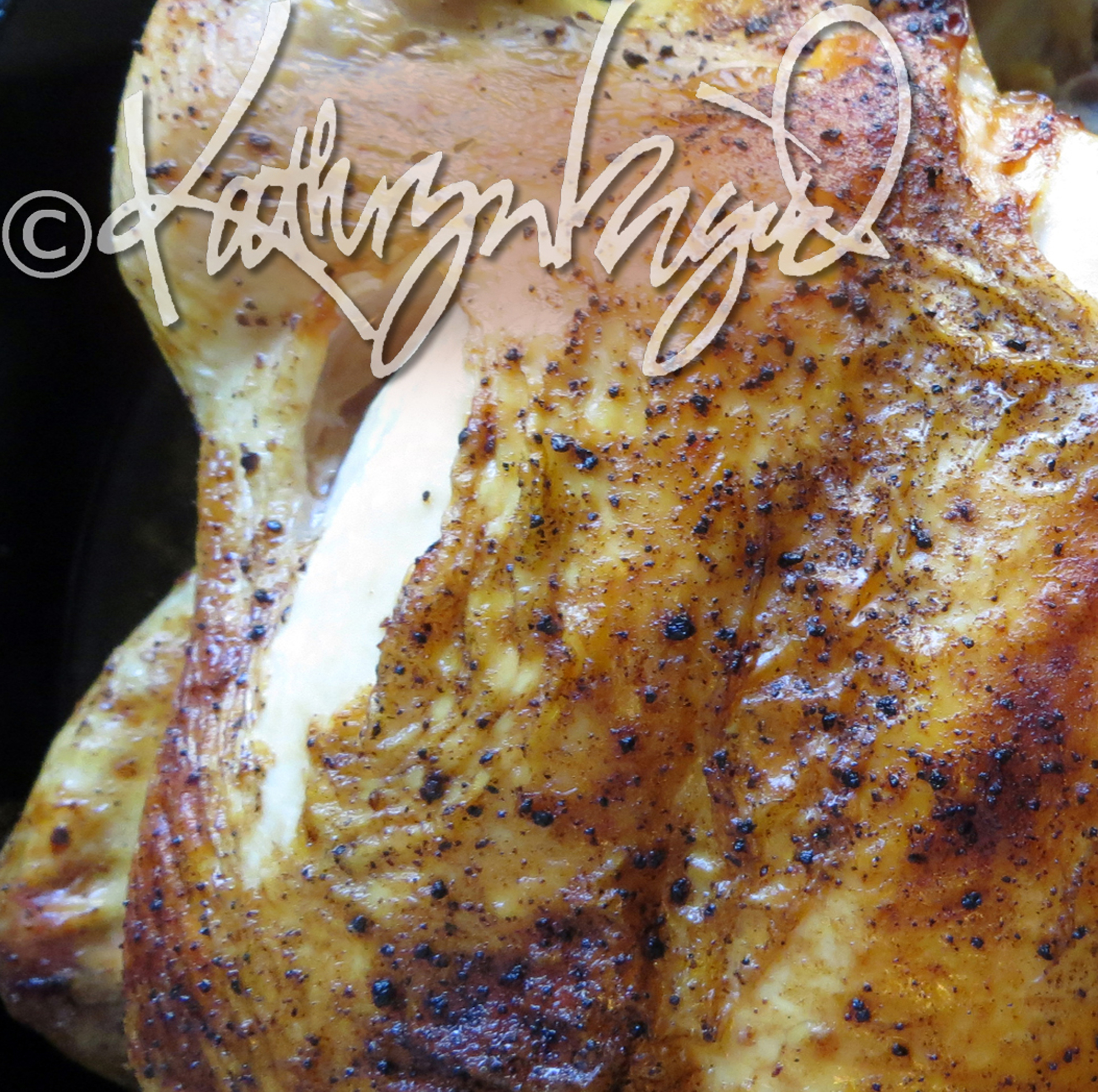
Meanwhile, there’s other stuff to get ready. Spiced apple cider is in a big pot, infusing at room temperature overnight until I heat it tomorrow. Potatoes are [literally] half-baked and will get finished on the day as well, smashed with cream and butter and a little salt before going to table next to the chicken-white wine gravy I put up last week and am storing. The appetizers of Gouda, homemade beef pate and crackers, nuts (including some Marcona almonds I set a-swim in olive oil a couple of weeks ago) and pickles–homemade beetroot pickles along with southern style pickled okra, green beans and green tomatoes–are all ready to set out as we sip some bubbly and cider for a start. Since the turkey’s ready to roast all I have to do is take that big, handsome bird out of the fridge and bring it up to room temperature right in the pan it’s in now and roast it on the rack of celery, carrots, apple chunks, cinnamon sticks and lemon pieces it’s been resting on overnight.photo
I’m using store-bought bread but will hope to have time to make our friend Jim’s southern corn bread and sausage dressing, so ridiculously tasty that when he made it for me the first time we two ate most of the batch which I later learned from the written recipe is meant to serve twelve. Not kidding you.

I’m keeping the vegetable sides exceedingly simple, serving steamed green beans with bacon I crisped up and froze earlier, plus sweet coleslaw, so those will practically make themselves, being so easy and quick. What the others bring, if anything, will be entirely a surprise, with the exception of one person saying she was likely to bring some pureed squash and cranberry sauce, either or both of which would be deliciously appropriate. All of this, regardless of whether anyone does bring more, means that we will very likely have heaps of leftovers, one of the true treasures of the occasion and certainly one of the reasons we give thanks!

I will share pictures after the fact–not much to show for the process that will thrill or impress you for now–but first I would like to share with you my wish that whether you are planning to celebrate this American holiday this week or not, you will all be blessed with immeasurable reasons yourselves to be thankful. As I am, indeed, thankful not only for my many other privileges and joys, but most of all for the wonderful people filling every corner of my life, including you, my friends in Bloglandia. Thank You!photo montage

Urbanity

There is a huge difference between the merely impressive and the expressive when it comes to modern cities. Rotterdam, once one of the glories in the European architectural crown, was bombed to dust in WWII and, given the poverty of post-war resources, was rebuilt in the following decades as a horrifyingly soulless, boxy blot of concrete on the face of the Netherlands. There is no comfort in knowing that the firestorm that destroyed the city was probably not planned as it happened but resulted from a perfect storm of another kind in miscommunications; the horrors of war are a long testimony to the potential for such devastation. In any even, it took Rotterdam ages to be revitalized into the place of energy and beauty that it is today. Why? What made it such a heart-stopping graveyard of a place when it had once been full of life and loveliness, and how could it ever come back to be something gracious and potent again?

There is no obvious single word that can express the massive destructive toll the bombing took on that city; annihilation is perhaps a close approximation, since it’s clear even from faded photos that the thoroughness of the attacks left very little evidence there had ever been a Rotterdam. I find it nearly impossible to imagine even when staring at proof. When my spouse and I visited the city for a conference even less than fifteen years ago it was still a sad shadow of its former glory, still dominated by 1950s-vintage blocks of affordable and utilitarian harshness that made me want to scream when I saw them in juxtaposition to the few tiny remnants of the beautiful architecture that had once filled the place.

The main reason that Rotterdam is beautiful once again, and that many other cities have, and some have never lost, such beauty is simple: architectural thought and distinction. Building what is cheapest and easiest to construct is a poor solution to lack of structure anywhere. Places that have never experienced the ravages of war, urban decay and other forms of damage and neglect in such extremes can retain the beauty and patina of urbane culture in their urban settings far more easily. Take Boston, Massachusetts, a city that has seen its share of ups and downs over time, but as one of the older cities in a young and generally untouched-by-war country, still has many of its older–even oldest–and most prized, elegant, distinctive buildings. Despite the expected problems of social unrest, economic up- and downturns, spots of urban blight and misdirected city planning that Boston has faced like any modern city, the knowledge that the architectural strengths it does have are worthy of protecting and preserving means that it was built as more than mere indoor space in the first place and that the character of the structures has as much value in shaping the city’s identity as do its great denizens.photoIt should be obvious to those of us wishing to see all of the world housed and sheltered in humane and useful structures and towns and cities that simply throwing up whatever is cheapest and most readily available is hardly more useful, in the long term, than just plain, well, throwing up on people. If we want others to live educated, healthy and therefore productive and admirable lives, we can’t stuff them into trash bins of buildings that, even if they don’t collapse under their own flawed ugliness, will never encourage their occupants and users to flourish. If we don’t intend to fill others’ lives with the vomitous garbage we ourselves would reject and flee, we must find ways to make good, practical, appealing design a mandate and not an afterthought or an unaffordable dream.

That approach not only makes living and working in tolerable shelter possible but nurtures the human spirit and pushes us all to better ourselves, our cities and our world. photo

Tulipomania Revisited

P&IHaving grown up in western Washington, where the largest bulb growers in the US have their fields, and spending my youth in the ‘Daffodil Valley’ where I attended school with tulip and daffodil farmers’ kids–and our town celebrated an annual Daffodil Parade with daff-covered floats and yellow-gowned princesses–I might be excused for having a penchant for bulb flowers, Tulipomania of my own sort. With a climate fairly similar to their old home’s in the Netherlands, it’s no surprise that the van Lierops and others of my classmates’ ancestors found the rich volcanic soil and temperate weather of the Pacific Northwest very welcoming as an environment for restarting their bulb-growing life stateside. The Skagit Valley, set in between where I spent the majority of my growing-up and the place where I did my grad-school growing, is one of the most fertile and spectacular places to go tulip-viewing in peak season outside of the fabled Keukenhof gardens.

All the more reason that it shouldn’t shock you that I have a teeny little meltdown of adoration when the Valentine’s Day displays of tulips appear in all of the shops. Here in Texas, however, and particularly with what I’m learning is typically a pair of widely separated and very short viable growing seasons, and only with a lot of attentive care, I’m skeptical that a large investment in tulip bulbs would be the smartest way to spend my gardening money. I think I shall devote more of my time, dollars and attentions to water control systems and hardy prairie and semi-desert plants hereabouts. But I’ll never stop enjoying tulips when and where I can. Knowing my eternally optimistic streak, I won’t say absolutely that there won’t be tulips in this transplanted Texan’s garden anyway.P&IAs you can see from today’s set of pen and ink drawings, it’s not only the brilliant colors and satiny textures of tulips that appeal to me, but also their form, and the graceful graphic beauty they lend to their environs. The first drawing above was made for the cover of the service programs for my sister’s wedding, when she very thoughtfully married a man whose parents ran a wonderful florist shop and supplied their Spring nuptials with a gorgeous rainbow of bright pastel tulips that burst with brilliance for the occasion and for many long days after. Thankfully, there was and is ever so much more to her man-of-choice and his family, but the tulips sure didn’t hurt! The second image came from a set of sketches drawn for a series of greeting cards meant to raise funds for a church group, and since I knew that the cards were very often sent as get-well wishes, condolences, congratulatory notes and other quite personal greetings, it seemed to me that there were few images that could supply the right note of kindness, cheer and gracious care than a bunch of tulips.

All of this is a rather roundabout way of saying that, though I did not (as yet) plant tulip bulbs, that vision in yesterday’s errand-running expedition all over town of all the shops being inundated with the life and joy of tulips got me salivating for garden goodness, so I wandered out to our back-forty (.04?) and, basking in another round of wildly inappropriate-for-February warmth, planted a bunch of seeds. What will become of them, I cannot tell, but I’ll keep y’all posted. Meanwhile, I am happy at just having stuck my fingers in the dirt with some positive purpose for a little bit and planted my little measure of hope.P&II’ve a fondness for so many growing and blooming things, but no particular mastery of helping them along that path, so I will fumble along with what I can. In the next few days I’ll tackle the spring grooming of some of the other parts of the garden, including the bed of irises I transplanted when I found them last year under the paving stones so nicely placed by our house’s previous owner and was astonished to see that they had refused to die there. Whether they can thrive enough to bloom after however long they were interred, I have yet to see, but they are already leafing out in their new digs happily, and if they don’t drown in one of our brief outbursts of heavy-duty rain before I can redirect the brunt of it off of them, they will at least provide their small oasis of green glory to the garden until the Texas sun beats them back into the hard clay ground they wrestled so innocently to escape. Not to mention that my lack of Master Gardener status means lots of things must fend for themselves bravely. That’s just the way things go here: plants must be as tough as they are attractive to get the green-thumbs-up from Mother Nature de Tejas. Or me.