I Love You Like Crazy

Acrylic mural: Tongue-in-Cheek, after Élisabeth Vigée-Lebrun It’s probably inaccurate in more than just the politically correct sense to say that I love my husband like crazy, because it would imply that my affections are only similar to complete madness, and we all know I’m much closer than that in reality. While I flatter myself that I maintain a reasonably plausible façade of normalcy, everybody knows that I’m pretty nutty about my spouse. And those who know him don’t blame me.

He really is a lovable guy.

But aside from the stuff that is evident to the general public, that part about him being a thoughtful colleague, a committed and skilled teacher, a nuanced and inspired conductor of singers and instrumentalists, and all that other excellent and admirable kind of thing, he is smart and curious and kind as a person. I know that when we are together, I matter as much to him as he does to me; that he is a safe retreat from both the minor perturbations of the day and the greater dangers of the wide world when I am in need. And I have in him the great friend with whom I would rather while away the hours either in intensive work or fully at play than with anyone else on earth.

Most of all, I know he not only understands my particular brand of craziness but shares in it as well. Each day, each year, is a surprise package of a kind, and every one of them is somehow richer than all of the foregoing ones as more than the sum of their many parts. Love and admiration and respect and support are all well and good, but if they don’t have the kind of holy hilarity that life with my partner has, they can never be enough.

With that, I wish my beloved the happiest of birthdays, and many more of them yet to come, each in succession with new and astonishing delights.
Enter Two Figures, Stage Right, Smoking

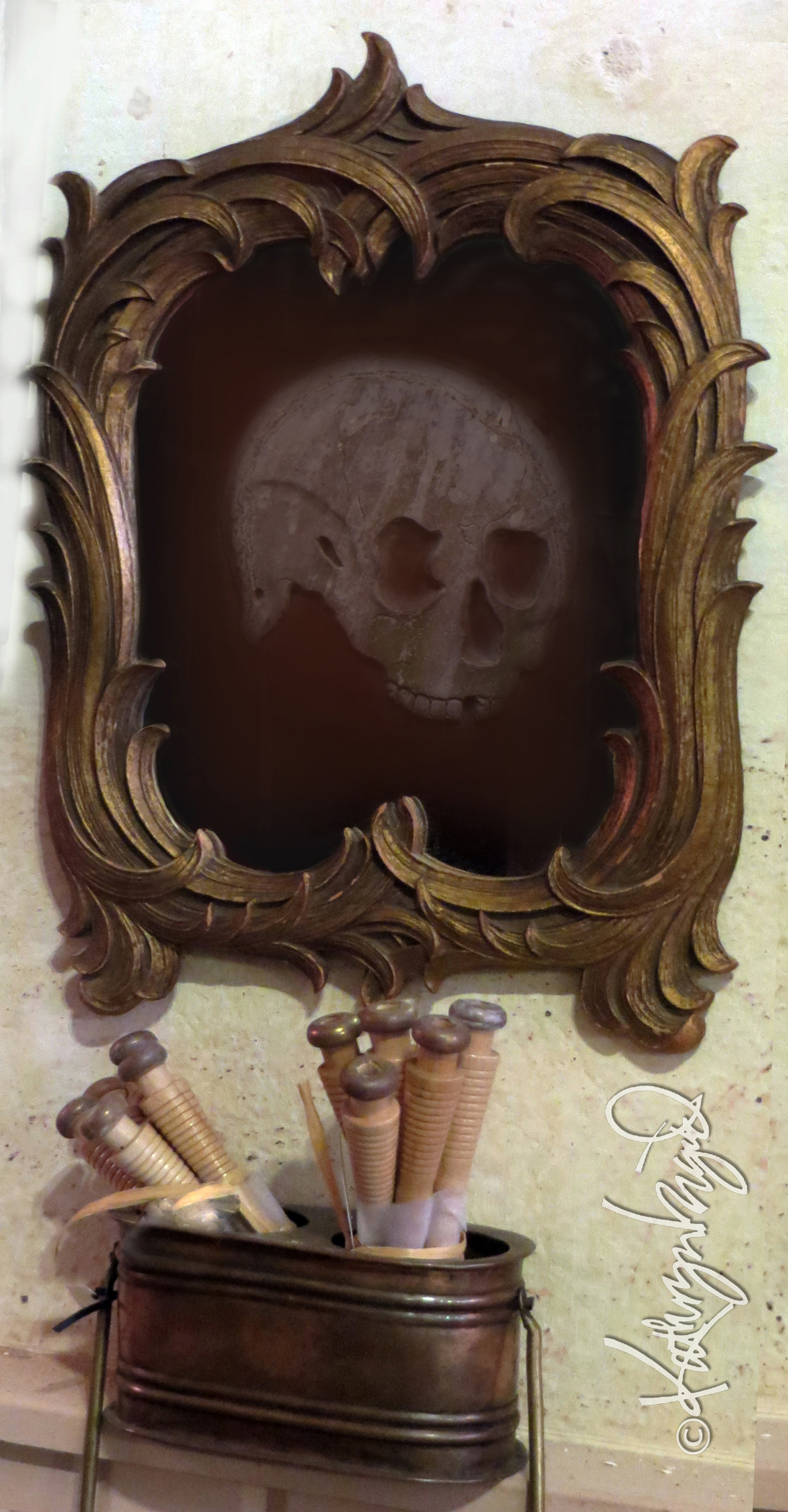
It’s weird, downright bizarre, to watch vintage film and plays and see hospital scenes where the doctors and nurses and orderlies are all puffing madly on their unfiltered cigarettes while earnestly counseling and tending their patients to make them all as healthy as they, their caregivers, are. To see those marvelously odd advertisements of yore with the top athletes of the day touting the energizing and strengthening effects their favorite brands of smokes give them. I watch such things with the same sort of astonishment I feel on observing the freakish footnotes of science as the pendulum swings back and forth with abandon, belying the idea that scientific discoveries lead to indisputable fact, or that even more outlandish concept, that once something is accepted as fact it would change how we behave.digital collageBecause what’s sincerely weird and bizarre, odd and freakish is that there are still millions of people, even many who will say outright that they believe smoking has been proven to be a health hazard, who smoke cigars, cigarettes and pipes, use snuff, or chew tobacco. I get the older folk who’ve been smoking since well before it was generally considered a given that it was a bad idea and likely to shorten or worsen one’s lifespan, knowing what a deeply addicting ‘treat’ tobacco is. A friend who was both a smoker and an alcoholic long ago swore that giving up drinking was absolute child’s play compared to kicking the nicotine habit. It’s those who, growing up in generations that predicated their smoking views on the premise of its outsized dangers, still choose to start smoking, that mystify me utterly. But then, I am amazed and flummoxed and otherwise mystified by anyone wanting to ride motorcycles without helmets, imbibe hallucinogens, run with the bulls, free dive competitively, juggle chainsaws, charm cobras, or any of that other adrenaline-junkie stuff.photoThen again, millions of people are bound to be equally agog that I would risk my health eating the way that I do, waste my time being an artist and writer, or be so stupid as to like any number of the things I enjoy and admire. Perhaps one day there will be a play or movie of my life, made for the sheer entertainment of people who like being shocked by my great idiocy and strangeness and find it hard to believe I survived to the great old age of fifty-two (or, hopefully, much more) with my inexplicable bundle of psychoses masquerading as the stuff that charmed me. I bow to you and take my leave, friends. I know that I shall die, but we can only guess which of us will get there first.

‘On Pouvait Dire . . . ‘

‘Ah! non! c’est un peu court, jeune homme!
On pouvait dire…Oh! Dieu!…bien des choses en somme…’

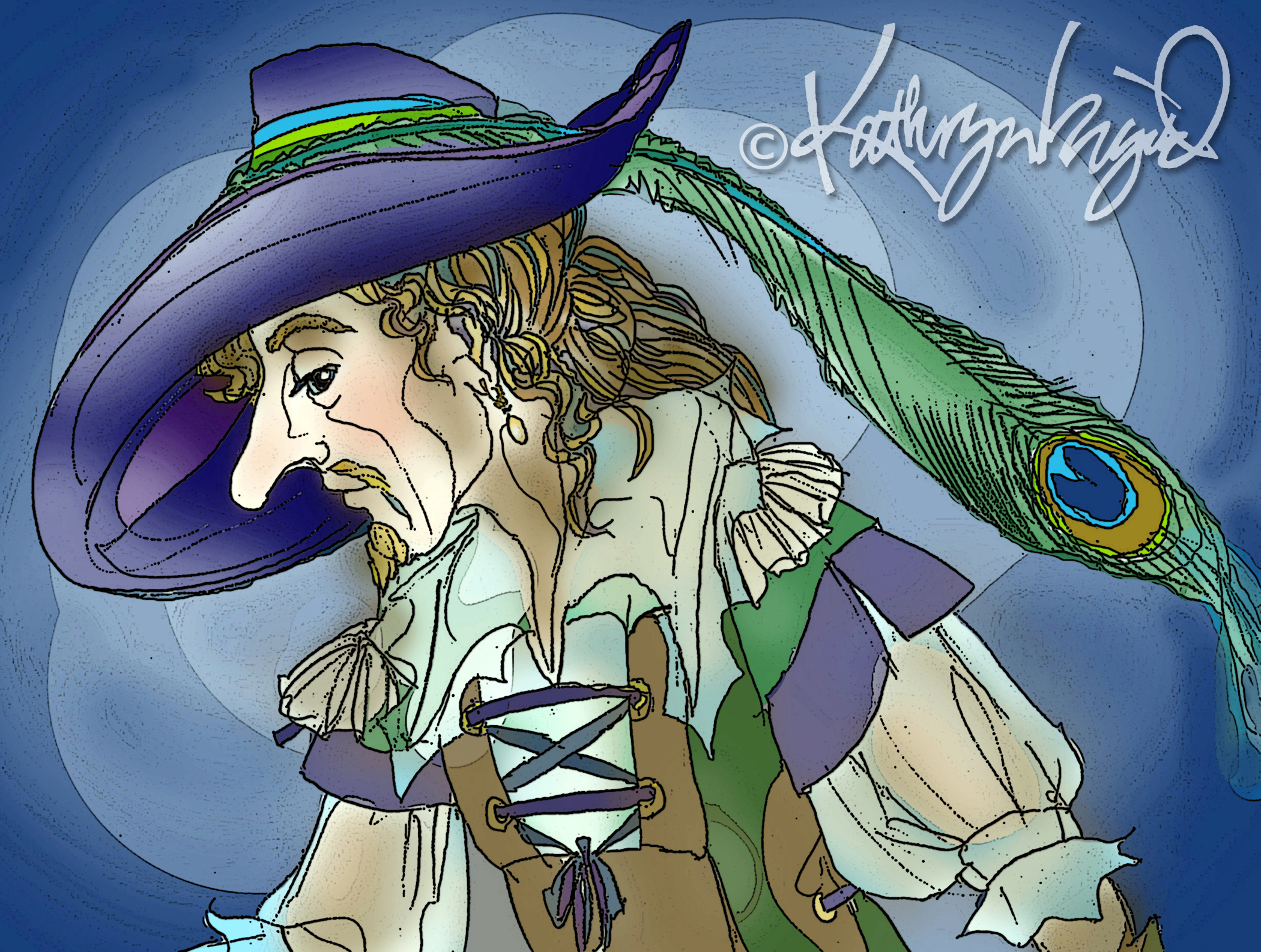
digital artworkWould that I had the miraculous gift of the silver tongue–it’s said that the genuine Cyrano de Bergerac, the writer and duelist enshrined in fiction as some sort of demigod of dramatic speech, was in life something quite near to it as well. As a youthful admirer of the romantic dream, I memorized Rostand‘s most famed soliloquy of Cyrano’s (in English, naturally), but what remains after so many years have passed is not so much the poetry of his slick speech; it is instead a deeper sense that for all my staring at his nose along with everyone else I managed to miss the point.

The story is told in fictional form to so exaggerate the majesty of his nasal promontory that all we see in most readings and performances onstage is a caricature or cartoon man, led by a nose of bowsprit proportions and foolish improvidence to oversized action and wildly improbable joys and sorrows as a result. These kinds of things do happen to real people in real life, of course; even the real man behind the character was larger-than-life in both nose and existence, according to what we know. He did, if his contemporary portraits are anything near the truth, have a substantial prow, and we have his writings–satirical pieces to classical tragedies–to prove that his wordplay was quite substantial too.

But what perhaps ought to be said of him–whether real or imaginary–is that he was a bit of an outsider by virtue of looking Different, and his response was to fight for respect, both with his rapier and his rapier wit. [Given the historical man and the possibility that he was (not surprisingly, given the era and culture and his reputed exploits) syphilitic, he may well have experienced life completely without a nose if he lived long enough.] It’s easier to label and classify others on the basis of unpopular appearance or differing from the currently decreed norms than it is to cultivate what we have in common. Yet we can learn from some of our outlier counterparts if we will stop, for a moment, being so mesmerized and distracted by what makes them seem unlike us, what it is that we have and value in common. Best if we do that before losing the duel.

Though at least, if the duel is purely verbal, there can be some entertainment inherent in getting taught a lesson. I can live with being the unarmed woman in a battle of wits, as long as I get to keep living long enough to laugh about it. I may not be a genius, but that, my friends: c’est mon panache!

I was Going to Write the Great American Novel, but I Looked out the Window for a Second and . . .

My attention has drifted awry once again,

Has shifted from matters of weight among men

To things of no import, exceedingly tiny

And so insignificant–Hey! Look! It’s shiny!

I set out to do some magnificent thing,

But what it was? I can’t remember. The sting

Of memory loss in old age will be naught

Compared to the blank Inattention has wrought,

Distraction, and phantasmagorical dreams;

To focus and think is more work than it seems,

So, though I’d meant well and begun my great task,

My progress dried up like a sot’s whiskey flask,

And instead of inventing great stuff, plodding darkly,

I did something else–Hey! Look there! Something sparkly!

mixed media on glass

Look! Up in the air! It's a bird! It's a plane! Hey, it's my attention flying way off course again!