What’s Fast is Prologue

photo

Now you see it, now–hey! Where’d it go???

If everything in our lives that’s already happened is merely setting the stage for what is yet to come, it’s no wonder I sometimes feel like I showed up for a pop quiz so totally unprepared. It all flashes by so danged quickly! How am I supposed to get the hang of any of this stuff when life refuses to go at anything but breakneck speed? I’ve heard people respond to others’ staring with ‘take a picture; it’ll last longer’–but it’s the fleeting joys that really tend to stick with us, little and ephemeral, indescribable and irreproducible glints of pleasure often more than any sort of historic events. I guess I’ll have to settle for my usual method of buckling up and hanging on like crazy while it all whizzes past at life-speed.

photo

No time for nostalgia, everything is going full speed ahead!

Wonder


photoThose things that I can see even with my eyes quite tightly closed are objects of reverence and awe. No matter how much I admire the visible world for its quirks and art and prettiness, I cannot always navigate it with precision. I often can’t recognize faces out of their expected contexts. I miss obvious details that people around me have noted with nonchalance. I fail to see the marvel in many a beautiful everyday thing.photoSo when the attractions of anything are so intense that they live, beyond existing in the visible world, within the depths of my mind’s eye, I accord them special significance. They become icons of a sort, or waking dreams. I can carry with me those images that hold their places in my soul with something stronger than mere physical presence can ever begin to attain.

Regaining My Memory

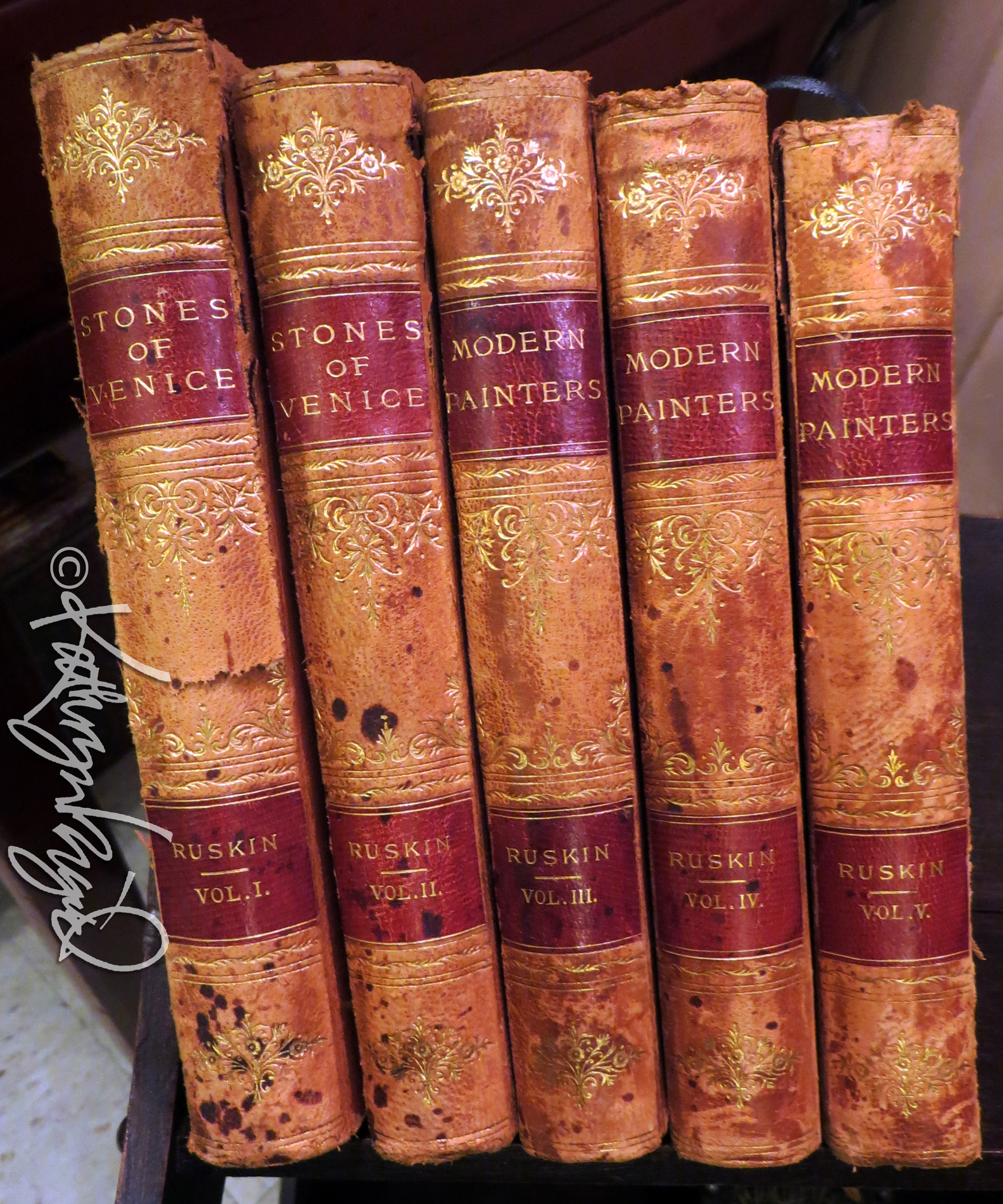
photoAntique Finishes

The lovely grain of quartersawn oak

With age’s silk patina glows

And hints of many-storied lives

And past events nobody knows;

The ghosts and gossips of days gone

Are whispered in the cupboards’ glassed

Door fronts; the table’s curving legs

Bespeak its long, mysterious past;

In the looking-glass, the passage

Of the hours and years is blurred

By antiquity’s sweet singing

All the stories ever heard,

By the voices of the missing,

Of the dead departed wealth

That once filled these halls with magic,

Now reached only late, by stealth.

If antiquity should call me,

Siren-like, to take a look,

Once more in my soul I’ll draw it

From the pages of a book . . .photo

My Baroque Gesture

The first time I heard Early Music performed in period-appropriate style I experienced, not surprisingly I suppose, a full mixture of amusement, bemusement, mild horror and deep curiosity. It was in a performance of Claudio Monteverdi’s seminal opera Orfeo at the English National Opera; I was a mere college stripling who had probably not even heard the phrase Early Music at the time let alone known what it might mean, and ‘performance practice’ was in something of a time of transition. Anthony Rolfe Johnson sang the title role with, if I remember properly, a rather nice overall sound, but a straight-tone and senza vibrato style and a strangely stuttering kind of ornamentation that might well have been an authentic recollection of the opera’s original character and an accurate and historically informed version of the way it would have been presented by its composer and first performers. I, having never been taught such things, merely heard sounds quite foreign not only to my ear but to my concept of skilled and artful performance, let alone prettiness. I do remember thinking that either this was all far over my head (entirely possible) or it was a pointless and poor imitation of what the ENO imagined the average amateurish opera company of Monteverdi’s day must have been capable of doing (less likely), or poor Mr. Johnson, who later went on to receive his OBE, just plain wasn’t up to the job despite a naturally pleasant voice.

Years later, I may not be much smarter than the young squirt of those days, but I’m far more experienced and have heard worlds more music, both the great and the terrible and, of course, a massive quantity in between. And I’ve been taught a thing or two about the fine points of what is beautiful and magical when it comes to singing or playing with any amount of vibrato–or none–and the many elements that combine to create tone and color and variety and character in a performance. I’ve learned some useful stuff that changes how I perceive both the level of virtuosity in playing or singing and its aesthetic appeal, two aspects that do not always coincide in my ear, mind and heart but when they do, that combine to create a kind of joy that is virtually unattainable in any other way.

When my husband conducted a production of Orfeo over a quarter century after the first one I’d heard, I had a whole different understanding and appreciation for what the many performers were doing and why the stage director would expect them to do so both from a visual standpoint–training them, along with other coaches, in appropriate ways of moving and posing and gesturing as well as in those of vocal ornamentation, since she is a superb and well-trained Early Music singer herself–and an historically suited musical one. Just as there are countless styles and types of music known to us nowadays, which you can multiply by the number of individual teachers, performers and audience members to get a rough sense of the variety you’ll encounter, there were historical strictures and structures and stylistic trends and ideas that shaped earlier generations (centuries) of music and musicians and listeners, and while some have perhaps remained relatively unchanged since their inception, many more evolved over the ages. Our expectations of music have certainly changed, and our guesses as to how it was first conceived and perceived are only as good as the lines of scholarly inquiry and oral tradition can attempt to make them.

In all, it makes rich fodder indeed for both the ear and the imagination, and I for one am mightily pleased that I have had the opportunity to live a life immersed in all kinds of music and to learn along the way. I still like much of what I heard, whether ignorantly or not, in my younger days, and much of what I like now I learned to love along the way. While my form may be far from historically accurate or artistically impressive, I will still happily bow and curtsey to all the musicians who have shared their gifts with me in my life, and to all of those who work and are inspired to play more, to sing onward.graphite drawing

Ghosts of Our Former Selves

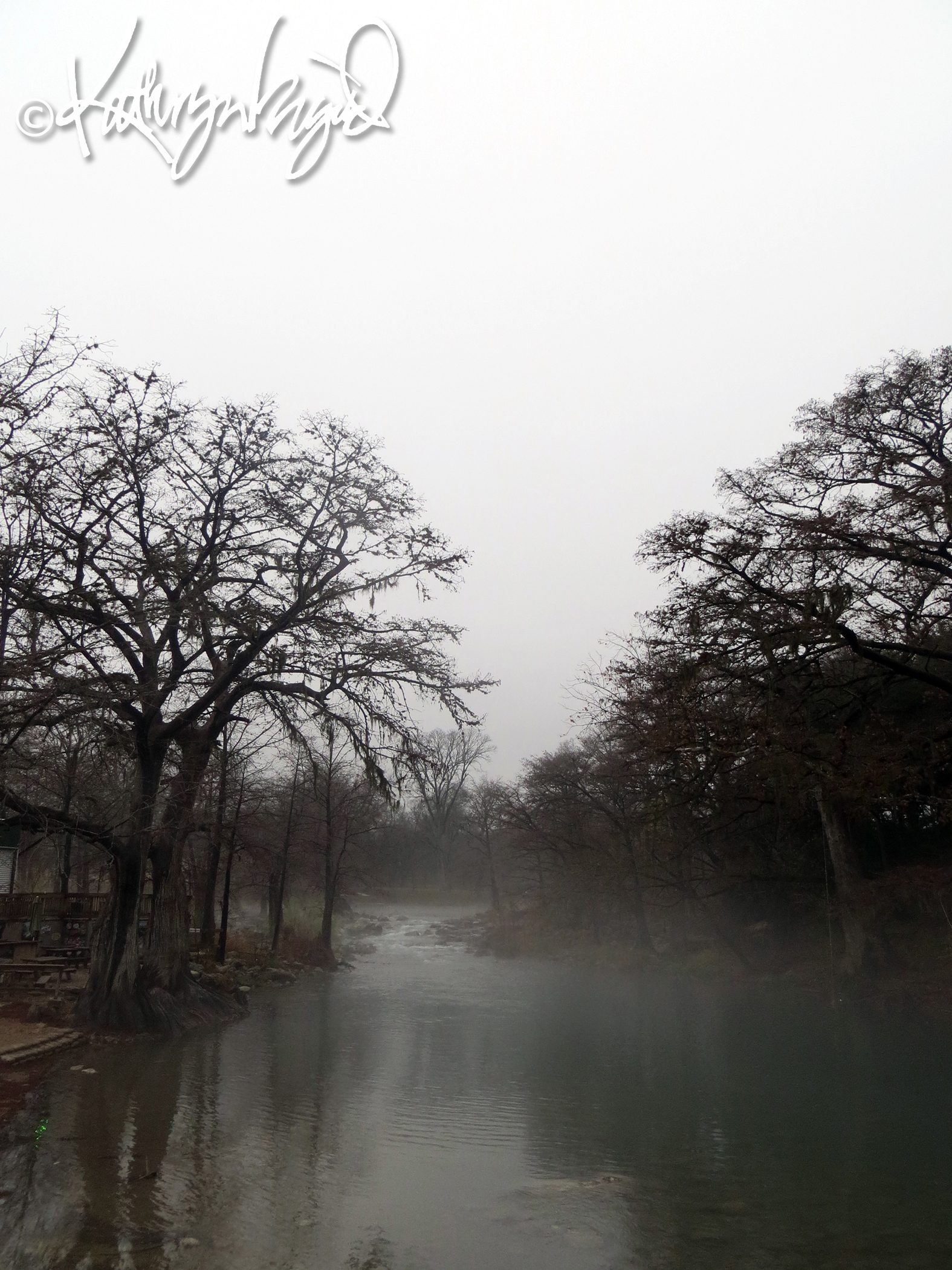
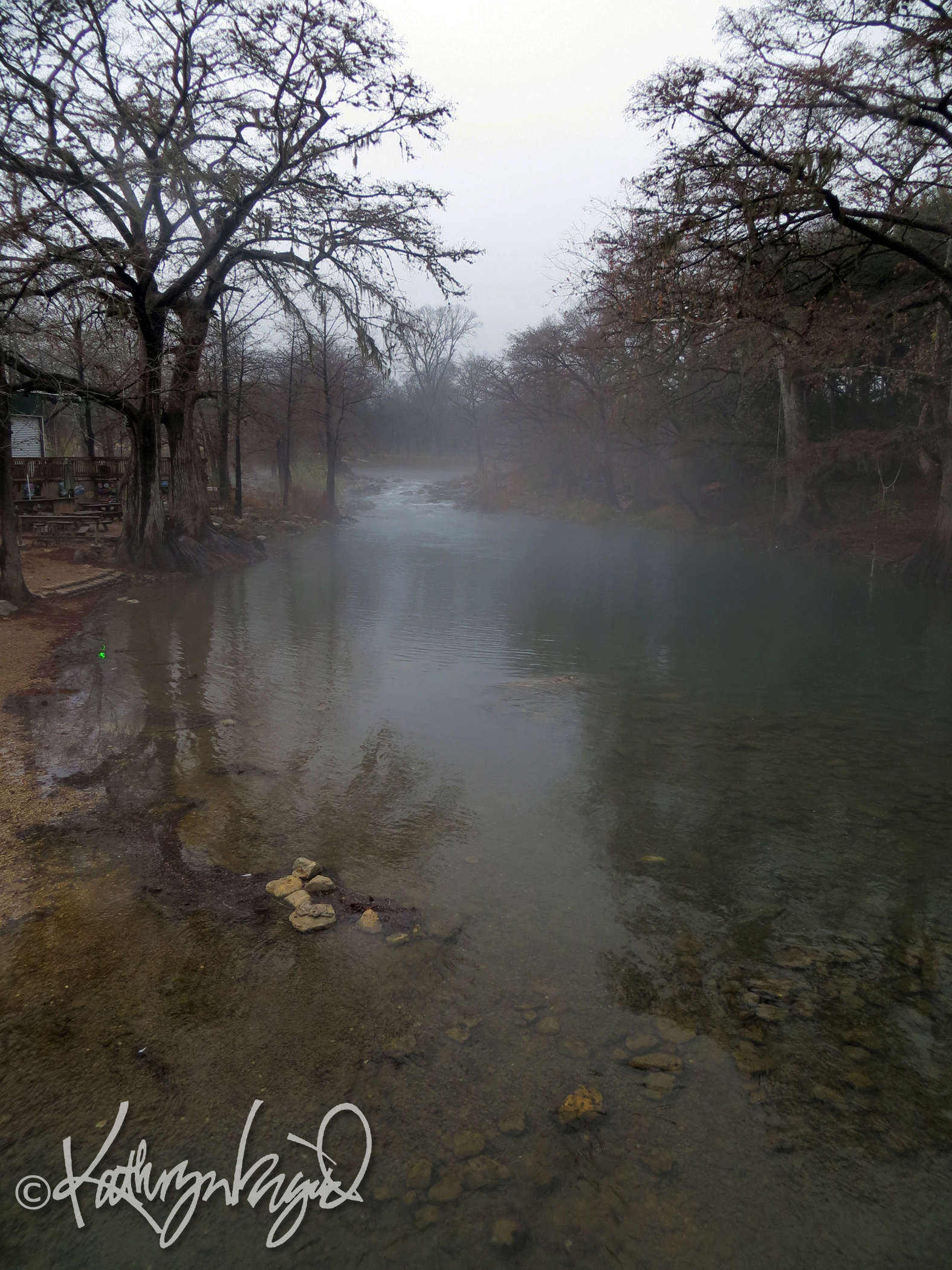
photoDaybreak Returns

From the grasslands, from the marshes, from the margins of the moor

Rise up misty ghostly creatures in the pearly light of dawn,

Some mementos, revenants or sylph-like spirits past and gone

To the brink of ancient memory and up to its creaking door,

People whom we, fond, remember or with some frisson of heart,

Those who populate our past, storied as fabled gods and kings,

Filled with magic and wild treasure and a million pretty things

That we wish we might have honored as such value from the start—

So at daybreak they come whispering, returning, silver-grey

Without tarnish in their sterling, as they rise up in our sight

And return to us those memories had fallen into night,

Bringing back that love and loveliness of theirs to present dayphoto

Hijacking Happiness

digital artwork from a drawingTrouble, as we all know, is highly contagious. I was reminded of this recently both by a television character and by a couple of real-life incidents involving real live people (who shall here remain nameless), and all of them, real and fictional, have a number of similarities, the chief one being their apparent unshakable belief that their suffering is greater than anyone else’s, is incurable, and is probably the fault of everyone else too.

My life is pretty fantastically good, when you get right down to it, so to people who don’t know me very well it might appear that I have no business criticizing anyone else’s way of handling sorrow and pain. But that’s just it: even the most wonderful of lives is touched by trials now and then, and struggle or strife isn’t fairly measurable in the moment. My paper cut seems as dire as your childbirth pangs when I’ve just gotten paint thinner on my hand. I know this to be logically ridiculous in the extreme, but don’t tell me the paper cut doesn’t hurt like boy-howdy at that moment. That would be tantamount to me telling you that since your labor pains will probably be over in short shrift, they don’t compare in any way to another’s battle-for-life with esophageal cancer, so you should just get over yourself. Whatever agony each of us is undergoing is more than enough and not to be belittled. And frankly, since each of us has a history that is tinged here and there with darkness, we do all have a sense, however small, of what it means to accept our griefs and cope with, live with, and go forward with them still present. Real sorrows never truly go away.

And for all of us who can feel empathy, or even more than that, can feel sympathy without having experienced the fulness of another’s troubles, life after infancy (when memory, like the lifespan thus far, is short) can be a perpetual bombardment of such troubles even when they’re not entirely our own.

I, of all people, will readily grant you that some people are far better equipped than others to find ways to survive pain and suffering and to continue living a full life without resorting to out-and-out acting. But that’s just it, isn’t it: barring full mental incapacity, don’t we owe it to ourselves, anyway, to try every possible avenue of becoming whole and happy (and of course I don’t mean that superficial kind of happiness that is either fully false or simply stupid); don’t we? When my personal apocalyptic horsemen appeared at the intersection of a group of the classic stressors (job-related problems, health challenges and the sudden death of a close friend converging on me at the same time) and plunged me into clinical depression, I was fortunate to not only have some of the significant tools (support from family and friends, a great doctor and a good therapist, and ultimately, medication that worked for me) for doing battle with those monsters but also the sense that there was no other acceptable option but to try to do that battle.

I won’t lie; there were times–and will probably be more of them over the years–when I did have to take the tack of that ‘fake it till you make it’ mode, when I simply wanted to quit and lie down and just hope it would all miraculously fix itself, or when I was as sulky and whiny and crotchety and pessimistic and tedious as unhappy people can be. We humans are good at all of that stuff, better than at being sunny and charming. But finally, even in my worst state I knew that was no way to live, and that the important people around me would suffer at least as much as I did, if not more. Thanks to the aforementioned helpers, I am here to tell the tale. More importantly, I don’t dwell in that darkness, even though there’s not much I could prevent or even fix about the troubles that led to such a state of existence. Things just happen. It’s how I deal with them that’ll likely make or break me.

That television character–and the many real-life imitators I referenced–stays so focused on how traumatized and maltreated she feels (albeit by genuinely distressing events and problems) that they become her one-note existence. She has a hard heart because it seems less trouble to close it to others than to be vulnerable to further hurt, but of course the actual effect is that she treats everyone around her like dirt, riding roughshod over their feelings and regarding any trauma or maltreatment they may suffer, often at her hands, as inferior or nonexistent. In turn, after being stomped on repeatedly by her seeming egotism, narrow-mindedness and refusal to set her hurt aside, the people around her disperse as speedily as that unlucky drop of water hitting a sizzling skillet explodes into mist. Those who tolerate her constant vituperation, impatience with their perceived stupidity or lack of sympathy, and her seeming wish to continue forever wallowing in her fury and self-pity, those characters ultimately become uninteresting or even unsympathetic themselves to me; after the ninety-ninth offense anyone sits back and takes without a fight, they tend to my eye to look like either enablers or equally fixed in victim mode.

I think we all have the power to steal others’ health and happiness, at least as much as the reasonably healthy among us should make every effort to take charge of our own. Doesn’t mean perfection is expected, but c’mon, people, if there’s really no going forward with life, perhaps a retreat to a very quiet hermitage would be more apropos than imposing our worst on the rest of the world. Yeah, I said it: get over yourself, Kathryn. Even if it might occasionally require brief periods of kindly deceit, times of returning to fighting off the dark singlehandedly, and the ordinary moments of being a jerk. It’ll mean equal demand on me for repentance, amends-making, and getting back on the wagon. There’s too much life left ahead, I hope, to spend it mired in a grim and terrible past, let alone impose it on others.

The upside of all this is that there is a possibility of turning this kind of thievery to good. Very simply, if I have to I can borrow my equilibrium and contentment from others. Put myself in proximity to saner, happier people than me until I can manufacture my own, and quietly absorb what I can of their good graces. I, at least, don’t want to be the one who steals the joy of anyone else; that only becomes the reason for new sorrows all ’round. Happiness and health can be contagious, too, if we let them. And so we all should, my friends. So we should.

The Waiting Game

Life as we know it in the present day is characterized as a hurry-up-and-wait proposition. We tend to bemoan the pressures at both ends of the spectrum with something like a sense of martyrdom, thinking this push-pull unique to our era. But it’s always been so. One only has to study a smidgen of history to recognize the same complexities of speed and sluggishness, and note the same anxiety regarding both, in our predecessors.

Now, I’ve never been pregnant or had a child of my own, but I have it on reliable authority that that process is rife with opportunity to experience the perfect distillation of both forms of anxiety. I can say, from my years of babysitting and cousin-watching and then a couple of decades of teaching, that regardless of the legal or moral or biological relationship, the ties we have with those younger than ourselves bring out such parental fears, anticipation, dread and excitement with greater intensity than pretty much any other kind of connection can do. Terror and hope will always intermingle in the heart if we have any concern for the young, filling the stasis of Waiting from the moment of their first cellular appearance and well beyond into full adulthood.graphite drawingLife and safety and comfort are all such tenuous things, it’s a wonder we don’t all burst into spontaneous flame from the sheer tension of our worries and our desires. The only assurance we have is the history demonstrating that our forebears somehow survived their concerns over us, and theirs in turn for them, back into the far reaches of historic memory. The tipping away from apprehension and toward faith in what lies ahead is the gift that enables us to wait, no matter how illogical and impossible it may seem.

Treasure Knows Neither Time nor Place

photo

A memory-driven image by my great-uncle Rolph Bolstad . . .

I have been scanning and digitally restoring a number of photos out of our family’s trove, a heap that resembles the disorganized and neglected stores of many other families. I make a small dent in the stack from time to time, then get distracted by everyday life and often don’t revisit the project for quite a while again. While many of us obsess over parting with beloved memorabilia of any kind, the truth is that the majority of us don’t do much with it when we have it.

All good things are that way, I suppose: love, joy, peace and happiness of both the material and the intangible sorts are seldom given their full respect when we have them, only mourned when we think they’re out of reach. And from what I’ve seen and heard from friends around the globe, this is a foolishness that transcends all sorts of differences and makes us more alike than not–no matter what our location or culture, our beliefs, hopes, and dreams, we all seem to wrestle with this forgetfulness about appreciating what we truly value that we have right in hand, and the minute that we suspect we’re about to lose our grip on those gifts, whether by our own decisions or perforce, we get panicked and become certain that it’s a sign of apocalypse. Surely the end of our own self and sanity, and very possibly, that of the universe as we know it.

I come across that box of yet-to-be-scanned photos from time to time and get a pang: what if I don’t get back to this project before I forget who’s in the photos, where the shots were taken, before the images are too faded or decayed to be rescued at all?

Well, what if?

Honestly, I know full well that it will not be the end of the world. Not even the end of my pleasurable revisiting of those memories–what’s more significant than retaining this flimsy physical repository of memories is whether I use the versions of them in my head and heart while they last (head, heart and memories, all three). Once gone from there, the data held in a picture is only cold, meaningless data after all, and it never contained the warmth and soul of anyone or anything depicted in it. It’s merely a shadow-play version of the husk that is my human form and will no longer be me when I die.

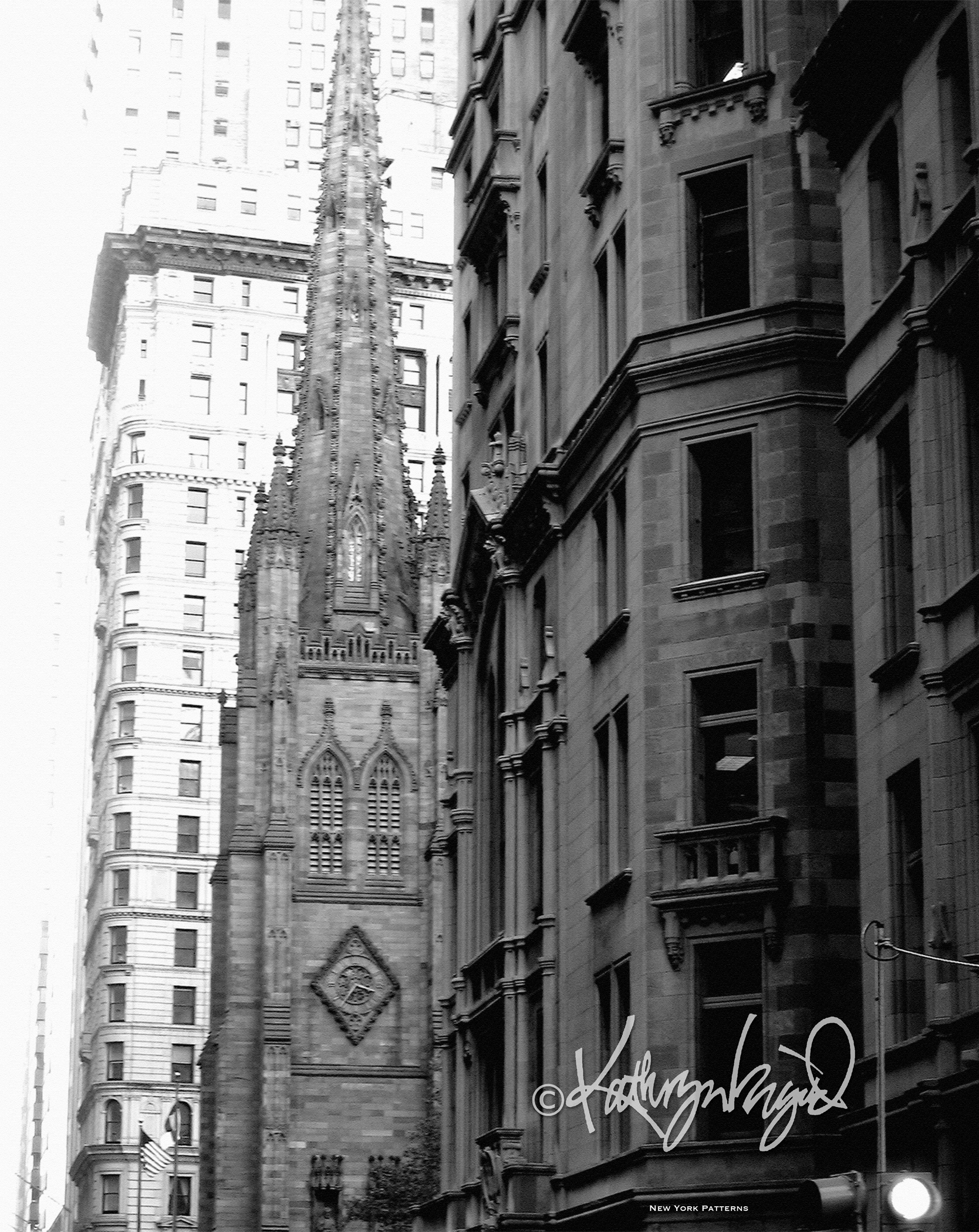
So I’ll keep leafing through these paper and binary mementos of mine as long as it pleases me to do so, remembering mostly that what is seen therein is always more beautifully carried inside me. Change is indeed the only constant, yet in the photograph my great-uncle took, probably in Johannesburg, around sixty years ago there is the ephemeral prototype of the photograph I took in New York less than a decade ago. Fifty years or fifty centuries, it matters little if we learn to respect and rejoice in what remains true and crosses the boundaries of place and time as long as we keep it alive inwardly.

photo

New York City lives in my own memory as much as in a physical place . . . its beauties, like all things loved and valued, lies in me, in others’ hearts, far more than in itself or any image we can conjure of it . . .

Vita Brevis! Carpe Diem!


digital collage

Let us mind our history lessons, each of us . . .

There’s nothing like sorting through one’s personal archives to stir up the notion that life’s short and memory shorter. Go through the files of family photos, yes, and there are ghosts staring back at me that I never even knew, let alone can name or place without my mother (perhaps my grandmother or great-) on hand as reference. How many thousands of stories have I ignored or forgotten among only the few handfuls of fading images I keep boxed up in storage, I wonder?

Delve into nothing more exotic than the household files, meaning only to rearrange what’s there more neatly and perhaps cull a few records that are far out of date, and I find I am plunged into a well of information that, even in those records and bills and receipts not older than a year, escape me like ephemeral puffs of ether as I try to grasp what they meant or why they were recorded in the first place. An atomic cloud of ideas and ideals sprays out of the folders that I thought would only hold a few needful numbers, a name or connection I must think I needed at tax time or on my next appointment with the named practitioner. Stories trail out in smoky wisps.

Reach back into the recesses of the cupboard or closet, hoping to simply rearrange my goods for daily use, and I always discover that my tidying has turned archeological, that items long forgotten lurk in the shadows and recall to mind grand plans since erased: a superb meal here, a skirt to hem there, a pint of paint bought specifically for a project that has lain neglected so long that the other parts were used eons ago for something else entirely. My life is a tale of constantly shifting shores, tangents taken and those unnoticed ones that might have led me in a completely different path to who-knows-where.

What is my legacy? I cannot know, other than that it is short and small. My life’s story will disappear in a hiccup about as soon as I shed my human shell. But in the meantime, what adventures can I take? How shall I flesh it out to my own satisfaction? That is the time of relevance to me, not history past or future but my own small window of experience. Shall I forget the stuff of my life long-shelved, my ancestors, the wide unfolding scenes of history and space? Oh, no, never by choice. But what will shape my happiness the most is none of that, is rather my living in this moment, possibly with a tidier cabinet here and there or a better sorted box of memories to visit from time to time, yet always with an eye toward the light, toward the rising and setting of the sun. Day in, day out, forever.

Life is astoundingly brief and runs away apace. But grasping the essence and ecstasy of any day need not be gigantic in its way, only enough to fill an undemanding heart with some small measure of contentment that might overflow, only enough in turn, to run out toward another heart or two.


Fishing Expeditions

digitally painted monotype

I *know* I came in here for something . . .

Even those not in my Age Group (i.e., old) have had that irritating experience of going into a room and having no clue on arrival what they intended to do once there. I just have it more often than most. I’ve had it more often than most since (ironically) before I can remember. Thank you, short attention span and daydreaming obsession. But I’m kind of used to it, even if it’s still a little frustrating in the moment. I just have to go on lengthy mental fishing expeditions to try to recapture those slippery thoughts that had swum on through, not stopping quite long enough to satisfy the need of the occasion.

Surely I have mentioned here more than once that I have made many an artwork with fish as topic or, often, as random interjection. The piece above followed my work on a series of icon-like works, so it started out as yet another saint-with-a-halo sort of thing, but then these fish came jumping into the frame and suddenly the whole storyline veered off in a completely different direction. So I guess it could be said to be a perfect self-portrait in that way. Then again, maybe it’s still a good metaphor for a so-called Saint, since from what I’ve read and heard and been told, very few of them ended up doing ‘what they came into the room to do’ in life, but rather got knocked off course and went on other tangents.

That’s reassuring in its way, but it doesn’t fix my problem of forgetfulness or lack of focus, now, does it. There’s certainly no surprise in our forgetting a thing or two over the course of a lifetime. The batik-like little image below (with fish as its subject, in another shocking development) is not only a picture of a sort of trademark type of tale but also has my characteristic style of line, textures, and composition. But darned if I can recollect when, where or for what purpose I made the piece. I would not have known I had made it if it weren’t for finding the photo of it when it was hanging on the office wall of a company for whom I made a salmon-centric exhibition because they had a facilities grand-opening celebration in which they wanted to emphasize their commitment to saving the native Washington salmon runs not protected by similar companies’ practices. Oh, yeah–that was why and when I made the work. What happened to it later is another question, though the company did end up buying a handful of the shown works to keep in their buildings after the exhibition, so maybe it still lives there. But clearly, I’m not the one to ask. I just don’t remember stuff like that. I get a thought; it shoots off into deeper waters.

Hmmm, what was it I was talking to you about? Oh, well, maybe I’ll come back to it later. Maybe . . .

digital painting

I'll be thinking of you . . .