The Angle

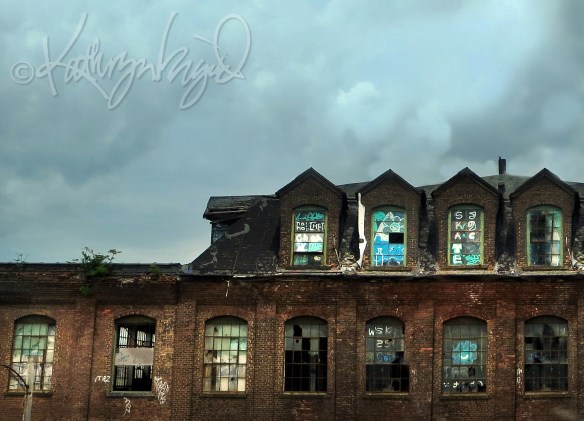
Digital illo from a Photo: Gathering StormOpen a Window

Open a window; what’s outside?

Sunlight blazing far and wide?

Branches dancing in the trees

and birdsong lilting on the breeze?

Is it an evening cold with storm,

with indigo cloud banks taking form

in a palisade of lightning, hail,

and whistling ghosts in a screaming gale?

So goes the weather, for a start;

how, now, with the windows of your heart?Photo: Sunny Days

Doesn’t Matter If I’m the Only One

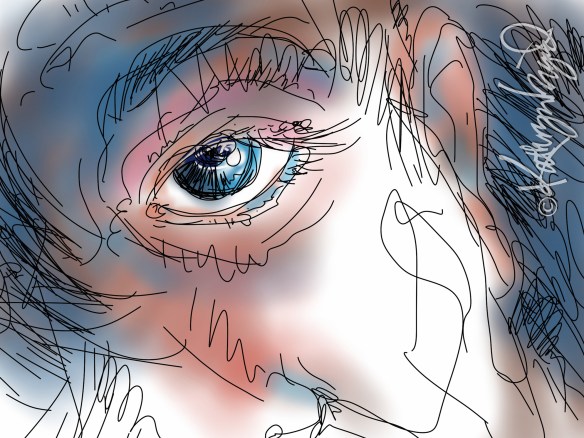
There are ways in which solitude and solitary pleasures are among the loveliest, the most inexplicably un-shareable delights we can have. Even those things that are enhanced by happy sharing with one companion, or many, can only be experienced internally in our own unique ways, through our own highly individualized filters and lenses of taste, belief, experience, knowledge, and longing.Digital illustration: From this Angle

The beauty of this is that the best things I experience or encounter can be met at several different levels. Even when I am among a host of fellow travelers on the occasion, I can have that communal adventure and be guided and shaped in my sense of its goodness and meaning by any or all of those around me, while the reflections in my heart may say to me, “and yet…” or find me collecting all of the data of the moment in some private interior compartment for later examination.

In those after-times, I am at leisure to contemplate the whole and all of its components and think whatever I will, feel whatever I will, now that I’m left to my own devices. From this slightly removed angle, my own particular skew, I may find that the true enjoyment of this part of my life comes as much from within, from my imperfect yet fully tailored perspective being so well suited to make me like what I have seen, heard, tasted, and sensed in it. That is a subtly different but wholly wonderful part of living life: being able, in solitude (whether actually alone or not) to see what is marvelous and admirable, exciting and fine, to me on my very own terms.

Keeping My Eyes Open

Let’s not quibble about why I’m here; just show some respect for my dedication. I keep watch, I am the guardian, I stand undaunted at attention. I am a tireless protector. Never mind that I’m protecting what I hope might be my lunch, or at the least, my plaything for the while. I am a cat, and that is what the best of us cats do. It is nature and vocation.Digital illustration: In the Catbird Seat

The mouse living in there, well, he might have a slightly different point of view. But let’s be honest: his place in the natural scheme of things is as a cat’s toy or treat, isn’t it just. So I shall perch here and keep my patience, and never you mind criticizing my ways. That would be too—well, human of you. And you didn’t want to share your house with a mouse, now, did you! Just look away. I’m busy here.

Depends on Whom You Ask

What’s happening in any given scene? Everyone who answers the question is sure to have his own answer. Point of view is colored and skewed every which way by one’s position at the moment, by the context of experience, by taste and beliefs. Is this a drama? A comedy? Every actor in the event might well give you a different answer.

The other day when I was hearing a delightfully humorous arrangement of the old western song ‘Blood on the Saddle’ (arranged by Trent Worthington) I couldn’t resist adding a silly illustration of my own to the music. In my sketch, the horse whose saddle has presumably been bloodied stands still enough now to act as a comfortable perch for a vulture that stopped by to survey the fallen cowboy as a potential buffet–though as the vulture has just landed he’s more interested in a short rest first. The horse, now riderless and not forced to buck, has no particular remaining interest in the fellow who until recently expected him to lug around the cowpoke‘s weight and kick his heels in the rodeo arena for a living. The cowboy, now just a flat stain in the dust of the ring, is of no more interest to the horse and little yet to the buzzard (not ripe enough yet, presumably). In fact, when I cropped the cowboy out of the picture altogether, it struck me that the horse and bird looked pretty peacefully contented just lounging around together.graphite drawingSo, whose point of view matters here? The cowboy’s, not so much. Having croaked, he’s now short on both opinions and feelings, so we’ll leave him out of the equation. The bronc, of course, has got to be somewhat relieved at the current situation; while he did participate in the squashing of the aforementioned rider, it’s a pretty safe bet that having the guy pile on his back and goad him to buck was hardly the horse’s idea in the first place, so he can hardly be blamed for, well, bucking the buckaroo off into the dirt. Falling over the fallen fellow, I feel it’s safe to say, wasn’t the horse’s idea either, but just a natural consequence of being thrashed around unwillingly in a dirt arena for someone else’s amusement. Fictional or not, this poor horse deserves a break after all he’s been through.

The buzzard, on the other hand, is just a passing freeloader. Of course, that’s what vultures are designed by nature to be and do: the cleanup crew following food-related disasters. Some days, the sacrificial mammals are less human than in this instance, but regardless of the source, nice dead things are made to be Vulture Chow. And the upshot of the dining experience is that the buzzards will leave the scene a much spiffier one than when they arrived on it. Seems to me that this vulture, too, deserves his moment of happy contemplation and repose before hopping down to dine. I’m guessing, then, that his view of the whole scene is rather–if you’ll pardon the expression–sanguine. Unlikely he’d care how the meal arrived at his ‘table’ so long as it arrived. He sits on his equine throne and surveys what, to a carnivorous bird, is a royal feast indeed.

And what of me, the observer and, partly, inventor of this scenario? How am I to respond to it? I bring my own baggage to the occasion. I’m not a lifelong fan of vintage Western songs, having come to appreciate them as a piece of Americana and folk music culture later in life but still from the remove of something like an anthropological observer. This song itself has had a number of covers from the period-traditional to playful takes like Mr. Worthington’s above-mentioned arrangement, and each iteration adds new aspects to the folklore of the story, tingeing it further with tragedy or humor, history or fiction. The story of a cowboy riding a bucking bronco until thrown and crushed by the horse is swiftly told but can grow and change with each retelling. Do I feel sorry for the cowboy? Insofar as I get involved in the lives, loves and losses of fictional characters (and I do), I will admit his story has its sorrows. It’s arguably a tragedy in the classical sense, since it was through his own choices and actions and the consequences thereof–one could even conceivably see his fall as a direct result of hubris–but death of anything other than comfortable old age still strikes most of us humanoids as just plain sad.

I guess you can tell from my earlier remarks that my sympathies lie more with the horse in this equation. He was put into an untenable situation and responded in true horse fashion to the best of his ability. Too bad for the cowboy that horse logic says the correct response to being strapped into bucking gear is to buck, and that, as hard as you possibly can. The horse in this tale got lucky and knocked that unwelcome irritant off his back. Tough luck for the irritant. It really is all about perspective when it comes to assessing the situation. What it boils down to for me is a recognition that being the cowboy may appear more exciting and impressive, but sometimes it’s better to be the horse.digital image from a graphite drawingWho knows? I might even root for being the buzzard: none of the hassle, all of the free booty. Say, I might be a vulture already! And I’m okay with that. Stop by and find an already made idea for a drawing? Why, sure. I am a shameless scavenger. But I prefer the term ‘artist’, if you please. And all you others are free to agree or disagree, just as you wish.

Please Vote Responsibly

You know how much I hate politics. I almost titled this post ‘Friends don’t Let Friends Drink & Vote’, since it seems like a whole lot of people prefer to find a specific agenda that appeals to them on a visceral level and shape all of their votes around it willy-nilly, without either differentiating between candidates that do or don’t have any power to guide said agenda wisely or, worse, without first thoroughly checking their own facts regarding that particular point item of passion. Mostly, I hate that what I see and hear of politics is the brainless ranting of people who hang out at the various extremes, and very little of civil discourse and logical, reasoned thinking. Nothing would please me more than to believe that every person with the privilege of voting would not only do so, but do so after serious thought and careful consideration and with a certain amount of faith that the other voters and their points of view matter, too. But to be quite honest, I think we (at least in America where I’ve observed it in person, but I gather this is so in many other places as well) are mighty far from this my ideal.

So I tend to shy away from all things political as much, as long and as often as I can.

Yet I can’t help but wish, and sometimes a little peep of this pained wishful thinking leaks out visibly or audibly. Especially around election times. At least, given my particular bent, I’ll keep trying to publicly disguise my whines and rants in slightly more lighthearted forms when I get my own political itch.

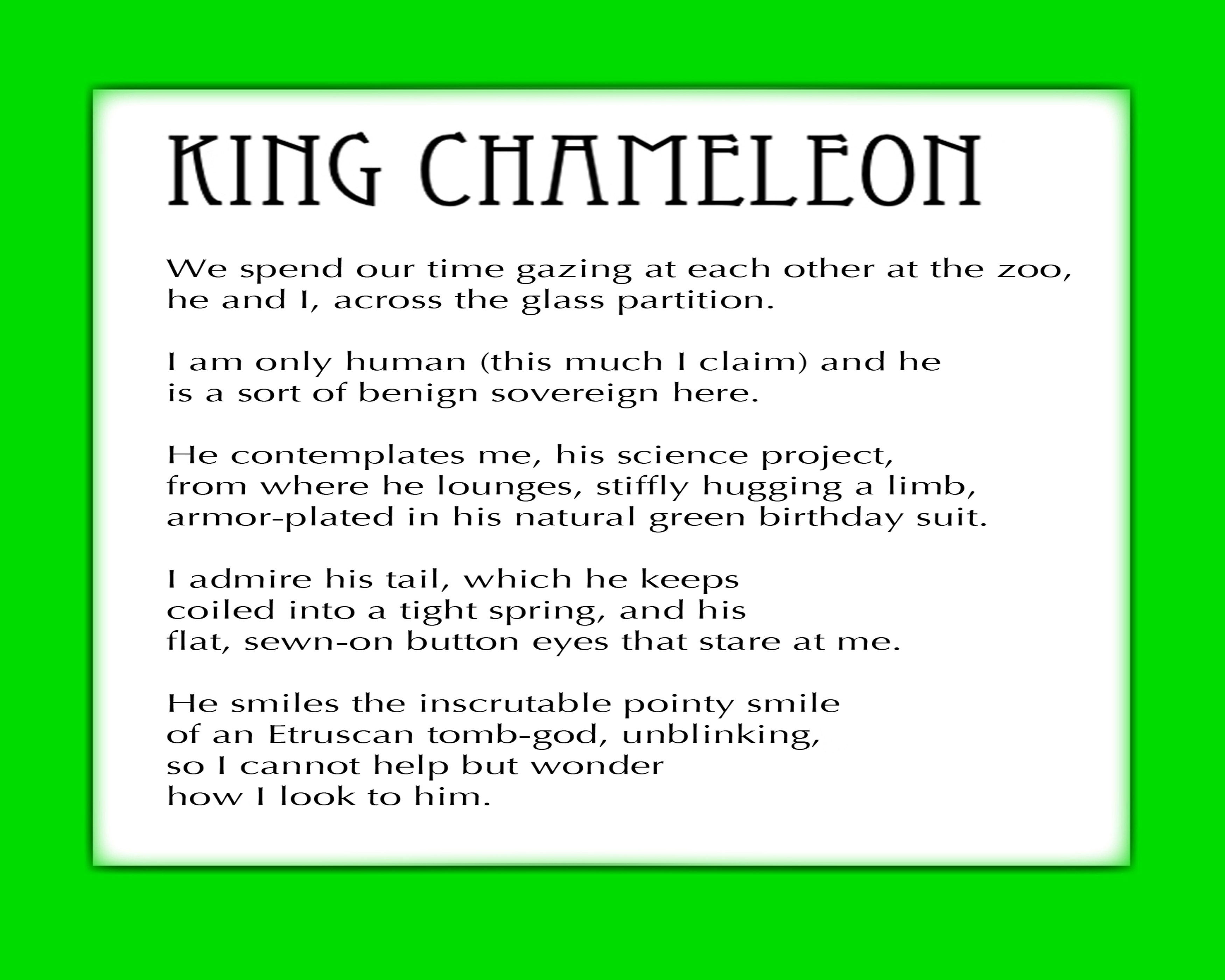
poem [typeset text]

graphite drawing


Matters of Perspective


photo

Stormy skies can bring destruction . . . or the rains of growth and promise . . .

I’ve said before, and in ever so many ways, I’m a firm believer that we all live our lives wearing our own very distinctive glasses. By that I’m not referring to the glass-half-full vs. glass-half-empty attitude–but that’s indeed part of the whole idea. It’s about how we see the world through our individual filters.

In a fairly concrete fashion, that means that the quality of my actual eyesight–my acuity, ability to detect and distinguish colors, textures, shapes, depth of field aided by stereo vision, and all of that sort of thing does, in fact, have a profound effect on my world view and how I experience my passage through it in life. As a longtime visual artist, I am dependent upon all of this stuff for my very sense of self.

But I’m also convinced that each of us has a life history that includes our adventures from birth to the present, our nurturing or lack thereof, our environment and resources and social contacts and political influences and educational progression, and that whole reality is so distinctive for each of us, right down to a cellular level, that I can’t quite imagine how even the closest of kin could possibly have identical points of view.

I’ve been reminded of this in the last few days as I’ve been reading the latest Oliver Sacks book on which I’ve laid hands: The Mind’s Eye. Every book of his that I’ve read thus far is, since he’s a neurologist, a humane and humorous thinker, a deeply curious scientist, and a citizen of the world with wide-ranging interests, bound to be an adventure. Given the visual theme of this particular collection of case-studies (including his own discovery of and treatment for an ocular tumor), it is indeed a confirmation of my sense that such complex inventions as human bodies, multiplied by the almost infinite variants those influences I mentioned above can infuse, create and incubate an incredible range of possible ways to see and experience life in this world and whatever we can conceive of beyond it.

Yes, I am enjoying this latest Sacks book as immensely as I have all of his thus far. It’s been rather striking, too, to add to the layers of my own filters, many of which I’ve only come to recognize rather more recently in my life. I have sussed out and confirmed to my own wildly non-medical satisfaction that I am very probably distinctly dyslexic or cognitively ‘different’ in a whole bunch of ways, and having looked at this good doctor’s descriptions of face-blindness, or prosopagnosia, I’ve a feeling that my realization sometime not long past that I might have a degree of face-blindness might well be accurate. I’m certainly no less inclined to believe it since immediately before the book arrived on scene at the local library, I was working in our front yard when a car pulled up and the nice driver called me by name and conversed with me pleasantly until I could identify by her voice, questions and comments that she is the neighbor who lives directly across the street from me. Sigh. Sometimes the ol’ filters do get a little blurry.

More importantly, though, I’m convinced that how we respond to our life experiences and our histories–the choices we make and what we do with what we’re given and who we are within it–those are the truly telling filters. They’re the things by which we’ll be known, be remembered (if we’re remembered), and that offer us ways to define ourselves and our place in the world. So while I’m happy as an artist to play (as you saw in the last couple of posts) with my reality in the artificial world of visual imagery and how I attempt to show others what it’s like to see through my lens, I realize that my moods and attitudes are a part of that process too. Can I get others to understand or accept my point of view? Rarely, if I’m mighty fortunate. Can I help them to see it? More likely, if I work hard. Can I give them happy access to their own filters that might improve their moment or their day? That, I hope, I can do if I am true to the better of my instincts in responding to the world as I know it and expressing, the best that I’m able, with passion and with compassion. With love and joy.

digital painting from a photo

Heavens! What started as a grim and ominous day can become something bright and hopeful . . .


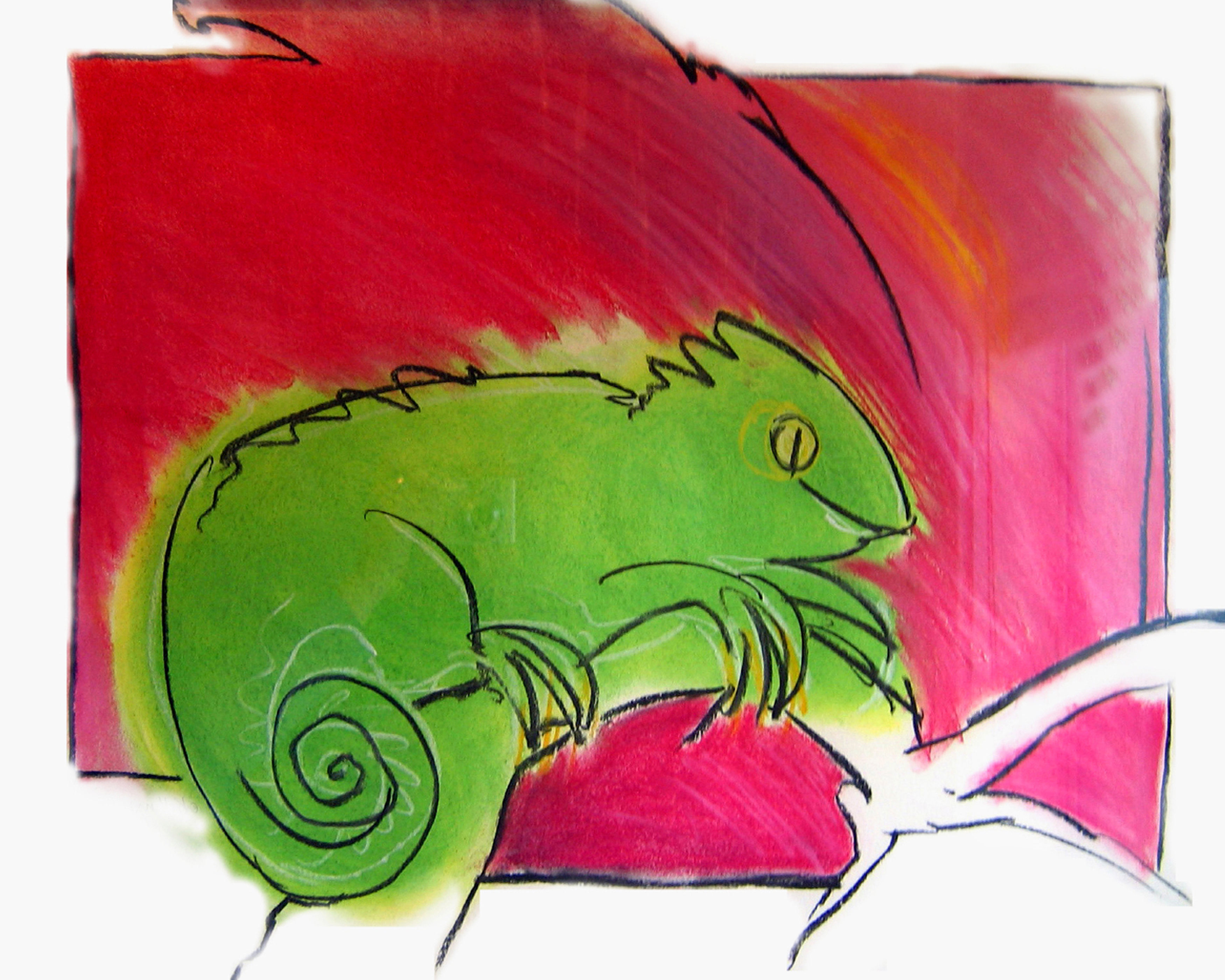
A Little Lizard-y Love

soft pastel on paper

text and typesetting

Black & White in a World of Color

digital painting from a photoI was just strolling along and running errands, minding my own business, when I spotted this little twosome toddling along a nearby lawn. The way that they bobbed in unison, then in counter-rhythms, then in unison again, side by side, made me think of piano keys. They were like visual music, these birds, unselfconsciously creating a silent but cheering melody as they made their way across the grass. And they were in sharp contrast, being mainly black and white, to the Technicolor world all around them which suddenly seemed a little dull and plebeian by comparison.

And I thought, that’s how art works for me. It’s not that it’s always spectacular in its showy presence, brilliantly executed or wildly original–just that it strikes me at the right time and in the right way to make me see both the art and its context a little bit differently. It’s one of the reasons that I so love black and white visual artworks, in fact: that the simple removal of the known and expected colors of the subject can make me see the mundane as magical and contemplate the distinct wonders of things that ordinarily I might pass by without noticing. I suppose it would be good if I could learn to do this with a whole lot more of my world a whole lot more often, and perhaps I would refresh my sense of wonder enough to truly appreciate how fantastic ‘ordinary’ life really is.photo montage

Clarity (Klart Blikk)

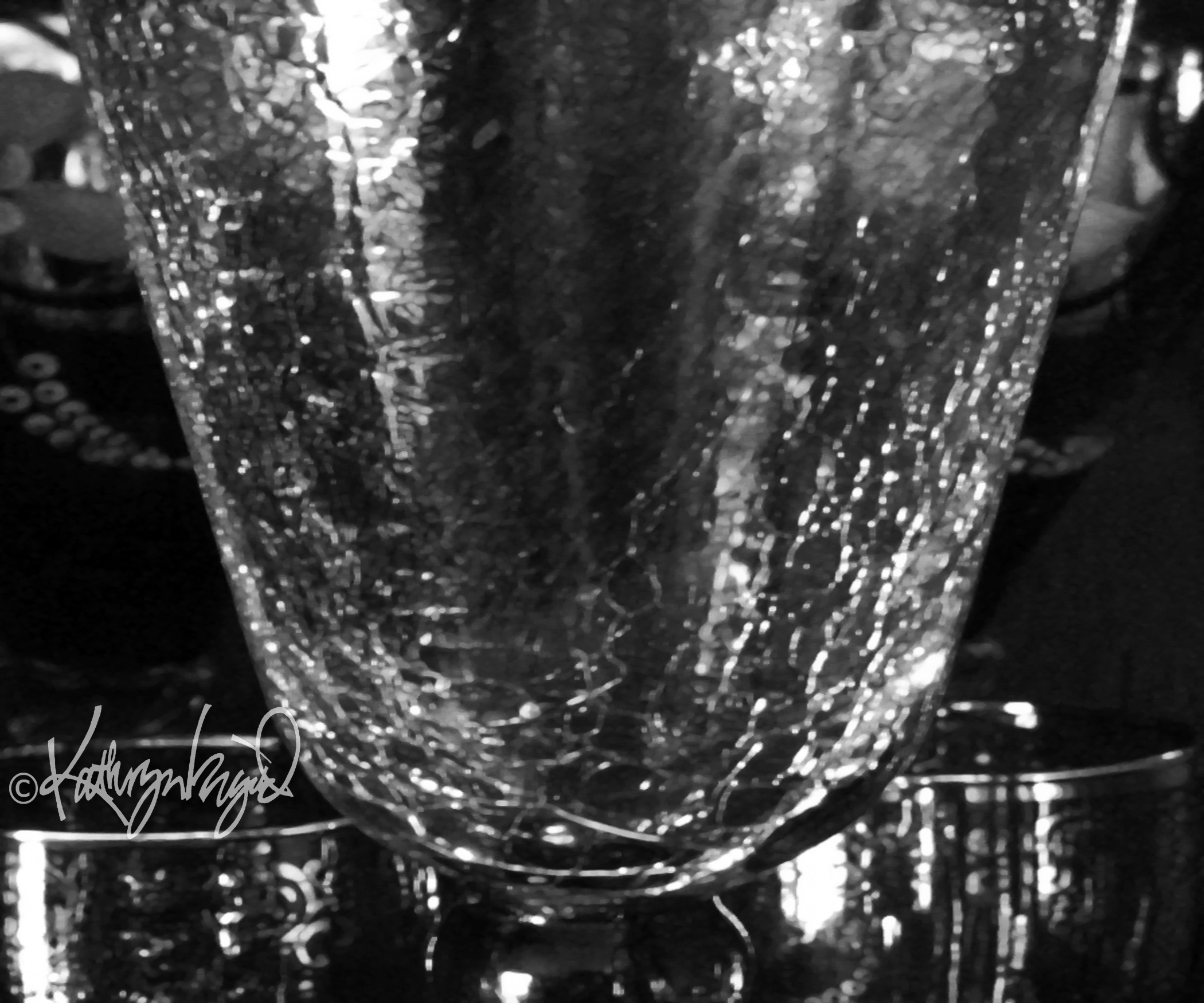
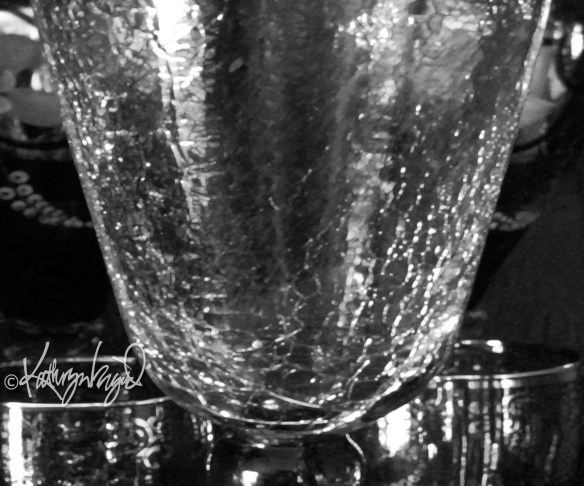
photoLet me make one thing crystal clear: all of my world is seen through my filters, colored by my way of thinking, its perspective all my point of view. And that’s not either strange or bad. It’s how we all operate. It’s just important that I always remember that simple reality.digital image from a photo

I finally had time to sit down today and go through a backlog of seemingly gargantuan proportions in my email inbox. Among the items that were most enjoyable to unearth, there was a note from my sister carrying a link to another blogger’s post about her son’s (our nephew’s) band Honningbarna’s first gig in Dublin, with the requisite embedded YouTube clips of their performance there–which, in turn, linked to other Honningbarna clips, including a couple of very informal interviews between a young journalist in Germany, if I recall, and nephew Christoffer and his bandmate Edvard Valberg, the band’s cellist and frontman. Besides that I get a kick out of seeing our relative as a successful rocker and hearing the band’s wildly kinetic and screamingly energetic punk/metal performances, I am reminded every time I see and hear them that Honningbarna represents a particular brand of cynical idealism that only the irrepressible and wiseacre young can so ably embody.digital image from a photo

Like many a punk band before them, they sing/shout about the wrongs and stupidity and injustice in the world, calling attention to it all and making us want to clarify, if just a little, our own view or stance on such things. One of their biggest hits, to date, is in fact a number called ‘Klart Blikk‘–it translates, approximately, to ‘Clear View’–a call to stop being passive about the world’s imperfections, to get up and ask bold questions, to act. The link on the song title right here is, wonderfully, a Norwegian 5th-graders’ video workshop animation of the song, a perfect (and artfully executed) answer to this very call to intelligent response. And I think it a wonderful, if laughable, serendipity that my computer’s auto-correct recommendation today for ‘properly’ spelling Honningbarna is ‘Housecleaning‘.

Update: blogger/reviewer Andy Barnes has just posted an additional critique of Honningbarna and the band’s debut album, the source of ‘Klart Blikk’.photo

There’s obviously no single thing that can always serve to make any situation clear, let alone ‘cure’ it. Collecting all the facts and information and evidence and being fully honest with them can help, but sometimes perfectly diligent research and full disclosure do not constitute reformation or restitution. We’re all human. And only human. We stay muddled.photo
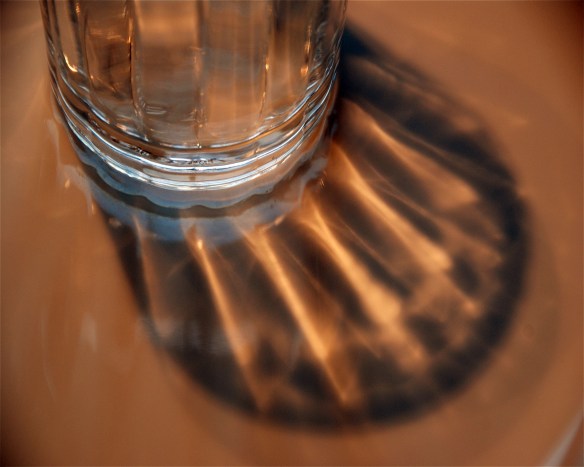
And some things really are a matter of opinion. The glass is half full; the glass is half empty. I like things the way they are, or I don’t.digital image from a photoNow, occasionally, providing a sharp contrast to the point under debate is just the nudge needed to push our minds toward a firmer understanding or acceptance of the longed-for truth. Sometimes, the discovery of new evidence can shed brighter light and move us to choose and accept a more accurate reality. It’s even possible, from time to time, to elucidate and pinpoint the ‘right’ merely by simplifying–by paring away all that isn’t, bit by bit, with thoughtful and insightful explication.photo

None of that, still, stops us from being opinionated, stubborn, sometimes truly stupid, and occasionally outright determinedly wrong. It’s where we derive a lot of our mortal variety, our strange human brand of exoticism, our color, if you will. It’s okay to be ridiculous and bull-headed, even when the Truth is staring us right in the face and can’t be ignored, because it’s really part of who and what we are.photo

No matter what a charming song it makes, everything does not necessarily look ‘worse in black and white‘–and light and clarity are certainly discernible, even brilliant, when we stop being so saturated with peripheral influences like our feelings and hopes and desires. But there’s so much sheer wonder in our colorful world, I say, Why not revel in it, even if it sometimes distracts us from the seriousness at hand. After all, that will always be with us and will push its way forward again eventually, even if it takes a bunch of young Punks yelling at us to get us to pay attention.digital image from a photo

Little Mysteries and Big Adventures

graphite on paperIt’s kind of odd, when you think about it, that we readers and writers and storytellers and listeners have such an affinity for mystery and adventure stories. Life itself is so full of both that it could be argued there’s no need to entertain or challenge, frighten or amuse ourselves by inventing yet more. But besides the obvious pleasant aspect of fiction that it remains under our control in ways that real life cannot, there is much more reason that the appeal remains just as strong as it has for ages.

For starters, it gives us a forum for posing questions and answers that can’t always be simplified enough to solve any real-world conundrum puzzling us. It’s both potentially a problem-solving process and a bit of creative play that can lead to greater flexibility and insight when we do get around to solving the problems with which we’re faced. If I can metaphorically bump off the villain that has been making my life such a trial, perhaps the metaphor can be extended to show how I can cope with him or her in actuality in a more legal and humane manner. If not, at the very least (assuming the real person behind the fictional stiff is fully enough disguised so that s/he cannot sue the socks off of me and make my life miserable in new and legal ways) I got the satisfaction of offing said offender in effigy. On paper I can exert all of the cruelty my heart secretly harbors, without ever lifting a physical finger, even that uniquely expressive one, against anyone at all.graphite on paperMostly, in the fictional world it allows a vicarious thrill for both creator and reader or listener that few of us dare or have the wherewithal to experience in three dimensions. Being a very ordinary person, I have little to no likelihood of the kinds of outsized adventures and brilliant insights that would make for a good, cracking read, but I’ll happily devour such stories and envision myself in their midst when it suits me. In fiction, I can do all sorts of athletic and impressive things that there isn’t the remotest chance of my accomplishing with my feeble skills and lethargic attitude, but there’s something rather bracing in even the imagined high-speed sculling through the black waters of a swift river, the steeplechase saddled up on a magnificent pedigreed mare, or the vaulting over crevasses with rime in my eyelashes and ice axe gripped in my gloved hand, when they’re well written.graphite on paperIn fiction, I can commit the perfect crime–or solve it. I can be the heroine of the story or an innocent bystander. I can follow all of the clues, absorb all of the details of the characters’ lives and loves, interests and actions, and guess what comes next or just roll along for the ride and see where it takes me. Sometimes, admittedly, I don’t have complete mastery of the fictional world because a tale becomes so gripping that I can’t put down the book and go to sleep, turn off the television and leave the room, or avoid re-reading parts just to see if I missed any exciting details. I should note that I am also often driven to this latter end by my dyslexic reading and the way it requires frequent repetitions of phrases and paragraphs to ascertain that I’ve kept true to the thread of meaning, so perhaps it’s not exactly a universal approach to reading! That is, as you would guess, a part of my reading process that makes me very slow to finish a book or article, even if in practice I am a reasonably fast reader. A bonus of dyslexia, conversely, is that things I have read before become new to me again almost immediately because the arrangement of words and elements of the tale might become slightly different each time through.graphite on paperWhich, in turn, is a good reminder of one of the other joys of reading: each of us brings filters, viewpoints, experiences, beliefs and interests that flavor each reading, for good or ill. We are so distinct in this that the best of friends and the most like-minded people can easily love or hate quite opposite stories and versions of them. And that makes the mere act of writing or reading a story that much more of a mystery and adventure in and of itself. All the more reason to keep writing and reading and telling . . .