You are So Strange!

digital illustrationI don’t mean to be rude, but it’s hard not to recoil at the unknown. What?! No shoulder gills? How can you use your nose for smelling things if you’re busy using it to breathe at the same time? No horns? Oh, dear, where are your radar sensing structures housed? And my goodness, those awful, blind blue and brown orbs where your eyes should be! How in the world do you manage without proper infrared vision, you poor thing? What’s with having ears awkwardly positioned, so low and flat against the head that they can’t rotate and bend to follow every sound?

I realize that we’re not all made the same, but sometimes it shocks me that anyone so odd looking and freakishly ill-equipped as all you other sad creatures out there can survive at all. I don’t hate you because you’re pitiful, but still I can’t help being sad at your obvious plight. It’s difficult at times not to seem patronizing, disgusted and repulsed that you’re not all as sensibly made and beautiful in your correctness as I am. Please forgive my involuntary condescension. It’s not your fault that you weren’t born or trained to be as nearly perfect as me.

Well Met in the Real World

I don’t know if the current crop of kids know the term Pen Pal. They might think it’s a reference to the big hulk in the cellblock that everyone feels obliged to treat with deference, since most youth have little reason to have experienced letter-writing in its snail mail form with any regularity. Indeed, most of us who grew up in the pre-computer era have now also segued right on over to relying on the internet for our written correspondence.

So now, when I meet anyone from far away, we exchange email and LinkedIn and blog addresses. We even meet in cyberspace for the first time. I have a number of good friends I’ve never seen or spent time with offline, people I feel a connection with that, for all its ethereal qualities, is no less strong than that with friends and family I rarely see because we are separated by miles and schedules and other barriers of necessity. Indeed, the obvious advantage of having an entirely online relationship is that we rarely get exposed to each others’ major faults and minor flaws enough to grow seriously irritated or bored with them, thanks to Edit and Delete functions, and so we all maintain the polite fiction of perfection to a certain degree despite our knowledge that this is impossible. And of course it’s no surprise that those we already know and value would be happily met in the nebulous world of Skype and Pinterest, phone and Facebook, rather than lose contact altogether.

The reverse process is understandably rarer; just as it was unlikely for the paths of Pen Pals to cross physically in days of yore, it’s not often that cyber-friends can or will actually meet in person. So it was a great surprise to see on a blogging friend’s post that he and his wife were relocating from another state to the very town where I live. And, as I learned in the last couple of weeks, they were both brave enough to meet me in the real world.digital illustration from a photoIt turns out that these two are every bit as lovely in person as in the virtual world. Happily, their virtues are not virtual, and their fineness not fiction. I am honored that they were willing to take the leap and meet face to face and spend time together attending a concert of my husband’s, and humbled to find that even for a person who is usually inclined toward reticence and shyness and reserve when the safe remove of correspondence narrows down to a handshake or a hug, meeting and getting to know people even in the filtered world of the internet can still lead to good things in the dangerously beautiful real world. We may have changed a lot from the Pen Pal generations before us, but inside we still find our ways to connect, and that is a truly fine thing. Thanks, Heather and Ted!

Who’s the Real Pest around Here Anyway?

photoNo fan of squirrels am I. In the abstract, I can enjoy their wild gymnastic athleticism and pranks and admire their elegant plumy tails and all of that, yes I can. But when I hear that familiar thud on the roof when they’re jumping from the red oak to the shingles and holding their miniature NASCAR events up there, what I’m thinking is not ‘how cute’ but ‘rats’.

They are, after all, rodents. The little scarpers have nice sharp claws that scrape bits off of our roofing (see: roof confetti in gutters) and nice sharp teeth that chew chunks off of our siding (see: bare wood fringe appearing on siding near where only birds or squirrels could possibly reach) and not-so-nice habits of eating every bit of bird seed that I put out if they can reach it (see: squirrel hanging upside down by ankles from gutter like trapeze artist while he stares longingly and calculatingly at nearby-but-not-near-enough bird feeder, then dashing back down to the patio below to scarf up every seed, nut, pod and shell left below said feeder before dashing back up again for another recon) and of ‘recycling’ said bird feed onto patio, porch, garage perimeter and paths for me to sweep up after them (see: squirrel excrement scattered decoratively hither and yon).

But there are as many fans of squirrel-dom as there are less sympathetic critics like me, and there are certainly many, whether among squirrel friends or not, who think many other creatures more dirty, pesky, or persistent than I do. Take pigeons, for one. I’ve heard them called ‘flying rats’ more than once, and know that they are at least as frequently cited as disease carriers and civic troublemakers as are squirrels. Other than the remarkably tiny headed (and I confess to thinking them remarkably tiny brained in equal proportion) mourning doves that visit our place occasionally, there are rarely pigeons around there, so it’s probably simple arithmetical odds that make me like them perfectly fine when I’m so prejudiced against squirrels. As long as you don’t swing by for the seemingly sole purpose of eating my food and then expelling it back out upon me and mine when you’ve had your fun with it, I guess I’ll give you a free pass.

I should very likely just cut the poor squirrels some slack, too, in exchange for the hijinks they provide as compensatory amusement. After all, they, along with all of the other critters that call our garden, yard, ravine, neighborhood and planet home, must surely look on me as a dirty, self-centered, gluttonous and destructive interloper on their home turf, and they would not be wrong. And I sure don’t expect to be able to repay the affront by amusingly hanging by my ankles from the gutter anytime soon.

Angels of Mercy

graphite line drawingThere are a lot of distinguishing features that we associate with Goodness, in the general sense of that construct. There are the usual ethical and even moral qualities we impute to a person or action or event in our humanist or religious ways: honesty, justice, kindness, compassion, hospitality, wisdom, patience and other such characteristics are almost universally recognized as positive and admirable. And while we can sometimes recognize these things in our fellow mortals, many of us find it easier to represent them in our minds’ eyes as some kind of super-beings that transcend human limitations, because it’s hard to imagine much of this happening or being sustainable in the hands or lives of mere people.

So we have our superheroes and our faeries, our special agents and goddesses, avatars and angels. But we’re still either too limited in our mental vocabularies or perhaps simply a little bit too insecure and egocentric to imagine or depict much that is Good without giving it a recognizable hint or ten of humanness. We make our gods in our own image, unable to picture them as truly different enough from ourselves to be genuinely Other and unique. We need to feel a concrete connection if we’re to make any sense of our own ideals.

And there’s nothing wrong with that, to my mind. How can I talk about the sweetness of a ripe pear with someone who has no sense of smell or taste? What it feels like to stand mid-stream in an icy creek with someone who has no legs or is a lifelong quadriplegic? How could I hope to discuss a complex topic with a deaf person from another country? We have to have some little commonalities, at least ones that we perceive as such, for us to have any kind of relationship, including the philosophical or emotional or spiritual.

So we, thankfully, have our Helpers, our unseen supporters and caretakers and watchers and guides, and we give them features that help us to understand and trust them. The other day when I was drawing I was thinking of a friend who, as I write this, is undergoing cancer treatment. Many friends and relatives and acquaintances have done so in times past, and many will yet again, and I think of them in their times of need and send, in my own way, my love and hope and concern, but most of them cannot use anything tangible that I have to offer. I think for cancer patients, my versions of angels would most certainly be beautifully smooth-headed creatures.

I am no surgeon, healer, scientist, caregiver or therapist of any sort. If you live close enough you might get some homemade chicken soup from me, or an armful of flowers from my home meadow, or a little note, but I have no cure to offer, have not even enough encouraging wisdom of my own to get you through the day better. What I do have is my own vision of what I would hope to have at my bedside or hovering around me as I tread any dangerous paths, a sort of gracious, singing, laughing and–when I need a modest and quiet companion who understands the sorrow of it all–gently embracing angel of mercy. And my particular versions of such beings work in force, and also make house calls, so I will gladly send regiments of them in all their shining, vaguely human, terribly purposeful Goodness to watch over all.digital illustration

Foodie Tuesday: Ploughman’s Lunch & Cavegirl Quiche

photo

Ploughman’s-in-a-bowl.

I want to eat joyfully and intently and live a long, healthy life, then die and get recycled.

You know that although I respect veganism and the very solid reasons millions of people have for choosing not to eat animals and animal products, I am, like some other animals, an omnivore myself. Like these brother animals, I am okay with eating my fellow creatures. Hopefully people who respect animals’ right to be carnivores can respect a human’s wish to be a carnivorous animal as well. Yes, I want animals to be treated with great care and respect while they live, and yet I know that they’ll die; I expect no less on either count for myself. I would love to know that when I die it would be permitted, instead of my personal-leftovers having to be buried in a state-sanctioned impermeable box to take up prime real estate in perpetuity, for the aforementioned detritus to be left in the woods for some nice creatures to eat up, and what remains to fade into the grand recycling unit of the forest. Short of that, I have arranged with my loved ones to cremate what-was-me [after any possible organ farming is accomplished] and put my ashes into garden-feeding, where at least I will fertilize feed for ruminants and so serve as a smaller part in earth’s renewal. That’s what I think we’re all designed to do. Carbon to carbon. So whether I get eaten or make a less obvious contribution as a small pH balancing agent in the dirt, I plan to return the gifts that others, animal and plant alike, have given me in my life. This is not particularly meant to be a political or religious statement on my part, as I apply it only to myself, and I don’t begrudge anyone’s disagreement with it, it’s just a worldview that seems pragmatic to me. I am not saying this to court condemnation or controversy (you know I despise them) but simply to be honest with myself as much as with you.

So my protein preferences arrive as fatty and delicious nuts, eggs, seafood and, indeed, meats. I tend to be very old-fashioned in that way, following the path of my workman ancestors, and even their ancestors back in the hunter-gatherer days. I am enormously (no pun intended) grateful for the gifts of the earth that keep me not only alive but healthy and even well fed, and I don’t want to squander or be thoughtless about such magnanimity. Hence my determination to eat more deliberately and moderately as I grow older, and also my penchant for being ever more inventive in refusing to waste the goodness of any part of my personal food cycle. The recent posts about rescuing broth-making remnants are a tiny testament to this commitment. I’m a junk food junkie like everybody else, loving stuff that’s far from good for me, but I’m gradually learning to lean a bit further toward the less trashy ways to enjoy those elements that are the true reasons I like junk, not the addictive formats in which they’re presented to us by commercial producers and retailers so that we’ll just treat them–and our bodies–like garbage by over-consuming them thoughtlessly.

I want to eat joyfully and intently and live a long, healthy life, then die and get recycled.

A couple of the variant meals I based on my recent beef ginger mousse making fed both my frugal and my treat-hungry sides. Having the pre-made avocado mash around amped up both aspects as well, and the addition along the way of some other easy-to-keep ingredients made it all pretty much homemade fast food without the related regret.
photo

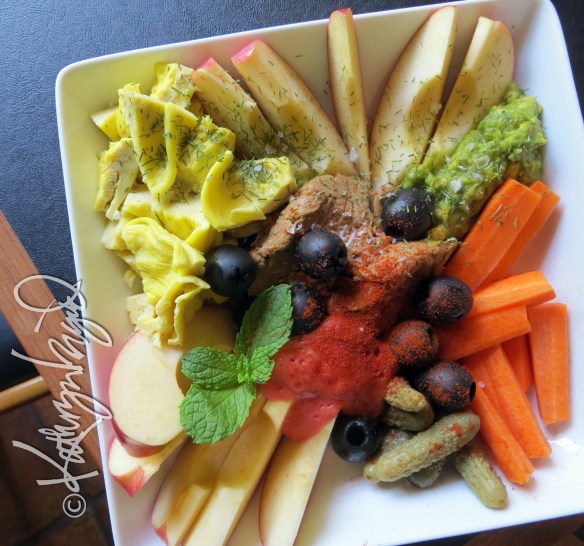
Another day, another ploughman’s.

Ploughman’s lunch, that great English enthusiasm for serving and eating what’s essentially deconstructed sandwiches–bread, cheese, chutney, pickled goodies, and so forth–are pretty common around our house. The differences in our tastes, multiplied by the number of friends sharing the meal, makes it easier to stick to assemble-it-yourself service for so many things that the logic of the operation is obvious. Since I’m generally weaning myself from wheat, that makes a hands-on, fork-in version of the Ploughman’s even more useful. Beef mousse and avocado mash make this easy. Hard boiled eggs are a grand addition, but a quick scramble or fry is fine as well. Chutney or jam alongside? Oh, yeah. Pickles of any sort are a plus. Add the crunchy pleasures (and instant utensils) of carrots, snap peas, celery, apples, jicama, radishes or any number of other good crudites and you’ve got all you can handle, short of a cold cider, iced tea, beer or lemonade. Filling, varied and delicious.

photo

Ploughman’s redux: beef mousse with pureed fresh tomatoes and mint, olives, pickled green beans, roast chicken, snow peas and apple.

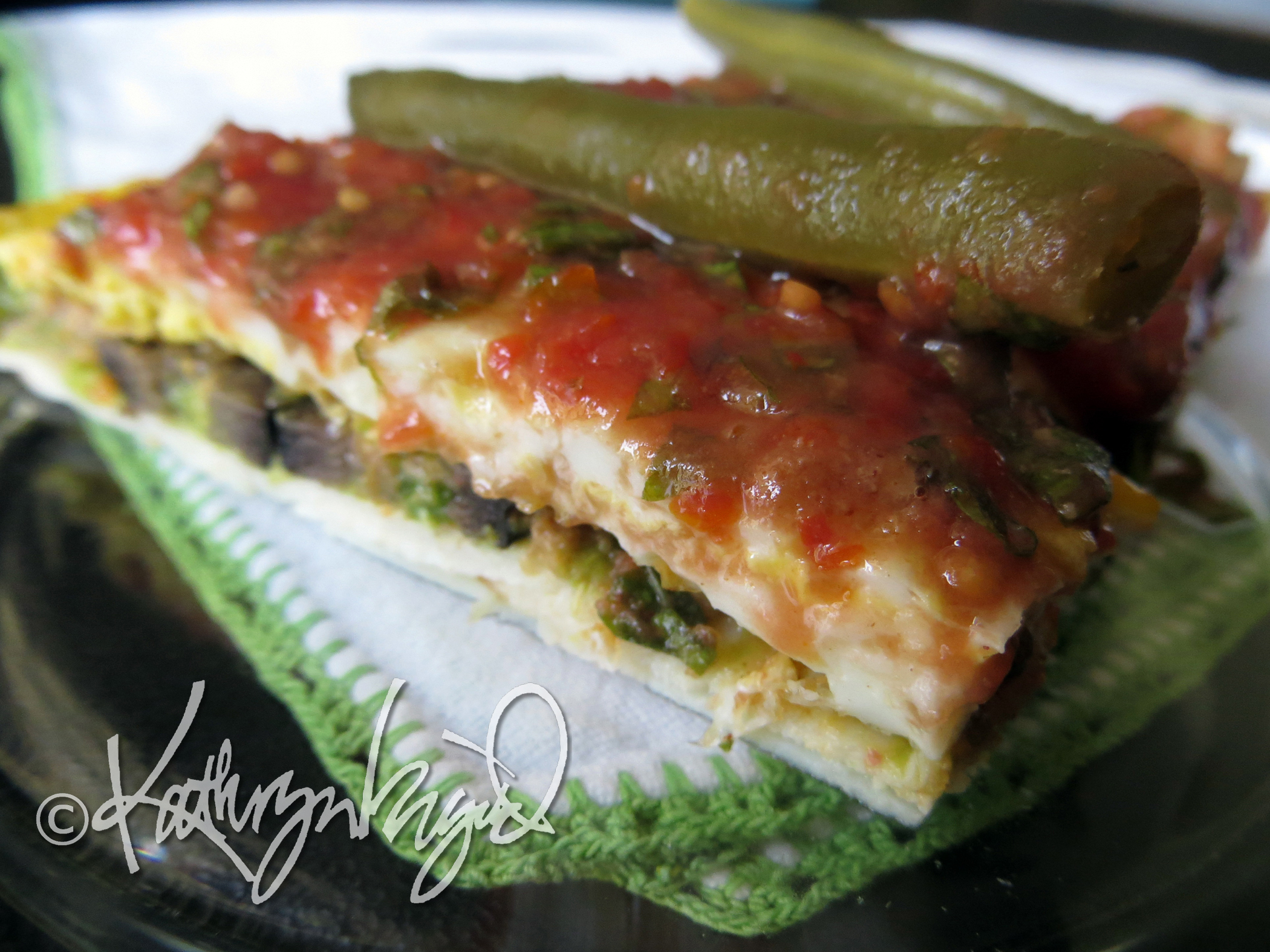
For a cave-dweller-pleasing rearrangement of the same essential ingredients, I stacked it all up and sliced it into a semblance of a pie, first as a single layer and then as a double-decker version. Rather than baking it all up as an actual crustless quiche or omelet, which should be simple and tasty with the addition of some beaten eggs (and if I had some on hand, a bit of shredded cheese), I ate it cold and was not sorry to have the quicker version either. This one, given my previous pseudo-recipes on the topic, can be pretty easily illustrated in assembly by pictures only. What you choose to do with it is up to you! As long as you don’t disappoint me by wasting it. [Winking broadly.]

photo montage

The Cavegirl Quiche Assembly Line: sliced chicken or smoked turkey; mashed lemony avocado; sliced olives; pate or beef mousse; fried or scrambled eggs; tomato-mint puree; pickled green beans.

photo

A wedge of cavegirl quiche. Enough to take the edge off a day’s hunting and gathering.

photo

The double-decker version of cavegirl lunch: how to get ready for yet further mastodon chasing and saber-tooth battling.
As It Fades from View

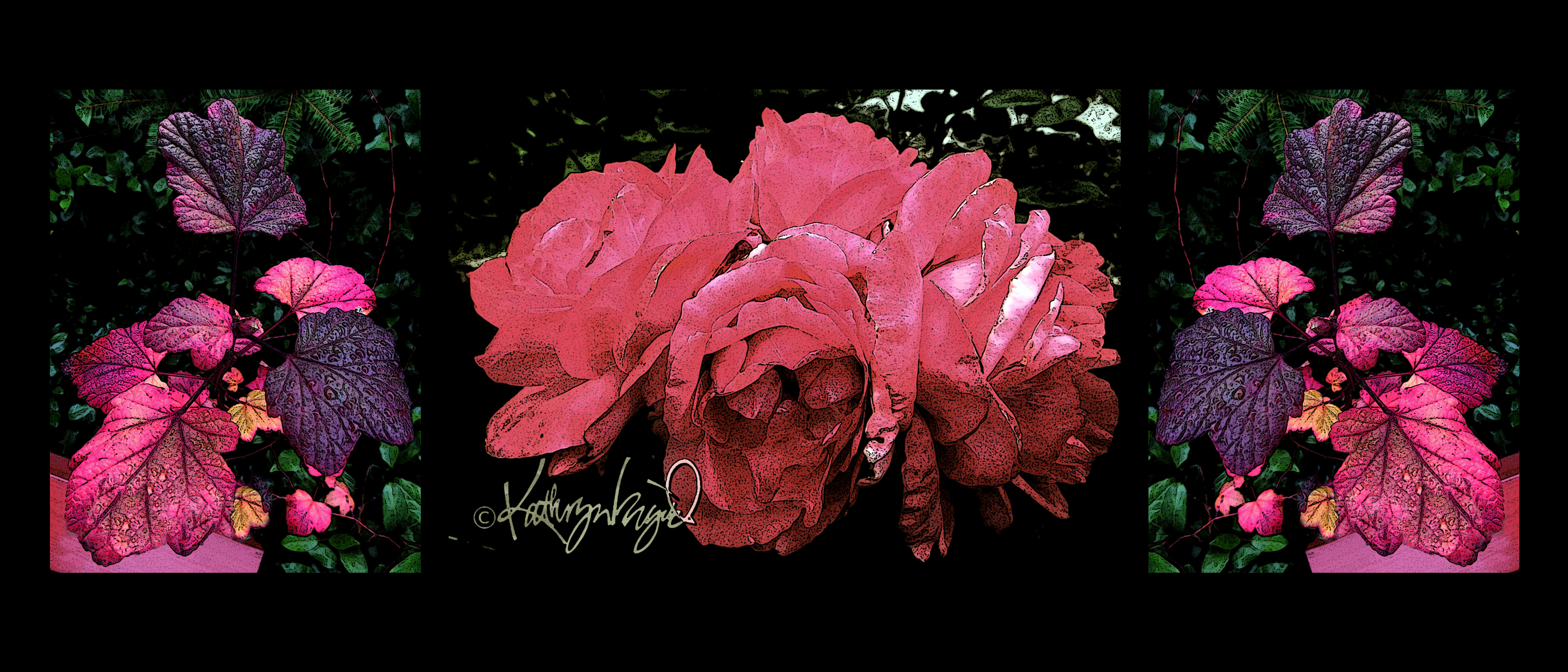
We are not alone in our finitude. All of nature conspires to whisper this solemn truth in our ears if we will only listen. Everything we know will one day die and dissipate like a summer morning’s mist. Why should we grieve our own mortality?digital artwork from a photoIf we love life, it’s only natural that we would regret to leave it, and yet…digital artwork from photos…how much loveliness is in the fluttering-down exhalation of decay! Without that poignant and exquisite sigh, what would feed the roses of next year? I’m in no rush to die; I hope there’s plenty of time ahead for me to have a lively, fruitful life. But I think, too, that my last task is to renew, to bring my modest tenure here to a far more fruitful end, and to leave space and time and love and life to all the generations of our heirs. I’ve no children of my own, but my niece and my nephews, my students’ children, my friends’–and all of the people yet to come–shall, if I have my way, have their summers of long life, and have their roses, too.

It’s Early Yet

graphite line drawingBeing an inveterate late riser, and a crabby one when forced to get up before I’m ready, no matter what the hour, I am flummoxed for the most part by those who tout the glories of the break of day. I say, for the most part, because even I have been known to admire the sunrise, and even in my worst and most heel-dragging, snarling moments can see how incredibly pretty and magical the beginning of the day can be. In fact, I can outright admire and relish the whole thing if I know I get to watch the show and go instantly to bed again until I’ve had my requisite number of hours abed.

I’ve a fairly wide variety of reasons for not having children, too, not least among them my aforementioned monstrosity in the beginnings of the day, a time when babies and young persons of all persuasions and personalities are apt to be chirping and squealing adorably and performing all manner of gymnastics and, just possibly, noisy and/or noisome bodily functions that would demand kind attentions from me. I am not that nice at the best of times, never mind any time before I’m willing to rise up and be Awake. You can imagine how the very prospect of pregnancy and its sleep disruptions, and those only leading precipitously to years more of the other sort, would seem to me, most particularly as I was already sliding off the back five of my fourth decade of life by the time I got married and thus would have had any hope of an ongoing partner in the proceedings.

You must know, however, that I think children are a very fine invention and well worth the trouble, and also that I have nothing but the greatest admiration for that mystical marvel that occurs when the tiniest edge of the sun peers over the horizon and then in seeming seconds is blazing up the morning sky. It’s just that I am content to leave all of the heavy lifting in those categories to finer beings for as long as I can. My siblings and other relatives and friends have gifted me with an abundance of outstandingly beautiful, brilliant and engaging children to admire, cuddle, tease, flirt with, trade tall tales with or about, and otherwise delight in before handing them back to their parents just in time for any less scintillating activities to be addressed more expertly and semi-willingly than I would do. And dawn, well–that will likely become part of my repertoire when I hit that Certain Age incapable of sleeping massive amounts any longer, but until then, it belongs to others, except in my imaginings or when I am dragged out of repose by duty or airport hours or some other sort of the unavoidably morning-oriented difficulties life presents.

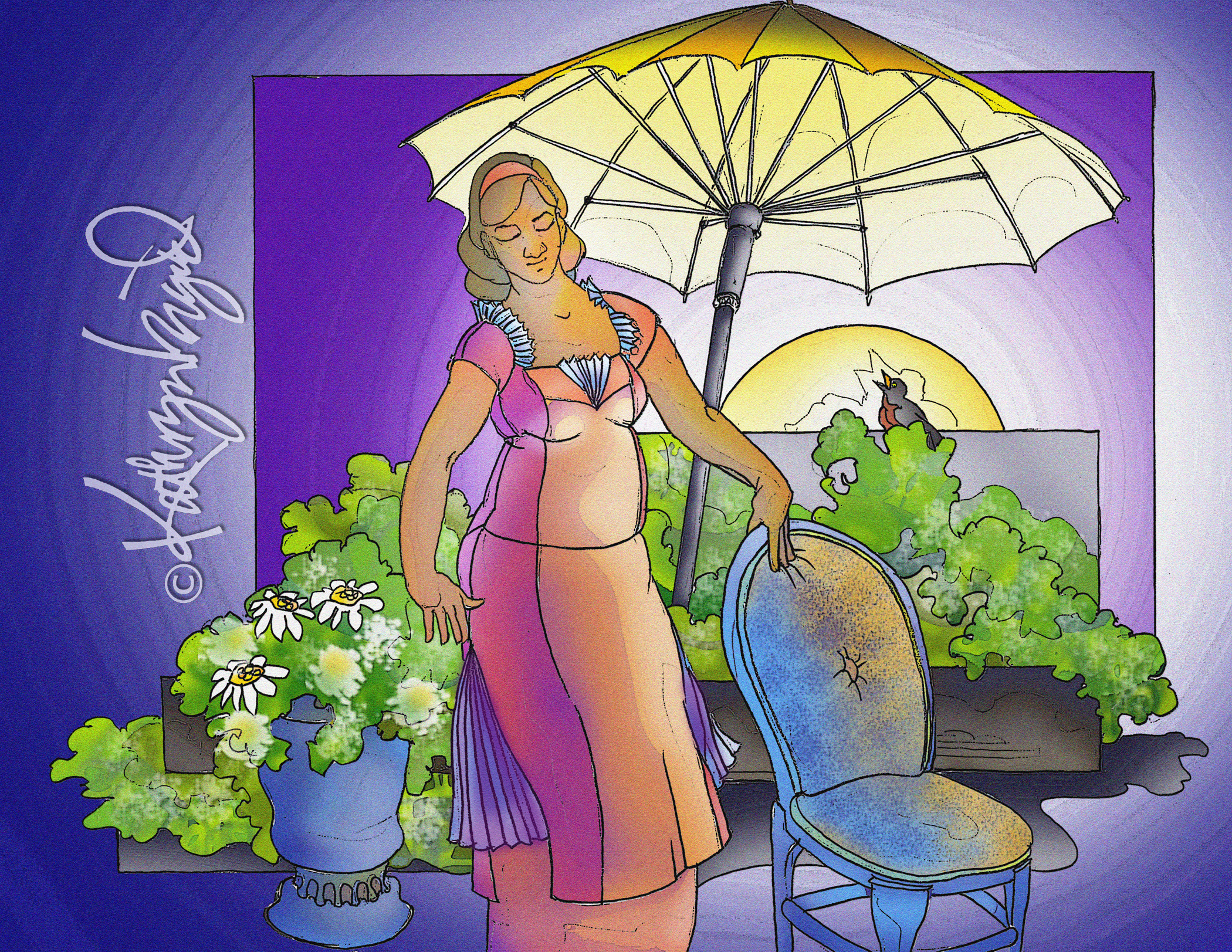
So I am quite content to enjoy a made-up version of sunrise, even making a picture of it with a very slightly baby-shaped mother-to-be washed in its dainty light as she lingers in some little secret garden. I am not designed either for motherhood or for getting up at the first whisper of dawn, but that needn’t prevent my admiring them both from a safe distance. I can assume my odds of conceiving a child at this advanced age have shrunk to a manageable nothingness by now, and I will count on the passage of my hours, days and years to prepare me for that unthinkable morning when I might willingly resurrect my carcass from the pleasant dead-of-bed state before daybreak. Meanwhile, my fancies are large enough to amuse and amaze me, and I thank the rest of you who have so kindly practiced and reported on either of the foregoing astonishing activities and reported back to me for my edification and vicarious enjoyment. I may get back to you with my own first-daylight infatuations someday, but it’s early for that yet.digital illustration

Small Wonder

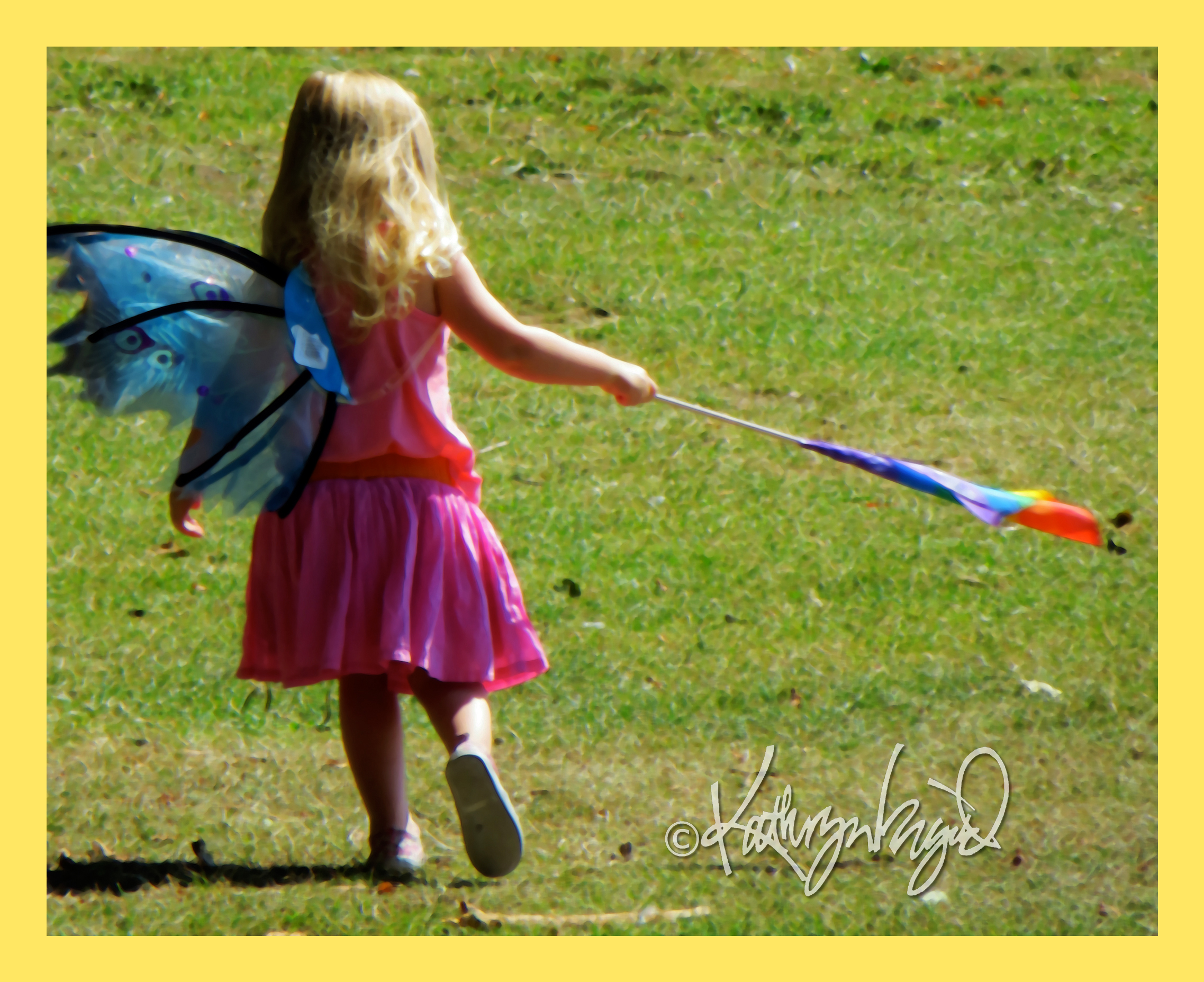
digital illustration from a photoRegeneration

Small children are such pretty little things,

Their chattering and skipping on the green

Playground of summer like the beating wings

And songs of flocks of birds are heard and seen;

It’s fortunate such playful charms are theirs,

That doll-like innocence and holding fast

To unspoiled beauty’s natural to our heirs–

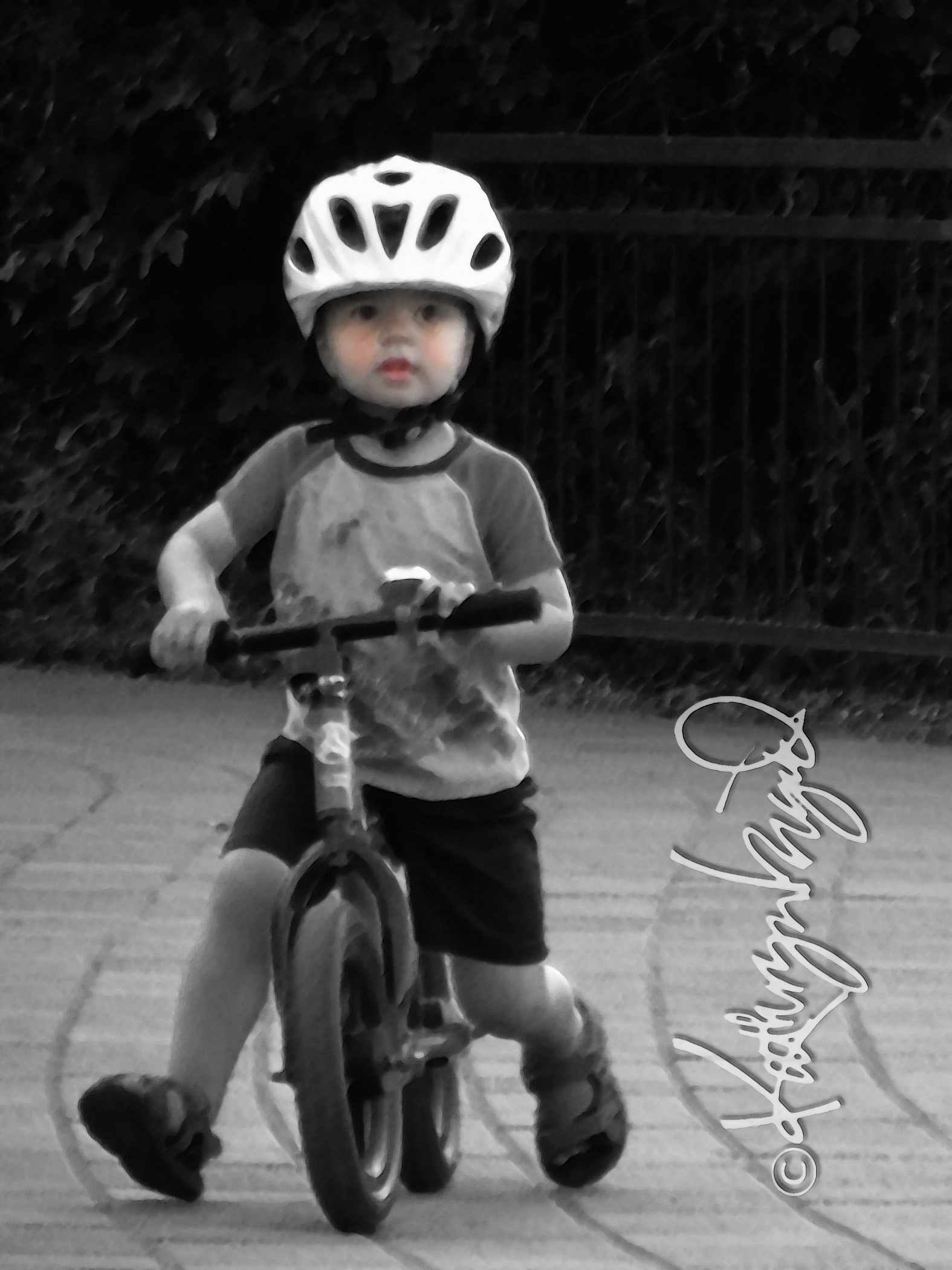
Or this bunch living now would be the last.

Snowflakes & Shadows

photoEvery one of us is said to be, like a snowflake, incomparable and magically, perfectly unique. The parade we saw this summer passing below our balcony was a dazzling reminder of this truth: hundreds of marchers, players, riders, movers, shakers and dancers were in the four-hour parade that wound through the city streets, and hundreds of thousands lined the route, and even the groups dressed in matching costumes or uniforms were groups of wonderfully individual characters.photo montageOur privileged hotel perch, though, highlighted the even greater beauty of the masses. The acute angle of the early sun gave sharp and shapely shadows to everyone in the crowd, and every single one of those shadows was the same color–grey. The shadows, like the people, were of an infinitely varied range in shape and movement and each attached only to him who cast it, but every shadow darkened the area near its maker in just the same way as everybody else’s. We may be unlike each other in nearly endless ways, but in some ways we are still all truly alike. It was lovely to see our differences and our commonalities literally on parade.digital artwork from a photo

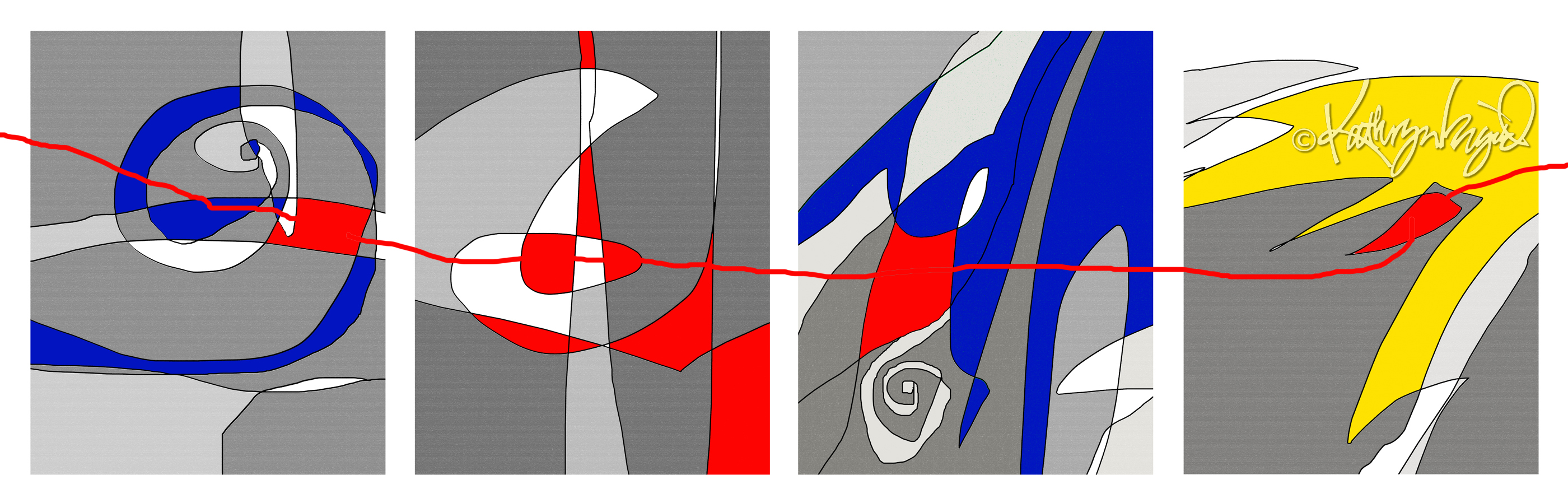
Röda tråden (The Red Thread)

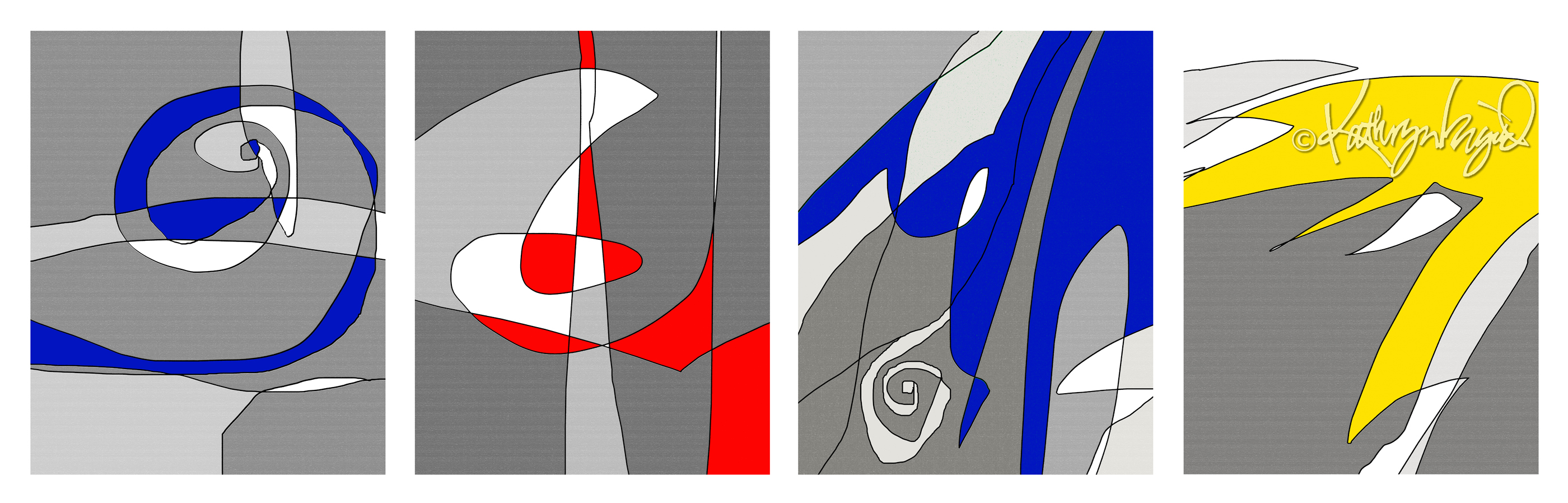
Röda tråden is the Swedish phrase for connectivity. I learned it from my husband, who in turn learned it during his dissertation studies on modern Swedish choral history, and in a way it’s the perfect encapsulation of what his research revealed: that the astonishingly deep and broad influence of such a small country, in such a short time, on such a large field as Western choir singing and music came about primarily because of the remarkable and unique confluence and joining together of a huge number of events, people, ideas and resources in that little land at the end of the Second World War. As unimaginably terrible as war is on any scale, it’s all the more a testament to connectedness that at the end of one of the largest we’ve known, such good and meaningful and positive elements were all drawn into one significant, beautiful growth spurt in the art of singing together.digital illustrationAs a miniature of String Theory in the arts, this surge of the choral art in Sweden is notable (no musical pun intended) not only because it posits a reasonably substantial explanation for the larger choral sector’s modern expansive development amid the general devastation and struggle following the end of WWII, but also because in doing so it illustrates wonderfully how the intertwining of all sorts of seemingly disparate elements such as safe havens from political unrest and postwar reevaluation of norms, personal and professional relationships and experimentation with new media could come into contact and interact to create a new mode of thinking, acting, composing, teaching and singing. In turn, this is a striking model of how people from distinct cultures, educational backgrounds, economic resources and political systems and of widely varying personalities, unified by the one tiny thread of choral music, could be pulled together into a complicated system that, though still colorfully messy and imperfect, led to a potent common end that has had lasting and marvelous influence for long and fruitful decades since.

I am, of course, grateful on a personal level because this Swedish postwar influence on Western choral culture has not only enriched my husband’s professional and artistic endeavors–not to mention was the basis for his award-winning doctoral dissertation that in turn opened a lot of friendly doors to us both in Sweden–but because it produced so much spectacular music and inspiration for so much more.

digital illustration

Röda Tråden is the Swedish version of the idea that–indeed literally–fascinates so many of us: the connecting thread–that which binds one thing to another. I can think of nothing greater than to spend life seeking the Red Thread that shows us our commonalities and binds all people together as well.

Further, though, I am grateful that such an otherwise inexplicable event as the ‘Swedish Choral Miracle‘ seems to me ample proof that all things and people really are connected. And that through recognizing and making good use of those connections, however, odd or tenuous they may appear, there is hope for new and better songs to be sung everywhere.

If I needed further proof of this, last night’s concert gave it amply. My spouse conducted the combined forces of the Chancel Choir of the church where he’s currently interim choirmaster plus their excellent hired pro orchestra in performing Haydn and Dvorak’s two settings of the Te Deum text as the concert opening and closing, respectively, bookending the extraordinarily lovely and moving Missa Brevis of Kodaly. I came in to sit for the concert among strangers and acquaintances from the church and discovered a friend from another parish sitting across the aisle from me, then learned from one of the choir administrators that a friend of hers in attendance turned out to be a long-ago colleague of my husband’s from another state, and finally went up to greet my guy after the concert and found him speaking with a group of ladies in the front row, one of whom was the wife of a former US president. What brought all of us divergent people together in this moment? Music. Beautiful singing and playing. Chance, kismet, divine intervention. Call it what you will, the slender but unbreakable thread that connects us all drew us into one place for a time of basking in the inscrutably beautiful harmony that is beyond craft, beyond art. That is a concert without peer.