Just for starters…don’t forget that previous meals’ leftovers can be reconstructed into the appetizers for the next meal, like what happened with the remaining bone broth ingredients that lived on after soup-making and made such a nice beef pate for Thanksgiving.
A signature of holiday cooking and eating is, logically, a host of holiday leftovers. After all, we tend to cook and eat more of everything in the first place, when holidays happen, so there’s bound to be more food around, and since most of us do fix more of our favorites on and for celebratory occasions, we’re a bit more likely to want to be careful not to waste them. Holiday leftovers are tastier than everyday ones, aren’t they.
So it is that remnants of glorious sweets will continue to lure us into the ever-so-aptly named larder and the refrigerator will, after Thanksgiving, still have some turkey lurking in it too. While a great turkey sandwich is far from restricted seasonally, the grand whole bird in its pure roasted form is less commonly perched on dinner tables outside of the Big Day, making it anything but boring to have the leftover turkey and its trimmings served without tremendous alteration at least once or twice after the party has passed.
Red relishes are such a nice touch on holidays that when a friend said she was bringing whole cranberry sauce, I decided to add the jellied kind *and* some home-pickled beets for the trifecta.
This year, Thanksgiving at our house was both traditional and extended. Ten of us sat around the table: our musical friends from Germany (why did I write Austria, then?), Hungary, Canada, Puerto Rico, Estonia and the Netherlands as well as the US gathered with our plates of roasted turkey and a fair assortment of other treats and sweets, and though we had our feast the day before most others’, the ingredients of food, drink, and conviviality were the same, and the leftovers equally profuse. My prepped appetizers, turkey, mashed potatoes, wine/stock gravy, creamed sausage, and buttermilk cornbread (the latter two, parts of the planned southern cornbread dressing, remained separate at my husband’s request) were joined by dishes the others brought–Greek salad, squash puree, homemade whole cranberry sauce, and carrot cake and handmade Hungarian biscuits for dessert. My own dessert offerings were the apple pie and Tarte au Sucre.
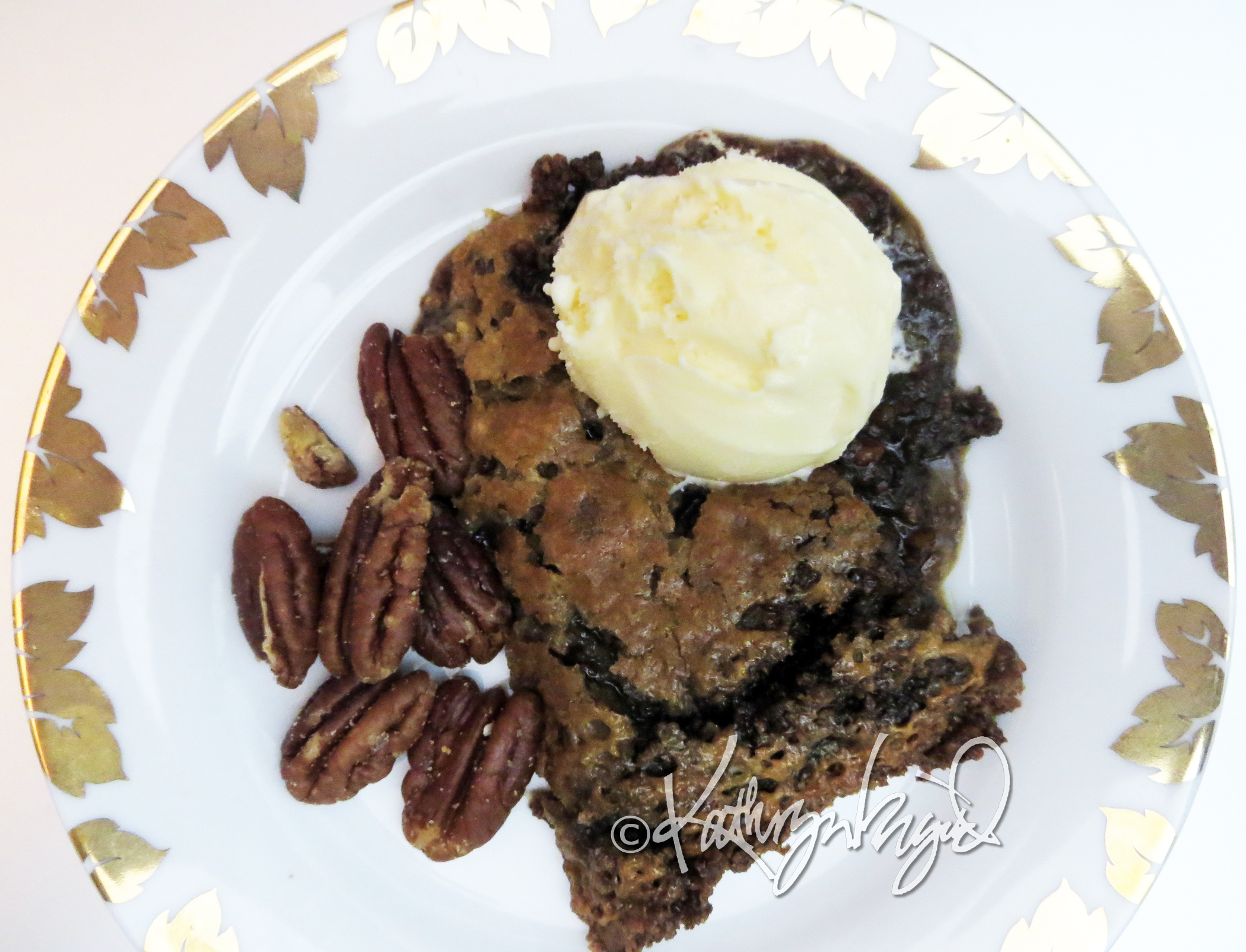
The Tarte was not only a good excuse for ingesting vast quantities of fabulous dark maple syrup but, as I discovered, when it’s accompanied by salty roasted pecans it becomes a perfect inversion or deconstruction of pecan pie, another very traditional Thanksgiving treat in many homes. I made my Tarte with a crumb crust of mixed pecans and walnuts, so it was perhaps already a variation on a nut pie before the garnishing pecans even arrived on the scene. In any event, it pleased my maple-fiendish heart.
Lightly spicy sausage in cream makes a good alternative to gravy for the turkey and potatoes, if you don’t end up putting the sausage into the cornbread dressing as you’d thought you were going to do…
The idea of creating a meal of any sort, let alone a holiday meal, for a group of ten people and coming out with everyone perfectly sated but without a jot of leftovers is, of course, more mythical than mathematical. It’s in fact ludicrously unlikely to happen, even if the ten are all people one knows intimately and whose preferences and appetites never vary–also, to be fair, a virtual impossibility–so the question of how to manage the leftovers with the best grace remains. In our house, that problem is never terribly difficult. First visitation of this year’s re-Thanksgiving was a smaller and simpler version of the original, turkey and mashed potatoes, cornbread and cranberry sauce, with a side of buttered green beans and bacon. Meanwhile, I’d already started a slow cooker full of vegetables and giblets while the turkey was roasting, and added the bones and bits afterward, so there will surely be turkey-noodle soup soon to follow.
Thanksgiving, Round 2–and only the second of many, perhaps.
What comes after? Probably a little turkey curry or a sandwich or two, but not much more, because having grad students and young, single faculty members at table on the holiday also meant that it was rather important to see that they left with some leftovers of their own to carry them forward. Leftovers, truth be told, are really just a new beginning in their own way. Hospitality, you know, isn’t a solo; it requires participation. One person doing it all, no matter how perfectly, is not a party but a lonely and self-centered business and misses the point of the whole thing.
Ah, do not let the focus on the main meal eclipse all of the good that can follow: a mere creamy turkey soup is a heartwarming way to honor the memory of the great meal that started it all.
Let others partake, help, contribute. And yes, do give to them: share the feast, both in the party’s environs and in the sharing of all that surpasses what was needed for the moment. And share, first and foremost, your time and attention, your companionship and humor and warmth and love. Then there should be plenty of those for leftovers, too, or all the turkey and potatoes in the world will not be enough. Much better, more filling and fulfilling, to be so hospitable that it spills over everywhere.
The only thing better than a delicious dessert is just a little too much of it.
I’ll pray for more ice water then!Meanwhile, there’s so much more to be imbibed as well!
It need not be a special occasion for [metaphorical] immersion in a magnificent drink to slake the spirit as well as the thirst. A pretty glass is reason enough. A dry palate, of course, demands it. Good company makes it lubricate the conversation, whether by dint of mere moisture or by the companionable pleasure of the drink itself.
And Now, to Retire to the Dining Chamber
Let us retire, old friend of mine, and hie to find us there a
Couple sublime cold cocktails on the gold-baked Riviera,
A sunset stroll off-season on the warm Amalfi coast
Accompanied by pork pâté on points of brioche toast;
Perhaps in Brighton lolling near the breezy, rocky beach
With fish-and-chip perfection and a Guinness within reach,
Some spa-time simmering upon the languid Baltic shore
I wouldn’t want to spend it only lounging by the fire
Unless something’s a-roast on it, and pleasure in a glass,
For that’s what flavors years and hours with beauty as they pass
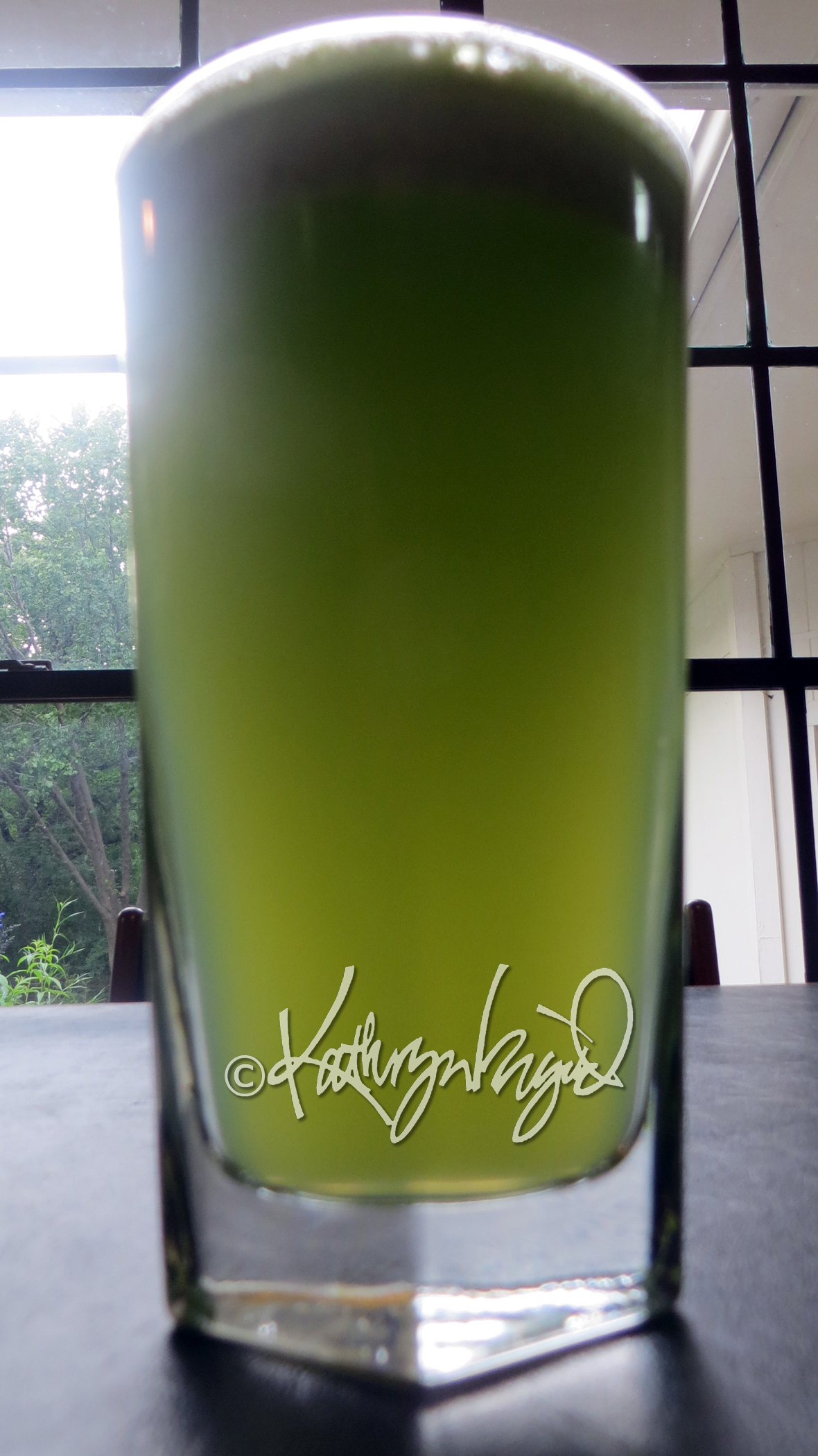
Refreshment can easily be whipped up in a swift, quenching cocktail, or it can just as easily be a thirst-slaking alcohol-free cooler. Today’s has alcohol in it, but a negligible amount, and it can just as easily be left out or substituted for with another ingredient. Drink blends are just as flexible as food recipes can be, and this one scores high for garden-fresh taste and simplicity.Garden & Orchard punch
1 bottleGranny Smithhard apple cider (omit or substitute unfiltered plain apple juice to de-alcoholize the punch) (12 oz)
Pour these together in a gallon pitcher (they make just under 4 cups together) and add (4 cups) fresh limeade to fill. Put a handful each of fresh basil, cilantro and mint leaves into a blender, pour in a cup or two of the soda-juice mix, and blend thoroughly, then strain the liquid back into the gallon pitcher and stir or shake gently. Pour over ice or just chill it in the fridge before serving, and dream happy dreams of shady woodland gardens, birds singing and gentle spring rain. Wet, tasty rain.
Oh, and I happen to know that this punch goes very nicely with Smoked Tuna Dip, vegetables and chips as a light lunch or supper. All it takes, besides the veg and crisps (or crackers) is to fork-blend a tin of smoked tuna (I like Tuna Guys‘) with a big spoonful of Avocado-Roasted Tomatillo salsa (I used Arriba!), a smaller spoonful of mayonnaise, and a touch of dill. Add salt, to taste, if the chips or crackers aren’t salty enough. You’ll always have that nice, juicy punch to keep you hydrated.
This post may require some appeasement on my part. I do, however, excuse this peas piece by saying that I genuinely love eating good sweet peas. Raw or cooked, cold or hot, plain or in a well prepared recipe, green peas are a treat no matter how they tickle my funny bone. That they have nutritive value is merely a bonus.
Smashed Green Peas make a smashing spread when lightly steamed, mixed with butter, orange zest and juice and a touch of salt and cayenne. Of course if you want them to be truly smashed you can add a dash of orange liqueur, too. If you drink most of the liqueur yourself it is *you* who will be smashed.
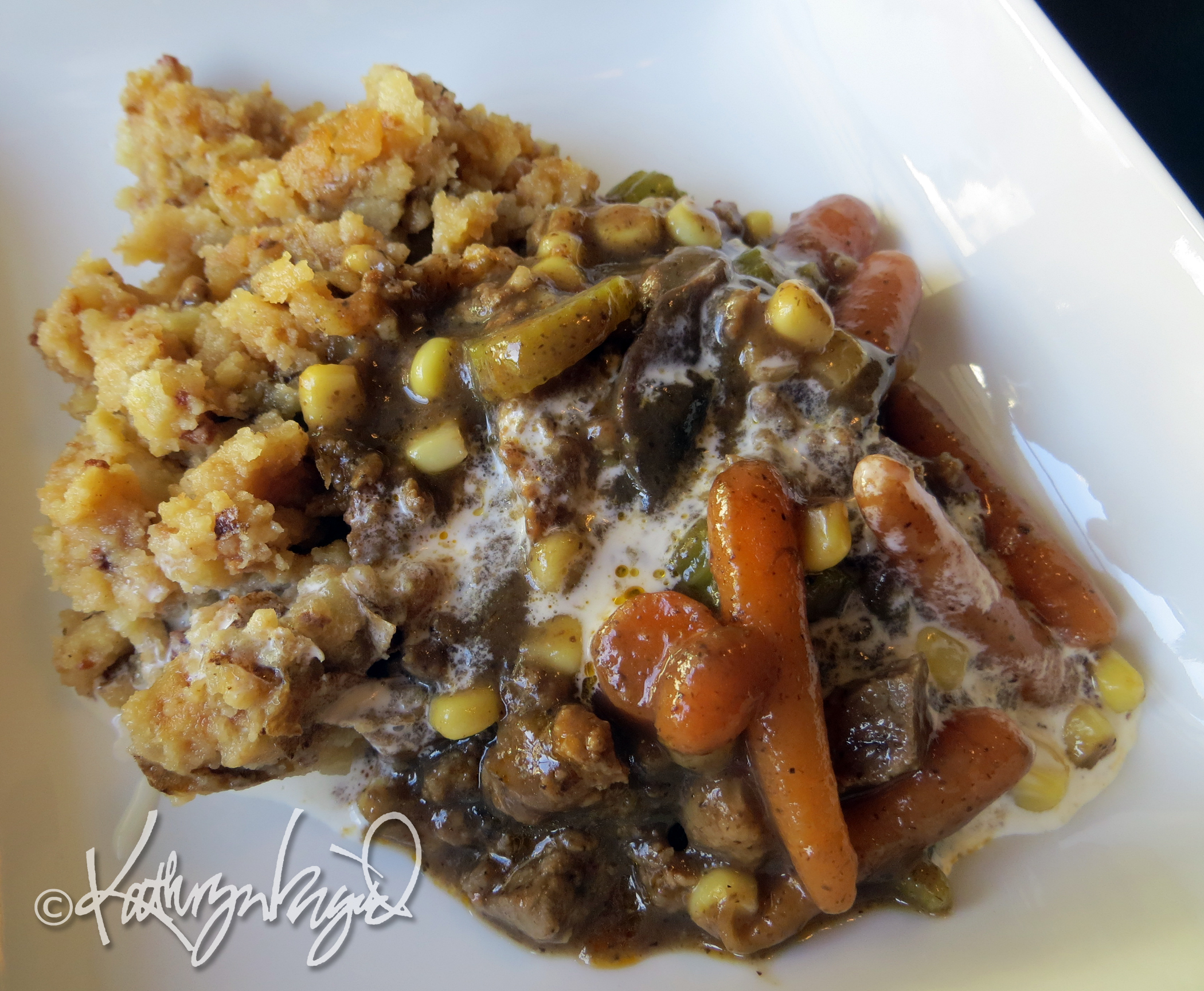
When I did a bit of checking on it, the name of my variant of Shepherd’s Pie seemed to be, by rights, ‘Pastel de Carne y Patatas’–but you know me, I can’t stick to proprieties very well. So I named it the more mellifluous sounding ‘Pastel al Pastor’, thinking as I do that shepherds get very short shrift in this day and age and can use a little flattering attention. What the dish is calls for it anyway, for it’s a rustic Mexican-tinged take on the comfort-food standard Shepherd’s Pie. In any event, like many longtime popular recipes, it got its start partly by using ground or minced meat, a hallmark of well-fed poor people’s diets since the cheaper cuts of most meats can become tenderer and allow much more expansive fillers and the disguise of plenteous seasonings in order to be palatable while still being relatively affordable.
Rustic and comforting it may be, but the simplicity of the end result in this recipe belies the multifaceted process by which it’s made. Don’t let that put you off, though, because it can be made in large quantities and frozen in smaller batches between times, so it can easily become a quick-fix dish after the first preparation. Shepherd’s Pie, in the vernacular, derives from the longtime concept of Cottage Pie, which in turn originated when cooks began more widely using potatoes to stretch those more expensive ingredients of the meal, the meats. Typically, these pies (and there are versions of them in an enormous number of countries, cultures and cuisines) are simply meat dishes, often made with the ‘lesser’ cuts or a mixture of leftover meats, with a potato crust. Probably the most familiar of them here in the US is the minced meat (and often, vegetable) mixture topped with mashed potatoes that is served in many a British pub and home kitchen and that we co-opted in our own American ways.
Mine, on this occasion, was to veer as I often do toward Mexican seasonings and enjoy my own little twist on the dish.Pastel al Pastor
Seasoned minced or ground meats, topped with vegetables and mushrooms and gravy and served over smashed potatoes make altogether a hearty and countrified dish, not at all difficult to make but taking a little bit of time because of its individual parts. I make this in a generously buttered baking dish both because it’s easier to clean afterward and because–you guessed it–I love butter.
The bottom layer of the dish is made by frying a mixture of equal partsground beef, pork and lamb, seasoned freely with salt, black and cayenne peppers, chili powder, smoked paprika and lots of cumin. Those without supertaster spouses will likely want to add some garlic powder as well, though it’s not essential. A splash of rich chicken broth or a spoonful of good chicken bouillon adds a nice layer of flavor, if you have it. Next, add a heaping spoonful of tomato paste and enough good salsa to make the meat mixture very slightly saucy, and just as the meats begin to caramelize, you’re done. [My go-to, if I’m not making my salsa by hand, is Pace’s mild Chunky Salsa with a prepared chipotle en adobo blended in thoroughly–I see on their web page that they’re reintroducing their chipotle salsa, so that’s probably fine too.] Drain the fat from the meat mixture and spread it in the bottom of your baking dish.
While the meat’s cooking, you can be preparing the vegetable-mushroom layer. I mixed about equal amounts of small cut carrots, sliced celery and sliced brown mushrooms, covered them with some of my ubiquitous chicken broth and cooked them until tender. Then I pureed half of them with a stick blender, adding a heaping tablespoon each of chipotle en adobo (that’s about a half a pepper), unflavored gelatin and potato flour for flavor and texture, mixed that with the remaining vegetables, and poured it all over the meat. I topped this with a cup or so of frozen sweet kernel corn and got ready for Potato Happiness.
Today’s version of this meal, Ladies and Gentlemen, was potato-fied with leftovers. I had half a baked potato and about a cupful of good french fries in the fridge, and they worked wonderfully when warmed with some cream and a touch of salt and smashed roughly. It would have been just fine to do the typical Shepherd’s Pie treatment of spreading the potatoes over the meat-and-veg before heating the dish through in the oven, but since this was all concocted of things I had around (taco meat I’d made and frozen, salad vegetables and leftover potatoes), on this occasion we just put nice heaps of mash on our plates and spooned the rest over them like meat-and-vegetable gravy.
For the more normal approach, I’d roast, boil or bake potatoes, season with salt and pepper, and combine with cream for the mash and then top the casserole, possibly adding some nice cheese either on top before browning it in the oven (a mix of shredded cheddar and Monterey jack, for example) or as a fine garnish, a serving-time crumble (cotija on top, anyone?). But ‘normal’ is overrated, and the dish was mighty, mighty tasty even deconstructed in this way. And it’s still flexible–yes, even a dish concocted of multiple leftovers has variety left in it, my friends. Add some peas (so many tasty cottage pies have peas in them), cauliflower, green beans, or any number of other vegetables. Make it spicier. Soup it up into a stew, with potato pieces incorporated. Change the seasonings to Indian and make it a post-Colonial curried version. You get the drift.
Thing is, of course, that this is precisely how the dish was conceived: as a loose general structure into which any number of variables could successfully be introduced, depending upon what was on hand. Save time, save labor, save money. Eat delicious potatoes and whatever flavorful wonders you can afford and imagine to combine under them.
Well, get along with you now, you know how it works. And you can be pretty sure that it’s going to taste good. That’s how folklore ‘recipes’ survive–on flexibility and reliability. Oh, yeah, and great fillers.
Even chicken, which sometimes gets short shrift when it comes to minced meat dishes because it’s left too unseasoned or cooked in ways that make it too dry, can make lovely ground meat dishes with a little effort. In the latest instance, I chose to precook mine in a sort of meat loaf sous vide, keeping the juices and additions in and on it until it was fully plate-safe, but this could easily be chilled in its loaf form, sliced and pan-fried without the intervening hot bath, I’m sure. And a food processor makes the loaf prep a snap, but it can be done with a knife and a pair of hands for mixing, too. In any event, I veered more toward Italy this time with my glorified chicken meatloaf concoction.Cotolette di Pollo e Pancetta
[About 6 servings.] Mince and mix together the following and shape into a compact loaf: 6 boneless, skinless chicken thighs (dark meat stays moister), 3 ouncespancetta, 1/4 cup shredded Parmesan cheese, 1 teaspoon thyme, 1/4 teaspoon ground black pepper, 1/8 teaspoon powdered lemon peel, 2 eggs, 4 tablespoons cold butter and 1/2 teaspoon minced dried shallot. Wrap and chill the loaf until ready to fry it, or do as I did: vacuum pack it, cook it sous vide like a confit (low and slow–I let it go overnight), and then refrigerate until ready to use.
When it’s time to fix the meal, cut the loaf into slices about 1/4 inch thick and fry them over medium heat until lightly browned. With a well seasoned iron skillet or a nonstick pan, the butter in the loaf is quite sufficient to keep the slices from sticking, and they get a nice little lightly crispy crust outside their tender middles. I served mine with slices of fried cheese (any slow-melting mild cheese would do for this after-the-fact application, or you can top the meat slices with faster-melting sorts like mozzarella or provolone as the meat cooks) and a simple sauce cooked down from jarred passata (simple tomato puree–I like the Mutti brand passata I used, pure tomatoes with a little salt) mixed with the loaf’s excess juices, salt and pepper and oregano to taste. On the side, little ramekins of rice and buttered green beans are plenty, though of course there’s always room for invention on the plate. The whole assembly, since I’d put up both cooked rice and the confited loaf in the refrigerator beforehand, took not more than fifteen or twenty minutes to prepare.
¡Buen provecho! Buon appetito! Now, stop mincing around and get eating!
Big pigs: who, me? Yes, I’ve admitted to it many a time. Being a food-loving piggy myself, and being terribly fond of the gifts of the pig to food-lovers. I fully understand that vegans, vegetarians, Muslims, Jews, those with health restrictions, and any number of others have valid, legitimate and honorable reasons (philosophical, physiological, religious, ethical, etc.) for not eating pigs; my own litmus test for foods is also personally derived and has much more to do with how much respect has been given the plant or creature in question in its tending while alive, in its preparation when being readied to eat and, especially in how it is used for sustenance and, often, the building of community. So no, I would never dream of knowingly serving pork to any of the aforementioned friends. But I am content to obtain and prepare and consume it myself with respect and gratitude. I have no wish to offend, any more than my abstemious friends would judge me for my being a carnivore. Those who wish to do so are of course very welcome to skip this post entirely.
Meanwhile, back at the board, I will say that I am often quite happy to eat vegetarian style too. I never feel deprived when the food pleases my palate, no matter what the range or contents of the menu, and I can easily be just as blissful about a superb salad, an ounce of outstandingly fresh pistachios, or a pan of colorful mixed roasted vegetables (on tonight’s menu again, as it happens). And good fresh fruit, well since that combines the flavor and vitamins and juicy joys of good health-giving food with the sweetness of dessert, why, you know that I am happy to plunge right into that when it’s offered.
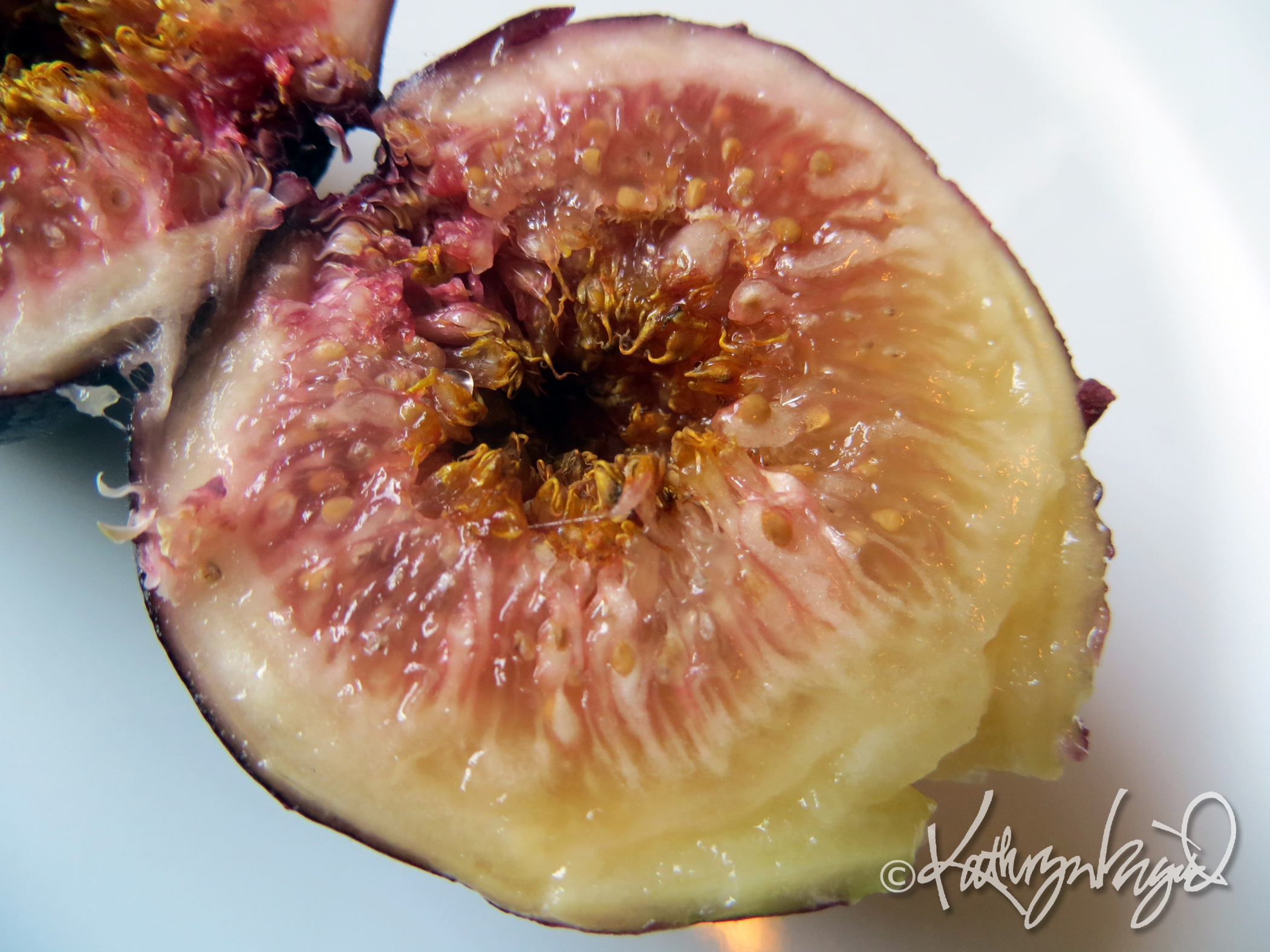
No surprise, then, that I was so delighted when that scrawny little $4 twig I bought this winter first burst into leaf and then, to my great amazement, produced lovely, plump Brown Turkey figs. It inspires me to think that perhaps I shall be able to grow some produce of other kinds if I put my mind to it, despite the challenging temperatures and soil character here in the roasty-toasty land of north Texas.
I am *not* the only ham in my kitchen.
But to return to my porcine loves, I have eaten pork in almost uncountable ways and have loved a great many of them. One standby favorite is a well-made ham. I will happily bypass any of those artificially ‘enhanced’ varieties that are injected with water and so many other, less savory, ingredients and often are processed to the degree that they are no longer recognizable as meat, let alone pork. But a good pit-smoked ham, well, there’s a sweet-and-savory treat of which I am immensely appreciative. I love oven roasted and glazed hams, too, even boiled ones, but I think my affections are most readily given to an unadorned and slightly fumy beauty right out of the smoker.
One of the benefits of being in Texas is that I do have access to a few places that produce such ethereal goodness. As a result, I can often indulge in a meal of simply sliced ham with vegetables or salad or, on a wintry day, perhaps with mashed or roasted sweet or russet potatoes. Or, as I did the other day, with a heap of fabulously fresh and sweet fruits. And of course any leftover bits may be tossed into other welcome meals of the same. Or into sandwich fillings. Or casseroles. Or, as on the day following the feast of ham and figs (and avocado and strawberries and pineapple), next mixed with minced roasted chicken, dill and pepper and stirred into eggs for a quick frittata. Because if ham is good one day in my kitchen, it’s probably a treat for three days in a row if I’ve shopped wisely enough.Just now, though, I guess I’d better dash out and check the baby fig tree to see if I can beat the raccoons to the next ripe piece of tree-candy.
If you haven’t already guessed it, gardening in the temperate climate of the Pacific Northwest is a mixed blessing. Yes, you can battle long, murky, cool, overly rainy winters that seem to last seven months of the year, so the easiest things to grow are mold and mildew, possibly between your fingers and toes. You want a green roof? Get yourself a rooftop Japanese moss garden without even trying just by positioning your house close to any healthy shade tree. I can’t promise you’ll feel very Zen about it, because like the fiendish imported English ivy, such moss is mighty hard to stop let alone kill, and eats buildings faster than you can spell ‘plague’. Mud is perhaps a given, but so, in the territory of a once quite active volcano is the euphoniously named glacial till that means Rock Picking becomes a competitive sport among gardeners and anything larger than a teacup had better be excavated for with vigorous pickaxe action and the tenacity of a Welsh miner. Slugs grow to mythic size and are believed by small children to be capable of swallowing their pint-sized innocent selves without chewing.But the mildness of temperature and plentiful rains also mean that one can practically put a piece of two-by-four in the ground and grow a tree, or at the very least, can make greenery and flora proliferate in an almost jungle-like exuberance. Heck, though outsiders might doubt it, you can grow big healthy palm trees and citrus and big fat figs right there next to the cold waters of the Puget Sound, mere crawl strokes away from the chilly dark not-really-Pacific Ocean. So the P-Patch allotments of Seattle are rich; why, even a parking strip along a city street can support a dandy raised-bed vegetable garden full of tempting green and vitamin-packed leafy goods.One of the things I’ve missed greatly since leaving the west coast is an incongruously tough plant, one evolved to withstand the vagaries of coastal wind and salt and coastal dwellers’ neglect with remarkable stamina and glamor. The Ceanothus, sometimes known as Farmer’s Lilac, is one of my very favorite plants for this combination of ruggedly handsome looks and ease of care. I am fairly certain that an experiment with one or two of these heady-scented, blazingly blue delights is in my Texan future. They come in such a variety of heights and breadths, leaf sizes, shades of blue and purplish, and even both deciduous and evergreen types that there’s sure to be a sort that will withstand even north Texas trials. Now that I’ve been back amid them in full-blast bloom, I know I can’t keep going sans Ceanothus without giving them a good old Texas try.The other thing I miss most, perhaps, about Northwest gardening will likely be much harder to replicate in my newer, ahem, digs: cottage gardens. Besides that native-born northwesterners are not much inclined toward formality, their access to easy growing conditions make them quite fond of that crowded, colorful and slightly overblown style of gardening, not least of all because it leaves less room for weeds, which of course also love the mild and friendly weather. But in hot and dry climes it can be a little too stressful on the water meter and long for greater shade than is easily procured by the average gardener. Clearly, it’ll take some tricky thinking to overcome those obstacles. Our recent negotiations with the fellow who will likely supervise our landscape overhaul when we can manage to do it have been a solid reminder not only of the limits of NTX nurseries and their resources but how much it’s going to cost us to do any adventuring in the fuller development of our patch of ground. Our recent house plumbing near-disaster and a couple of automotive ones, not to mention the trip we are making just now, all send pretty clear signals to our budgetary brains that it’s yet a while before we can tackle much renovation or revivification in our happy little greenbelt-hugging home zone. So for now it seems all the wiser to me to store up all of the brawny, brainy yet beautiful garden ideas I can and savor my short stay back in cottage-garden country to help me suss out just what I can do to bring a semblance of it back home with me when the bank account has been fattened up a bit more again.
Maybe I should buy myself a big tall red conical hat (possibly made of concrete). Because I am not exactly the most useful object, not the most decorative, nor even perhaps the most whimsically amusing, in a garden. But I give it my best from time to time, really I do. And generally, the earth is pretty forgiving and responsive to my fumbling efforts.
The wildflowers hereabouts have continued to delight, with waves of Showy Evening Primrose bordering the roadsides and ditches, and Vervain spiking up out of the meadows . . .
For once, I paid attention to the promises of today’s rain; it’s not been terribly impressive thus far, but it has rained a teeny bit, so it was good to get things a little better in order out there and ready for some watering the day before the rain arrived. Not that I didn’t water it all thoroughly myself, at the end of my stint, since even if the plants hadn’t been so thirsty after all of my brash ministrations on a toasty afternoon, I needed a bit of rinsing too. Besides turning into a human saltwater fountain and being bespeckled by the colorful bite-marks of a seething mass of varied insect pests, I also collected plenty of bits and bobs of garden detritus in my hair, a nice thorough coating of fresh brown dirt all down the front of my clothes (with special emphasis on my mud-capped knees), and the handsome assortment of plant stains reaching up to my elbows, not to mention the weird black stain my cheap metal watchband makes on my wrist when its gets all slippery with sweat. I considered just turning the garden hose on myself full blast but opted for the slightly less neighbor-frightening method of going indoors and showering, after all. They’d suffered enough if they’d just seen me transforming myself into a living blob of nature-gone-bad while gardening.
A sweet mockingbird sat surveying the front yard from the mailbox, but dashed off long before I came closer to tuck some sturdy, spiny agaves around its base . . .
Meanwhile, I did enjoy discovering that besides the blizzards of unlovable bugs gone rampaging on the heels of a warm winter, there are the lovely sorts as well: I was almost constantly surrounded by clouds of butterflies that were attracted to the plants I was tending and the nice little drinking fountains I was making with my sprinkler for them. It was as though the flowers woke up and took wing around me. The birds around here are certainly loving the feast of fresh insects, so at least I can tolerate the biting brats if I know that they may soon, in their turn, be Cardinal Chow. Which reminds me, I’ve heard tell that the hummingbirds are back in town, so the feeders should go back up today. How quickly things change in Spring!
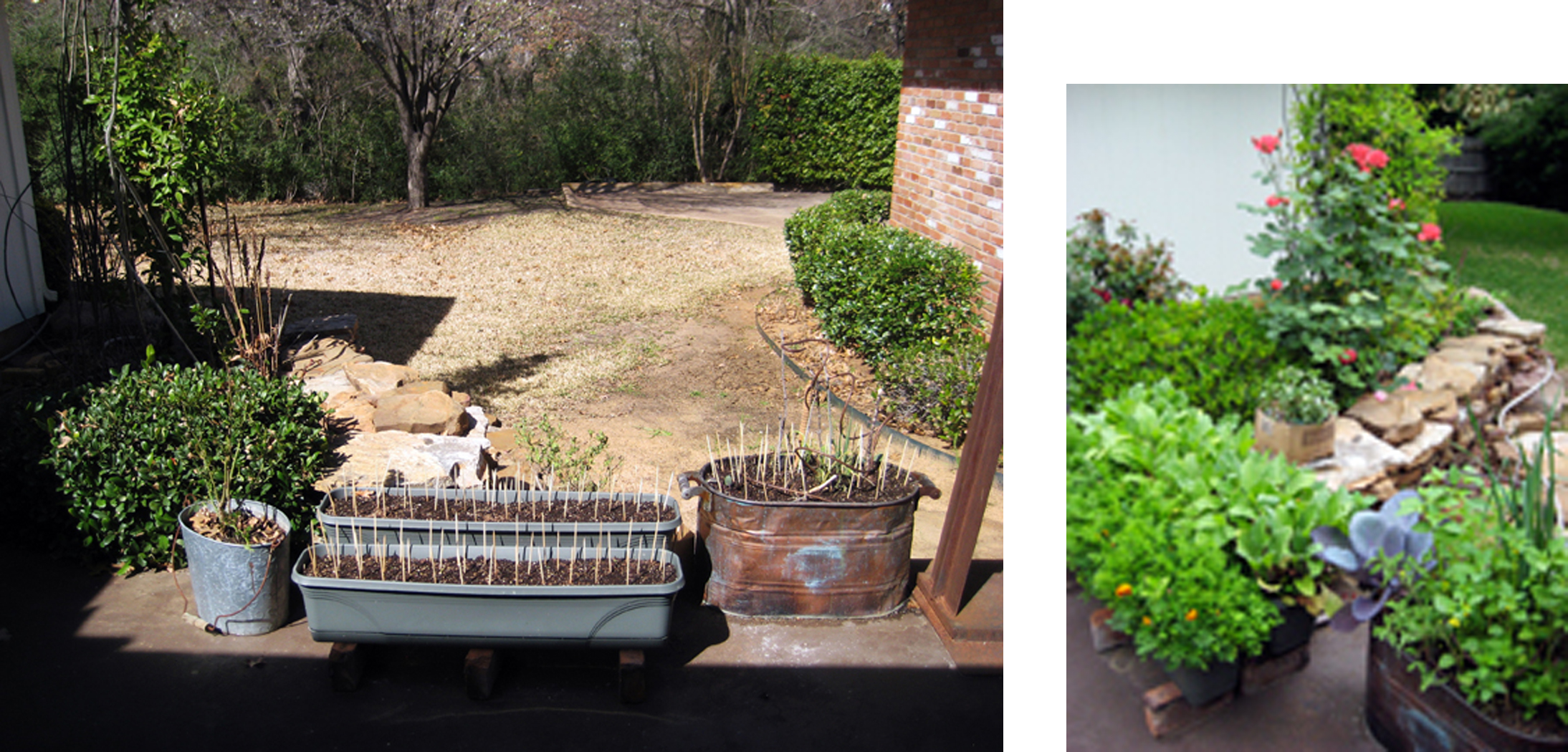
Less than two months of time, and what a difference on the patio and in the yard!
Both the ornamental and the edible is swiftly springing up, and thankfully, many of the latter sort of plants are very much the former too. Along with their other benefits of beauty and entertainment and insect-control, the birds have evidently gotten involved in the garden design work around here, planting a number of sunflowers in serendipitously amusing and even rather unexpectedly apropos spots. I’ll leave them all in place and see what seem to be propitious locations for next year’s crop of sunflowers. Meanwhile, I’ve got lots of other things beginning to come fully into bloom that need deadheading and trimming and fertilizing and watering.
The dainty blooms on the capiscum plants promise sweet bell peppers to come, and the little wild rose is smiling broadly . . .
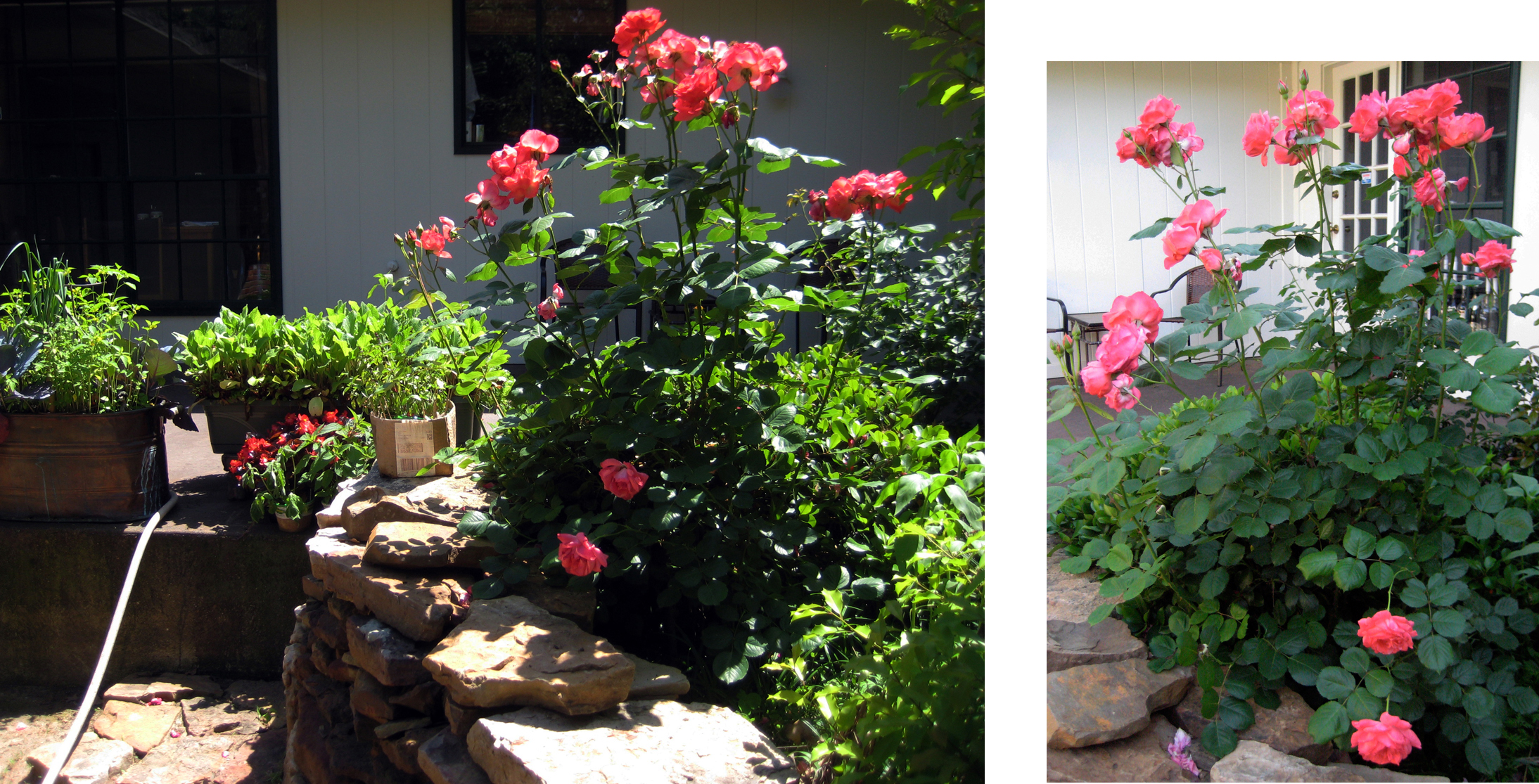
The roses have–not too surprisingly, given the kindly weather–been great show-offs already this season. The little old-fashioned straggler that I dug up from its hidden spot by the back fence last fall and tucked into a pail is thriving and throwing off a fair number of its small but deeply velvety dark red blooms. The coral colored rose that I moved to a more visible place in the raised bed by the patio has probably already fired up close to a hundred of its bold blossoms, bringing its own dazzling light to the little ‘courtyard’ enclosed by the house’s wings.
The detonation of the roses in bright sunlight is impressive even if only from two plants . . . but should I add more, I wonder, when they're all so lovely? Hmmm . . .
That holly tree that I intended to kill, or at least cruelly constrain (someone planted it much too close to the house’s foundation for either’s good) was stripped to its trunk not much more than a year ago but is not only covered with those charmingly soft new leaves that have their pointy edges but no bite yet but is simply a mass of bloom as well, and now that I’ve seen how adored it is by the bees I know I won’t kill the tree but will just keep it as a sort of vertical bonsai, pruning it vigorously but leaving it to stand as a bee haven, a vine post–I loved having my cobalt-blue morning glory glowing from it last summer and have planted that and other colors this year–and a berry farm for birds and winter decor.
Apparently, the birds and butterflies, not to mention the bees, are going to have a grand dance around the holly tree Maypole this year . . .
The herb-and-vegetable planters are well underway, and there’s not only plenty of borage leaf, despite the marauding munching bugs who try to turn them to lace, for a nice tisane long before they will be tall enough to bloom. The marigolds have opened their brilliant eyes to have a look around, and the carrots and beets are shooting upward (and, I hope, downward). The parsley and other, daintier herbs will have to fight their way up through the jungle a little more slowly, perhaps, but should be strong enough by the time they do that they will outlast the root veg and the annual flowers.
Packed with, very likely, too much, these planters are still cheerfully chipping in to do their flaming floral part . . .
The peppers, tomatoes, tomatillos and red cabbages are all quite happy and healthy looking right now, and as long as the garden pests can’t get ahead of the birds and me, there may be a nice little bit of produce before too long. In the meantime, it’s sweet just to look at the plants and measure their growth by the day, if not by the hour. One of the perpetual delights of gardening, of course, is the unplanned element that invites itself into the flowerbeds and borders. I was elated to find, among the dozens of baby oak and elm tree sprouts volunteering on the property (and many of which I will transplant, when they’re big enough, to other parts of the yard), a seedling which I quickly identified as a mulberry tree. This, too, will have to relocate eventually, but I thank the bird or squirrel that kindly donated it, as it will also become a great wildlife feeder on the back-forty one day. In the right-hand photo, it is balanced on the left by a seedling soapberry that I’ve been nursing along for just such a purpose, and together they frame a wonderful volunteer that apparently forgot it was supposed to be a tender annual plant, a brilliant orange Gerbera daisy from last year.
Gifts from the garden to the gardener: a mulberry seedling, a wintered-over annual flower, and lively green growth galore . . .
Along with the Survivor Daisy there are hints of the wildflower seed I threw nearby beginning to assert themselves. The first tiny cosmos has peeped out from the pathway, and there are promising leaves and stems among the sunflowers and cosmos that say we’ll soon enough be seeing nasturtiums, corn (sweet and ornamental), blanketflower and Echinacea and a whole host of other charmers. If you want to know more specifics of what we’re, ahem, expecting, check back to my plant-list post.
Grandpa Gerber Daisy, meet little Miss Cosmos . . .
I was certainly not confining my attentions to the back yard, and am pleased to say that both the surprises given to me by the garden and the things I’ve done myself and with goodness aforethought out front are also paying off in lovely dividends. The area in front of my beloved’s office window was particularly shabby and is not so easy to suss out, as it’s victimized by bad drainage because of the contours and conditions of our property and also is quite heavily shaded by one of our big beautiful post oaks out there. So if you set these characteristics up in combination with naturally hot and over-dry Texan weather, there are what might charitably be called Conflicts of Interest. I’m experimenting, to say the least. But I’m getting a fair return at the moment and will enjoy it while I can. Among the humorous and pleasant surprises I would count that of having celery in bloom there. Yes, celery. I had a very ancient bottle of culinary celery seed sitting in my kitchen for so long that I was quite sure it had no flavor left at all, but being a thrifty mad scientist, I tossed the contents out in the front flowerbed and behold, a year later I have flowering celery. If it’s biennial like some of its cousins, who knows what next year may bring!
Outside the office window, hope is arising in its green and tenacious way . . .
Between the front walkway and the porch, the flowerbed is cut into yet another poorly drained (but sunnier) spot and is too narrow for its own good. But I’m getting a number of things, mostly perennial, to pop up there and even had a happy re-visitation from last year’s annual sweet potato vine (the fluorescent-green leafed sort) that will probably now give me yet another year of excellent fill-in wherever I haven’t yet solved the bed’s Issues. I’ve tucked in a few herbs besides the front door rosemary that’s thriving–far more than expected–and am working to have a broad mix of textures and colors and seasonal change-ups that I hope will continue to mature and fill in the naked spots until any non-flowery weeds will just feel unwelcome to even visit.
Though the tulips are long gone from the planters, there are all sorts of new things coming in and many possibilities yet to sprout . . .
Along with the porch-side plantings there is also another shady stretch, this one less plagued by poor drainage but still overshadowed by one of our big flowering pear trees, so that too is getting an experimental blend of trial-and-error plantings to withstand the vagaries of seemingly opposing growth needs. One of the particular pleasures of yesterday was finding a Bonus Plant tucked into the pot like some sort of vegetal conjoined twin with one of the agaves I laid in yesterday, so now I have this vigorous ‘baby’ to choose a good home for as well. These specific agaves are a variety (Agave parryi) I’ve long admired for their good looks and was thrilled simply to locate, let alone in a size I could afford, but doubly so on learning that they are supposed to be relatively hardy plants–and then on top of all that, I got a big, handsome extra among them. Surely the garden gods were smiling on me yesterday. Or at least the garden gnomes.
Last year's Beautyberry has burst into full bright green leaf, the New Zealand Flax is spiking up its burgundy spears, and the variegated leaves of their companion flax lily lights up the shade with its fine stripes. And where will bonus baby Spike go to live? Stay tuned . . .
Since several people have asked, I’m posting a list today. No, it’s not one of those house-fixing lists I mentioned full of projects. But related, in a way, as it constitutes my contract of To-Do fun with my yard, garden, flower beds, and planter pots. It’s my seed and plant list–what I’ve put in thus far, and some of what I intend to add, the latter being primarily a larger batch of the listed Wildflower Sowing Mix. It’s my own blend, by the way, concocted from reading up on and observing what is native and/or simply adapts well in our part of the landscape. Starred (*) items are known natives or very long established growers here in north Texas, and items marked with two plus signs (++) are ones I’m emphasizing in placement or quantity because they’re particular favorites of mine.
For the Front Yard Flower Beds:
Blue-Eyed Grass (Sisirynchium)* ++ I’ve long been attracted to the tiny-orchid flowers of this miniature lovely, and was thrilled to discover the plant is native here. A surprise bonus when moving to a place that has a generally less easy climate than my place of origin in the Pacific Northwest.
Chives, Garlic (Allium tuberosum)
Coneflower (Echinacea purpurea)* ++
Garlic (Allium sativum) I don’t cook with a whole lot of garlic since marrying a Supertaster, but since they’re beautiful plants, I figure I’ll get what little garlic I need for cooking and have the garden attraction besides.
Lavender (Lavendula angustifolia)
Nasturtium(Tropaeolum ‘Milkmaid’)
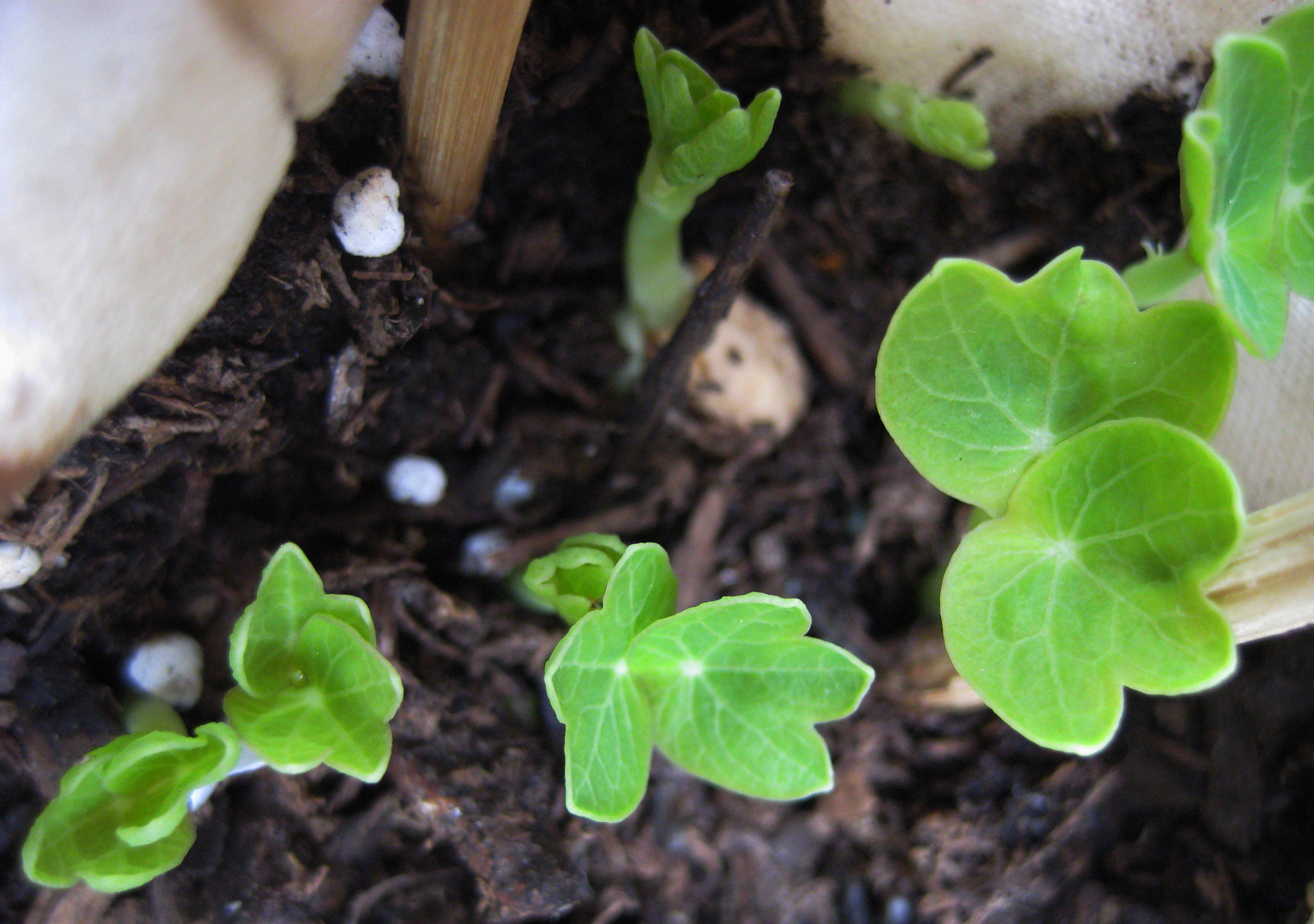
I have to admit I enjoy plants whose babies I can recognize early and so chart their progress a little more accurately. Nasturtiums are a very easy one to spot . . .
Spreading Petunia (Petunia x hybrida ‘Purple Wave’)
Texas Bluebonnet (Lupinus texensis)* ++ Seriously, how could I not put in any of this classic when I’ve moved to Texas? Not to mention that I’m a sucker for blue flowers. And things that will self-perpetuate once established.
Herbs (Planted front, back, indoors and out)
Basil, Sweet (Ocimum basilicum)
Borage (Borago Officinalis) ++ A rather magical herb, in my estimation, with its refreshingly cucumber-like flavor and exquisite bright blue flowers.
Chives, Onion (Allium schoenoprasum)
Marigold (Tagetes)
Parsley (Petroselinum hortense)
Curled
Italian Flat-Leaf @ John: I’ll try to have it fully in leaf when you show up here!
Rosemary (Rosmarinus officinalis) ++ I have one healthy plant going, and since it seems to thrive in this yard and I love the plant and its culinary qualities, I have a feeling it will get siblings eventually.
Vegetables (Mostly integrated into the flower beds, for fun)
Beetroot (Beta vulgaris ‘Tall Top Early Wonder’)
Kale (Brassica oleracea ‘Dwarf Blue Curled Vates’)
Bright blue like that of this Salvia gives such pizzazz to the garden . . .
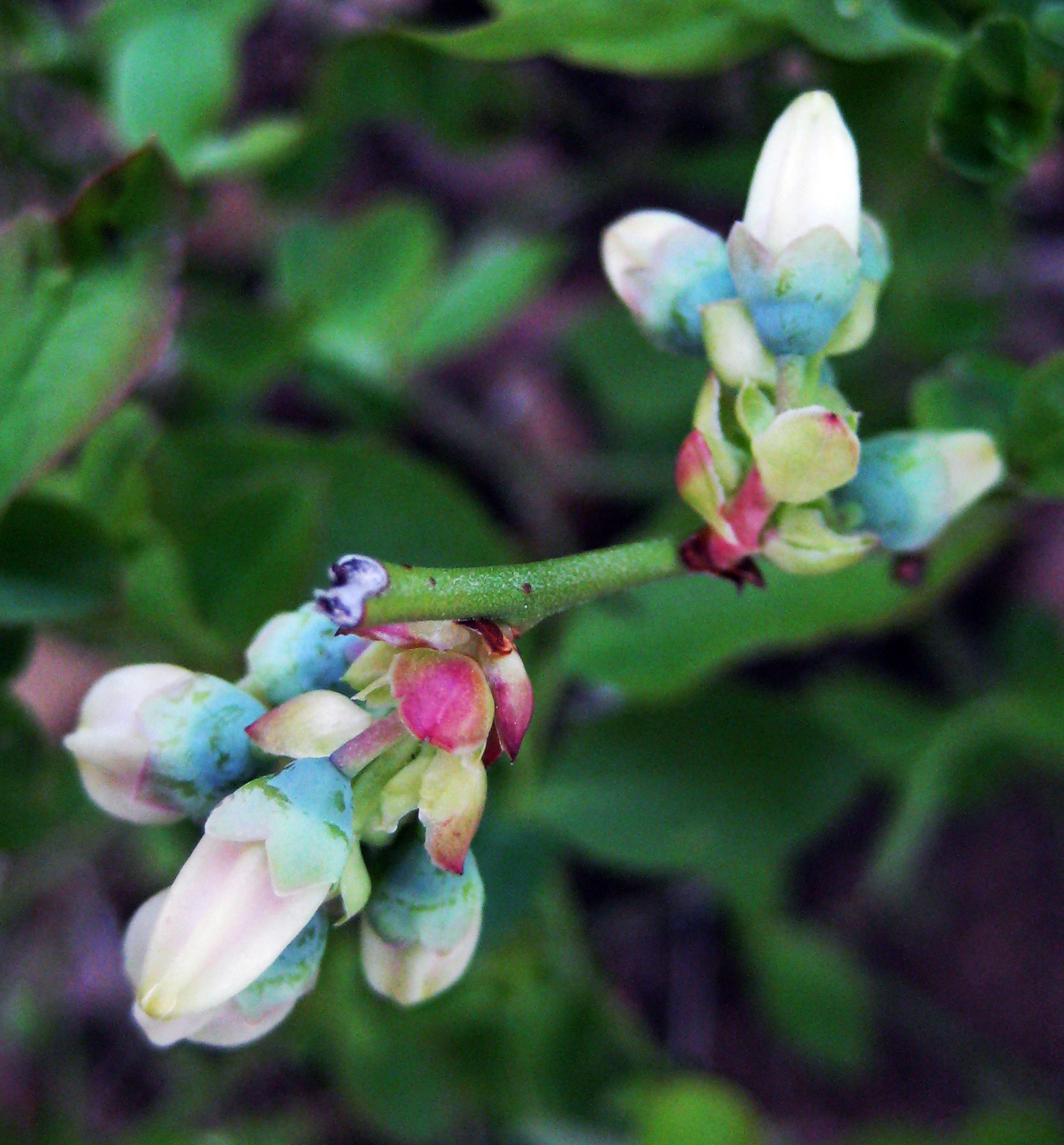
Blueberry(Vaccinium corymbosum ‘Biloxi’) ++ You may recall that I really dislike eating blueberries–but I know the birds and creatures will like them if I leave them, and I think the plants are beautiful!
Irresistible little blooms on the blueberry . . .
Clematis(Clematis, var.) I’ve put in several varieties, and the first leaves are beginning to appear, so I think I had better give those little green pretties something to climb up soon or risk their meandering in the underbrush.
Peering out from under oak leaf-mold and purple tradescantia that's already shown its first bloom of the season, the clematis leaves are beginning to crawl forward . . .
Columbine (Aquilegia ‘Origami Mix’)
Corkscrew Rush (Juncus effusus ‘Spiralis’)
Eastern Redbud(Cercis canadensis) The first of our little city give-away adoptees appears to have survived the winter, but won’t yet show its bud growth.
Fig Tree (Ficus carica ‘Brown Turkey’) I found a sturdy fig tree rooted in a three-gallon pot for four dollars. How could I refuse? Even if it turns out to be only semi-productive (though I’m told they grow well enough here), the leaf will be a nice variant in the yard.
Forsythia (Forsythia x intermedia) A good shot of early color is always welcome.
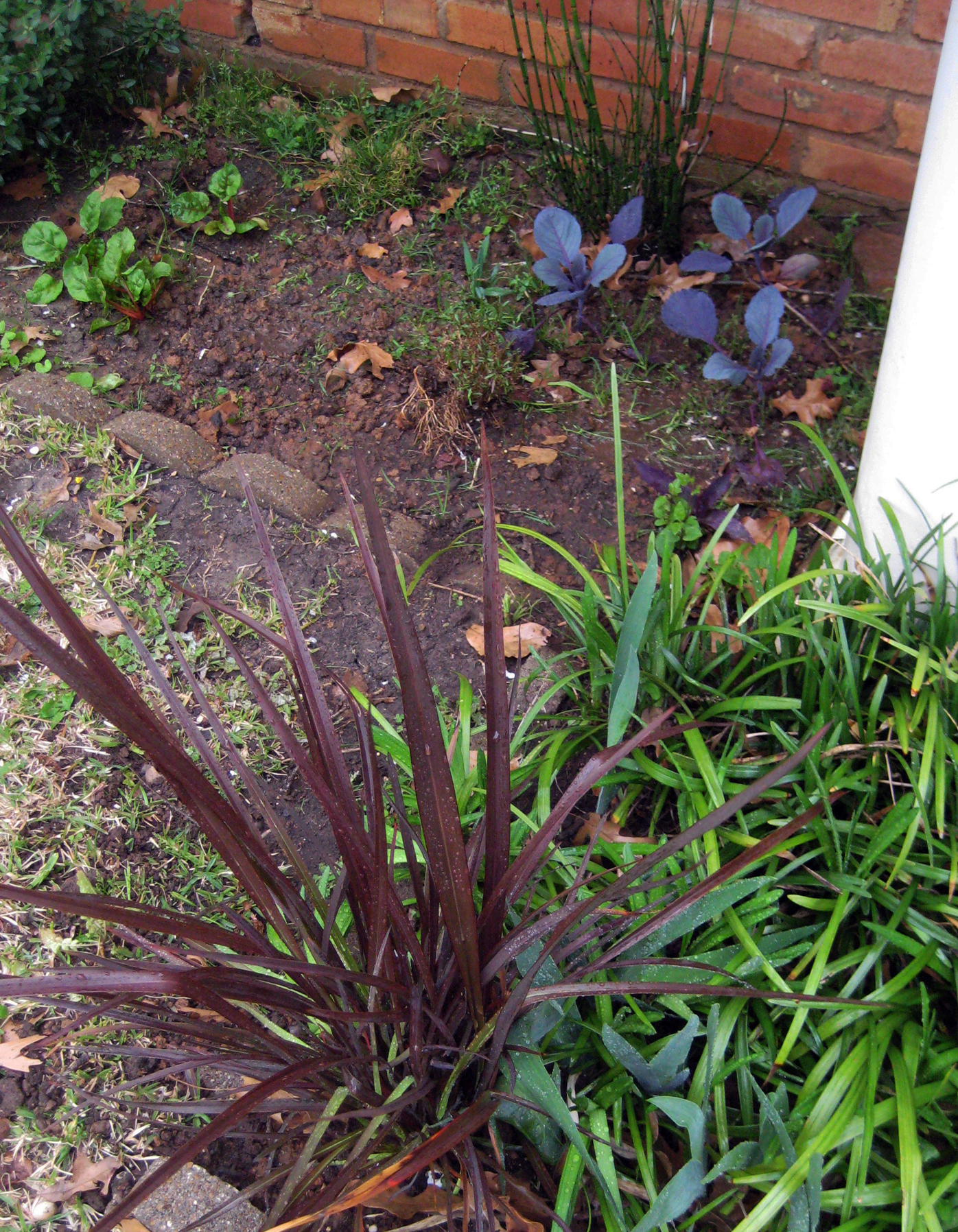
Horsetail Reed(Equisetum hyemale) Strangely for a place that verges on drought, the yard here has one or two water-collecting spots! So wet-footed plants should do fine.
I find it strange that there is a place--ANYWHERE in this north Texas garden--that can stay wet for so long, but it's a handy spot to put water-tolerant plants like the Corkscrew and Horsetail reeds, after all . . .
Lamb’s Ear (Stachys byzantina)
Mexican Plum(Prunus mexicana)
The Mexican Plum tree just planted this last fall has wasted no time in putting out dainty little white flowers . . .
New Zealand Flax (Phormium tenax) Going for a bit of large-scale drama, here. (You can see the NZ flax’s big burgundy swords in front of the wet growing bed above.)
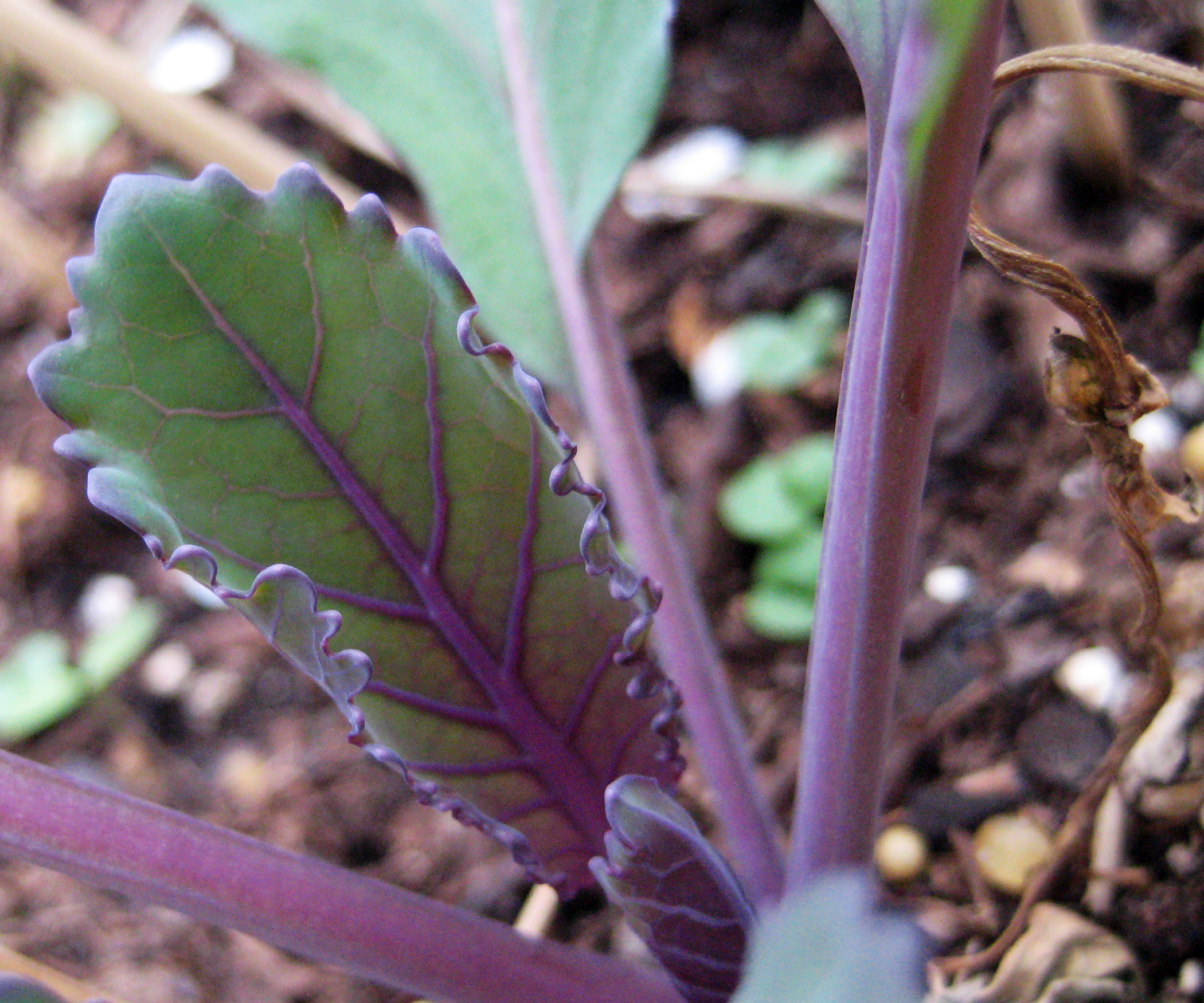
Red Cabbage(Brassica oleracea var. capitata f. rubra)
When it's on sale, why not use the bedding plant! And I got a half-flat of red cabbage babies, so they went out front for their ornament as well as in hopes of good eating . . .
Soapberry (Sapindus saponaria)
Even the six inch tall Soapberry tree seedling from last year is swelling into bud . . .
Tulips (Tulipa spp.) Of a white unnamed variety; oh, yes, I did succumb. I put just a dozen in my front porch planters. Half of them were soldas orange, but buying a generic handful of bulbs, one gets what one gets, no? And white tulips are beautiful too, so I shan’t complain.
A splash of orange might have been showier, but there's no classic like an elegant white flower . . .























 Art-Colored Glasses